


Sign Shop Signs: Professional Design & Production Guide
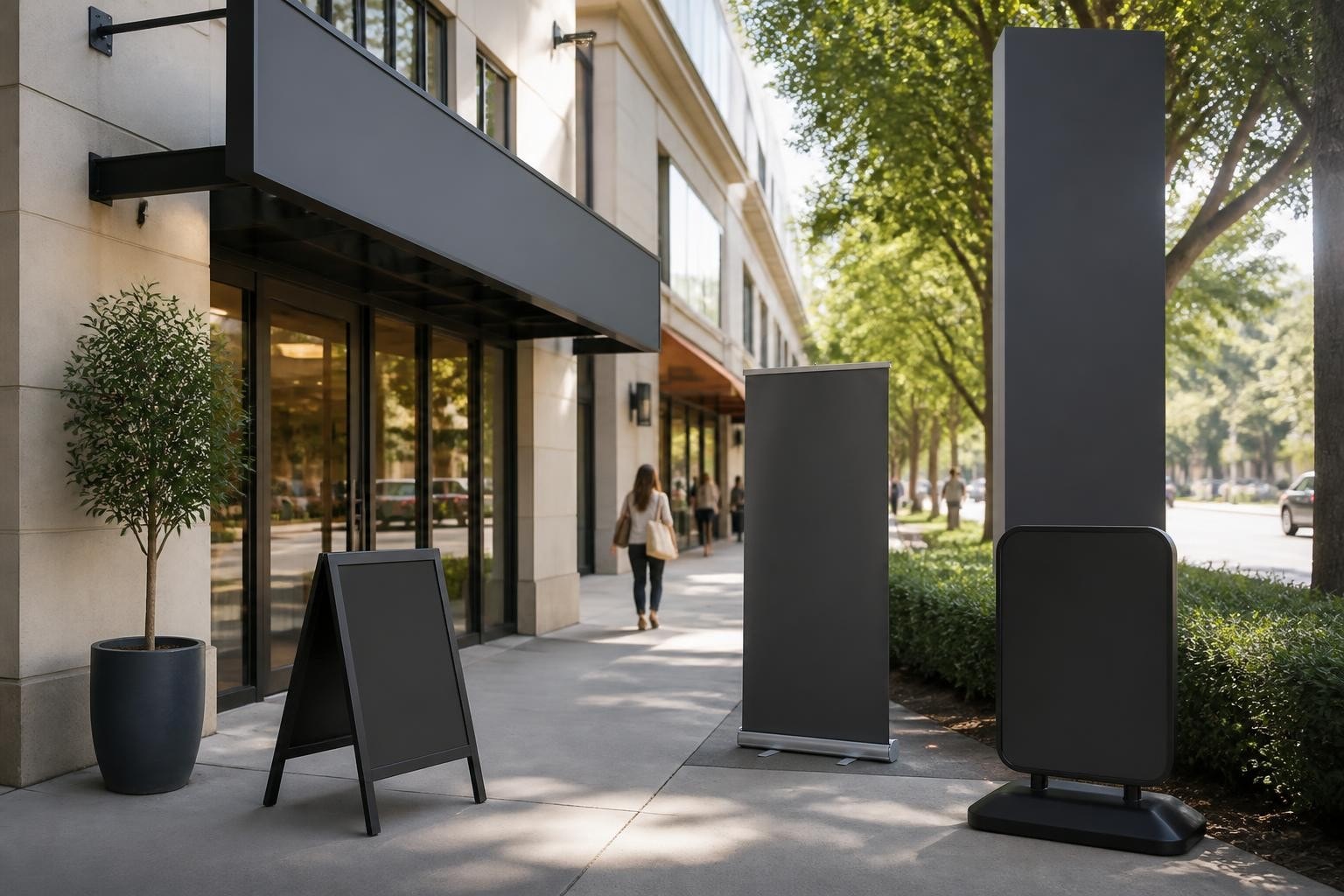
The signage industry has evolved significantly over the past decade, with sign shop signs becoming increasingly sophisticated in both design and functionality. These professionally produced signs serve as critical touchpoints between businesses and their customers, offering far more than simple directional guidance or business identification. From illuminated storefront displays to comprehensive wayfinding systems, sign shop signs represent a substantial investment in brand visibility and customer experience. Understanding the production process, design principles, and material considerations behind professional signage helps businesses make informed decisions that deliver lasting value.
The Fundamentals of Professional Sign Shop Production
Sign shop signs differ fundamentally from DIY or template-based alternatives through their customisation capabilities and production quality. Professional sign shops employ skilled designers, experienced fabricators, and advanced manufacturing equipment to create signage that meets exacting specifications.
The production workflow typically begins with client consultation, where business objectives, location constraints, and budget parameters are established. Design teams then develop concepts that balance aesthetic appeal with functional requirements, considering factors such as viewing distance, ambient lighting conditions, and local regulations.
Material Selection and Durability Considerations
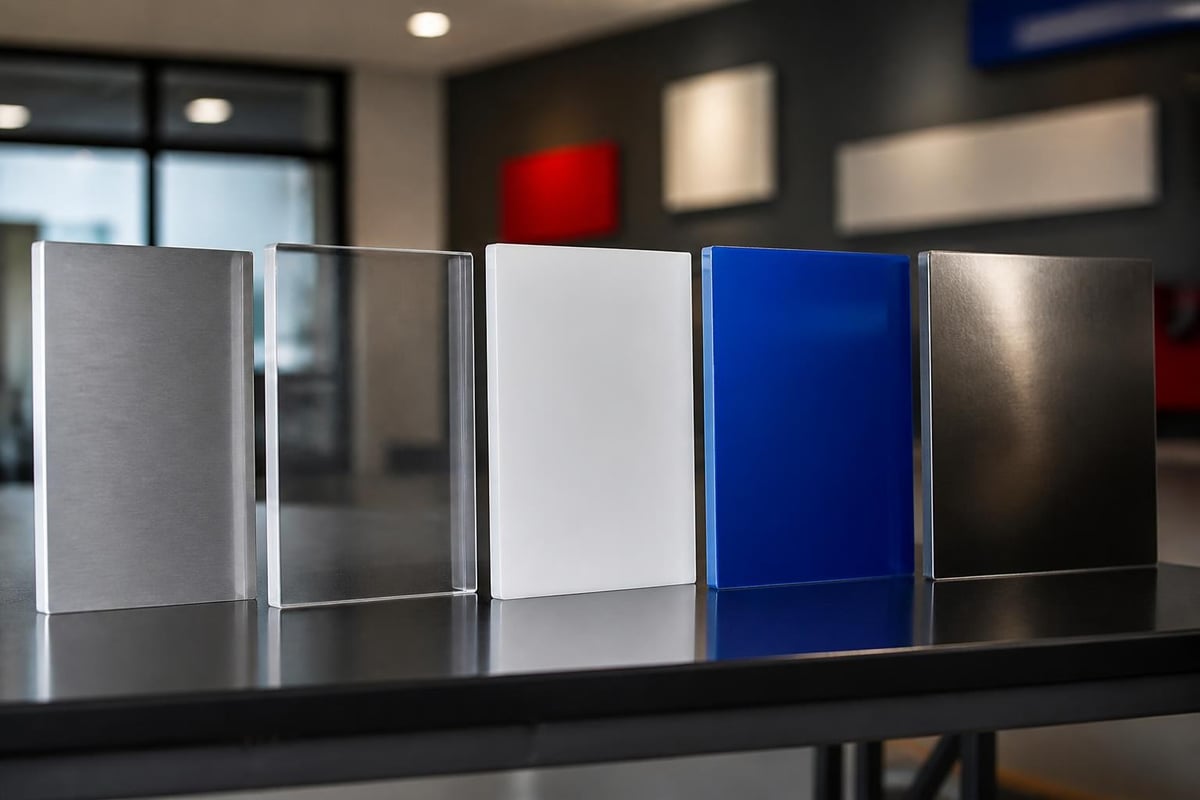
Material choice significantly impacts both the appearance and longevity of sign shop signs. Common substrates include:
- Aluminium composite panels offering lightweight strength and weather resistance
- Acrylic sheets providing clarity for illuminated applications
- Dibond delivering durability for outdoor installations
- Vinyl enabling cost-effective graphics and temporary displays
- Stainless steel creating premium appearances for corporate environments
Each material presents distinct advantages for specific applications. Outdoor signs require UV-resistant finishes and weatherproof construction, whilst interior signage can prioritise aesthetic refinement over environmental durability.
| Material | Weather Resistance | Cost | Weight | Best Application |
|---|---|---|---|---|
| Aluminium Composite | Excellent | Moderate | Light | Outdoor fascias, panels |
| Acrylic | Good | Moderate | Light | Illuminated displays |
| Dibond | Excellent | High | Moderate | Premium outdoor signs |
| Vinyl | Fair | Low | Minimal | Temporary graphics |
| Stainless Steel | Excellent | High | Heavy | Corporate identification |
Design Principles for Maximum Impact
Effective sign shop signs follow established design principles that maximise visibility and message retention. The International Sign Association emphasises factors like readability, size, and illumination as critical elements of sign effectiveness.
Contrast remains paramount. Text must stand apart from backgrounds with sufficient tonal or colour differentiation to ensure legibility across varying lighting conditions. High-contrast combinations like white on dark blue or yellow on black provide excellent readability, whilst low-contrast schemes often fail to capture attention.
Typography selection directly affects message comprehension. Sans-serif fonts generally perform better for sign shop signs than decorative alternatives, offering cleaner letterforms that remain legible at distance. Font weight should be sufficient to prevent thin strokes from disappearing in bright sunlight or at extended viewing ranges.
Colour Psychology and Brand Alignment
Colour choices in sign shop signs extend beyond aesthetic preference to psychological impact. Research demonstrates that specific colours trigger emotional responses and associations:
- Red conveys urgency, excitement, and appetite stimulation
- Blue communicates trustworthiness, professionalism, and calm
- Yellow attracts attention and suggests optimism
- Green indicates environmental consciousness and health
- Black projects sophistication and luxury
Understanding the psychology of colour in signage design enables businesses to align their sign shop signs with broader brand messaging whilst leveraging subconscious viewer responses.
Manufacturing Technologies and Production Methods
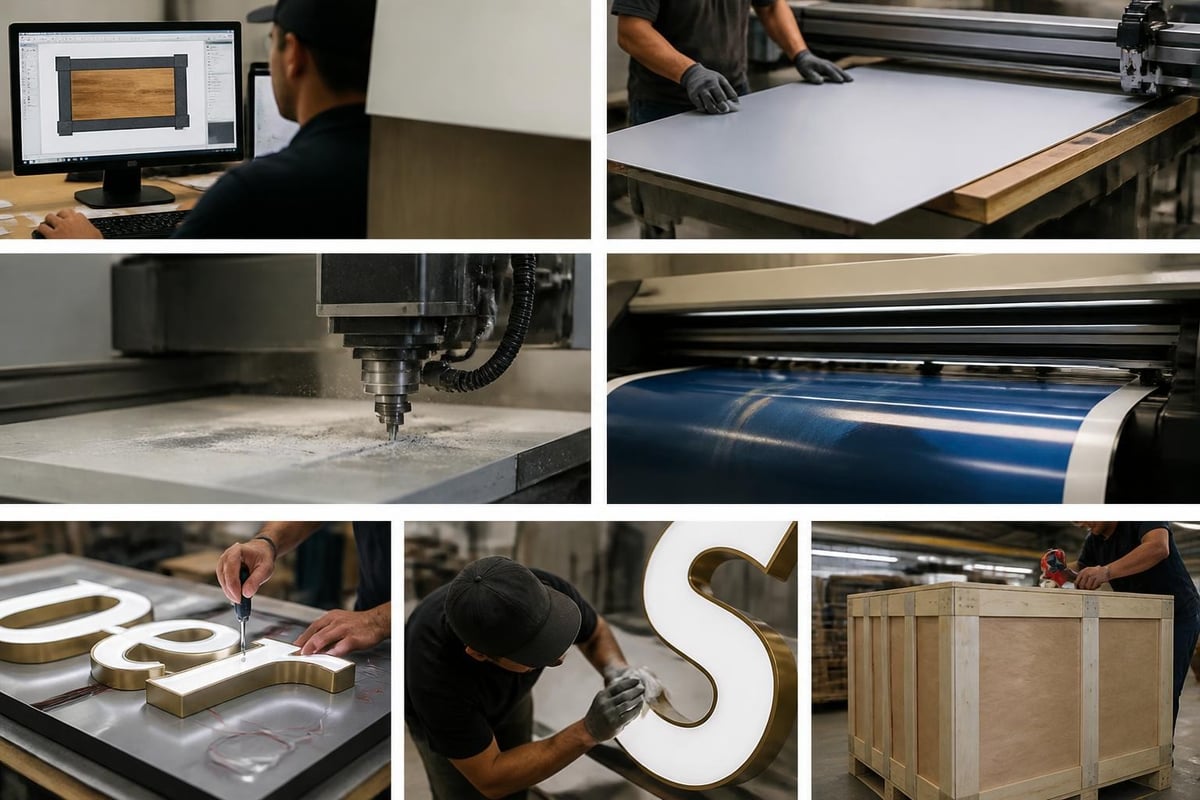
Modern sign shops employ diverse manufacturing technologies to produce signage with precision and consistency. CNC routing machines cut substrate materials to exact specifications, whilst laser engravers add fine detail and texture. Large-format printers produce full-colour graphics at high resolution, and LED modules create energy-efficient illumination.
Digital printing has revolutionised sign production. UV-curable inks bond directly to substrates, eliminating the need for separate vinyl application in many applications. This technology enables photographic quality reproduction and complex gradients previously unattainable in traditional sign making.
Fabrication techniques vary according to sign type and mounting requirements. Channel letters receive individual LED modules and are wired for illumination, whilst flat-cut letters may be mounted with studs or adhesive depending on substrate and location. Professional signage installation ensures structural integrity and proper electrical connections where applicable.
Illumination Options for Enhanced Visibility
Illuminated sign shop signs extend visibility beyond daylight hours and create dramatic visual impact. Several illumination methods offer distinct advantages:
- Front-lit systems direct light onto sign faces from external sources
- Back-lit configurations create halo effects with light emanating from behind
- Internal illumination places light sources within channel letters or cabinet signs
- Edge-lit acrylic uses LED strips to illuminate panel edges
- Digital signage displays dynamic content through LED screens
Energy efficiency considerations favour LED technology across all illumination applications. LEDs consume substantially less power than fluorescent or neon alternatives whilst providing superior brightness and extended operational life.
Industry-Specific Signage Requirements
Different sectors impose unique demands on sign shop signs, requiring tailored approaches to design and production. Corporate environments typically prioritise sophistication and brand consistency, favouring refined typography and premium materials. Retail locations emphasise attention-grabbing designs that communicate promotions and guide traffic flow.
The pharmaceutical industry faces stringent regulatory requirements for signage, including specific colour coding, hazard warnings, and accessibility standards. Safety signage compliance becomes particularly critical in these environments where signs communicate essential health and safety information.
Construction sites require temporary signage that withstands harsh conditions whilst maintaining legibility. Corrugated plastic boards, mesh banners, and reflective films address these demanding applications effectively.
Retail Signage Strategies
Retail environments benefit from layered signage systems that address multiple customer touchpoints:
- Exterior identification establishes brand presence and attracts passing traffic
- Window graphics communicate offers and create visual interest
- Wayfinding elements guide customers through complex layouts
- Point-of-purchase displays influence buying decisions at critical moments
- Retail store digital signage delivers dynamic messaging and promotional content
Strategic placement of sign shop signs throughout retail spaces creates natural navigation patterns whilst highlighting key merchandise areas and promotional zones.
Regulatory Compliance and Permitting
Sign installation often requires municipal approval, with signage regulations varying significantly by jurisdiction. Councils typically regulate sign dimensions, illumination levels, setback distances, and structural requirements. Historical districts may impose additional restrictions on materials and design styles.
Permit applications should precede fabrication. Design modifications requested during permit review can necessitate costly rework if signs are produced prematurely. Professional sign shops navigate regulatory requirements as part of their service offering, ensuring compliance whilst maximising allowable impact.
Height restrictions particularly affect large-format installations like pylon signage, which provides excellent visibility for businesses set back from roadways. Understanding pylons requirements for council approval streamlines the permitting process and prevents expensive delays.
Cost Considerations and Budget Planning
Sign shop signs represent significant investments, with pricing influenced by multiple factors. Size remains the primary cost driver, as material and labour requirements scale with dimensions. Complexity adds expense through increased design time, intricate fabrication requirements, and specialised installation needs.
| Cost Factor | Impact Level | Considerations |
|---|---|---|
| Sign Size | High | Material costs and installation complexity increase proportionally |
| Illumination | Moderate-High | Electrical components and installation add substantial expense |
| Material Choice | Moderate | Premium substrates command higher prices but offer extended longevity |
| Customisation | Moderate | Unique designs require additional design and fabrication time |
| Installation Complexity | Variable | Difficult access or structural requirements increase labour costs |
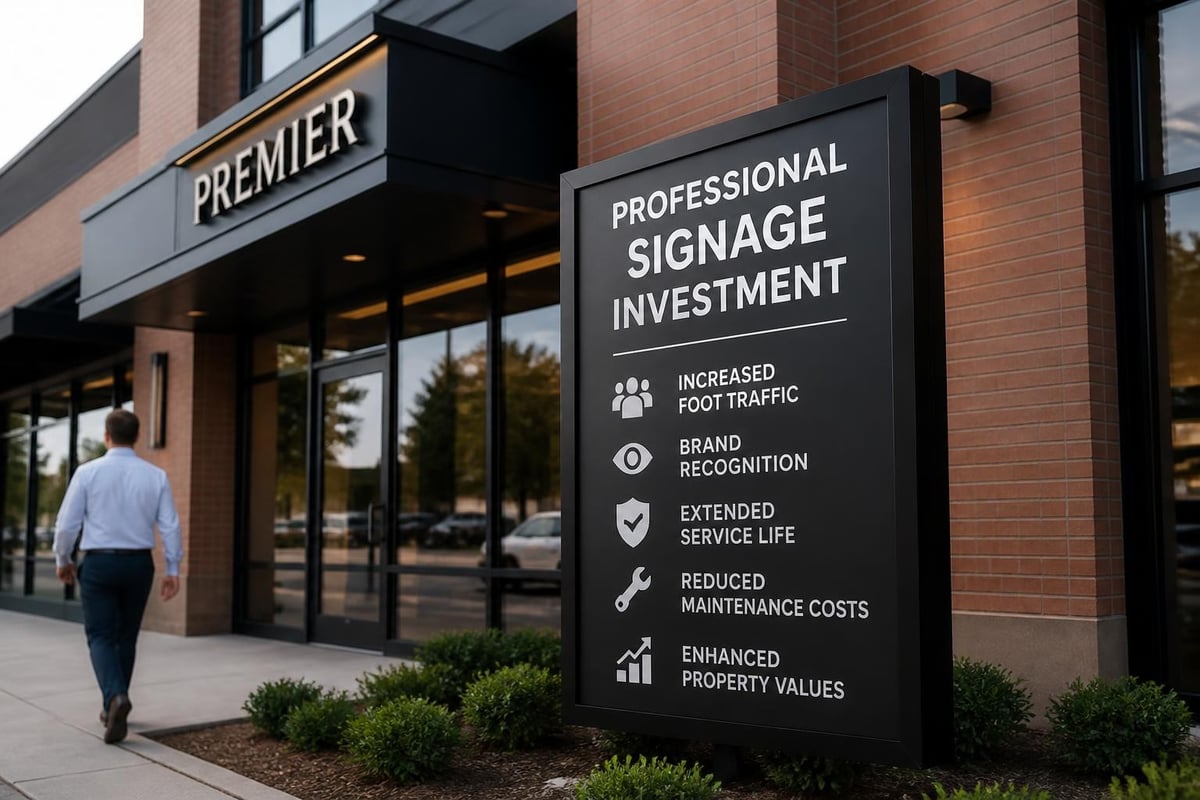
Understanding signage investment from a business perspective helps frame costs within broader marketing and facility improvement budgets. Quality signage delivers returns through enhanced visibility, brand recognition, and customer attraction over extended service lives.
Balancing Quality and Budget Constraints
Budget limitations need not compromise signage effectiveness when approached strategically. Phased implementation allows businesses to prioritise high-impact locations whilst planning future expansions. Material substitutions can reduce costs without sacrificing visual appeal in appropriate applications.
Value engineering identifies cost savings without performance degradation. Experienced sign shops recommend alternatives that achieve client objectives within financial constraints, perhaps suggesting vinyl graphics instead of dimensional letters for certain applications or LED illumination instead of neon.
Maintenance and Longevity Optimisation
Sign shop signs require ongoing maintenance to preserve appearance and functionality throughout their service lives. Regular signage maintenance prevents minor issues from escalating into costly repairs or premature replacement needs.
Cleaning schedules depend on environmental exposure and sign type. Urban locations with higher pollution levels demand more frequent cleaning than rural settings. Illuminated signs benefit from periodic lamp or LED inspections to ensure consistent brightness across all elements.
Common Maintenance Tasks and Frequencies
- Monthly visual inspections for damage or deterioration
- Quarterly cleaning of sign faces and lighting elements
- Bi-annual electrical system checks for illuminated installations
- Annual structural assessments for large or complex installations
- Immediate attention to vandalism or weather damage
Protective coatings applied during manufacturing extend substrate life by resisting UV degradation, moisture penetration, and chemical exposure. Anti-graffiti laminates enable easy removal of vandalism without damaging underlying graphics.
Emerging Trends in Sign Production
The signage industry continues evolving through technological advancement and changing aesthetic preferences. Sustainability considerations increasingly influence material selection, with recyclable substrates and low-VOC inks gaining prominence. Energy-efficient LED systems have become standard rather than optional for illuminated sign shop signs.
Current signage design trends reflect broader movements towards minimalism, with clean typography and simplified graphics replacing cluttered layouts. Three-dimensional elements add depth and visual interest, with 3D signage creating sophisticated brand statements through dimensional letterforms and layered construction.
Digital integration enables dynamic content updates without physical sign replacement. Electronic message centres and video displays complement traditional static signage, offering flexibility for businesses with frequently changing messaging needs.
Strategic Planning for Sign Projects
Successful sign shop signs result from thorough planning that addresses both immediate requirements and future considerations. Choosing the right signage for your business begins with clear objective definition and audience analysis.
Site surveys identify optimal placement locations based on traffic patterns, viewing angles, and visibility from key approaches. Obstructions like trees, buildings, or competing visual elements influence design decisions and mounting specifications.
Timeline planning prevents rushed decisions. Permit processing, manufacturing lead times, and installation scheduling require coordination, particularly for projects involving multiple sign types or locations. Professional sign shops provide realistic timelines that account for all project phases from concept through completion.
Brand consistency across multiple locations demands documented specifications and quality control measures. Franchise operations and multi-site businesses benefit from standardised designs that maintain recognition whilst allowing appropriate customisation for local conditions.
Professional sign shop signs deliver measurable business benefits through enhanced visibility, brand reinforcement, and customer guidance when designed and manufactured to exacting standards. The combination of strategic design, quality materials, and expert fabrication creates signage solutions that perform reliably across years of service. Signs4SA brings comprehensive expertise in signage design, manufacturing, and installation to businesses throughout South Africa, offering bespoke solutions supported by skilled professionals and national service capabilities. Whether you require corporate identification, retail displays, or industry-specific safety signage, our team delivers quality results that elevate your brand presence and guide your customers effectively.