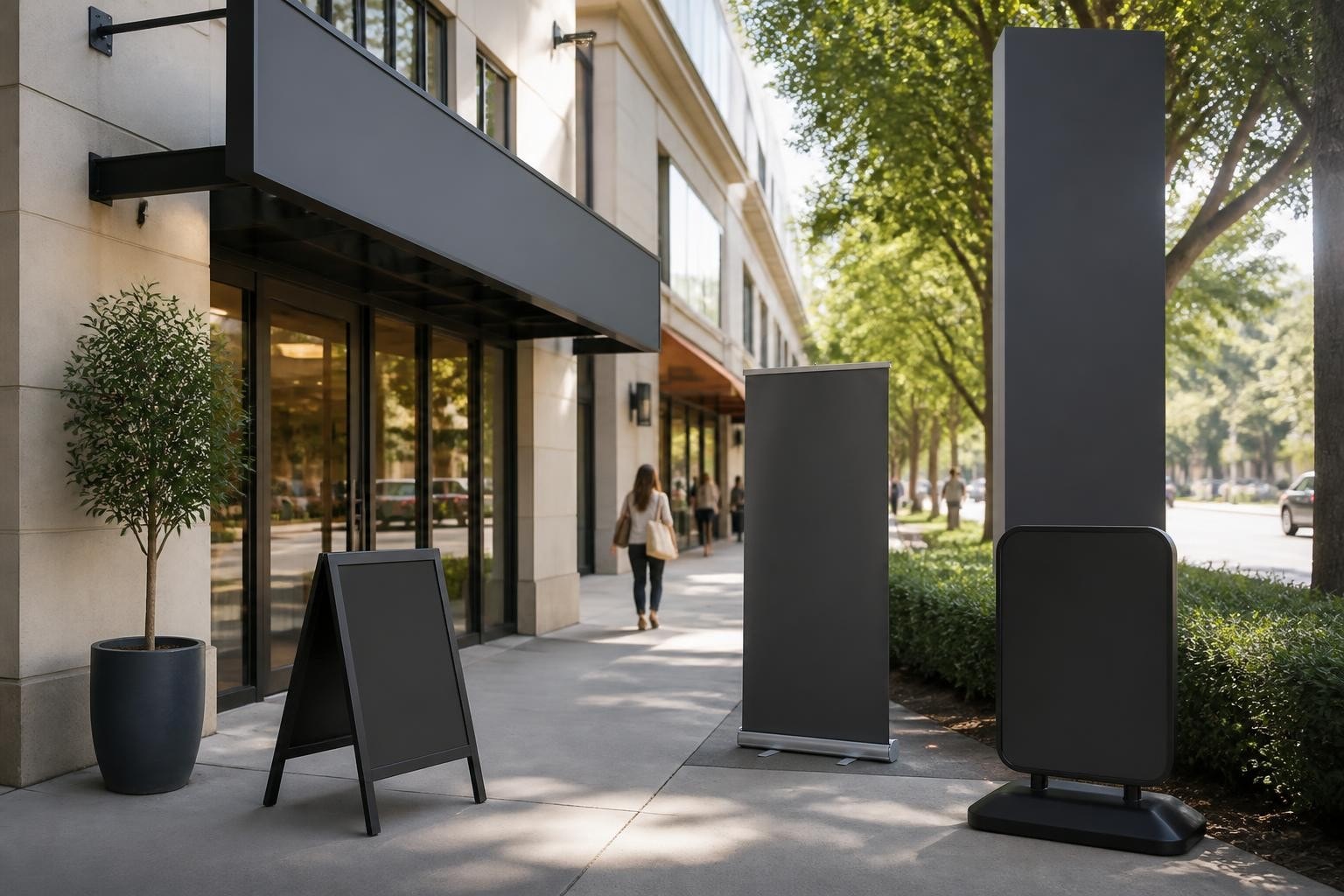


Pylons for Council Approval
Pylon signs for on-premises advertising require approval from local municipalities. Getting council approval for your pylon sign is essential before installation to ensure compliance with safety regulations, zoning laws, and aesthetic standards. At Signs4sa, we help businesses navigate the complex council approval process, ensuring your pylon sign meets all requirements and is installed without costly delays or penalties.
Pylon signs are tall, freestanding structures that provide excellent visibility for businesses located near major roads or in commercial developments. However, due to their height and visual impact, they are subject to strict municipal regulations. Securing council approval is not just a legal requirement — it's a critical step in protecting your investment and ensuring your signage project proceeds smoothly.
Why Council Approval Matters for Pylon Signs
Council approval ensures your pylon sign meets all safety and aesthetic requirements. Each municipality has specific regulations regarding pylon sign height, size, illumination, and placement. Failing to obtain proper approval can result in fines, forced removal of the sign, and project delays that cost both time and money.
In addition to legal compliance, council approval provides peace of mind that your pylon sign has been reviewed for safety, structural integrity, and visual impact on the surrounding community. This process protects both your business and the public.
Key Reasons for Council Approval
- Safety compliance – Ensures structural integrity and public safety
- Legal protection – Avoids fines, penalties, and removal orders
- Aesthetic standards – Maintains community appearance and zoning harmony
- Property value protection – Prevents negative impact on surrounding properties
- Insurance requirements – May be required for liability coverage
Understanding Pylon Sign Regulations
Pylon sign regulations vary by municipality, but there are common requirements that apply across most areas. Understanding these regulations is the first step toward a successful approval process.
Common Regulatory Requirements
- Height restrictions – Maximum height limits to prevent visual obstruction
- Size limitations – Maximum sign face dimensions
- Setback requirements – Minimum distance from roads, sidewalks, and property lines
- Illumination rules – Restrictions on brightness, colour, and light direction
- Design guidelines – Architectural and aesthetic standards
- Traffic safety – Ensuring signs do not obstruct driver visibility
How to Get Pylon Sign Approval
Securing council approval for your pylon sign requires careful planning, documentation, and communication with local authorities. Follow this step-by-step guide to navigate the process successfully.
Step-by-Step Approval Process
- Contact your local municipality's planning department – Reach out to understand specific requirements, application forms, and fees for your area.
- Submit detailed plans – Provide comprehensive documentation, including site plans, sign dimensions, structural calculations, and installation specifications.
- Provide structural calculations – Engineering reports confirming the sign can withstand wind loads and other environmental factors.
- Include lighting specifications – Details on illumination type, brightness, and direction to prevent light pollution.
- Submit for review – Council officials will evaluate your application for compliance with all regulations.
- Attend inspections (if required) – Council may conduct site inspections before granting final approval.
- Receive approval and install – Once approved, proceed with installation in accordance with the approved plans.
Documents Required for Pylon Sign Approval
Proper documentation is essential for a smooth approval process. The following documents are typically required when applying for pylon sign council approval.
- Site location plan – A map showing the exact location of the pylon sign on your property
- Elevation drawings – Detailed front, side, and rear views of the sign
- Structural calculations – Engineering reports confirming wind load and structural integrity
- Lighting specifications – Details on illumination type, brightness, and direction
- Material specifications – Information on the materials used for construction
- Colour and design renderings – Visual representations of the finished sign
- Property owner consent – Written permission if you are not the property owner
Common Challenges in Obtaining Pylon Sign Approval
Navigating the council approval process for pylon signs can be challenging. Being aware of common obstacles helps you prepare effectively and avoid delays.
Potential Hurdles and How to Overcome Them
- Incomplete applications – Ensure all required documents are submitted to avoid processing delays
- Height and size restrictions – Work within municipal limits or apply for a variance
- Traffic safety concerns – Demonstrate that your sign does not obstruct driver visibility
- Neighbourhood objections – Address concerns from nearby businesses or residents proactively
- Heritage or conservation areas – Follow additional guidelines for protected zones
- Changing regulations – Stay updated on local bylaw amendments that may affect your application
Types of Pylon Signs Requiring Council Approval
Various types of pylon signs may require council approval depending on their size, height, and location. Understanding which signs are subject to regulation helps you plan accordingly.
Approval-Required Pylon Signs
- Monument pylon signs – Ground-mounted signs with a solid base
- Pole pylon signs – Signs mounted on one or more poles
- Illuminated pylon signs – Signs with internal or external lighting
- Multi-tenant pylon signs – Signs listing multiple businesses
- Digital pylon signs – Signs with LED or digital display technology
Pylon Signs vs. Other Freestanding Signage
| Feature | Pylon Signs | Monument Signs | Directional Signs |
|---|---|---|---|
| Height | Tall, high visibility | Low to ground | Varies |
| Visibility | Excellent from a distance | Limited to immediate area | Moderate |
| Approval complexity | High | Moderate | Low |
| Multi-tenant | Yes | Limited | No |
Tips for a Successful Pylon Sign Approval Application
Follow these best practices to increase your chances of a smooth, successful council approval process.
- Start early – The approval process can take several weeks or months, so plan ahead.
- Consult with experts – Work with a signage company experienced in council approvals.
- Review local bylaws – Understand the specific regulations in your municipality.
- Prepare thorough documentation – Submit complete, accurate plans and calculations.
- Communicate with council officials – Build a positive relationship with the planning department.
- Address concerns proactively – Anticipate and resolve potential objections early.
Why Choose Signs4sa for Your Pylon Sign Approval
At Signs4sa, we understand the complexities of pylon sign council approvals. Our experienced team provides end-to-end support, simplifying the process and ensuring your signage is compliant, professional, and project-ready.
What Sets Us Apart
- Regulatory expertise – In-depth knowledge of local bylaws and approval requirements
- End-to-end service – From design to installation, we handle everything
- Quality materials – Compliant signage built to last
- Professional documentation – Comprehensive plans and calculations
- Timely delivery – Meeting project deadlines and approval timeframes
- Competitive pricing – Affordable solutions without compromising compliance
Get Started with Pylon Sign Council Approval Today
Don't let compliance delays hold up your pylon sign project. Contact Signs4sa today for expert guidance on pylon sign council approval. Our team will help you navigate the process efficiently and professionally, ensuring your signage is fully compliant and ready for installation.
Call us or request a quote online to get started on your pylon sign approval project.