

Company Sign Board: Expert Guide to Business Signage
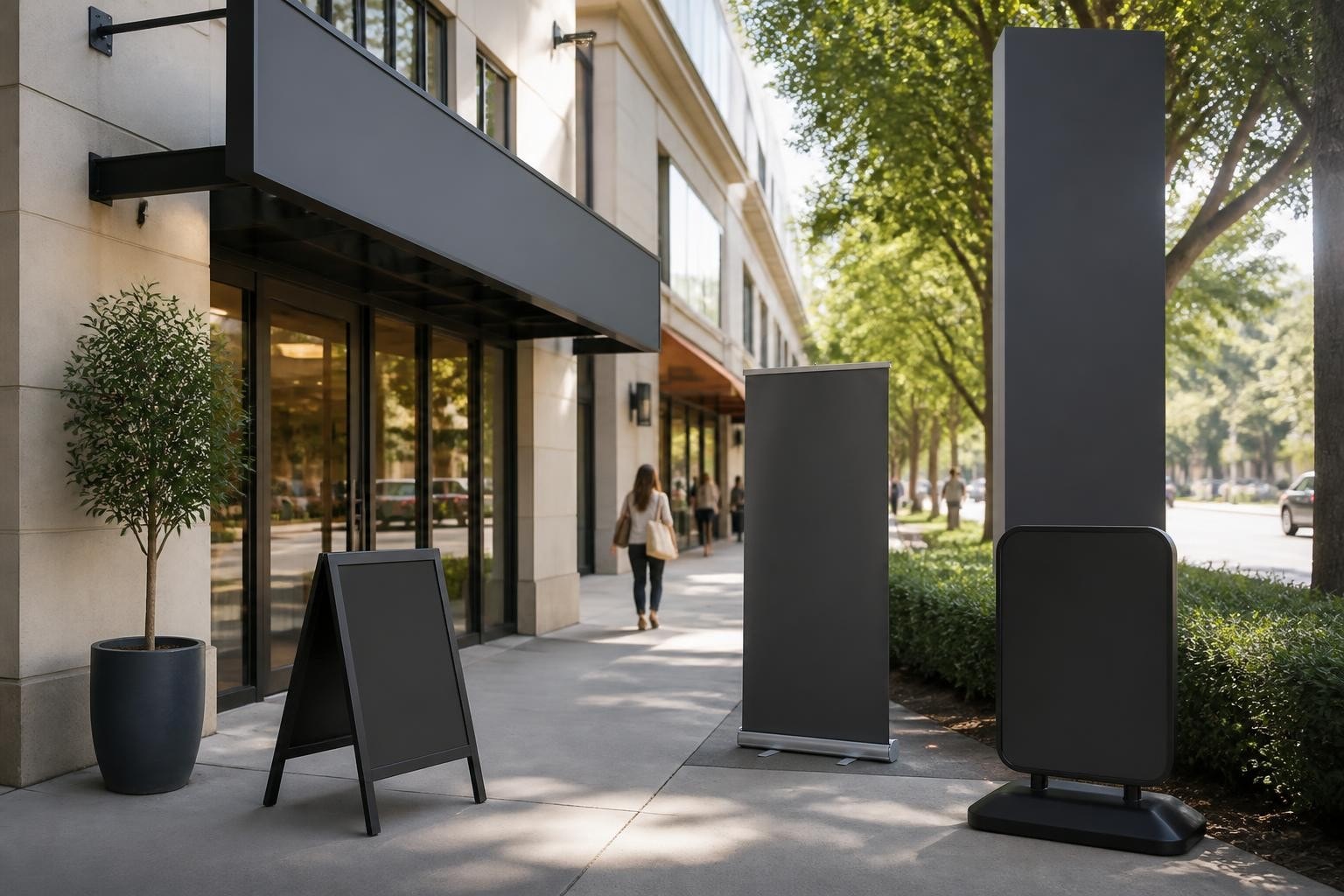
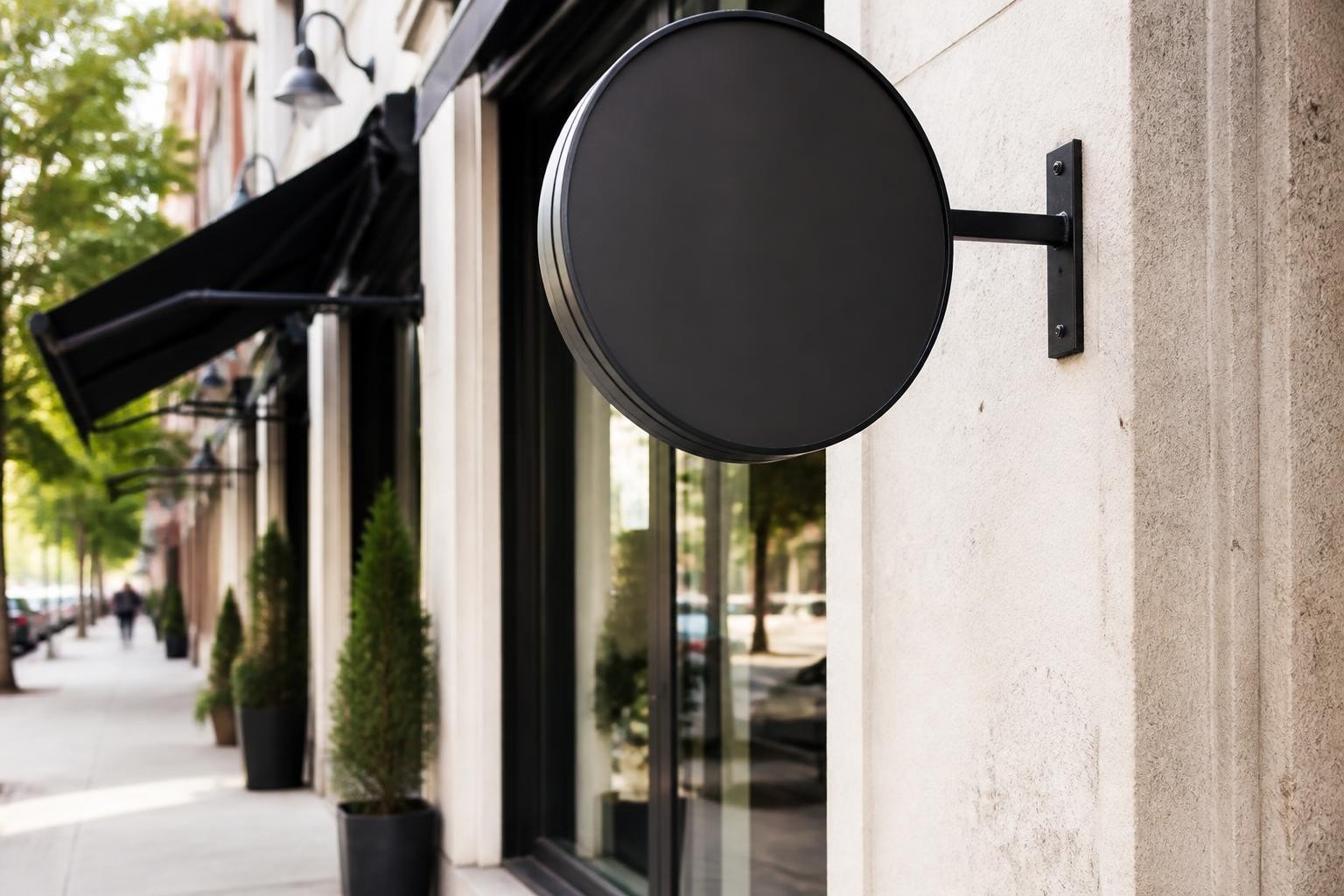
A company sign board serves as the visual cornerstone of your business identity, functioning as a silent ambassador that works around the clock to communicate your brand message, attract customers, and establish market presence. Whether mounted on a building facade, displayed at street level, or elevated on a pylon structure, this critical marketing asset bridges the gap between your business and potential clients. For organisations across corporate, retail, construction, and pharmaceutical sectors, investing in professionally designed and manufactured signage represents a strategic decision that delivers measurable returns through enhanced visibility, credibility, and customer acquisition. Understanding the nuances of company sign board selection, design, installation, and maintenance empowers business owners to make informed decisions that align with regulatory requirements whilst maximising visual impact.
Understanding Company Sign Board Fundamentals
The modern company sign board extends far beyond simple name display. It encompasses a comprehensive communication system that conveys brand personality, professional standards, and market positioning through strategic design choices.
Primary Functions and Business Objectives
Every company sign board fulfills multiple simultaneous roles within your marketing ecosystem. The primary function centres on identification, ensuring customers and visitors can locate your business premises quickly and confidently. Beyond basic wayfinding, these installations communicate brand values through material selection, colour schemes, typography, and overall design sophistication.
Key business functions include:
- Brand recognition and visual identity reinforcement
- Customer acquisition through enhanced street presence
- Property value enhancement for owned premises
- Regulatory compliance and permitting requirements
- Competitive differentiation in crowded marketplaces
Research demonstrates that effective signage directly influences foot traffic and purchase decisions. Studies within the transportation sector highlight how illuminated sign conspicuity affects visibility and recognition, principles equally applicable to commercial installations.
The investment in quality signage pays dividends across your operational lifespan. Businesses that prioritise professional installation and premium materials consistently report higher customer engagement and improved market perception compared to competitors with inferior signage solutions.
Material Selection and Durability Considerations
Choosing appropriate materials for your company sign board directly impacts longevity, maintenance requirements, and visual effectiveness across South African climate conditions. The decision process requires balancing aesthetic preferences against practical considerations including budget constraints, environmental exposure, and maintenance capabilities.
Contemporary Material Options
| Material Type | Typical Lifespan | Weather Resistance | Maintenance Level | Cost Range |
|---|---|---|---|---|
| Aluminium Composite | 10-15 years | Excellent | Low | Medium-High |
| Acrylic (Perspex) | 7-10 years | Very Good | Medium | Medium |
| Stainless Steel | 15-20+ years | Outstanding | Low | High |
| Vinyl on Substrate | 5-7 years | Good | Medium-High | Low-Medium |
| LED-Illuminated | 8-12 years | Good-Excellent | Medium | High |
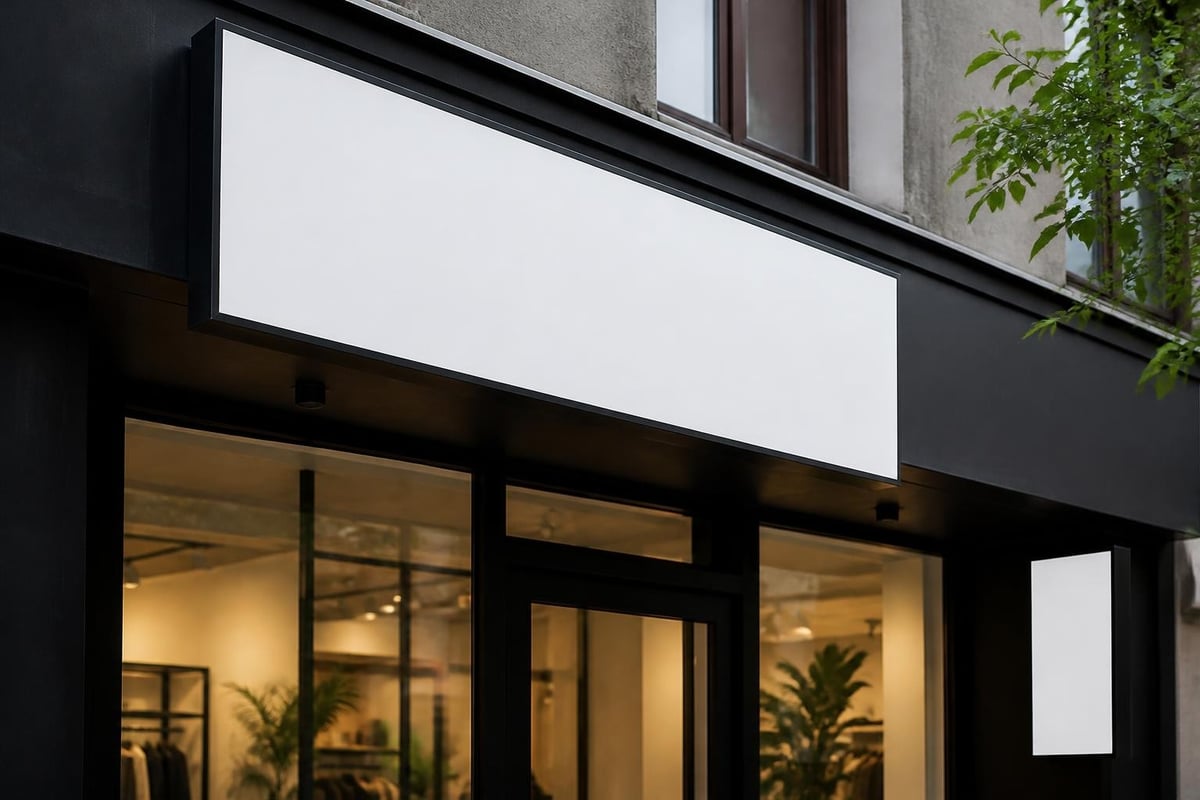
Aluminium composite panels represent the industry standard for exterior company sign board applications. These lightweight yet robust materials resist corrosion, maintain colour integrity under intense UV exposure, and offer excellent printability for complex graphics and branding elements.
Acrylic substrates deliver exceptional clarity for illuminated applications. When combined with LED technology, these materials create eye-catching displays that maintain visibility during evening hours whilst consuming minimal electrical power. For businesses seeking maximum impact, exploring Digital Signage options provides dynamic content capabilities that traditional static installations cannot match.
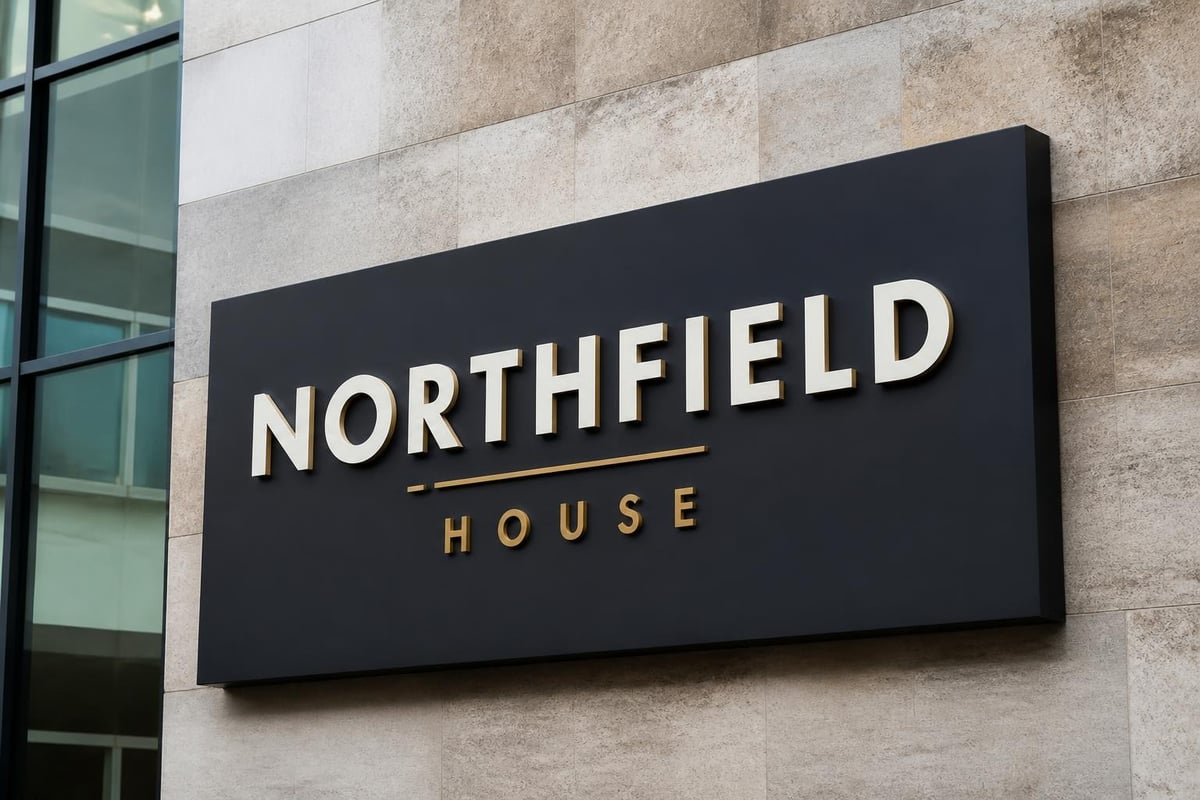
Stainless steel conveys premium positioning and architectural sophistication. Financial institutions, medical facilities, and corporate headquarters frequently specify brushed or polished steel for dimensional lettering and logo reproduction. The material's inherent durability justifies higher initial investment through reduced replacement frequency and minimal maintenance requirements.
Environmental considerations increasingly influence material selection decisions. The IUCN guidance on outdoor lighting and light pollution emphasises responsible illumination practices, encouraging businesses to specify efficient LED systems and appropriate brightness levels that enhance visibility without contributing to unnecessary light pollution.
Design Principles for Maximum Impact
Effective company sign board design balances aesthetic appeal with functional communication requirements. The visual hierarchy, colour psychology, typography selection, and spatial arrangement collectively determine whether your signage successfully captures attention and communicates intended messages.
Typography and Readability Standards
Font selection directly influences legibility across varying viewing distances and lighting conditions. Sans-serif typefaces generally provide superior readability for exterior applications, with letterforms that maintain clarity when viewed from oblique angles or at speed.
Typography best practices include:
- Minimum letter height calculations based on viewing distance
- Contrast ratios exceeding 70% between text and background
- Character spacing optimised for long-distance recognition
- Weight consistency across primary and secondary text elements
- Brand alignment whilst prioritising functional clarity
The ADA Standards for Accessible Design provide comprehensive guidance on tactile signage, character proportions, and finish specifications. Whilst developed for US applications, these standards represent global best practice for inclusive design approaches that enhance usability for all customers regardless of visual capabilities.
Colour selection extends beyond brand palette considerations. High-contrast combinations ensure legibility across varying ambient light conditions, from harsh midday sunlight to low-light evening scenarios. The psychology of colour influences emotional responses, with specific hues triggering associations with trustworthiness, innovation, or environmental responsibility depending on your strategic positioning.
Illumination Technologies and Applications
Modern illumination transforms company sign board functionality, extending visibility hours and creating dramatic visual impact that distinguishes your business within competitive landscapes. Technology advances have democratised access to professional lighting solutions whilst improving energy efficiency and reducing operational costs.
LED Integration and Brightness Management
LED technology dominates contemporary illuminated signage applications. These solid-state lighting solutions deliver exceptional longevity, typically exceeding 50,000 operational hours before requiring replacement. Energy consumption drops by 70-80% compared to traditional fluorescent or neon alternatives, translating into substantial savings across multi-year operational periods.
Brightness calibration requires careful consideration. Excessive luminance creates glare that diminishes rather than enhances visibility whilst contributing to light pollution concerns. The International Sign Association's EMC brightness-level recommendations establish industry benchmarks that balance visibility requirements against environmental responsibility and community relations.
Illumination options to consider:
- Front-illuminated: Direct LED lighting onto sign face
- Back-illuminated (halo): Creates sophisticated glow effect
- Edge-lit: Acrylic panels with perimeter LED strips
- Internal cabinet: Traditional light box construction
- Spot-lighting: External fixtures highlighting dimensional elements
Technical research including NIST studies on LED luminous intensity informs appropriate specifications for various installation contexts. Understanding photometric principles ensures your company sign board achieves intended visibility without exceeding regulatory limits or creating neighbourhood nuisances.
For businesses seeking comprehensive guidance on illuminated solutions, resources covering LED signage benefits provide detailed comparisons and implementation considerations specific to South African market conditions.
Regulatory Compliance and Permitting Requirements
Navigating municipal regulations represents a critical phase in company sign board project planning. Local authorities establish frameworks governing signage dimensions, placement, illumination levels, and aesthetic standards designed to maintain visual cohesion whilst protecting community interests.
South African Municipal Frameworks
Each municipality administers unique by-laws addressing commercial signage installations. Metropolitan areas including Johannesburg, Cape Town, Durban, and Pretoria maintain detailed zoning codes that specify permitted sign types, maximum sizes, setback requirements, and approval processes.
Common regulatory considerations:
- Zoning classification and permitted signage types
- Maximum display area calculations
- Height restrictions and clearance requirements
- Illumination specifications and curfew hours
- Heritage area restrictions and aesthetic guidelines
Understanding signage regulations and permits in South Africa prevents costly delays and potential enforcement actions. Professional signage manufacturers maintain current knowledge of regional requirements and often manage the permitting process as part of comprehensive project delivery.
The application process typically requires detailed drawings, structural calculations, electrical certification, and landlord approvals where applicable. Processing timelines vary considerably between municipalities, ranging from two weeks for straightforward applications to several months for complex installations requiring heritage committee review or variance approvals.
Building-mounted installations demand structural assessments confirming adequate load-bearing capacity. Wind loading calculations account for local climatic conditions, ensuring company sign board installations withstand extreme weather events without compromising building integrity or public safety.
Installation Methods and Structural Considerations
Professional installation separates temporary signage from permanent brand assets that deliver decades of reliable service. The mounting method selected must account for substrate material, building construction, environmental exposure, and maintenance access requirements.
Attachment Systems and Mounting Hardware
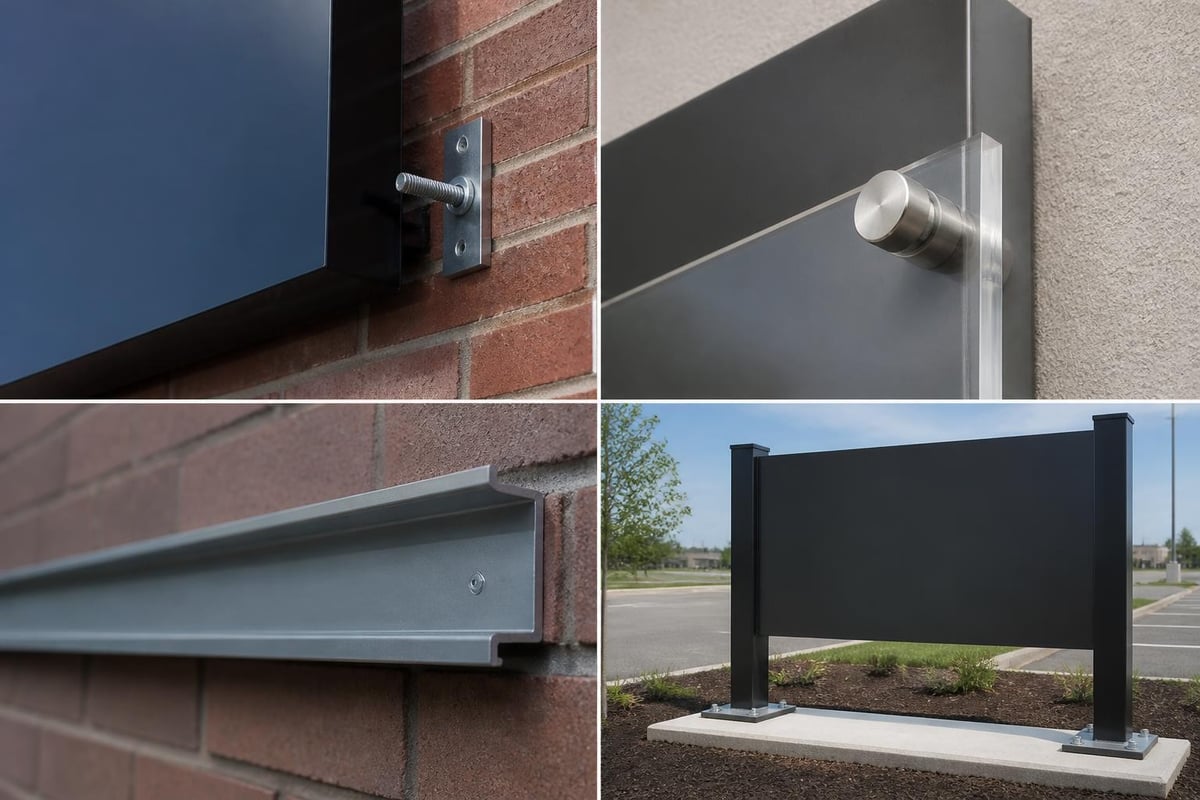
Different building facades require specific mounting approaches. Masonry and concrete structures accept through-bolt installations that provide maximum security and load distribution. Curtain wall systems necessitate specialised brackets that interface with structural framing without compromising weather sealing or thermal performance.
| Mounting Method | Suitable Substrates | Installation Complexity | Typical Applications |
|---|---|---|---|
| Through-bolt | Masonry, Concrete | Medium | Building-mounted letters, panels |
| Standoff | Various | Low-Medium | Dimensional signage, acrylic panels |
| Raceway | Metal, Composite | Medium-High | Channel letters, linear installations |
| Post-mounted | Ground installation | High | Freestanding monuments, directional signs |
| Suspended | Structural ceiling | High | Interior wayfinding, retail environments |
Freestanding company sign board installations including monument signs and Pylon Signage require engineered foundations designed to local geotechnical conditions. These structures resist wind loads, prevent settlement, and accommodate electrical service connections for illuminated applications.
The importance of professional signage installation cannot be overstated. Improper mounting techniques void warranties, create liability exposure, and frequently necessitate complete reinstallation at substantial additional cost. Qualified installers carry appropriate insurance coverage, employ certified tradespeople, and comply with electrical and building codes throughout project execution.
Maintenance Strategies for Longevity
Proactive maintenance preserves company sign board appearance and functionality whilst protecting your signage investment. Environmental factors including UV exposure, temperature fluctuations, moisture infiltration, and atmospheric pollutants gradually degrade materials and finishes without appropriate care protocols.
Preventive Maintenance Schedules
Establishing routine inspection and cleaning schedules prevents minor issues from escalating into expensive repairs or premature replacement requirements. Quarterly visual assessments identify early warning signs including fastener corrosion, seal degradation, or electrical component failures.
Essential maintenance activities:
- Quarterly cleaning with appropriate solutions for specific materials
- Annual electrical inspections for illuminated installations
- Bi-annual structural assessments of mounting hardware
- Immediate repair of damaged components or finishes
- Vegetation management preventing obstruction or moisture retention
Professional signage maintenance programmes offer scheduled servicing that extends operational lifespan whilst maintaining optimal visual presentation. These services typically include cleaning, lamp replacement, minor repairs, and documentation supporting asset management and compliance reporting.
Illuminated company sign board installations require particular attention to electrical components. LED drivers eventually fail, requiring replacement to maintain consistent illumination. Timer systems, photocells, and emergency battery backups demand periodic testing confirming proper operation and code compliance.
Environmental conditions influence maintenance frequency. Coastal installations face accelerated corrosion from salt-laden atmospheres, necessitating more frequent cleaning and protective coating renewal. Industrial areas expose signage to chemical pollutants and particulate matter that accumulate on surfaces and degrade finishes.
Strategic Placement and Visibility Optimisation
Even brilliantly designed company sign board installations fail without strategic placement that maximises exposure to target audiences. Visibility analysis accounts for traffic patterns, viewing angles, sight lines, and environmental obstructions that influence recognition and recall.
Traffic Pattern Analysis
Understanding vehicular and pedestrian movement patterns informs optimal sign positioning. High-traffic thoroughfares offer maximum exposure but create challenges including brief viewing windows and acute observation angles. Secondary locations may provide longer dwell times enabling more complex messaging and detailed brand communication.
Visibility factors to evaluate:
- Average traffic volumes and peak period concentrations
- Vehicle speeds and available reaction distances
- Pedestrian pathways and crossing points
- Competing visual elements and signage clutter
- Seasonal vegetation growth and sight line obstruction
Right-angle viewing provides optimal legibility, though real-world installations rarely achieve this ideal geometry. Signage visible to approaching traffic requires careful dimensional calculation ensuring letterforms remain distinguishable at speeds and distances typical for the installation location.
Multiple sign locations often prove necessary for complex sites. Primary identification signage establishes street presence whilst secondary directional elements guide customers through parking areas to building entrances. This layered approach creates seamless wayfinding experiences that reduce confusion and improve first-time visitor success rates.
Resources covering how to choose the right outdoor signage provide frameworks for evaluating location options and matching signage types to specific visibility requirements and business objectives.
Return on Investment and Performance Measurement
Quantifying company sign board performance justifies investment decisions and informs future marketing allocations. Unlike digital advertising with built-in analytics, physical signage requires deliberate measurement strategies capturing impact across awareness, consideration, and conversion stages.
Attribution and Performance Metrics
Direct attribution proves challenging for signage investments operating within integrated marketing ecosystems. Customer surveys represent the most reliable measurement approach, with new client intake questionnaires specifically querying awareness sources and location identification methods.
| Measurement Approach | Data Captured | Implementation Complexity | Accuracy Level |
|---|---|---|---|
| Customer surveys | Awareness source | Low | Medium-High |
| Promotional codes | Sign-driven traffic | Low | High |
| Traffic counts | Exposure volume | Medium | Medium |
| Sales correlation | Period-over-period change | Low | Low-Medium |
| Digital engagement | Website/phone spikes | Medium | Medium |
Establishing baseline metrics before installation enables meaningful comparison. Tracking foot traffic, inquiry volumes, and sales patterns creates control data against which post-installation performance can be evaluated. Significant increases correlating with signage deployment suggest positive impact, though isolating causation from broader market factors requires careful analysis.
Long-term value extends beyond immediate customer acquisition. Company sign board installations operating 24 hours daily, 365 days annually, deliver impression volumes that quickly surpass alternative advertising channels. Cost-per-impression calculations frequently demonstrate superior efficiency compared to digital advertising, broadcast media, or print placements.
For comprehensive analysis of signage value creation, exploring resources on understanding signage investment for businesses provides frameworks for financial evaluation and performance benchmarking across industry sectors.
Industry-Specific Applications and Requirements
Different business sectors demand tailored company sign board approaches reflecting regulatory environments, customer expectations, and operational contexts. Understanding industry-specific considerations ensures signage solutions align with sector norms whilst supporting strategic differentiation.
Sector-Specific Considerations
Retail environments prioritise eye-catching designs that interrupt visual patterns and capture attention within competitive shopping districts. Promotional messaging integration, seasonal update capabilities, and brand consistency across multiple locations represent key requirements. High-traffic retail signage endures accelerated wear, demanding durable materials and accessible maintenance provisions.
Corporate installations emphasise sophistication and permanence. Financial services, professional practices, and executive office environments favour premium materials including brushed metals, architectural composites, and precision-engineered dimensional elements. Understated elegance typically supersedes attention-grabbing graphics, with brand expression achieved through material quality and fabrication excellence.
Pharmaceutical and medical facilities navigate stringent regulatory frameworks including health department requirements and accessibility standards. The ADA 2010 Standards for Accessible Design establish specific provisions for medical facility wayfinding, room identification, and safety communication that extend beyond general commercial requirements.
Construction sites require temporary yet durable company sign board solutions communicating developer identity, project information, and safety messaging. Weather-resistant materials, secure mounting preventing theft or vandalism, and compliance with municipal temporary signage permits represent essential considerations for this sector.
Guidance on signage solutions for every industry explores sector-specific best practices and regulatory considerations across diverse business categories operating throughout South Africa.
Cost Factors and Budget Planning
Company sign board investment encompasses multiple cost components beyond basic fabrication expenses. Comprehensive budget planning accounts for design services, permitting fees, installation labour, electrical infrastructure, and ongoing maintenance requirements across the signage operational lifespan.
Investment Breakdown and Variables
Material selection significantly influences total project costs. Basic vinyl-on-substrate installations represent entry-level options suitable for temporary applications or budget-constrained scenarios. Mid-tier solutions incorporating aluminium composite panels and LED illumination balance durability against affordability. Premium installations featuring architectural metals, precision fabrication, and sophisticated lighting systems command higher investment but deliver superior longevity and visual impact.
Primary cost drivers include:
- Total sign area and dimensional complexity
- Material specifications and finish requirements
- Illumination technology and electrical infrastructure
- Structural engineering and foundation work
- Municipal permitting and professional fees
- Installation complexity and site access challenges
Size represents the most obvious cost variable, with larger installations requiring more materials and extended fabrication time. However, dimensional signage incorporating individual letters typically costs more per square metre than flat panel alternatives due to increased fabrication complexity and mounting hardware requirements.
For businesses seeking affordable signage in South Africa, exploring value-engineering approaches that maintain visual impact whilst optimising material efficiency provides pathways to professional results within constrained budgets. Detailed cost analysis covering commercial signage investments appears in comprehensive cost guides addressing regional pricing patterns and specification variables.
Installation access significantly affects labour costs. Ground-level mounting enables straightforward installation using basic equipment. Elevated placements requiring scaffolding, aerial lifts, or crane deployment substantially increase installation expenses whilst potentially triggering traffic management requirements and extended project timelines.
Selecting and implementing the right company sign board solution requires balancing aesthetic aspirations against practical considerations including budget, regulations, maintenance capabilities, and strategic objectives. Professional guidance throughout the specification, design, permitting, and installation phases ensures your signage investment delivers maximum impact whilst avoiding costly mistakes that compromise performance or create compliance issues. Signs4SA brings comprehensive expertise across corporate, retail, construction, and pharmaceutical signage applications, delivering bespoke solutions supported by national installation capabilities and ongoing maintenance services that protect your brand investment for years to come.