


Signage Street: Creating Effective Urban Wayfinding
Urban environments thrive on clarity, and nowhere is this more apparent than along a signage street where visual communication guides every movement and decision. The concept of a signage street extends beyond simple directional markers to encompass a comprehensive ecosystem of visual elements that inform, direct, protect, and promote. These carefully orchestrated installations transform ordinary thoroughfares into navigable spaces that serve multiple stakeholders, from pedestrians seeking destinations to businesses establishing their presence. Understanding the intricacies of signage street design, implementation, and compliance ensures that every element works harmoniously to enhance the urban experience whilst maintaining safety and regulatory standards.
Understanding Signage Street Fundamentals
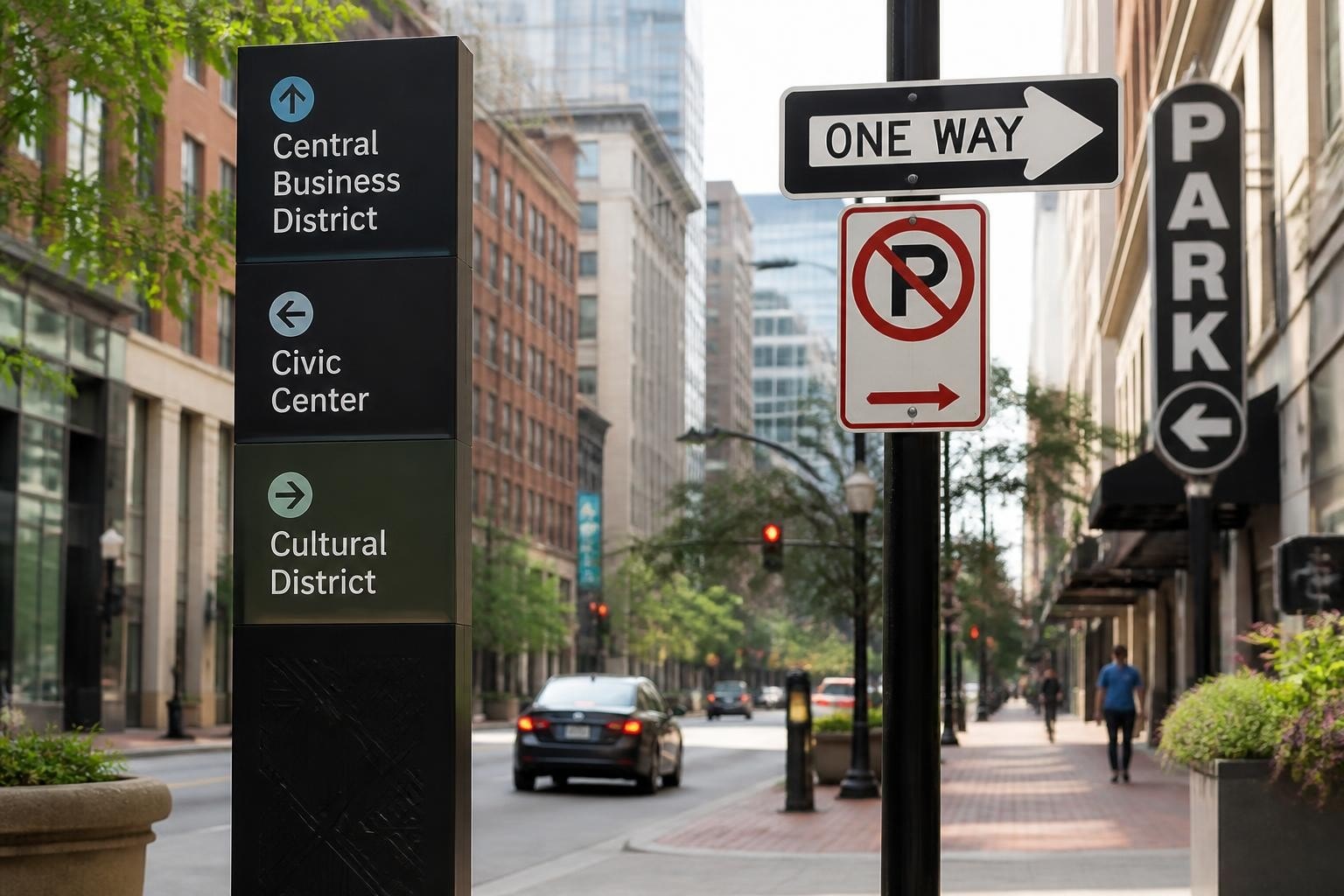
A signage street represents a curated visual environment where multiple sign types coexist to serve distinct yet complementary purposes. These installations range from municipal wayfinding systems and traffic control devices to commercial branding and informational displays.
The effectiveness of any signage street depends on strategic planning that considers sight lines, reading distances, and the cognitive load placed on viewers. Research in urban design demonstrates that well-organized signage systems reduce confusion, improve traffic flow, and enhance overall safety for all road users.
Classification of Street Signage
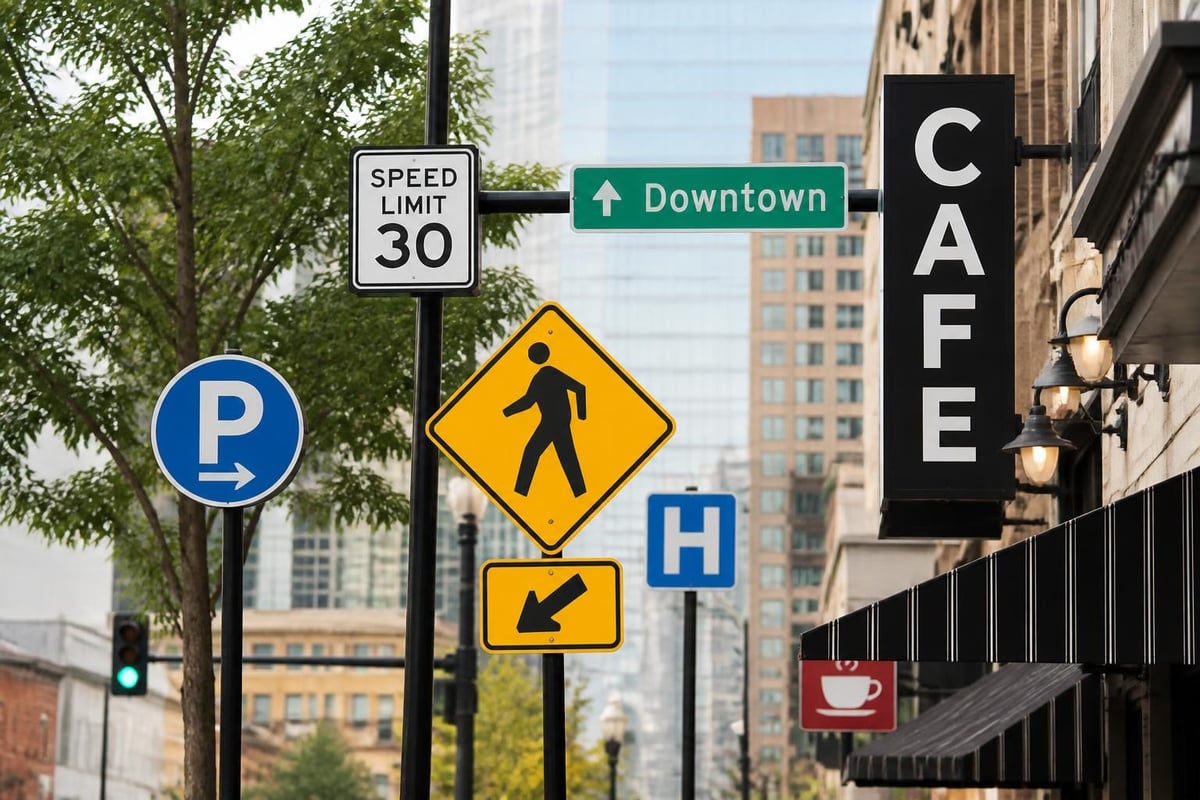
Street signage divides into several functional categories, each serving specific communication needs:
- Regulatory signs communicate legal requirements and restrictions
- Warning signs alert users to potential hazards or changing conditions
- Directional signs guide movement through complex environments
- Informational signs provide context, history, or service locations
- Commercial signs establish business presence and brand identity
| Sign Category | Primary Purpose | Typical Placement | Compliance Requirements |
|---|---|---|---|
| Regulatory | Legal enforcement | Intersection points | Mandated by traffic authorities |
| Warning | Hazard notification | Advance notice zones | Standardized symbols required |
| Directional | Navigation assistance | Decision points | Accessibility standards apply |
| Commercial | Brand visibility | Property frontage | Local zoning regulations |
Design Principles for Effective Street Signage
Creating an effective signage street requires adherence to fundamental design principles that prioritize clarity, consistency, and accessibility. Typography, contrast, and strategic placement form the foundation of legible outdoor communication.
Visibility stands as the paramount consideration. Signs must be readable under varying light conditions, from bright midday sun to evening darkness. This requirement drives material selection, illumination choices, and sizing decisions that ensure 24-hour functionality.
Colour Psychology and Recognition
Colour selection significantly influences how quickly viewers process information and respond to signage street elements. Red universally signals stop or danger, whilst blue typically indicates informational content. Consistency in colour application across a signage street creates predictable patterns that reduce cognitive processing time.
Contrast ratios between text and background must meet minimum standards to ensure legibility. Dark text on light backgrounds or vice versa provides optimal readability, particularly for individuals with visual impairments who rely on clear differentiation.
The strategic use of bold typefaces and appropriate letter sizing ensures readability from required viewing distances. Professional signage manufacturers like Signs4SA understand these technical requirements and incorporate them into bespoke designs.
Material Considerations
Environmental factors heavily influence material selection for signage street installations:
- Weather resistance: Materials must withstand rain, wind, UV exposure, and temperature fluctuations
- Durability: High-traffic areas require robust solutions that maintain appearance despite constant exposure
- Maintenance requirements: Lower maintenance materials reduce long-term operational costs
- Sustainability: Environmentally responsible options align with modern corporate values
- Cost-effectiveness: Balancing initial investment against lifespan delivers optimal value
Modern digital signage solutions offer dynamic content capabilities that traditional static signs cannot match, enabling real-time updates and multiple messages on a single installation.
Regulatory Framework and Compliance
Legal compliance forms a critical component of any signage street project. Federal regulations govern outdoor advertising along highways, establishing parameters for size, lighting, and placement that ensure safety whilst preserving aesthetic values.
Understanding these regulations prevents costly violations and ensures installations receive necessary approvals. Different zones carry distinct requirements, with commercial and industrial areas subject to specific criteria regarding dimensions, illumination, and spacing.
Local Authority Requirements
Municipal authorities maintain additional controls beyond national regulations. These local provisions address community-specific concerns including:
- Historical preservation in heritage areas
- Visual clutter reduction in high-density zones
- Environmental impact assessments
- Public consultation processes for major installations
San Francisco's streetscape guidelines exemplify comprehensive municipal approaches that emphasize strategic placement and design integration whilst minimizing visual pollution.
Businesses must navigate signage regulations and permit requirements carefully to ensure compliance whilst achieving marketing objectives. Professional consultation streamlines this process significantly.

Strategic Placement and Visibility Optimization
Positioning determines whether signage street elements fulfill their intended purpose. Sight distance calculations, viewing angles, and obstruction analysis inform optimal placement decisions.
Decision points represent critical locations where viewers need information to make choices. Intersections, building entrances, and transportation hubs require carefully positioned signage that delivers timely information without overwhelming viewers.
Height and Angle Considerations
Mounting height affects readability across different user groups. Pedestrian-focused signs typically mount between 1.5 and 2.5 metres, ensuring comfortable viewing angles for standing individuals. Vehicle-oriented signs require higher placement to maintain visibility above traffic.
Angle adjustments compensate for viewing perspectives, ensuring text remains legible rather than distorted. 3D signage installations benefit particularly from angle optimization that maximizes dimensional effects.
| Viewer Type | Optimal Height Range | Viewing Distance | Angle Adjustment |
|---|---|---|---|
| Pedestrians | 1.5-2.5m | 1-5m | 0-15° downward |
| Cyclists | 1.8-3.0m | 5-15m | 0-10° downward |
| Drivers | 3.0-6.0m | 15-100m | 0-5° downward |
| Long-distance | 6.0m+ | 100m+ | Level to upward |
Wayfinding Systems for Complex Environments
Sophisticated signage street networks in urban centres require integrated wayfinding systems that guide users through multi-level, multi-purpose environments. These systems employ hierarchical information structures that progress from general to specific as users approach destinations.
Consistency across the network builds user confidence. Repeated design elements, colour schemes, and formatting patterns create recognizable systems that reduce uncertainty and enhance navigation efficiency.
Information Hierarchy
Effective wayfinding implements clear information prioritization:
- Primary destinations (major facilities, districts)
- Secondary destinations (specific buildings, services)
- Tertiary information (room numbers, amenities)
- Contextual details (distances, directions)
This structured approach prevents information overload whilst ensuring essential details remain prominent. Users process hierarchical information more quickly than dense, undifferentiated content.
Accessible design considerations ensure signage street systems serve individuals with varying abilities, incorporating tactile elements, high-contrast visuals, and proper lighting that facilitates orientation for all users.
Commercial Signage Integration
Business identification within a signage street environment requires balancing visibility objectives with regulatory compliance and aesthetic harmony. Pylon signage offers excellent visibility for businesses set back from roadways, whilst maintaining proportions appropriate to the streetscape.
Commercial installations must respect designated zones whilst maximizing impact. Strategic lighting extends visibility into evening hours, transforming signs into prominent landmarks that guide customers effectively.
Unauthorized Signage Challenges
Bandit signs and unauthorized installations create visual clutter whilst violating regulations. These temporary placements, typically advertising services or events, face removal and penalties under most municipal codes.
Professional alternatives provide compliant visibility without legal risk. Permanent installations, properly permitted and strategically positioned, deliver superior long-term value compared to temporary solutions that risk confiscation.
Illumination Strategies for 24-Hour Visibility
Lighting transforms signage street functionality after dark, ensuring continuous communication regardless of ambient conditions. Modern LED technology offers energy-efficient solutions that maintain brilliant illumination whilst reducing operational costs.
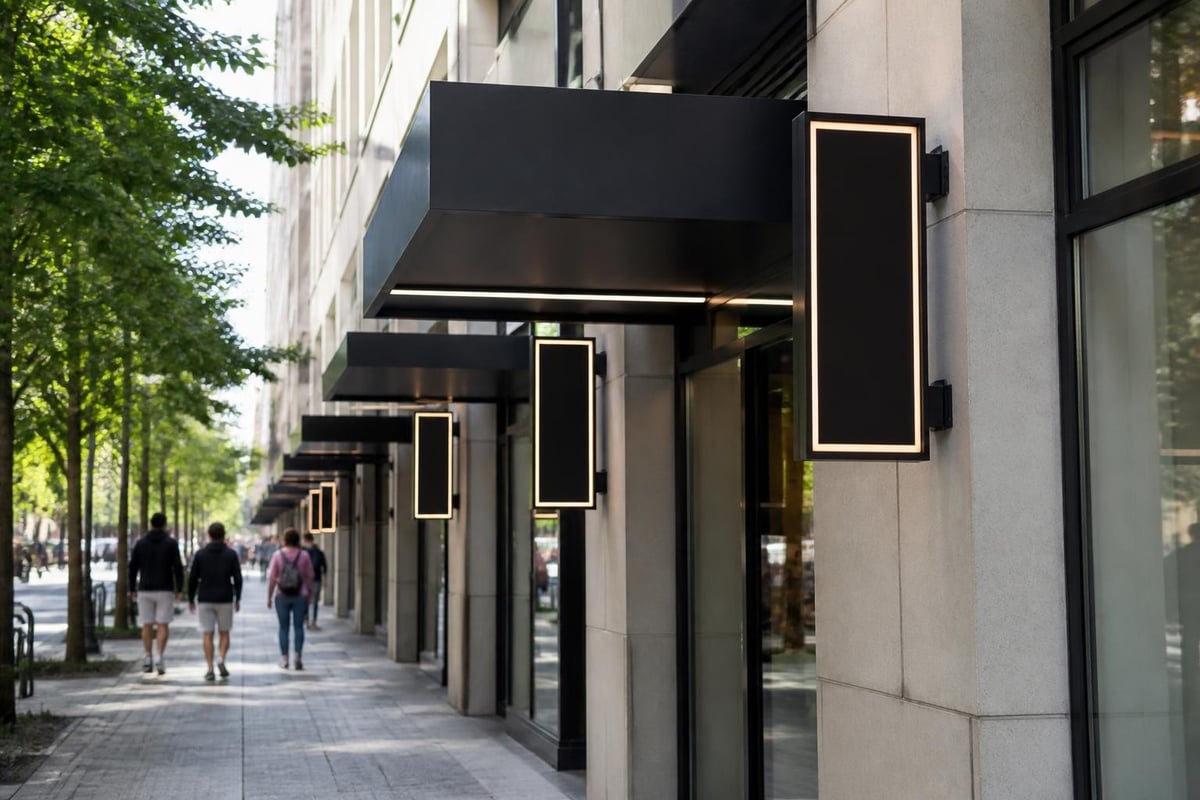
Internal illumination creates glowing effects that stand out dramatically against dark backgrounds. External spotlighting offers flexibility for non-illuminated signs whilst providing adjustable intensity levels.
Energy Efficiency and Sustainability
Contemporary installations prioritize environmental responsibility through:
- LED technology reducing energy consumption by 75% compared to traditional lighting
- Solar integration eliminating grid dependence in suitable locations
- Motion sensors activating illumination only when viewers are present
- Dimming schedules reducing intensity during low-traffic periods
These approaches align commercial objectives with sustainability commitments, demonstrating corporate environmental responsibility whilst maintaining effective visibility.
Maintenance and Longevity Planning
Sustained effectiveness requires proactive maintenance addressing weathering, vandalism, and technological obsolescence. Long-term maintenance strategies protect initial investments whilst ensuring continuous performance.
Regular inspection schedules identify issues before they compromise functionality. Cleaning protocols maintain appearance standards, whilst component replacement addresses wear patterns systematically.
Lifecycle Management
Comprehensive planning considers the full operational lifespan:
- Initial design and specification
- Manufacturing and installation
- Commissioning and testing
- Routine maintenance and cleaning
- Component replacement and upgrades
- End-of-life removal and recycling
This holistic approach maximizes return on investment whilst minimizing unexpected costs and service interruptions.
Digital Integration and Smart Signage
Technology advancement enables dynamic signage street solutions that adapt content to changing conditions. Digital displays update messaging in real-time, responding to traffic patterns, weather conditions, or promotional campaigns.
Integration with broader smart city infrastructure creates responsive environments where signage interacts with navigation apps, traffic management systems, and emergency communication networks. These connections enhance functionality beyond static communication.
Content Management Systems
Centralized control platforms enable efficient multi-location management:
- Schedule content changes across networks simultaneously
- Monitor display functionality remotely
- Respond quickly to urgent messaging needs
- Analyze viewer engagement through integrated sensors
- Optimize content based on performance metrics
Professional retail store digital signage demonstrates how dynamic content attracts attention more effectively than static alternatives, increasing customer engagement significantly.
Cultural and Aesthetic Considerations
Signage street character reflects local identity whilst serving functional purposes. Historical districts maintain period-appropriate designs that honour architectural heritage. Contemporary areas embrace modern materials and forms that complement cutting-edge architecture.
Community consultation ensures installations resonate with local values and expectations. This engagement builds support for projects whilst identifying potential concerns early in development processes.
Brand Consistency Across Locations
Multi-location businesses balance corporate identity with local integration. Standardized elements maintain brand recognition whilst allowing contextual adaptations that respect neighbourhood character.
Colour palettes, typography, and design motifs translate across installations whilst accommodating required variations in scale, materials, or mounting methods dictated by specific locations.
Future Trends in Street Signage
Emerging technologies reshape signage street possibilities continuously. Augmented reality integration overlays digital information onto physical environments, enhancing wayfinding capabilities dramatically. Sustainability pressures drive innovation in materials, manufacturing processes, and energy systems.
Personalization technologies enable customized messaging that responds to individual viewer preferences, detected through mobile device interactions. These advances promise increasingly sophisticated communication capabilities.
Adaptive and Responsive Systems
Future signage street networks will adjust dynamically to conditions:
- Traffic volumes triggering directional guidance changes
- Weather conditions modifying visibility settings automatically
- Emergency situations activating alert protocols instantly
- Crowd densities influencing information priorities
- Individual preferences customizing displayed content
These intelligent systems require robust infrastructure and sophisticated software platforms that coordinate multiple inputs seamlessly.
Creating an effective signage street demands expertise across design, compliance, technology, and installation disciplines. From initial concept through ongoing maintenance, every phase requires professional attention to detail that ensures optimal performance. Signs4SA brings comprehensive capabilities to every project, combining manufacturing excellence with strategic insight that transforms ordinary streets into effectively navigated environments. Contact our team to discuss how bespoke signage solutions can enhance your street presence whilst meeting all regulatory requirements.