



Steel Signages: The Complete Guide for South African Businesses
Steel signages have become the cornerstone of professional business branding across South Africa and globally, offering an exceptional combination of durability, aesthetic versatility, and long-term value. Whether you're establishing a corporate headquarters, launching a retail store, or marking a construction site, understanding the unique properties and applications of steel signages can transform your brand visibility strategy. This comprehensive guide explores everything from material selection to maintenance practices, ensuring your investment delivers maximum impact for years to come.
Understanding the Fundamentals of Steel Signages
Steel signages represent more than just metal panels with text. They embody engineering precision, material science, and design excellence. The fundamental appeal lies in steel's inherent strength-to-weight ratio, corrosion resistance when properly treated, and ability to withstand South Africa's diverse climate conditions.
Material Composition and Types
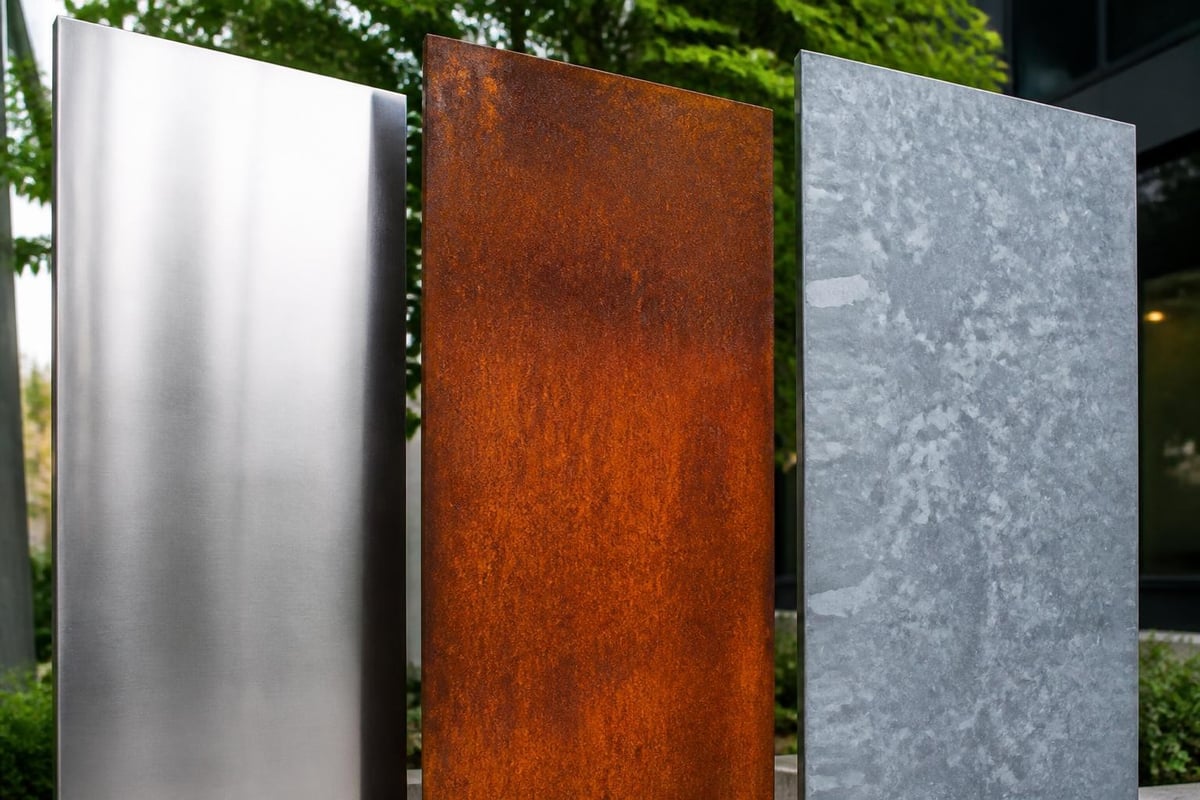
Different steel grades serve distinct signage purposes. Stainless steel remains the premium choice for high-traffic environments, offering exceptional resistance to rust and maintaining its lustrous appearance with minimal maintenance. Corten steel develops a protective rust-like patina that actually prevents further corrosion, creating distinctive weathered aesthetics popular in architectural contexts. Galvanised steel provides cost-effective durability through zinc coating, ideal for budget-conscious projects requiring weather resistance.
The selection process demands careful consideration of environmental factors:
- Coastal environments: Stainless steel grades 316 or 316L with enhanced salt resistance
- Industrial zones: Powder-coated galvanised steel for chemical exposure protection
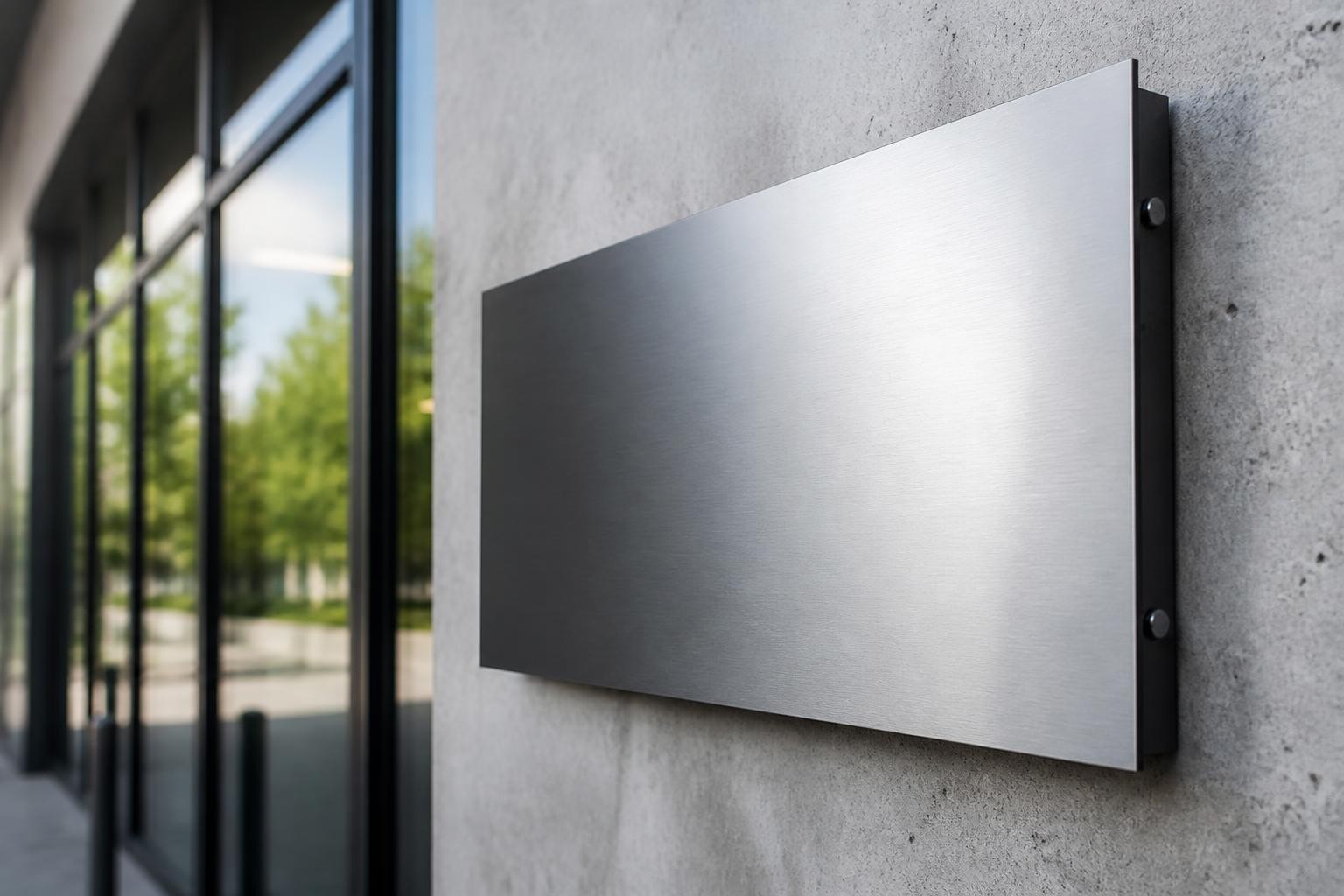
- Urban settings: Brushed stainless steel for vandal-resistant, modern aesthetics
- Rural locations: Corten steel for natural integration with landscapes
Design Considerations for Maximum Impact
Creating effective steel signages requires balancing aesthetic appeal with functional requirements. The design process should address readability, brand consistency, and environmental integration whilst leveraging steel's unique fabrication possibilities.
Typography and Dimensional Elements
Steel's formability enables three-dimensional lettering that creates dramatic shadow play and depth perception. Laser cutting technology achieves intricate details impossible with traditional materials, whilst waterjet cutting preserves steel properties by avoiding heat-affected zones. Understanding core design principles ensures your steel signages communicate effectively across viewing distances.
Key design parameters include:
- Letter thickness: 3mm minimum for structural integrity, 6-10mm for premium applications
- Font selection: Sans-serif fonts ensure clarity; avoid thin serifs that may corrode prematurely
- Spacing considerations: Kerning adjustments account for welding points and mounting hardware
- Finish options: Mirror polish, brushed, powder-coated, or naturally weathered
Dimensional accuracy matters considerably. Tolerance levels of ±0.5mm maintain professional appearance whilst accommodating thermal expansion in outdoor installations. For businesses exploring comprehensive custom signage solutions, understanding these technical specifications ensures successful project outcomes.
Surface Treatments and Finishes
| Finish Type | Durability Rating | Maintenance Level | Best Applications |
|---|---|---|---|
| Powder Coating | Excellent (10-15 years) | Low | Corporate signage, retail environments |
| Brushed Stainless | Very Good (15-20 years) | Medium | Architectural features, building directories |
| Polished Mirror | Good (8-12 years) | High | Interior applications, premium branding |
| Corten Patina | Excellent (20+ years) | Very Low | Landscape integration, industrial aesthetics |
Surface preparation determines longevity. Proper degreasing, sandblasting, and priming create optimal adhesion for coatings. UV-resistant powder coatings prevent colour fading in harsh sunlight, whilst anti-graffiti clear coats protect high-risk urban installations.
Manufacturing Processes and Techniques
Modern steel signages benefit from advanced fabrication technologies that enhance precision, reduce waste, and expand creative possibilities. Understanding these processes helps businesses specify requirements accurately and appreciate craftsmanship quality.
Cutting and Forming Methods
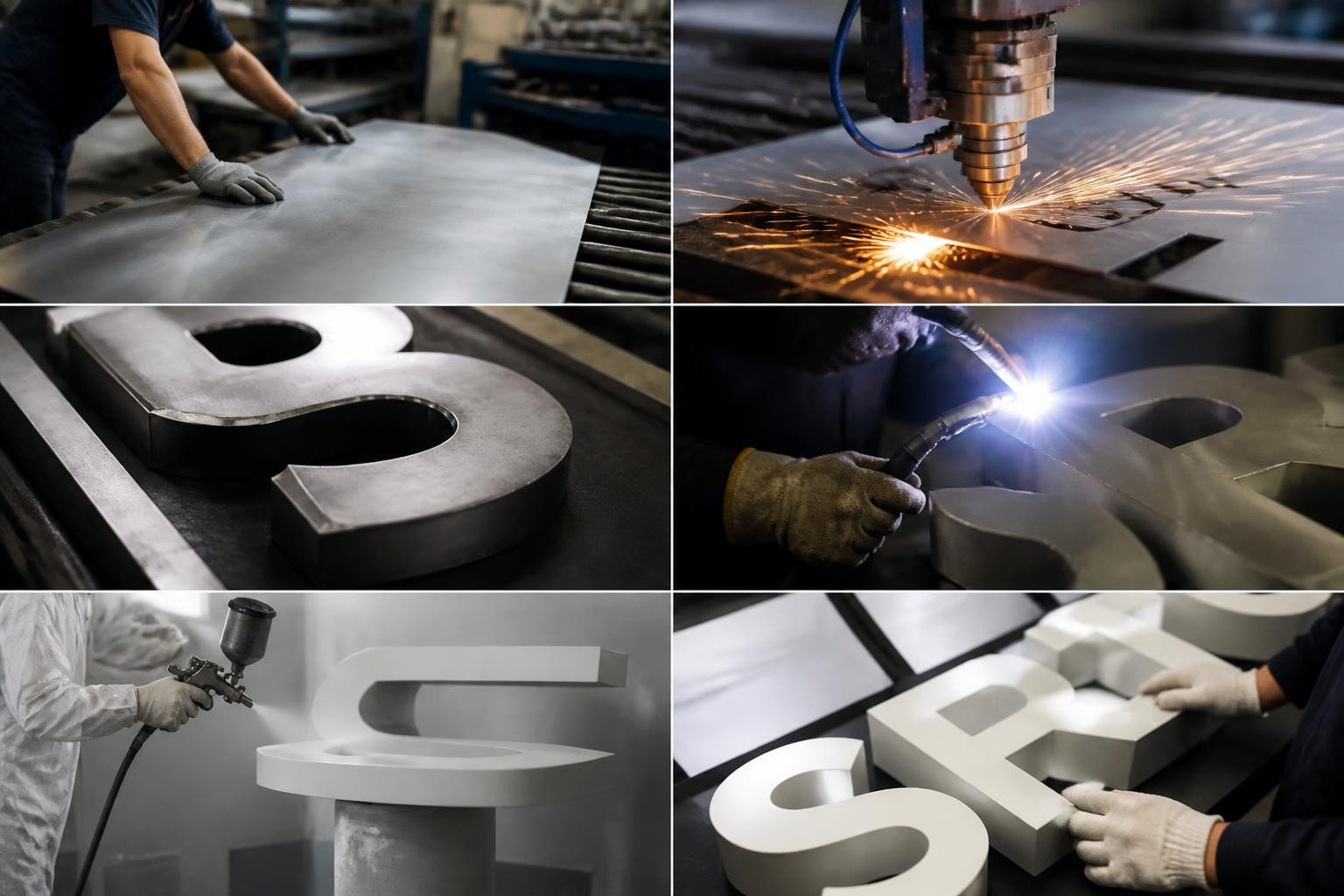
Laser cutting dominates precision applications, creating clean edges on material thicknesses from 0.5mm to 25mm. The process achieves intricate logos, fine typography, and complex patterns with minimal material waste. Plasma cutting suits thicker steel sections and larger-scale projects where edge finish requirements are less stringent.
Bending and forming transform flat steel into three-dimensional structures. Press brakes create crisp angles for channel letters and box signs, whilst English wheels produce smooth curves for artistic installations. Roll forming generates consistent cylindrical shapes for column wraps and directional signage.
Welding techniques vary by application:
- TIG welding: Provides clean, virtually invisible joints for stainless steel
- MIG welding: Offers production efficiency for galvanised steel assemblies
- Spot welding: Creates discrete attachment points for multi-layer constructions
Installation Strategies for Steel Signages
Proper installation ensures steel signages remain secure, level, and visually compelling throughout their service life. Installation complexity varies from simple wall-mounted plaques to complex free-standing structures requiring engineering certification.
Mounting Systems and Hardware
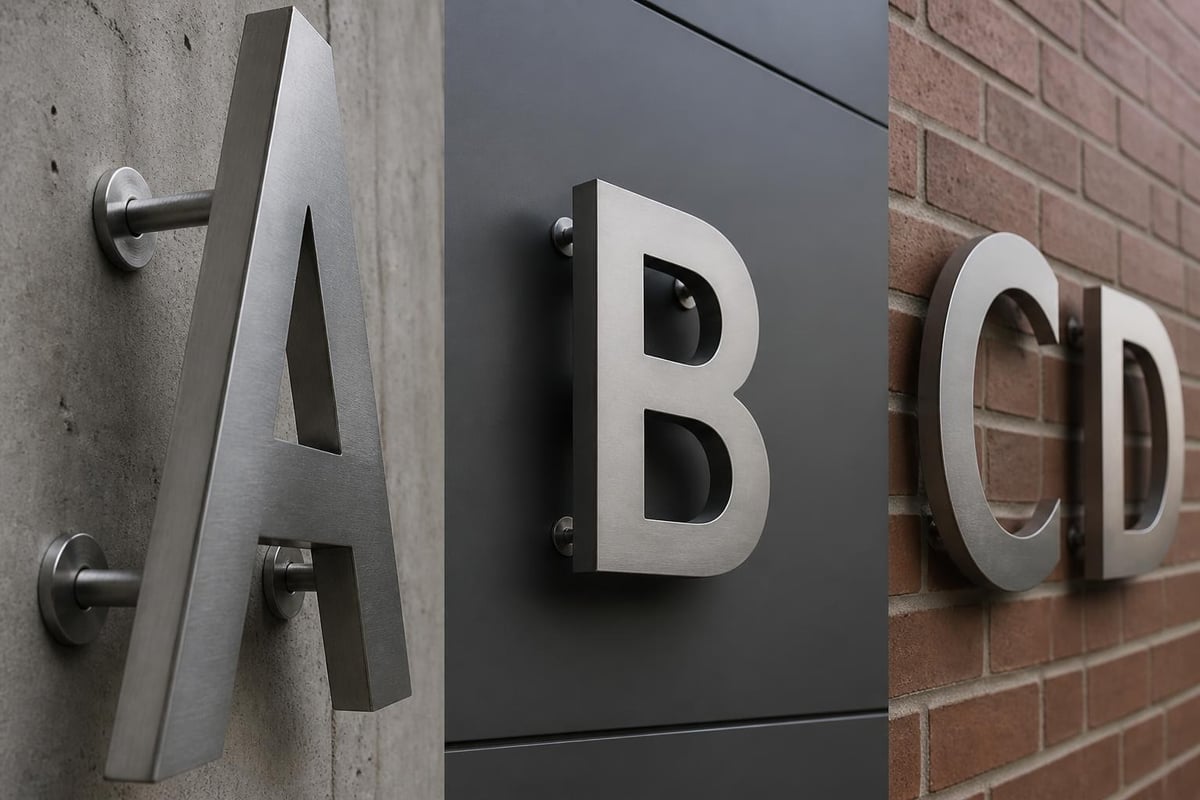
Through-bolt mounting provides maximum security for heavy steel signages, distributing loads across multiple anchor points. Structural engineers calculate load requirements based on sign weight, wind exposure, and substrate strength. Standoff systems create floating effects, positioning steel panels 25-150mm from walls using threaded rods or decorative barrels.
For professional signage installation, consider these factors:
- Substrate analysis: Concrete, brick, steel framing, or curtain wall systems require different fastening approaches
- Waterproofing: Silicone sealing prevents moisture ingress at penetration points
- Electrical integration: Conduit routing for illuminated steel signages maintains clean aesthetics
- Accessibility: Future maintenance access influences mounting height and hardware selection
Specialised applications like pylon signage require foundation engineering, accounting for soil conditions, wind loads, and seismic considerations. Steel pylons combine structural steel frameworks with decorative steel cladding, creating landmarks visible from considerable distances.
Electrical Integration for Illumination
Illuminated steel signages amplify visibility during evening hours. LED backlighting creates halo effects around cut letters, whilst front-illumination employs spotlights or integrated LED modules. Electrical specifications must comply with SANS 10142-1 wiring standards, with weatherproof junction boxes and appropriate IP ratings for South African conditions.
Modern installations increasingly incorporate digital signage elements, combining traditional steel frameworks with LED display screens for dynamic content delivery. This hybrid approach maintains steel's structural permanence whilst enabling message flexibility.
Maintenance and Longevity Practices
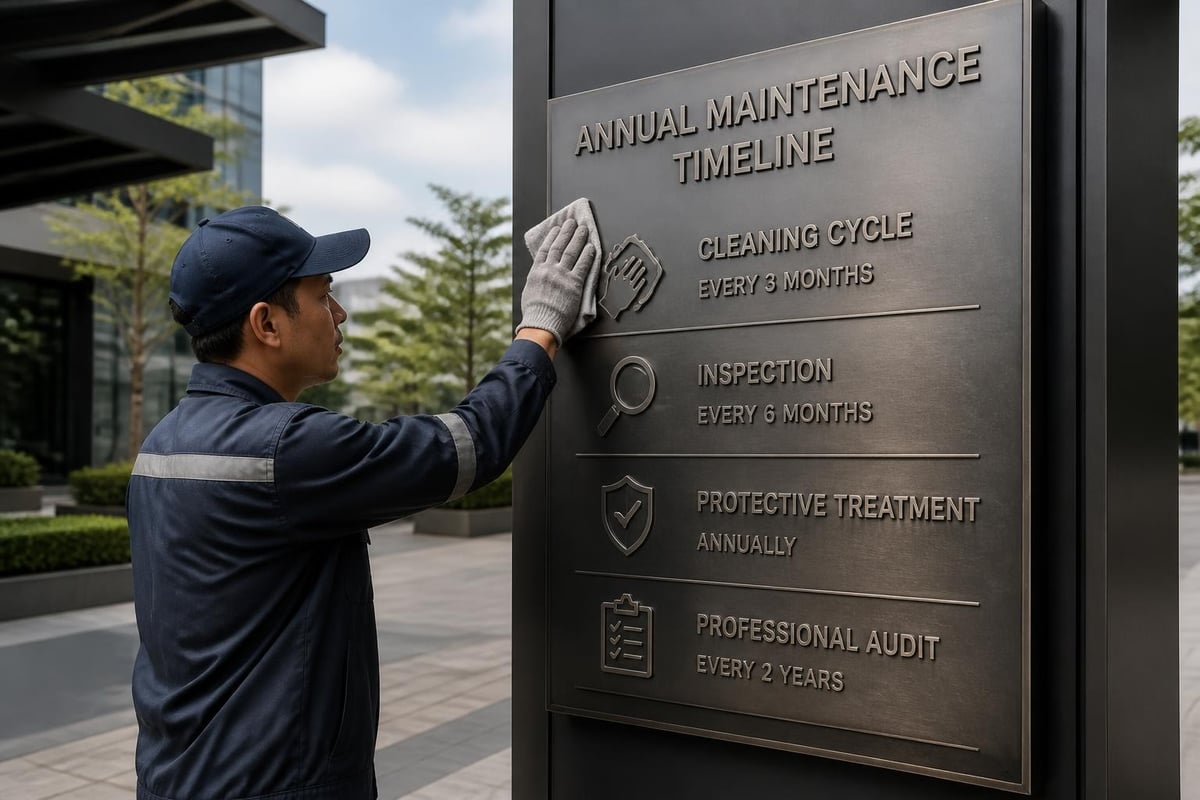
Steel signages deliver exceptional lifespan when maintained appropriately. Proactive care prevents minor issues escalating into costly repairs, preserving brand presentation and protecting investment value. Regular maintenance protocols should become standard operational procedures.
Cleaning Procedures by Steel Type
Stainless steel cleaning requires pH-neutral detergents and microfibre cloths to prevent surface scratching. Proper cleaning techniques emphasise following grain direction, avoiding abrasive cleaners, and rinsing thoroughly. Quarterly cleaning suffices for most environments, increasing to monthly schedules in coastal or industrial zones.
Corten steel maintenance focuses on promoting uniform patina development. Specific maintenance guidelines recommend periodic water rinsing to remove salt deposits and debris that cause uneven weathering. The initial stabilisation period spans 18-24 months, after which maintenance requirements decrease significantly.
Protective Measures and Inspections
| Maintenance Task | Frequency | Purpose | Tools Required |
|---|---|---|---|
| Visual Inspection | Monthly | Identify damage, corrosion, loose fasteners | Binoculars, checklist |
| Deep Cleaning | Quarterly | Remove accumulated dirt, pollutants | Detergent, soft brushes, water |
| Fastener Tightening | Bi-annually | Maintain structural security | Torque wrench, spanners |
| Coating Assessment | Annually | Evaluate finish degradation | Inspection mirror, notes |
| Professional Audit | Every 3 years | Comprehensive condition report | Specialist equipment |
Protective treatments extend service life considerably. Wax applications on stainless steel create hydrophobic barriers against water spotting. Clear coat renewal on powder-coated surfaces maintains colour vibrancy and UV protection. For expert guidance on signage maintenance best practices, consultation with manufacturers ensures appropriate product selection.
Documentation proves invaluable for warranty claims and insurance purposes. Photograph signages during installation, establishing baseline condition. Record all maintenance activities with dates, products used, and observations. This historical data informs replacement decisions and demonstrates due diligence.
Industry Applications and Case Studies
Steel signages serve diverse sectors, each demanding specific characteristics. Understanding industry-specific requirements enables optimal specification and design decisions that align with operational realities and regulatory frameworks.
Corporate and Commercial Environments
Reception areas and lobbies utilise brushed stainless steel signages for professional sophistication. Three-dimensional logos with LED backlighting create memorable first impressions whilst communicating brand values. Dimensional letter depths of 40-50mm generate substantial visual impact even in spacious atriums.
Building identification employs weather-resistant steel signages combining address numbers, company names, and corporate branding. Mounting heights of 3-5 metres ensure visibility from street level whilst complying with municipal signage bylaws. Reflective finishes enhance night-time legibility when combined with strategic architectural lighting.
Retail and Hospitality Sectors
Retail steel signages balance brand expression with durability against high foot traffic and potential vandalism. Shopping centres favour powder-coated steel for colour-matched tenant directories, whilst independent retailers create distinctive storefronts using custom-fabricated steel lettering.
Restaurant and hotel applications range from elegant entrance markers to comprehensive wayfinding systems. Steel's ability to complement materials like timber, glass, and stone enables cohesive design schemes. Menu boards constructed from chalkboard-painted steel combine rustic aesthetics with daily update flexibility.
Industrial and Construction Sites
Construction environments demand robust steel signages withstanding harsh conditions, heavy equipment proximity, and temporary installations. Safety signage fabricated from 3mm galvanised steel resists impact whilst maintaining regulatory compliance for hazard warnings and site identification.
For businesses seeking industry-specific solutions, steel signages offer adaptability across pharmaceutical manufacturing facilities requiring hygiene-compatible materials, through to logistics operations needing large-format warehouse identification.
Cost Considerations and Value Assessment
Steel signages represent significant investments requiring careful budget planning and value evaluation. Understanding cost drivers enables informed decisions balancing initial expenditure against lifecycle value and brand impact.
Pricing Factors and Budget Planning
Material costs fluctuate with global steel prices, alloy composition, and thickness specifications. Stainless steel 316 costs approximately 40% more than grade 304, whilst corten steel occupies a mid-range position. Thickness increases of 50% typically raise material costs by 70-80% due to additional fabrication complexity.
Fabrication complexity significantly influences pricing:
- Simple flat-cut lettering: R800-R1,500 per square metre
- Dimensional box letters: R2,500-R4,500 per linear metre
- Custom sculptural elements: R5,000-R12,000+ per piece
- Illuminated installations: Add 35-60% for electrical integration
Installation expenses depend on accessibility, mounting substrate, electrical requirements, and height. Ground-level wall mounting costs R450-R800 per hour for qualified installers, whilst elevated installations requiring scaffolding or crane access increase to R1,800-R3,500 per hour.
Consider the comprehensive cost implications when budgeting, including permits, engineering certifications for structures exceeding 2.4 metres, and ongoing maintenance allocations.
Return on Investment Analysis
Steel signages typically deliver 15-25 year service lives, substantially exceeding alternatives like vinyl or acrylic. Amortising costs across this timeframe reveals favourable economics:
Example calculation:
- Initial investment: R85,000 for comprehensive steel signage package
- Annual maintenance: R3,500
- 20-year total cost: R155,000
- Annual equivalent: R7,750
Compare this against cheaper materials requiring replacement every 5-7 years plus higher maintenance, and steel's value proposition strengthens considerably. Additional benefits include enhanced brand perception, increased property values, and superior sustainability credentials through recyclability.
Environmental Considerations and Sustainability
Steel signages align with contemporary sustainability priorities through material recyclability, longevity, and minimal environmental impact during manufacturing and disposal phases. Environmentally conscious businesses increasingly specify steel for these attributes.
Lifecycle Environmental Impact
Steel production has evolved substantially, with modern mills achieving 30-40% energy reductions compared to processes from two decades ago. Electric arc furnace technology utilises recycled steel content exceeding 90%, dramatically reducing carbon footprints. Stainless steel maintains 100% recyclability without property degradation, creating genuine circular economy opportunities.
Manufacturing efficiency benefits from precision cutting technologies that optimise material yield. Laser cutting achieves nest densities of 85-92%, minimising scrap. Offcuts and production waste feed directly back into recycling streams, ensuring near-zero landfill contribution from reputable manufacturers.
End-of-life considerations favour steel overwhelmingly. Decommissioned steel signages retain substantial scrap value, offsetting removal costs. Unlike composite materials requiring specialised disposal, steel enters standard recycling infrastructure, reprocessed into new products within weeks.
Sustainable Design Practices
Specification decisions influence environmental outcomes significantly:
- Longevity-focused design: Robust construction and finishes extend replacement intervals
- Modular systems: Component replacement rather than complete renewal reduces waste
- Local sourcing: South African steel procurement minimises transportation emissions
- Powder coating selection: Low-VOC formulations reduce atmospheric pollution
For comprehensive insights into sustainable signage approaches, consider manufacturers demonstrating environmental certifications and transparent supply chain practices.
Regulatory Compliance and Approval Processes
Steel signages installations must navigate municipal regulations, building codes, and industry-specific standards. Understanding compliance requirements prevents costly delays, fines, and potential removal orders.
Municipal Bylaws and Permits
Local authorities regulate signage through town planning schemes addressing size limitations, setback requirements, illumination restrictions, and aesthetic guidelines. Signage regulations vary considerably between jurisdictions, demanding thorough research before project commencement.
Application procedures typically require:
- Site plans: Showing existing structures, proposed signage locations, and property boundaries
- Elevations and renders: Depicting signage appearance, dimensions, and mounting details
- Structural calculations: For free-standing steel signages exceeding height thresholds
- Neighbour notifications: Demonstrating consultation with affected properties
- Heritage assessments: When installing in designated conservation areas
Processing timeframes span 6-12 weeks for standard applications, extending to 16-20 weeks for complex proposals requiring council committee presentations. Building strong relationships with municipal planning departments expedites processes and provides valuable pre-application guidance.
Safety Standards and Certifications
Steel signages must comply with SANS 10400 (National Building Regulations) for structural adequacy. Wind load calculations account for South Africa's diverse climate zones, with coastal regions experiencing substantially higher design pressures than inland areas. Professional engineers certify designs exceeding 3 metres height or 6 square metres area.
Electrical components require SANS 10142-1 compliance, with qualified electricians performing installations and issuing certificates of compliance. Illuminated steel signages demand IP65 or higher ratings for outdoor applications, ensuring water and dust ingress protection.
Future Trends and Innovations
Steel signages continue evolving through technological advancement, design innovation, and changing market preferences. Staying informed about emerging trends positions businesses advantageously for competitive differentiation.
Technological Integration
Smart signage systems combine traditional steel construction with embedded sensors, NFC chips, and IoT connectivity. These installations gather foot traffic data, enable interactive experiences through smartphone integration, and facilitate remote monitoring of structural condition and electrical performance.
Hybrid materials marry steel's structural capabilities with alternative materials for specific effects. Carbon fibre reinforcement enables larger unsupported spans, whilst integrated photovoltaic cells generate power for self-sufficient illuminated installations in remote locations.
Design Evolution
Contemporary aesthetics favour minimalism and material honesty. Raw steel finishes with visible weld marks and oxidation celebrate manufacturing processes rather than concealing them. This industrial aesthetic resonates particularly within creative industries, hospitality venues, and urban renewal projects.
Parametric design employs algorithmic modelling to generate complex geometries impossible through traditional methods. CNC fabrication translates digital designs into physical reality, creating sculptural steel signages that blur boundaries between wayfinding and public art.
Exploring current design trends reveals how steel signages adapt to evolving brand communication strategies whilst maintaining timeless material qualities that transcend temporary fashions.
Steel signages represent the convergence of durability, design excellence, and sustainable materials practices, offering businesses across South Africa proven solutions for lasting brand visibility. Whether you're specifying corporate identity programmes, retail storefronts, or industrial facility marking, understanding material properties, design principles, and maintenance requirements ensures optimal outcomes. Signs4SA combines comprehensive steel signage expertise with national manufacturing capabilities and skilled installation teams, delivering bespoke solutions tailored to your specific requirements. Contact our specialists today to discuss how professional steel signages can elevate your brand presence and withstand South Africa's demanding environmental conditions for decades to come.