



Digital Billboards: The Complete Guide for 2026
The advertising landscape has undergone a dramatic transformation over the past decade, with digital billboards emerging as one of the most powerful tools for brands seeking to capture audience attention in high-traffic environments. Unlike their static predecessors, these dynamic displays offer unprecedented flexibility, allowing advertisers to update messages in real-time, rotate multiple campaigns throughout the day, and deliver targeted content based on time, weather, or audience demographics. As businesses across South Africa increasingly recognize the potential of this technology, understanding the strategic advantages, technical specifications, and implementation considerations becomes essential for maximizing return on investment.
The Evolution of Outdoor Advertising Technology
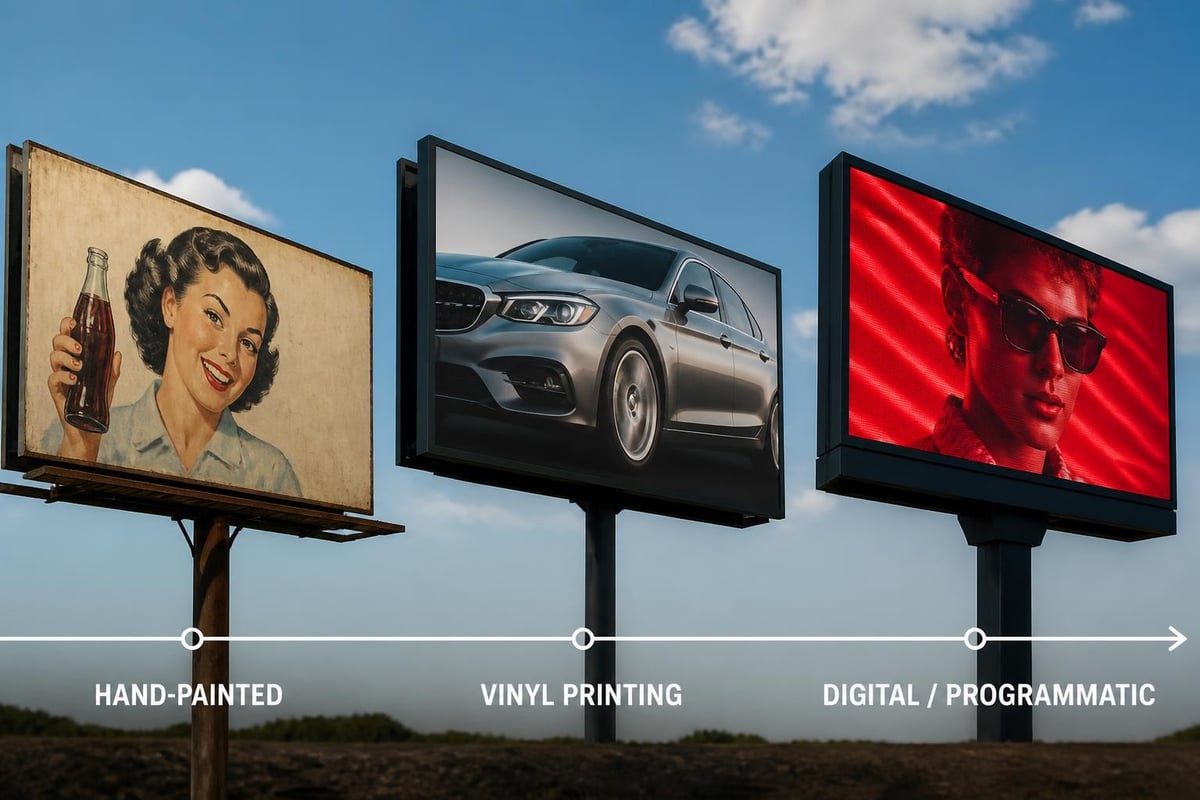
Traditional static billboards have served advertisers for over a century, but their fundamental limitations-fixed content, lengthy production cycles, and inability to adapt to changing conditions-have become increasingly apparent in our fast-paced digital age. The introduction of digital billboards represents more than a simple technological upgrade; it signifies a complete reimagining of how brands communicate with audiences in public spaces.
From Static to Dynamic Display Systems
The shift from printed vinyl to LED screens has fundamentally altered the economics and creative possibilities of outdoor advertising. Where static billboards required physical production, installation, and replacement for each new campaign, digital alternatives enable instant content changes at the touch of a button.
Key technological milestones include:
- Early LED technology with limited resolution and high power consumption
- Development of high-brightness displays visible in direct sunlight
- Integration of remote content management systems
- Advanced pixel pitches enabling high-definition imagery
- Weather-resistant enclosures suitable for extreme conditions
Modern digital billboards now rival the image quality of indoor displays whilst withstanding harsh environmental conditions. The Interactive Advertising Bureau's DOOH definition and core features establishes industry standards that help businesses understand what constitutes genuine digital out-of-home advertising versus other display technologies.
Market Growth and Industry Adoption
The financial data supporting digital billboard adoption tells a compelling story. According to the Out of Home Advertising Association of America, the OOH advertising sector reached record revenue levels, with digital formats driving much of this growth. In South Africa, similar trends are emerging as businesses recognize the competitive advantages these platforms offer.
| Traditional Billboards | Digital Billboards |
|---|---|
| Single advertiser per location | Multiple advertisers sharing space |
| Fixed content for weeks or months | Content changes every few seconds |
| Manual installation required | Remote updates via network |
| Limited campaign flexibility | Real-time adjustments possible |
| Weather-dependent installation | All-weather operation |
This shift has particular relevance for businesses exploring industry insights and staying current with advertising trends that affect their sector.
Technical Specifications and Display Technology
Understanding the technical foundation of digital billboards helps businesses make informed decisions when planning installations or advertising campaigns. The quality, visibility, and longevity of these displays depend on several critical specifications.
LED Technology and Pixel Pitch
Pixel pitch-the distance between LED clusters measured in millimetres-directly impacts image resolution and optimal viewing distance. Smaller pixel pitches produce sharper images suitable for closer viewing, whilst larger pitches work well for highway installations where viewers are hundreds of metres away.
Common pixel pitch categories:
- P10 (10mm) - Standard for most roadside applications, visible from 10-100 metres
- P8 (8mm) - Enhanced clarity for urban environments with moderate viewing distances
- P6 (6mm) - High-definition displays for pedestrian areas and shopping centres
- P4 and below - Premium resolution for close-range viewing
The range of Digital Signage available from P10 to P1.8 covers virtually every outdoor and indoor application, from massive highway installations to detailed retail displays requiring exceptional image quality.
Brightness, Contrast, and Environmental Performance
Outdoor digital billboards must compete with direct sunlight, requiring brightness levels measured in nits (candelas per square metre) far exceeding indoor displays. Commercial outdoor units typically operate between 5,000 and 10,000 nits, ensuring visibility even during peak daylight hours.
Environmental considerations extend beyond brightness. Displays must withstand temperature extremes, humidity, dust, and precipitation whilst maintaining consistent performance. Quality enclosures feature:
- IP65 or higher ingress protection ratings
- Temperature management systems preventing overheating
- Anti-reflective coatings reducing glare
- Corrosion-resistant materials for coastal installations
The selection process for display specifications should align with the specific installation environment, anticipated viewing distances, and content requirements. These technical decisions significantly impact both initial investment and long-term operational costs.
Content Management and Programming Capabilities
The true power of digital billboards lies not in the display hardware itself but in the sophisticated content management systems that control what appears, when, and for how long. These platforms have evolved into complex ecosystems enabling unprecedented control and flexibility.
Centralised Control Systems
Modern content management platforms allow operators to control entire networks of displays from a single interface. Whether managing one billboard or hundreds across multiple cities, the same fundamental capabilities apply.
Core functionalities include:
- Scheduling content by time, day, or calendar date
- Creating playlists that rotate multiple advertisements
- Emergency override capabilities for urgent messages
- Real-time performance monitoring and diagnostics
- Multi-user access with role-based permissions
- Content approval workflows preventing unauthorized material
This centralisation dramatically reduces operational complexity whilst improving reliability. When combined with cloud-based systems, managers can update content from anywhere with internet connectivity, eliminating the need for on-site visits.
Dynamic Content and Triggering
Beyond simple scheduling, advanced systems enable content that responds to external data sources. Weather-triggered advertising displays different messages during rain versus sunshine. Traffic-aware systems adjust content based on congestion levels. Temperature sensors can trigger promotions for cold beverages during heatwaves.

| Trigger Type | Application Example | Business Benefit |
|---|---|---|
| Time-based | Breakfast promotions during morning commute | Relevance to viewer needs |
| Weather-based | Umbrella ads when rain detected | Contextual messaging |
| Traffic-based | Alternative route suggestions during congestion | Public service value |
| Temperature-based | Cool drink promotions above 30°C | Immediate purchase motivation |
| Event-based | Concert promotions on event days | Timely awareness |
These capabilities transform static advertising into responsive communication that adapts to circumstances, significantly improving engagement and conversion rates.
Audience Measurement and Analytics
One of digital billboards' most significant advantages over traditional formats is the ability to measure audience exposure and engagement with increasing precision. This data-driven approach brings accountability to outdoor advertising previously impossible with static displays.
Anonymous Audience Detection Technologies
Modern audience measurement systems use computer vision and anonymous detection to count viewers, estimate dwell time, and even gauge attention levels without compromising privacy. The comprehensive DOOH Measurement Guide from the Interactive Advertising Bureau establishes standardized metrics and counting rules that bring consistency to the industry.
Privacy-conscious measurement approaches, such as those documented by Quividi's audience measurement solutions, demonstrate how technology can provide valuable analytics whilst respecting individual privacy. These systems detect human presence and basic demographic categories without identifying specific individuals.
Measurable metrics include:
- Opportunity to See (OTS) - Number of people passing within view
- Dwell time - Duration individuals spend looking at the display
- Attention rate - Percentage of passersby who actually view content
- Demographic estimation - Age range and gender distribution
- Peak viewing times - When audiences are largest or most engaged
The Media Rating Council's OOH Measurement Standards provide independent, auditable frameworks that ensure measurement consistency and accuracy across the industry.
Data Integration and Campaign Optimization
When measurement data flows back to advertisers and content managers, it enables continuous optimization impossible with traditional billboards. Underperforming creative can be replaced mid-campaign, timing adjustments can maximize exposure during peak periods, and ROI calculations gain precision.
This feedback loop connects outdoor advertising with the same data-driven methodologies that revolutionized digital marketing, whilst maintaining the massive reach and brand impact that only large-format outdoor displays can deliver.
Strategic Advantages for Businesses and Advertisers
Beyond the technical capabilities, digital billboards offer strategic benefits that fundamentally change how businesses approach outdoor advertising campaigns and property owners monetize premium locations.
Flexibility and Agility in Campaign Management
The ability to change messaging within hours rather than weeks provides tactical advantages across numerous scenarios. Product launches can coordinate billboard messaging with social media campaigns. Seasonal promotions update automatically. Crisis communications reach audiences immediately. Inventory clearances advertise specific stock levels.
This agility proves particularly valuable for businesses in fast-moving sectors where market conditions, competitor actions, or external events require rapid response. The design trends shaping modern advertising increasingly favor dynamic, responsive approaches that digital platforms enable.
Multiple Revenue Streams for Billboard Owners
Property owners and billboard operators benefit from the ability to sell advertising space to multiple clients simultaneously. Rather than committing to a single advertiser for months, digital billboards rotate between numerous campaigns throughout each day.
Revenue model comparison:
| Static Billboard Model | Digital Billboard Model |
|---|---|
| One advertiser per contract period | 6-8+ advertisers sharing daily rotation |
| Monthly or quarterly contracts | Flexible contract durations |
| Production costs borne by advertiser | Minimal content change costs |
| Vacancy periods between contracts | Continuous revenue optimization |
| Fixed pricing | Dynamic pricing based on time slots |
This model increases revenue potential whilst reducing risk. Even if one advertiser ends their campaign, others continue, and the vacant slot can be filled quickly. The economics have made digital billboards attractive investments despite higher initial capital costs.
Enhanced Creative Possibilities
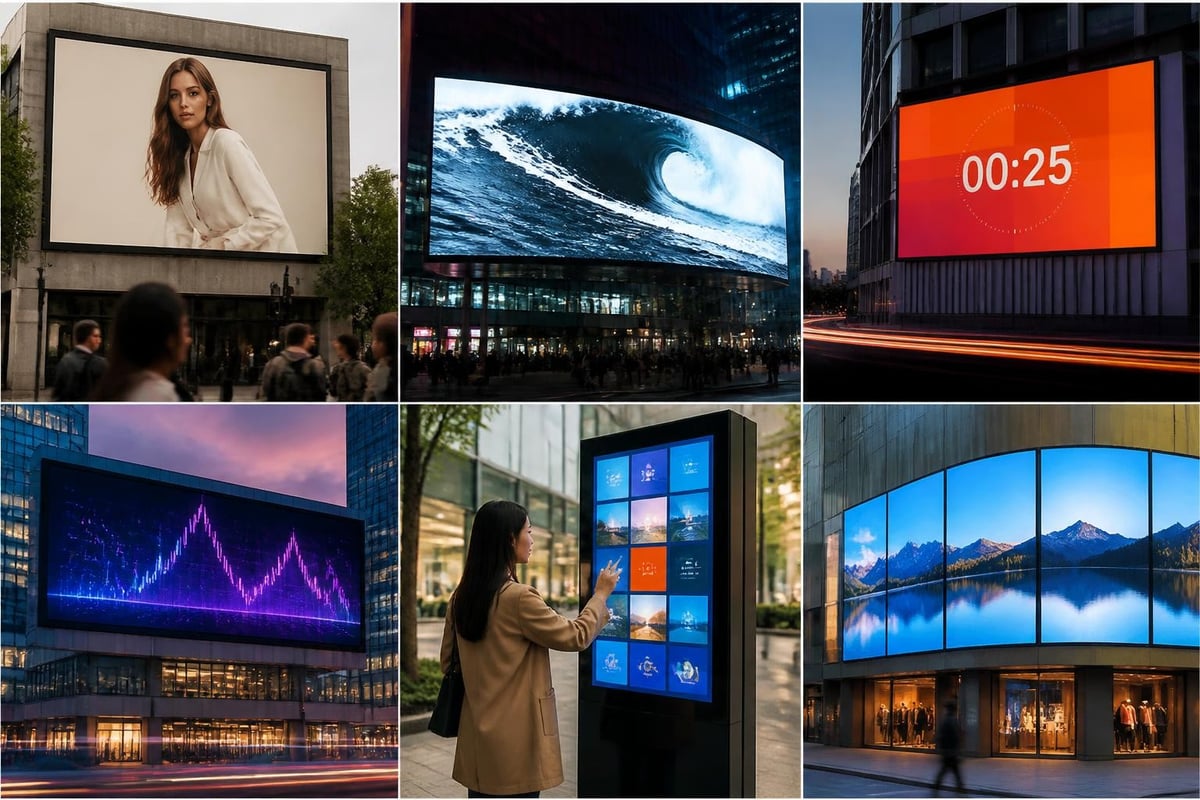
Motion, animation, video content, and sequential storytelling become possible with digital displays. Creative teams can design campaigns that evolve throughout the day, tell stories across multiple panels, or synchronize with other media channels.
The limitations of static printing-color accuracy, image resolution, physical size constraints-largely disappear. Complex gradients, subtle textures, and photographic realism appear as designed, whilst motion draws attention more effectively than static imagery in high-distraction environments.
Installation Considerations and Site Requirements
Successfully deploying digital billboards requires careful planning around structural, electrical, connectivity, and regulatory requirements. These considerations significantly impact project timelines and budgets.
Structural and Mounting Requirements
Digital displays weigh substantially more than printed vinyl, requiring robust mounting structures. A typical 6m x 3m LED billboard may weigh 500-1000 kilograms, necessitating engineering assessments of existing structures or purpose-built supports.
Wind loading calculations must account for the solid surface area of LED panels rather than the semi-porous mesh often used for vinyl. Coastal locations face additional challenges from salt corrosion, whilst areas prone to severe weather may require reinforced enclosures.
For businesses considering permanent installations, understanding these structural requirements early in the planning process prevents costly redesigns. The principles apply equally whether installing pylon signage with integrated digital displays or standalone billboard structures.
Power Infrastructure and Energy Consumption
Digital billboards consume significant electricity, with typical units drawing 3-10 kilowatts depending on size and brightness settings. This power requirement necessitates adequate electrical infrastructure at the installation site.
Energy considerations include:
- Availability of sufficient electrical capacity
- Distance from power source to display location
- Installation of dedicated circuits and safety systems
- Ongoing electricity costs in operating budgets
- Backup power options for critical locations
Modern displays incorporate energy-saving features such as automatic brightness adjustment based on ambient light, scheduled dimming during low-traffic periods, and efficient LED technology that significantly reduces power consumption compared to older models. Research published in PLOS ONE examining environmental footprints provides insights into lifecycle environmental impacts and optimization opportunities.
Network Connectivity and Content Delivery
Remote content management requires reliable internet connectivity to the display location. Options range from dedicated fiber connections providing maximum bandwidth and reliability to cellular networks offering flexibility in locations where wired infrastructure proves impractical.
Bandwidth requirements depend on content complexity and update frequency. Basic static image rotation requires minimal data transfer, whilst high-definition video content demands substantially more capacity. Content caching on local media players reduces dependency on continuous connectivity whilst ensuring displays continue operating during network interruptions.
Regulatory Compliance and Community Considerations
Digital billboards operate within regulatory frameworks addressing safety, light pollution, content standards, and community impact. Understanding these requirements prevents delays and ensures sustainable operations.
Permitting and Municipal Approval
Most jurisdictions regulate digital billboards separately from static displays, with additional requirements addressing brightness levels, content change frequency, and prohibited locations near residential areas or sensitive sites.
Common regulatory requirements:
- Maximum brightness limits (often 5,000-8,000 nits daytime, 500-1,000 nits nighttime)
- Minimum dwell time per advertisement (typically 6-10 seconds)
- Prohibited animated or video content in some locations
- Setback distances from roads, intersections, or residential zones
- Traffic safety assessments for roadside installations
Early engagement with municipal authorities and understanding of signage regulations and permits in South Africa streamlines approval processes and prevents costly modifications after installation.
Privacy and Data Protection
As digital billboards incorporate cameras and sensors for audience measurement, privacy considerations become paramount. The Information Commissioner's Office guidance on HD CCTV and video analytics addresses regulatory perspectives on using cameras in public spaces, principles applicable across jurisdictions.
Best practices include clear signage indicating measurement systems are in use, data minimization protocols that collect only necessary information, and anonymous processing that prevents individual identification. Compliance with data protection regulations builds public trust and prevents regulatory issues.
Community Impact and Good Neighbor Policies
Responsible operators implement policies addressing community concerns about light intrusion, content appropriateness, and environmental impact. Automatic brightness adjustment prevents excessive nighttime illumination affecting nearby residences. Content filters block inappropriate material. Noise control ensures silent operation.
These considerations extend beyond regulatory compliance to social license-the ongoing acceptance and support from communities where displays operate. Proactive engagement, responsive complaint handling, and demonstration of community benefit through public service messaging build positive relationships essential for long-term success.
Programmatic Advertising and Automated Trading
The integration of digital billboards into programmatic advertising ecosystems represents the latest evolution in outdoor advertising technology. This connection between digital displays and automated ad-buying platforms brings the efficiency and targeting capabilities of online advertising to the physical world.
Real-Time Bidding for Billboard Space
Programmatic DOOH platforms enable advertisers to purchase billboard space through automated auctions, similar to how online display advertising operates. Rather than negotiating contracts weeks in advance, advertisers bid for specific time slots based on current conditions and audience data.
The OAAA DOOH Exposure Methodology Standardization Guidelines establish frameworks for measuring and trading outdoor advertising inventory programmatically, bringing transparency and standardization to automated transactions.
Advantages of programmatic DOOH:
- Purchase decisions based on real-time audience data
- Budget optimization across multiple locations and times
- Rapid campaign deployment (hours instead of weeks)
- Performance-based pricing models
- Integration with broader digital marketing strategies
This automation particularly benefits advertisers running multi-channel campaigns who can now coordinate billboard messaging with online, social, and mobile advertising in real-time based on unified campaign objectives and performance metrics.
Contextual and Behavioral Targeting
Whilst maintaining privacy protections, programmatic systems can target audiences based on contextual factors such as location characteristics, time of day, weather conditions, and traffic patterns. A fitness brand might target displays near gyms during morning and evening workout periods. A restaurant chain could advertise near highway exits during meal times.
Integration with mobile data (aggregated and anonymized) enables campaign measurement that connects billboard exposure with subsequent online engagement or store visits, closing the attribution loop that has historically challenged outdoor advertising measurement.
Maintenance, Longevity, and Total Cost of Ownership
Understanding the complete lifecycle costs of digital billboards helps businesses make informed investment decisions and plan for sustainable operations over the displays' expected lifespan.
Preventive Maintenance and System Monitoring
Digital billboards require regular maintenance to ensure consistent performance and maximize operational life. Unlike static billboards that might be inspected quarterly, digital systems benefit from continuous remote monitoring that detects issues before they cause display failures.
Essential maintenance activities include:
- Regular cleaning of LED panels and protective covers
- Inspection and tightening of mounting hardware
- Verification of weatherproof seals and enclosures
- Software updates and security patches
- Power system testing and component inspection
- Cooling system maintenance and filter replacement
Remote monitoring systems track display performance metrics, power consumption, individual LED module status, and environmental conditions. Predictive maintenance identifies components approaching end-of-life, enabling scheduled replacement during planned downtime rather than emergency repairs.
Understanding signage maintenance tips for long-term performance helps businesses develop comprehensive maintenance programs that preserve investment value.
Component Lifespan and Replacement Cycles
Modern LED displays typically achieve 80,000-100,000 hours of operation before brightness degrades to 70% of original levels. At typical usage rates, this represents 8-12 years of service life. However, other system components may require earlier replacement.
| Component | Typical Lifespan | Replacement Considerations |
|---|---|---|
| LED modules | 80,000-100,000 hours | Gradual brightness decline |
| Power supplies | 3-5 years | Critical failure component |
| Control systems | 5-7 years | Technology obsolescence |
| Enclosures | 10-15 years | Weather-dependent deterioration |
| Mounting structures | 15-20+ years | Corrosion and fatigue monitoring |
Planning for component replacement as part of total cost of ownership ensures budgets accurately reflect long-term operational requirements. Some operators establish replacement reserves that fund scheduled upgrades before critical failures occur.
Energy Costs and Efficiency Optimization
Electricity represents a significant ongoing expense for digital billboard operations. A medium-sized display operating 18 hours daily might consume 50,000-80,000 kWh annually, translating to substantial costs depending on local electricity rates.
Optimization strategies include automatic brightness adjustment based on ambient light (reducing power consumption up to 60% during low-light conditions), scheduling that powers down displays during minimal traffic periods, and LED technology upgrades that improve efficiency as older modules reach replacement age.
Return on Investment and Performance Measurement
Justifying digital billboard investments requires clear understanding of revenue potential, cost structures, and performance metrics that demonstrate value creation.
Revenue Modeling for Billboard Operators
Operators must balance installation costs against revenue potential from advertising sales. Digital billboards command premium rates compared to static displays due to flexibility and measurement capabilities, but require substantially higher capital investment.
Key revenue factors:
- Number of advertisers sharing rotation (typically 6-8 per location)
- Rate per 10-second spot (varies by location, traffic, demographics)
- Daily operating hours and total available impressions
- Premium pricing for peak time slots
- Additional revenue from special placements or formats
Successful operators achieve payback periods of 3-5 years in prime locations, with ongoing revenue exceeding operating costs by substantial margins once capital costs are recovered.
Advertising Performance Metrics
Advertisers evaluate digital billboard performance through metrics that connect exposure to business outcomes. Traditional measures like traffic counts and demographic profiles now supplement with attention data, dwell time analysis, and increasingly, attribution to subsequent actions.
Performance measurement approaches:
- Impression-based - Cost per thousand viewers (CPM)
- Attention-based - Cost per engaged viewer
- Action-based - Attribution to website visits or store traffic
- Brand-based - Awareness and recall studies
- Comparative - Performance versus other media channels
The integration of measurement systems and programmatic platforms enables increasingly sophisticated analysis, bringing outdoor advertising closer to the accountability standards advertisers expect from digital channels.
Digital billboards represent a fundamental evolution in outdoor advertising, combining the massive reach and brand impact of traditional billboards with the flexibility, measurement, and optimization capabilities of digital media. As technology continues advancing and programmatic integration matures, these displays will become increasingly central to comprehensive marketing strategies across industries. Whether you're considering digital displays for your business premises, exploring advertising opportunities, or planning large-scale outdoor campaigns, Signs4SA brings the expertise, quality manufacturing, and nationwide support to deliver solutions that meet your specific requirements and deliver measurable results.