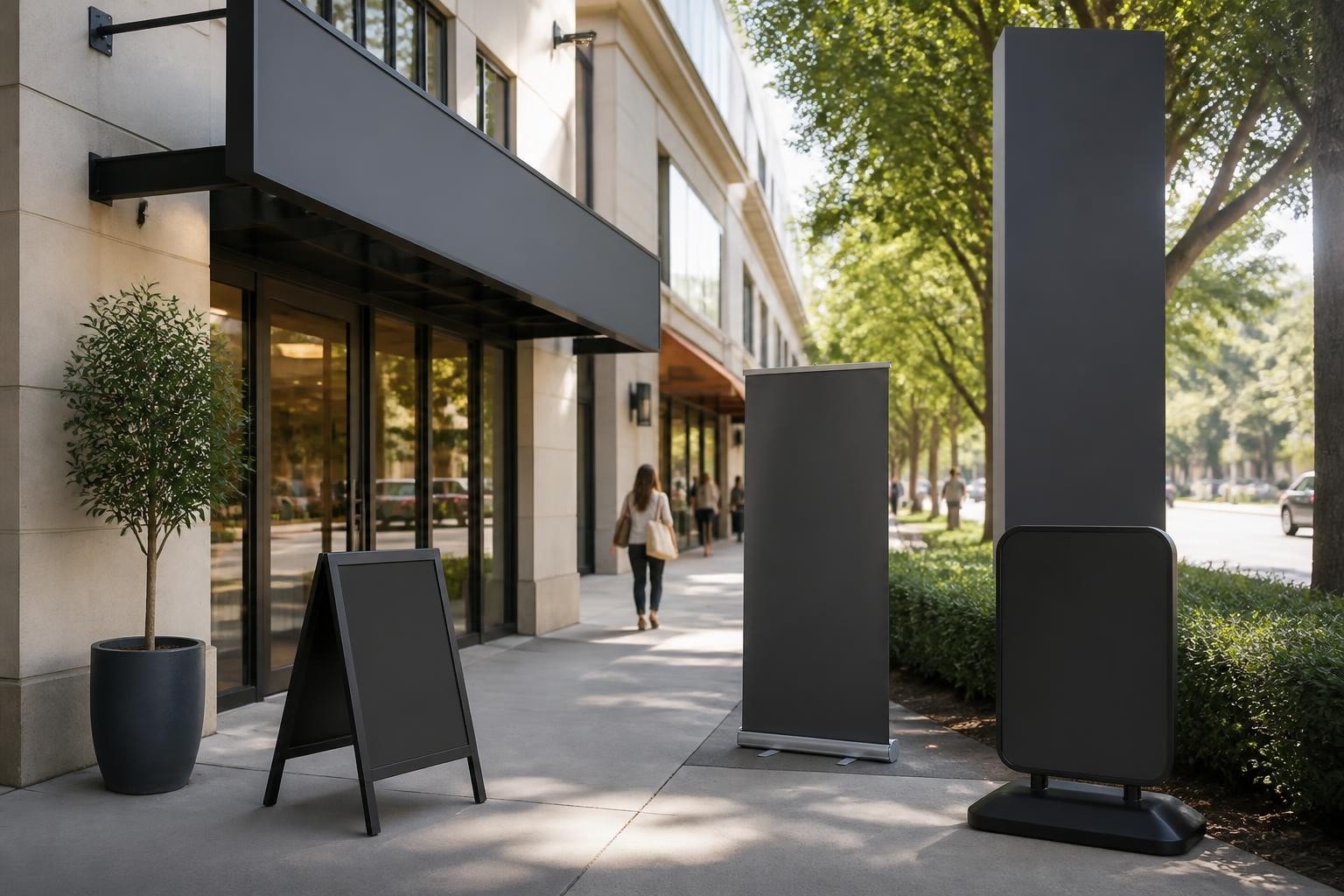



Exterior Business Signage: A Complete Guide for South African Businesses
Your shopfront is your first conversation with potential customers. Before they walk through your door, before they browse your website, they see your exterior signage. In South Africa's competitive retail and corporate landscape, effective exterior business signage doesn't just identify your location; it communicates your brand values, differentiates you from competitors, and drives foot traffic. Whether you're launching a new retail outlet in Johannesburg or rebranding a pharmaceutical facility in Cape Town, understanding the nuances of exterior signage can transform your business visibility and customer acquisition.
Understanding the Strategic Value of Exterior Business Signage
Exterior business signage serves multiple commercial functions simultaneously. It acts as a permanent advertising medium, working twenty-four hours daily without ongoing costs. Unlike digital marketing campaigns that require continuous investment, quality exterior signage delivers consistent brand exposure for years.
Primary business benefits include:
- Location identification: Helping customers find your premises amongst competitors
- Brand reinforcement: Strengthening brand recognition through consistent visual identity
- Purchase influence: Studies show that nearly 76% of consumers have entered a shop based solely on signage
- Competitive differentiation: Standing out in crowded commercial districts
The return on investment for well-designed exterior business signage often exceeds that of other marketing channels. A single sign can generate thousands of impressions monthly, particularly in high-traffic areas. For businesses in retail hubs or along major thoroughfares, strategic sign placement can dramatically improve drive-by recognition and customer recall.

The Psychology Behind Effective Signage
Colour psychology, typography, and visual hierarchy all influence how potential customers perceive your business. Research demonstrates that people form first impressions within seven seconds, and your exterior signage dominates that critical window. Bold, legible typefaces communicate professionalism and accessibility, whilst poor contrast or cluttered designs suggest disorganization.
Consistency matters immensely. Your exterior signage should align with your broader brand identity, creating a seamless visual experience from street level through to interior spaces. This coherence builds trust and professionalism, particularly crucial for corporate and pharmaceutical sectors where credibility directly impacts customer decisions.
Types of Exterior Business Signage Solutions
Selecting the appropriate signage type depends on your location, budget, brand positioning, and local regulations. Different types of exterior business signs serve distinct purposes and suit various architectural contexts.
Fascia and Building-Mounted Signs
Fascia signs mount directly onto your building's facade, providing prominent brand visibility at eye level and from distance. These traditional options work exceptionally well for retail high streets and shopping centres where customers approach on foot.
Key considerations for fascia signage:
- Building material compatibility (brick, concrete, glass)
- Mounting method (direct fix, standoff brackets, tray systems)
- Illumination requirements (internal LED, external spotlights)
- Weight distribution and structural support
Building-mounted solutions range from simple vinyl lettering to complex three-dimensional letters with LED illumination. The architectural style of your premises should guide design choices. Contemporary buildings suit sleek, minimalist approaches, whilst heritage properties may require sympathetic traditional designs.
Pylon and Monument Signage
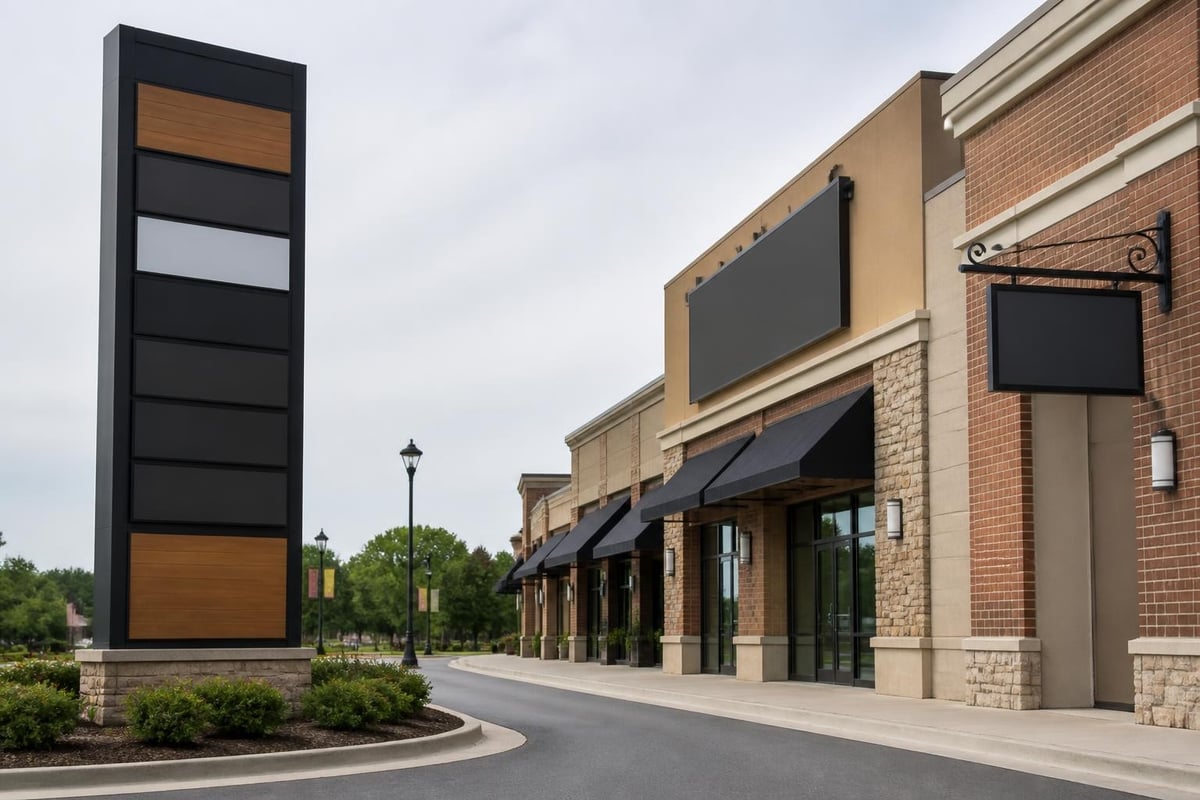
Pylon Signage provides maximum visibility from significant distances, making it ideal for businesses set back from roadways or in shared commercial parks. These freestanding structures can reach several metres in height, ensuring your brand stands out amongst surrounding developments.
| Feature | Pylon Signs | Monument Signs |
|---|---|---|
| Height | 4-15+ metres | 1-3 metres |
| Visibility | Excellent long-distance | Strong street-level |
| Cost | Higher investment | Moderate investment |
| Best for | Highways, large campuses | Upscale retail, corporate |
| Council complexity | More stringent | Standard requirements |
Monument signs offer ground-level alternatives, typically constructed from masonry, metal, or composite materials. These convey permanence and prestige, particularly effective for corporate headquarters, medical facilities, and professional services. Their lower profile often faces fewer regulatory hurdles than tall pylons.
Understanding what you need to know before installing an exterior business sign regarding permits and regulations prevents costly delays and compliance issues. South African municipalities maintain specific requirements regarding setbacks, heights, illumination, and environmental impact.
Blade and Projecting Signs
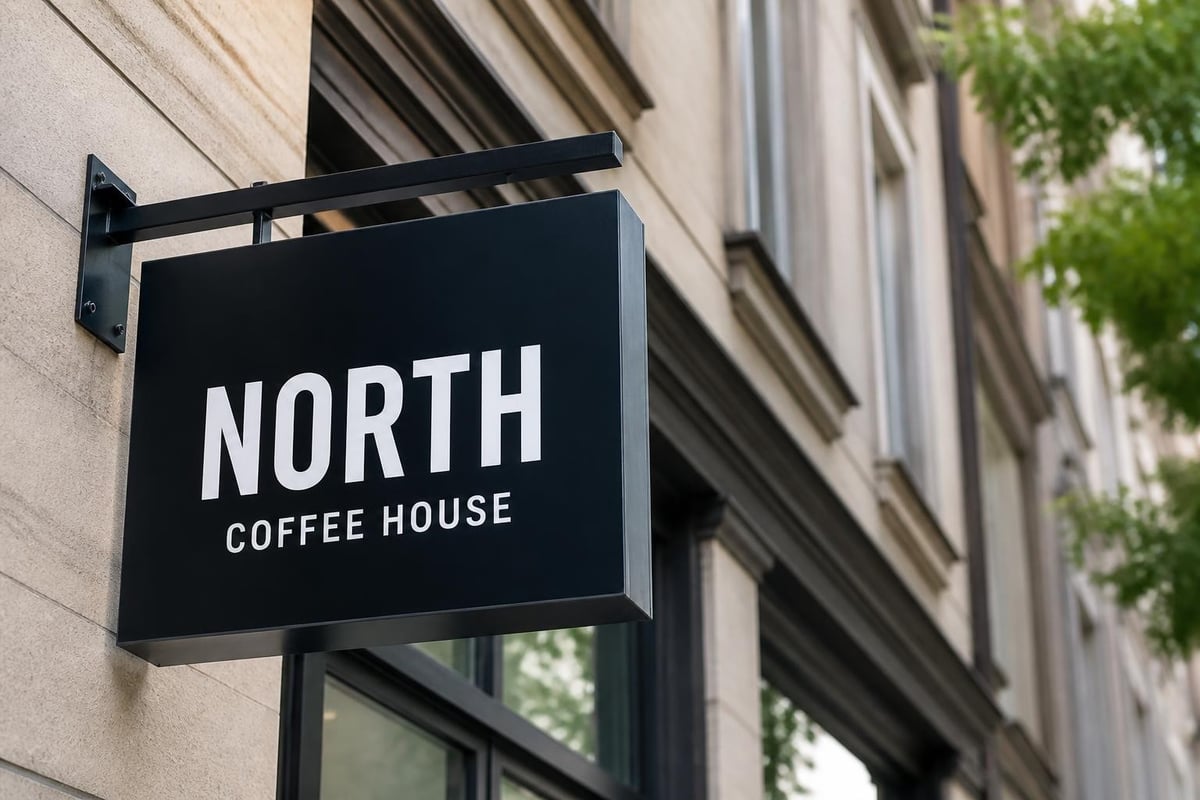
Projecting blade signs extend perpendicular to your building, visible to pedestrians and traffic from both directions. These prove particularly valuable in dense urban environments where multiple businesses compete for attention along the same street.
Advantages of blade signage:
- Dual-direction visibility
- Effective in narrow streets
- Traditional aesthetic appeal
- Compact footprint
These signs work brilliantly for restaurants, boutiques, professional services, and any business targeting foot traffic. Double-sided designs maximise visibility, whilst shaped blades (circles, shields, custom silhouettes) create memorable visual signatures.
Material Selection for South African Conditions
Climate significantly impacts material performance. South Africa's intense UV exposure, temperature fluctuations, and regional weather patterns demand durable material choices that maintain appearance and structural integrity.
Weather-Resistant Materials
Aluminium composite panels deliver excellent durability whilst remaining lightweight. Their layered construction resists warping, and modern finishes withstand UV degradation exceptionally well. These panels suit contemporary designs and accept various finishing techniques.
Acrylic provides versatility for both illuminated and non-illuminated applications. First-surface printed and backed with white acrylic creates vibrant, weather-resistant graphics. For budget-conscious projects, acrylic offers good performance at moderate cost points.
Stainless steel represents premium durability and aesthetic appeal. Brushed, polished, or powder-coated finishes suit high-end retail, corporate, and pharmaceutical applications. Initial investment exceeds other materials, but longevity and minimal maintenance deliver long-term value.
| Material | UV Resistance | Durability | Cost | Best Applications |
|---|---|---|---|---|
| Aluminium Composite | Excellent | 15-20 years | Medium | Fascia, panel signs |
| Acrylic | Very Good | 10-15 years | Low-Medium | Lightboxes, channel letters |
| Stainless Steel | Outstanding | 20+ years | High | Premium brands, monuments |
| Vinyl Graphics | Good | 5-7 years | Low | Temporary, window graphics |
| LED Modules | Excellent | 50,000+ hours | Medium | Illumination, digital displays |
When exploring signage materials, consider not just initial appearance but how materials age in your specific location. Coastal environments demand different specifications than inland areas due to salt exposure and humidity variations.
Illumination Technologies
Illuminated exterior business signage extends your visibility beyond daylight hours, crucial for businesses operating evenings or wanting twenty-four-hour brand presence. LED technology has revolutionized signage illumination, offering energy efficiency, longevity, and design flexibility.
LED illumination options include:
- Channel letters with internal LEDs: Individual letters creating dimensional, eye-catching displays
- Backlit panels: Even illumination across larger graphic areas
- Spotlighting: External fixtures highlighting non-illuminated signage
- Edge-lit acrylic: Sleek, modern aesthetic with minimal energy consumption
Transitioning from traditional fluorescent or neon to LED reduces energy consumption by up to seventy percent whilst delivering brighter, more consistent illumination. Modern LED modules last fifty thousand hours or more, dramatically reducing maintenance requirements and replacement costs.
Design Principles for Maximum Impact
Effective exterior business signage balances creativity with functionality. Best practices for exterior signage design emphasise legibility, brand consistency, and appropriate scale.
Typography and Legibility
Letter height determines readability distance. As a general rule, each twenty-five millimetres of letter height provides roughly three metres of legibility. For roadside signage targeting motorists, substantially larger letters ensure readability at speed and distance.
Typography guidelines:
- Limit font variations (maximum two typefaces)
- Ensure adequate contrast between text and background
- Avoid overly decorative fonts that sacrifice legibility
- Consider letter spacing for optimal readability
- Test designs at actual viewing distances
Sans-serif typefaces typically provide superior legibility for exterior applications, particularly at distance or in challenging lighting conditions. Whilst serif fonts convey tradition and sophistication, they require careful sizing and spacing to maintain readability.
Colour Strategy and Brand Alignment
Colour choices impact both visibility and brand perception. High-contrast combinations (dark text on light backgrounds or vice versa) ensure maximum legibility. Your colour palette should align with established brand guidelines whilst considering how colours appear under different lighting conditions.
Some colours fade faster under UV exposure. Reds and blues generally maintain vibrancy longer than yellows and oranges. Quality materials and UV-resistant inks mitigate fading, but initial colour selection influences long-term appearance.
Understanding the psychology of colour in signage design helps align visual choices with desired customer perceptions and emotional responses.
Installation and Placement Strategies
Even brilliantly designed exterior business signage fails if poorly positioned. Optimal placement considers sightlines, approach angles, surrounding visual clutter, and physical obstructions.
Site Analysis and Positioning
Conduct thorough site surveys before finalising signage specifications. Walk and drive approach routes at various times of day, noting visibility challenges, competing visual elements, and optimal positioning opportunities.
Critical placement factors:
- Setback requirements: Municipal regulations often specify minimum distances from property lines
- Height restrictions: Zoning regulations limit maximum sign heights
- Sightline obstructions: Trees, utility poles, other buildings
- Traffic patterns: Vehicle speeds, pedestrian flows, parking approaches
- Competitive context: Surrounding business signage
For businesses in shared developments or shopping centres, coordination with property management ensures compliance with estate guidelines. Some developments maintain strict design codes governing colour palettes, materials, and sizes to preserve aesthetic coherence.
Professional Installation Importance
Proper installation ensures safety, longevity, and optimal performance. Professional signage installation addresses structural engineering, electrical connections, weatherproofing, and regulatory compliance that DIY approaches frequently overlook.
Mounting systems must account for wind loading, particularly for large pylons or projecting signs. South African weather can generate significant wind forces, demanding robust anchoring and structural support. Professional installers calculate these loads and specify appropriate fixings.
Electrical work for illuminated signage requires licensed electricians familiar with outdoor installation standards, weatherproof connections, and safety disconnects. Improper electrical installation creates fire risks, shortens component life, and may void warranties.
Regulatory Compliance and Approvals
South African municipalities maintain distinct requirements for exterior business signage. Johannesburg's regulations differ from Cape Town's or Durban's, requiring careful research before proceeding with installation.
Municipal Application Process
Most councils require formal applications for new exterior signage, particularly for illuminated signs, pylons, or installations exceeding certain size thresholds. The approval process for pylons can take several weeks to months, demanding advance planning.
Typical application requirements include:
- Detailed technical drawings showing dimensions and placement
- Structural engineering certificates for large installations
- Photographs of existing conditions
- Landlord consent (for leased premises)
- Environmental impact assessments (for major installations)
- Heritage impact assessments (in protected areas)
Application fees vary by municipality and sign type. Budget for these costs during project planning, as they can represent significant expenses for large installations.
Ongoing Compliance Obligations
Once installed, exterior business signage must maintain compliance with safety and maintenance standards. Understanding signage regulations prevents penalties and ensures public safety.
Regular inspections identify structural deterioration, electrical faults, or damage requiring repair. Many municipalities conduct periodic compliance audits, issuing notices for non-compliant or poorly maintained signage. Establishing maintenance schedules protects your investment and prevents enforcement actions.
Maintenance for Long-Term Performance
Exterior business signage faces constant environmental assault from UV radiation, weather, pollution, and physical contact. Proactive maintenance preserves appearance, ensures safety, and extends useful life.
Preventive Maintenance Schedules
Recommended maintenance activities:
- Monthly: Visual inspections for damage, loose components, illumination failures
- Quarterly: Cleaning to remove dirt, pollution, bird droppings
- Annually: Detailed structural inspections, electrical testing, weatherseal verification
- As needed: Repairs, lamp replacements, graphic refreshes
Different materials demand specific cleaning approaches. Abrasive cleaners damage acrylic and vinyl graphics, whilst harsh chemicals corrode certain metals. Always use manufacturer-recommended cleaning products and methods.
LED illumination requires minimal maintenance compared to traditional technologies, but connections and power supplies need periodic inspection. Long-term signage maintenance strategies balance cost control with appearance standards.
When to Consider Replacement
Even well-maintained exterior business signage eventually requires replacement. Faded graphics, structural deterioration, or outdated branding justify refresh projects. Technological advances also create opportunities. Many businesses upgrade to LED illumination during refurbishment, achieving energy savings that partially offset replacement costs.
Rebranding initiatives provide natural opportunities for signage updates. Aligning exterior signage with new brand identities ensures consistent customer experiences and maximises rebranding investment returns.
Industry-Specific Considerations
Different sectors face unique exterior business signage requirements based on regulatory environments, customer expectations, and operational contexts.
Retail Applications
Retail exterior business signage must attract immediate attention whilst communicating brand personality. High streets demand designs that stand out amongst dense competitor signage without appearing garish or unprofessional.
Seasonal promotions often incorporate temporary exterior elements like banners or window graphics complementing permanent signage. This layered approach maintains brand consistency whilst allowing tactical marketing flexibility.
Corporate and Pharmaceutical
Professional services, corporate headquarters, and pharmaceutical facilities prioritise credibility and permanence over attention-grabbing designs. Monument signs, dimensional letters, and restrained colour palettes communicate stability and expertise.
These sectors often face stricter approval processes due to location in business parks or office estates with comprehensive design guidelines. Coordination with estate managers during design phases prevents costly revisions.
Construction Sites
Construction project signage serves temporary functions but maintains professional standards. Durable materials withstand harsh site conditions, whilst clear contractor information and safety messaging comply with regulatory requirements.
Understanding council approval for construction sites ensures compliance with specific requirements governing temporary signage installations.
Digital Integration and Modern Technologies
Traditional static signage increasingly incorporates digital elements. Digital Signage ranges from simple LED message boards to high-resolution video walls, offering dynamic content capabilities impossible with conventional materials.
Digital signage advantages include:
- Real-time content updates without physical changes
- Multiple messages rotating throughout the day
- Integration with social media and live data feeds
- Enhanced visual impact through motion and video
Investment costs exceed traditional options, but digital platforms deliver ongoing value through advertising potential, promotional flexibility, and engagement capabilities. For businesses with frequently changing offers or multiple services, digital components justify premium costs.
Energy considerations matter for digital installations. Modern LED displays consume substantially less power than older technologies, but still represent ongoing operational costs. Solar-powered options suit certain applications, particularly remote locations or sustainability-focused brands.
Budgeting and Investment Planning
Exterior business signage costs vary dramatically based on size, complexity, materials, and installation requirements. Small window graphics might cost a few thousand rand, whilst comprehensive pylon installations can exceed several hundred thousand.
Cost Components
| Element | Typical Range | Notes |
|---|---|---|
| Design and artwork | 5-15% of total | Professional design ensures effectiveness |
| Materials and fabrication | 40-60% of total | Quality impacts longevity significantly |
| Installation | 20-35% of total | Complexity drives costs |
| Permits and approvals | 5-10% of total | Municipal fees vary widely |
| Maintenance (annual) | 2-5% of initial | Prevents premature deterioration |
Viewing exterior business signage as long-term investment rather than expense shifts perspective productively. Quality installations deliver value for fifteen to twenty years, making cost-per-impression extraordinarily low compared to advertising alternatives.
Financing options exist for substantial installations. Some signage companies offer payment plans, whilst business equipment financing can cover signage investments. Consider total cost of ownership including maintenance when comparing options.
Effective exterior business signage represents one of the most cost-efficient marketing investments available, delivering continuous brand exposure and customer acquisition for years. By carefully considering design principles, material selection, placement strategies, and regulatory requirements, businesses create powerful visual assets that drive commercial success. Whether you need a simple fascia board or a comprehensive multi-site solution, Signs4SA brings expertise, quality craftsmanship, and national reach to deliver signage that elevates your brand presence and delivers measurable results.