



Signage Board Guide: Types, Materials & Applications
A signage board serves as the visual cornerstone of business communication, guiding customers, conveying brand identity, and ensuring safety compliance across countless environments. From towering pylon structures along motorways to intricate wayfinding systems within corporate campuses, these essential communication tools combine form and function to deliver messages effectively. Understanding the nuances of signage board selection, materials, design principles, and regulatory requirements enables businesses to make informed decisions that yield maximum return on investment whilst maintaining compliance with industry standards.
Understanding Signage Board Fundamentals
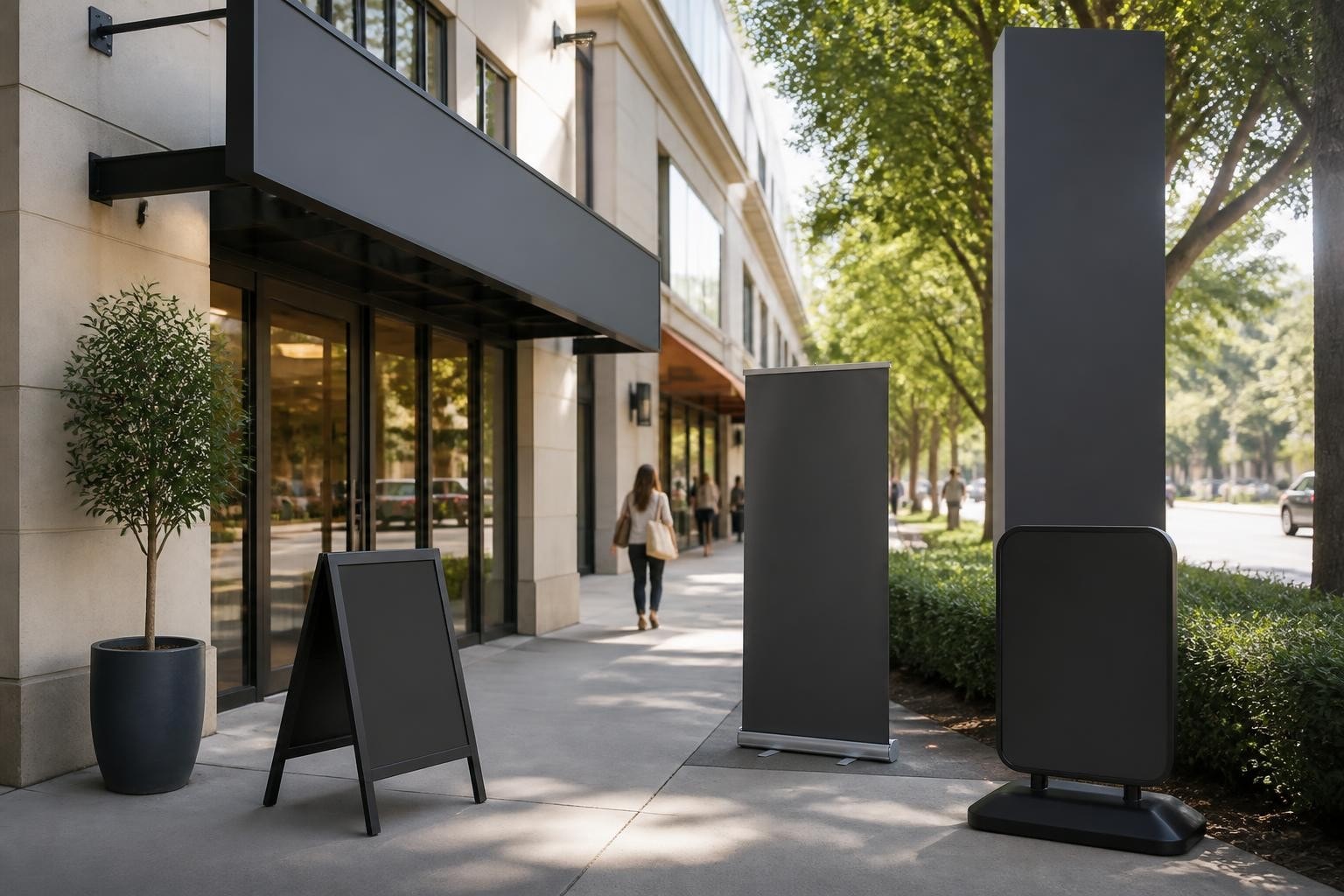
The term signage board encompasses a diverse range of communication platforms designed for both interior and exterior applications. At its core, a signage board is any fixed or portable display surface that conveys information, directions, branding, or safety instructions to a target audience.
Key categories of signage boards include:
- Wayfinding and directional systems
- Brand identity and promotional displays
- Safety and compliance signage
- Informational and instructional boards
- Digital displays and interactive solutions
The selection process for an appropriate signage board requires careful consideration of viewing distance, environmental conditions, regulatory requirements, and the intended message lifespan. Businesses across South Africa's corporate, retail, construction, and pharmaceutical sectors rely on these communication tools to maintain operational efficiency and brand consistency.
Material Considerations for Durability
Modern signage board construction utilises materials engineered for specific environmental conditions and aesthetic requirements. The substrate choice directly impacts longevity, maintenance requirements, and overall cost-effectiveness.
| Material | Best Applications | Lifespan | Weather Resistance |
|---|---|---|---|
| Aluminium composite | Exterior branding, pylons | 10-15 years | Excellent |
| Acrylic | Interior displays, lightboxes | 7-10 years | Good (UV-stabilised) |
| Dibond | High-end signage, dimensional letters | 15+ years | Excellent |
| Vinyl on substrate | Temporary promotions, vehicle graphics | 3-5 years | Moderate |
| Galvanised steel | Industrial, safety signage | 20+ years | Exceptional |
Material selection must align with South Africa's diverse climate conditions, from coastal humidity to highveld UV exposure. Protective coatings and surface treatments extend the functional life of outdoor signage boards considerably. Research from the Sign Research Foundation demonstrates that proper material specification can reduce replacement costs by up to 40% over a ten-year period.

Design Principles That Drive Effectiveness
Successful signage board design balances aesthetic appeal with functional readability. The principles governing effective visual communication apply universally, regardless of industry or application.
Typography represents perhaps the most critical design element. Character height, stroke width, and spacing directly influence legibility at various viewing distances. The U.S. Access Board guidance on signage provides valuable benchmarks for character sizing, noting that one inch of letter height typically provides 10 feet of readable distance for standard vision.
Contrast ratios between text and background must meet minimum thresholds to ensure accessibility. Dark text on light backgrounds or vice versa should maintain at least a 70% contrast ratio. This becomes particularly important for safety signage where comprehension under stress or poor lighting conditions is essential.
Colour Psychology in Commercial Applications
Colour selection extends beyond aesthetic preference. Different hues trigger distinct psychological responses that can reinforce brand messaging or convey urgency for safety applications.
Strategic colour applications include:
- Red: Urgency, warnings, clearance sales
- Blue: Trust, professionalism, healthcare
- Green: Growth, environmental focus, permission
- Yellow: Caution, attention, value offerings
- White: Cleanliness, simplicity, premium positioning
Understanding the psychology of colour in signage design enables businesses to align their signage board specifications with broader marketing objectives. Retail environments particularly benefit from colour strategies that guide customer journeys through deliberately designed visual hierarchies.
Regulatory Compliance and Standards
South African businesses must navigate various regulatory frameworks when installing signage boards, particularly for safety applications and public-facing displays. Municipal bylaws, building codes, and industry-specific regulations all influence permitted signage types, sizes, and placement.
The Manual on Uniform Traffic Control Devices provides internationally recognised standards for road-facing signage, including specifications for retroreflectivity, mounting heights, and colour coding. Whilst developed for U.S. applications, these principles inform best practices worldwide and offer valuable guidance for businesses seeking to maximise visibility along roadways.
For construction and industrial applications, safety signage compliance requirements mandate specific pictograms, text sizes, and colour combinations. The South African National Standards (SANS) specifications align broadly with international ISO standards, ensuring consistency across multinational operations.
Accessibility Requirements
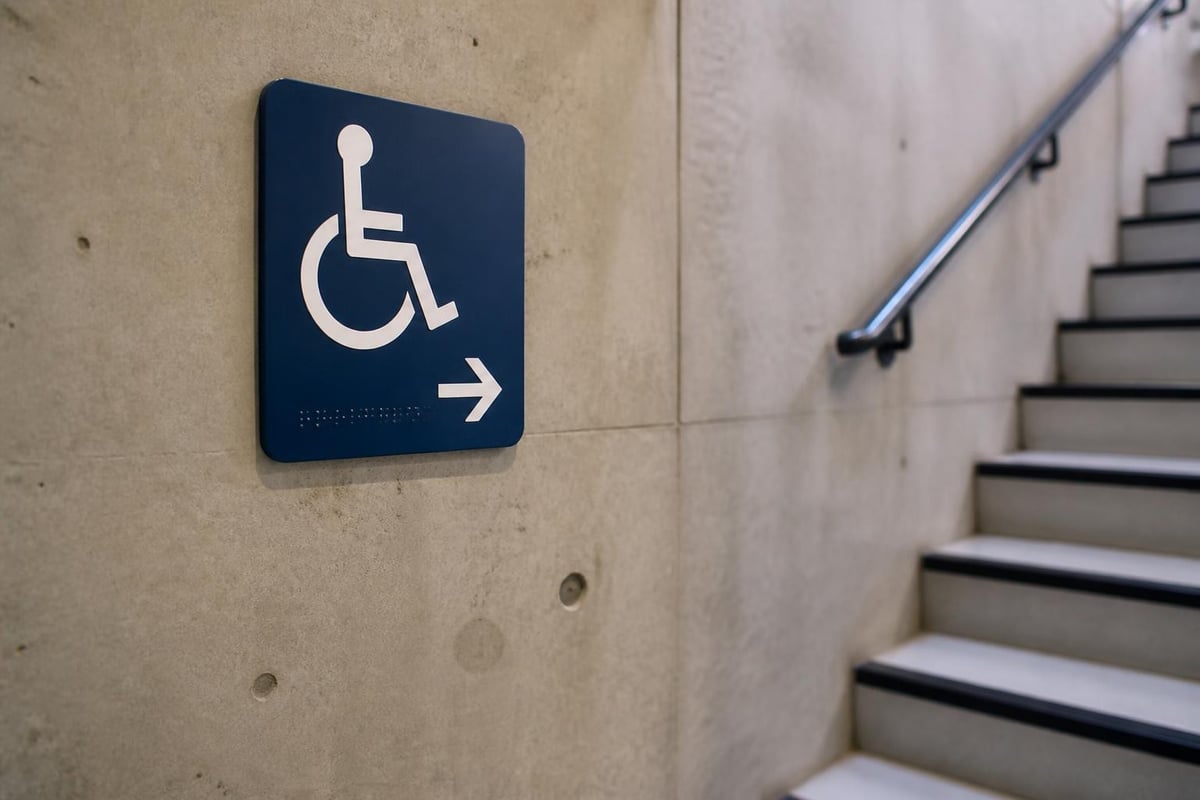
Modern signage board installations must accommodate users with varying abilities. Tactile elements, Braille translations, and appropriate mounting heights ensure compliance with accessibility legislation whilst demonstrating corporate social responsibility.
The SEGD guide on accessible wayfinding extends beyond minimum legal requirements, offering best practices for truly inclusive design. Key considerations include:
- Tactile character height between 15-50mm raised at least 0.8mm
- Braille Grade 2 positioned below corresponding text
- Mounting heights between 1200-1600mm to centre of sign
- Non-glare finishes to aid users with light sensitivity
- High-contrast colour combinations (minimum 70% differential)
These specifications particularly matter for corporate campuses, healthcare facilities, and retail environments where diverse populations interact with signage systems daily.
Installation Techniques and Site Preparation
Proper installation determines whether a signage board achieves its projected lifespan and performs as designed. The foundation work, mounting systems, and weatherproofing directly influence long-term outcomes.
For ground-mounted structures such as pylon signage, civil engineering plays a critical role. Foundation depth, concrete specifications, and drainage considerations must account for local soil conditions and wind loads. Partnering with experienced civil contractors like JRG Civils ensures that ground preparation meets engineering standards, particularly for large-format installations requiring substantial structural support.
Installation phases typically include:
- Site survey and utility location verification
- Foundation excavation and concrete pouring
- Structural steel or post installation
- Electrical conduit routing (for illuminated signs)
- Sign mounting and levelling
- Connection testing and final adjustments
Wall-mounted signage boards require equally thorough preparation. Substrate material, fixing method, and load distribution all influence whether the installation withstands environmental stresses over years of service. The importance of professional signage installation cannot be overstated, as improper mounting techniques void warranties and create safety hazards.
Environmental Considerations
South Africa's climate diversity demands location-specific installation approaches. Coastal installations require marine-grade fixings and enhanced corrosion protection. Inland locations face extreme temperature fluctuations and UV exposure that demand thermal expansion allowances and UV-stabilised materials.
Wind loading calculations prove particularly critical for large signage boards. Structural engineers typically design to withstand wind speeds 20-30% beyond recorded maximums for the area, providing safety margins that account for climate change and extreme weather events.
Maintenance Strategies for Longevity
A well-specified signage board requires ongoing maintenance to preserve its appearance and functionality throughout its design life. Proactive care programmes prevent minor issues from escalating into costly replacements.
| Maintenance Activity | Frequency | Purpose |
|---|---|---|
| Visual inspection | Monthly | Identify damage, fading, loose fixings |
| Surface cleaning | Quarterly | Remove pollutants, maintain appearance |
| Electrical testing (illuminated) | Bi-annually | Ensure safe operation, prevent failures |
| Structural assessment | Annually | Verify mounting integrity, corrosion check |
| Complete refurbishment | 5-7 years | Refresh graphics, replace worn components |
Regular cleaning extends the life of vinyl graphics and prevents permanent staining on acrylic and metal surfaces. Appropriate cleaning agents vary by substrate; harsh chemicals can damage protective coatings and accelerate material degradation. Following signage maintenance best practices protects the initial investment whilst ensuring the signage board continues to represent the brand effectively.
Documentation of maintenance activities provides valuable data for warranty claims and helps predict when replacement becomes more cost-effective than ongoing repairs. Most commercial signage boards reach a point where accumulated wear justifies complete replacement rather than incremental refurbishment.
Technology Integration and Digital Solutions
The signage landscape has evolved dramatically with digital technology integration. Traditional static signage boards now compete with dynamic displays that update content in real-time, respond to environmental conditions, and even interact with mobile devices.
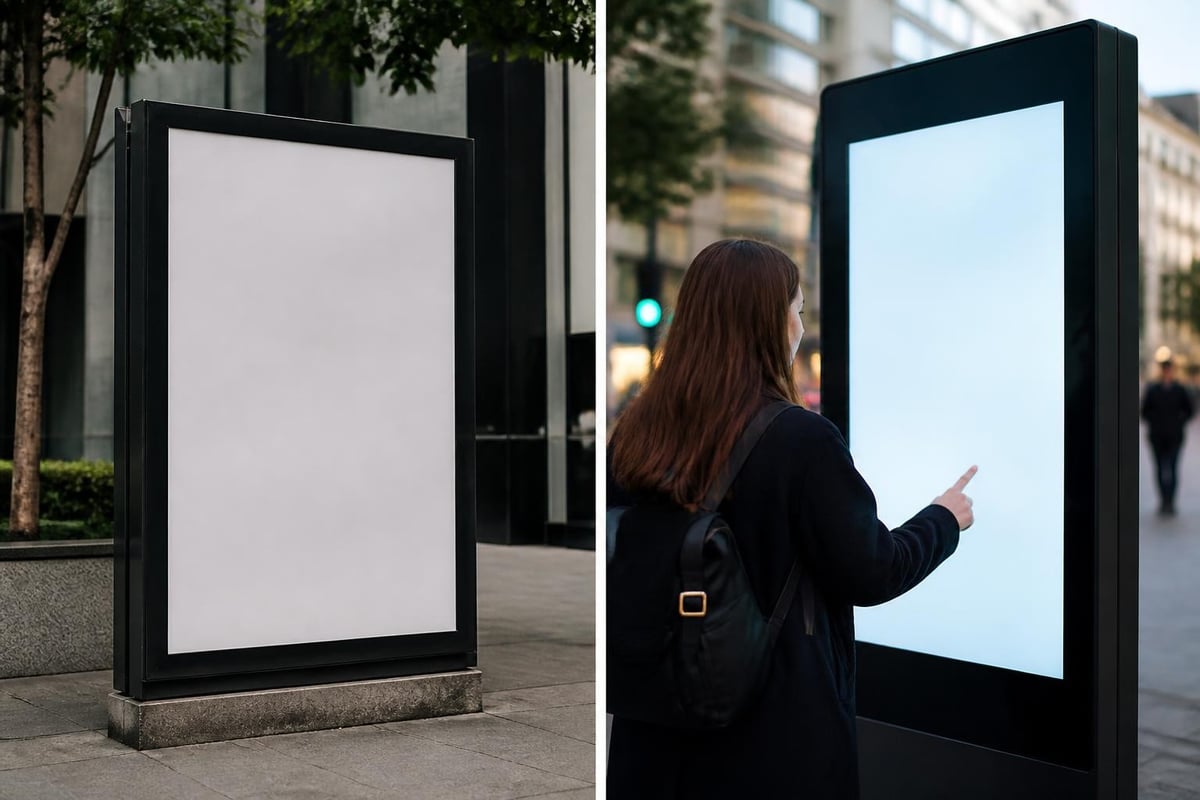
Digital signage boards offer unprecedented flexibility for businesses with changing messaging needs. Retail environments can adjust promotions hourly, corporate campuses can display emergency notifications instantly, and pharmaceutical facilities can update compliance information across multiple locations simultaneously.
Advantages of digital signage boards:
- Real-time content updates without physical replacement
- Reduced long-term costs for businesses with frequent messaging changes
- Enhanced engagement through motion and interactivity
- Data collection capabilities for audience analytics
- Energy efficiency through LED technology and scheduled operation
The SEGD resources on wayfinding and digital integration explore how static and digital elements work together in comprehensive communication systems. Hybrid approaches often deliver optimal results, with permanent branding elements complemented by flexible digital components for time-sensitive information.
Industry-Specific Applications
Different sectors demand specialised signage board solutions tailored to their unique operational requirements and regulatory environments.
Corporate Environments
Office campuses and business parks utilise signage boards for wayfinding, brand reinforcement, and visitor management. Multi-tenant facilities particularly benefit from modular directory systems that accommodate tenant changes without complete replacement. Materials selection favours sophisticated finishes like brushed aluminium and dimensional acrylic letters that convey professionalism.
Retail Applications
Retail signage boards must capture attention in competitive visual environments whilst communicating promotional messages clearly. Point-of-purchase displays, window graphics, and shop signs work together to guide customer journeys and influence purchasing decisions. Durability requirements vary based on whether displays are permanent brand elements or seasonal promotional tools.
Construction Sector
Construction sites require robust signage boards that withstand harsh conditions whilst communicating safety information and project details. Temporary site signage must meet regulatory requirements for visibility, information hierarchy, and weather resistance. Developers often invest in premium project signage that reflects the quality of the finished development, making materials selection a marketing decision as much as a functional one.
Pharmaceutical Industry
Pharmaceutical facilities face stringent regulatory requirements for signage systems. Cleanroom environments demand specific materials that withstand regular chemical cleaning without degradation. Compliance signage must remain legible and current, making maintenance programmes particularly critical in this sector.
Strategic Planning for Signage Investment
Successful signage board implementation begins with strategic planning that aligns visual communication with business objectives. Comprehensive signage audits identify gaps in current systems and opportunities for improvement.
Planning considerations include:
- Audience analysis and viewing conditions
- Message hierarchy and information architecture
- Brand consistency across multiple locations
- Budget allocation across different signage types
- Phased implementation for large-scale projects
- Maintenance programme establishment
The cost of commercial signage varies dramatically based on materials, size, complexity, and installation requirements. Understanding these variables enables realistic budgeting and prevents compromises that undermine signage effectiveness. Premium materials and professional installation represent investments that deliver returns through extended lifespan, reduced maintenance, and superior brand representation.
Businesses planning directional pylon installations must navigate council approval processes that can extend project timelines considerably. Early engagement with municipal authorities, detailed engineering drawings, and professional representation streamline approvals and prevent costly redesigns.
Material Innovation and Sustainability
The signage industry continues to evolve with new materials that offer improved performance whilst reducing environmental impact. Recycled aluminium composites, biodegradable substrates for temporary applications, and low-VOC inks represent growing trends toward sustainable signage solutions.
Modern manufacturing techniques enable increasingly complex designs without proportional cost increases. CNC routing, laser cutting, and digital printing technologies deliver precision that was prohibitively expensive just a decade ago. These capabilities allow businesses to specify truly bespoke signage boards that differentiate their brand in crowded marketplaces.
Energy efficiency particularly matters for illuminated signage. LED technology has revolutionised backlit and internally illuminated signs, reducing energy consumption by 75-90% compared to traditional fluorescent systems whilst delivering superior brightness and colour consistency. The total cost of ownership calculations now strongly favour LED solutions despite higher initial investment.
Protective coatings have also advanced significantly. Nano-ceramic treatments and specialised laminates resist graffiti, reduce cleaning requirements, and protect underlying graphics from UV degradation. These treatments particularly benefit high-traffic public spaces and outdoor installations in harsh climates.
Future Trends Shaping Signage Design
The convergence of physical and digital experiences drives innovation in signage board design. Augmented reality integration allows smartphones to unlock additional content when pointed at physical signs, creating layered information experiences that serve diverse audience needs without visual clutter.
Sustainability concerns influence material selection and lifecycle planning. Businesses increasingly demand modular signage systems where components can be updated independently, reducing waste and extending the useful life of core structures. This approach aligns with circular economy principles whilst offering practical advantages for organisations with evolving branding or messaging needs.
Smart city initiatives incorporate signage into broader urban data ecosystems. Electronic paper displays, solar-powered information boards, and sensor-integrated wayfinding systems represent the next generation of public signage infrastructure. These technologies will gradually migrate from municipal applications into commercial environments as costs decline and reliability improves.
Strategic signage board selection, proper installation, and ongoing maintenance deliver measurable returns through enhanced brand visibility, improved customer experiences, and regulatory compliance. Whether you're planning a comprehensive wayfinding system, updating retail promotions, or ensuring construction site safety, the right signage partner makes all the difference. Signs4SA combines manufacturing expertise, national reach, and industry-specific knowledge to deliver bespoke signage solutions that meet your unique requirements across corporate, retail, construction, and pharmaceutical sectors.