





Warning Signage: Essential Guide for Safety Compliance
Warning signage serves as the first line of defence in protecting people from potential hazards across industrial, commercial, and public environments. These critical safety communication tools alert individuals to dangers, reduce accident rates, and ensure organisations meet their legal obligations. From construction sites to pharmaceutical facilities, properly designed and strategically positioned warning signage can mean the difference between a safe environment and a preventable incident. Understanding the principles, regulations, and best practices surrounding these essential safety markers enables businesses to create comprehensive protection systems that safeguard employees, visitors, and the general public.
Understanding the Purpose and Impact of Warning Signage
Warning signage functions as a silent guardian that communicates potential dangers when human supervision cannot be constant. These visual alerts serve multiple purposes beyond simply identifying hazards. They demonstrate an organisation's commitment to safety, provide legal protection through documented risk communication, and create a culture of awareness amongst all who encounter them.
The primary objectives include:
- Immediate hazard identification for anyone entering a potentially dangerous area
- Reduction of liability exposure through clear communication of known risks
- Compliance with occupational health and safety legislation
- Reinforcement of safety protocols and standard operating procedures
Research consistently demonstrates that well-implemented warning signage reduces workplace incidents by making hazards visible and memorable. The visual nature of these signs transcends language barriers, making them particularly valuable in diverse work environments where multiple languages may be spoken.
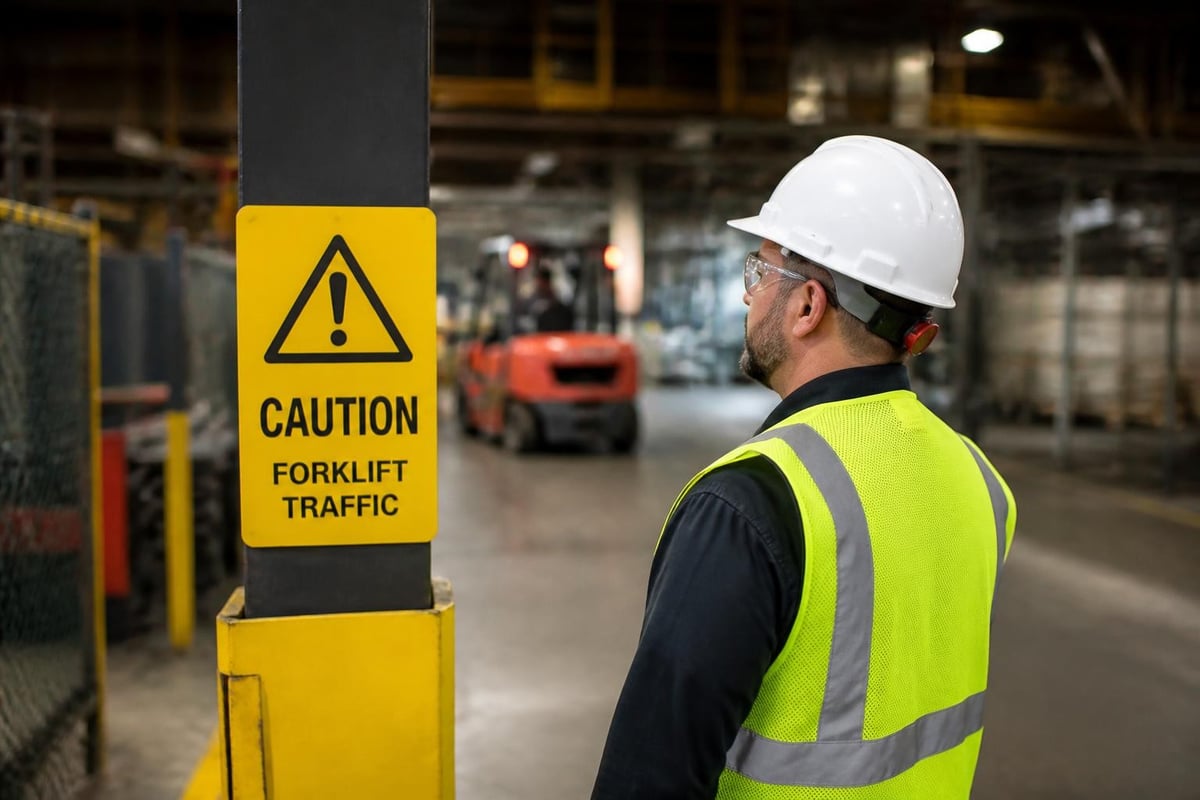
Regulatory Framework and Compliance Standards
South African businesses must adhere to comprehensive safety signage regulations outlined in the Occupational Health and Safety Act (OHSA). These requirements specify the types, colours, symbols, and placement of warning signage across different industries. Understanding safety signage compliance in South Africa ensures organisations avoid penalties whilst maximising protection.
The UK Health and Safety Executive guidance on warning signs provides valuable international perspective on best practices that many South African companies adopt voluntarily. These standards establish consistency in hazard communication, ensuring that a warning sign for electrical hazards appears similar whether in Johannesburg or London.
Types and Categories of Warning Signage
Warning signage encompasses a broad spectrum of safety communication tools, each designed for specific hazard types and environmental conditions. Selecting the appropriate category ensures maximum effectiveness in preventing accidents and injuries.
Hazard-Specific Warning Signs
Different dangers require distinct warning approaches. Chemical hazards demand detailed information about substances and emergency procedures, whilst physical hazards like falling objects need immediate visual recognition.
| Hazard Type | Warning Requirements | Typical Applications |
|---|---|---|
| Chemical | Substance identification, handling instructions, emergency contacts | Pharmaceutical facilities, laboratories, storage areas |
| Electrical | Voltage levels, qualified personnel only notices | Substations, control rooms, maintenance areas |
| Physical | Fall risks, suspended loads, confined spaces | Construction sites, warehouses, industrial facilities |
| Biological | Contamination risks, PPE requirements | Healthcare facilities, waste management, food processing |
Manufacturing environments frequently combine multiple hazard types, requiring integrated warning signage systems that address numerous risks simultaneously. A single industrial facility might need warnings for moving machinery, hazardous materials, high temperatures, and restricted access zones.
Temporary Versus Permanent Warning Installations
Construction and maintenance activities necessitate temporary warning signage that can be rapidly deployed and relocated. These portable solutions must maintain the same visibility and clarity standards as permanent installations whilst withstanding outdoor conditions and frequent repositioning.
Permanent warning signage requires more substantial investment in materials and installation but provides long-term hazard communication. These signs typically utilise weather-resistant materials, UV-stable inks, and robust mounting systems designed for years of service.
Design Principles for Maximum Effectiveness
The effectiveness of warning signage depends heavily on design choices that influence visibility, comprehension, and response. Poorly designed warnings may be ignored or misunderstood, negating their protective value regardless of placement or quantity.
Critical design elements include:
- Colour coding following international standards (yellow for caution, red for danger, orange for warning)
- Symbol clarity using universally recognised pictograms alongside text
- Text hierarchy prioritising the most critical information with size and weight
- Contrast ratios ensuring readability in various lighting conditions
- Material selection appropriate for environmental exposure and longevity requirements
Typography selection significantly impacts readability at distance. Sans-serif fonts with appropriate spacing and sizing enable quick comprehension, particularly important when warnings must be read from moving vehicles or during emergency situations. The Manual on Uniform Traffic Control Devices establishes comprehensive standards for roadway warning signage that many industries adopt for consistency.
Visibility and Placement Strategies
Strategic positioning determines whether warning signage achieves its protective purpose. Signs placed too high, obscured by equipment, or positioned where sight lines are interrupted become invisible to those who need their protection.
Optimal placement considers approach angles, lighting conditions throughout the day, and potential obstructions. Warning signage should be positioned where individuals naturally look when entering hazardous areas, typically at eye level and perpendicular to the direction of travel.
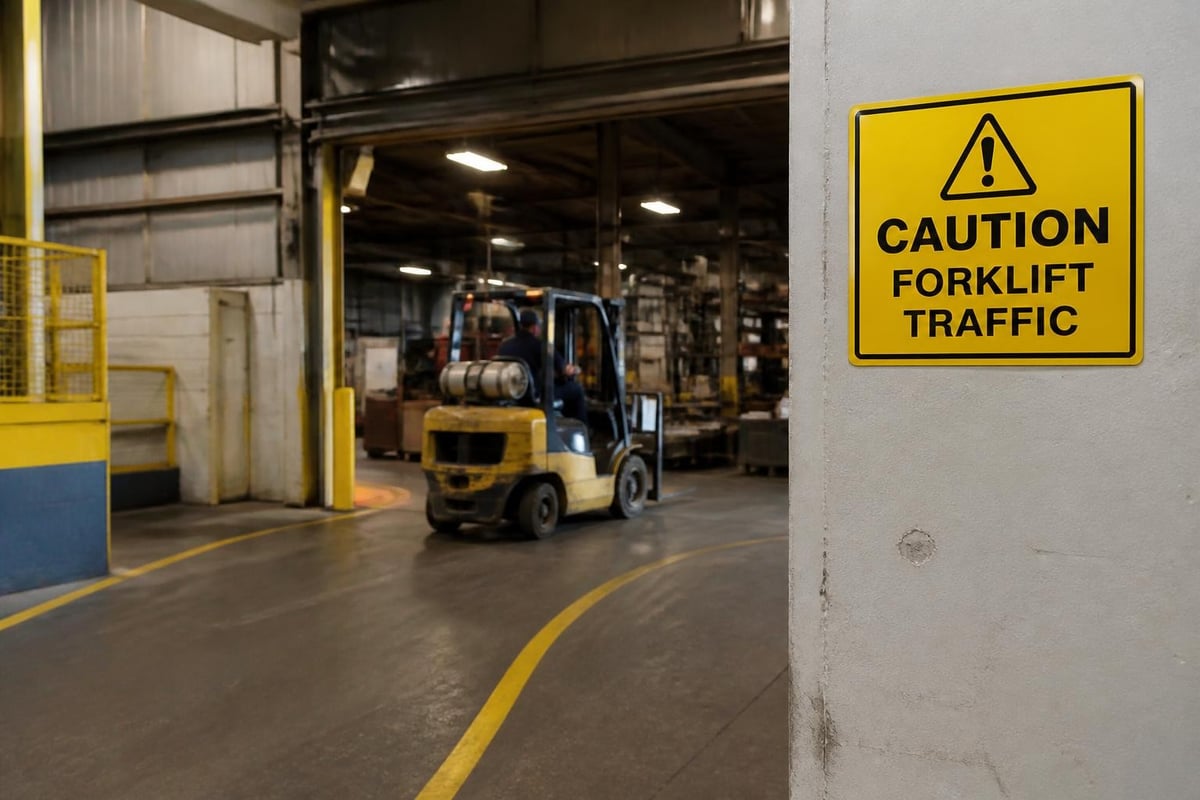
Industry-Specific Warning Signage Requirements
Different sectors face unique hazards that demand specialised warning signage approaches. Understanding these industry-specific requirements ensures compliance and optimal protection for sector-specific risks.
Construction and Industrial Applications
Construction sites present dynamic hazard environments where risks change daily as work progresses. Warning signage must adapt to evolving conditions, alerting workers and visitors to everything from excavation depths to overhead work and heavy machinery operation.
Industrial facilities require comprehensive warning signage systems addressing machinery hazards, chemical storage, high-voltage equipment, and restricted access areas. These environments often implement colour-coded floor markings that complement vertical warning signage, creating multi-layered safety communication.
The pharmaceutical industry combines industrial hazards with stringent contamination control requirements. Warning signage in these facilities must address both worker safety and product integrity, often requiring specialised materials that withstand frequent cleaning with harsh disinfectants.
Retail and Public Spaces
Retail environments need warning signage that maintains safety whilst preserving aesthetic appeal. Wet floor warnings, step notifications, and automatic door alerts must be visible without detracting from the shopping experience.
Healthcare facilities require warning signage that protects patients, visitors, and staff whilst maintaining a calm, reassuring atmosphere. The WHO guidance on patient safety emphasises clear communication in healthcare settings, including appropriate signage for infection control, radiation hazards, and restricted access areas.
Material Selection and Durability Considerations
The longevity and effectiveness of warning signage depend substantially on material choices appropriate for environmental conditions and usage intensity. Selecting inadequate materials results in fading, degradation, and ultimately ineffective hazard communication.
Common material options include:
- Aluminium composite panels for outdoor durability and weather resistance
- High-impact polycarbonate for areas subject to physical contact or vandalism
- Reflective sheeting for low-light conditions and nighttime visibility
- Photoluminescent materials for emergency egress in power failure situations
- Vinyl graphics on various substrates for cost-effective temporary applications
External warning signage faces particular challenges from South Africa's intense UV exposure, temperature fluctuations, and seasonal weather variations. Materials must resist fading, cracking, and delamination throughout years of exposure. Digital Signage solutions offer dynamic warning capabilities for environments where hazards change frequently, allowing instant updates to communicate evolving risks.
Maintenance and Inspection Protocols
Even the highest-quality warning signage requires regular maintenance to ensure continued effectiveness. Faded colours, damaged surfaces, or obscured text compromise safety communication and potentially expose organisations to liability.
| Inspection Frequency | Elements to Check | Corrective Actions |
|---|---|---|
| Weekly | Visibility, obstruction, lighting | Clear sight lines, adjust illumination |
| Monthly | Surface condition, mounting security | Clean surfaces, tighten fixtures |
| Quarterly | Colour retention, text legibility | Replace faded signs, update messaging |
| Annually | Regulatory compliance, hazard accuracy | Audit against current standards, verify relevance |
Implementing systematic inspection schedules prevents warning signage deterioration from compromising safety. Documentation of inspections demonstrates due diligence and provides evidence of ongoing safety commitment.
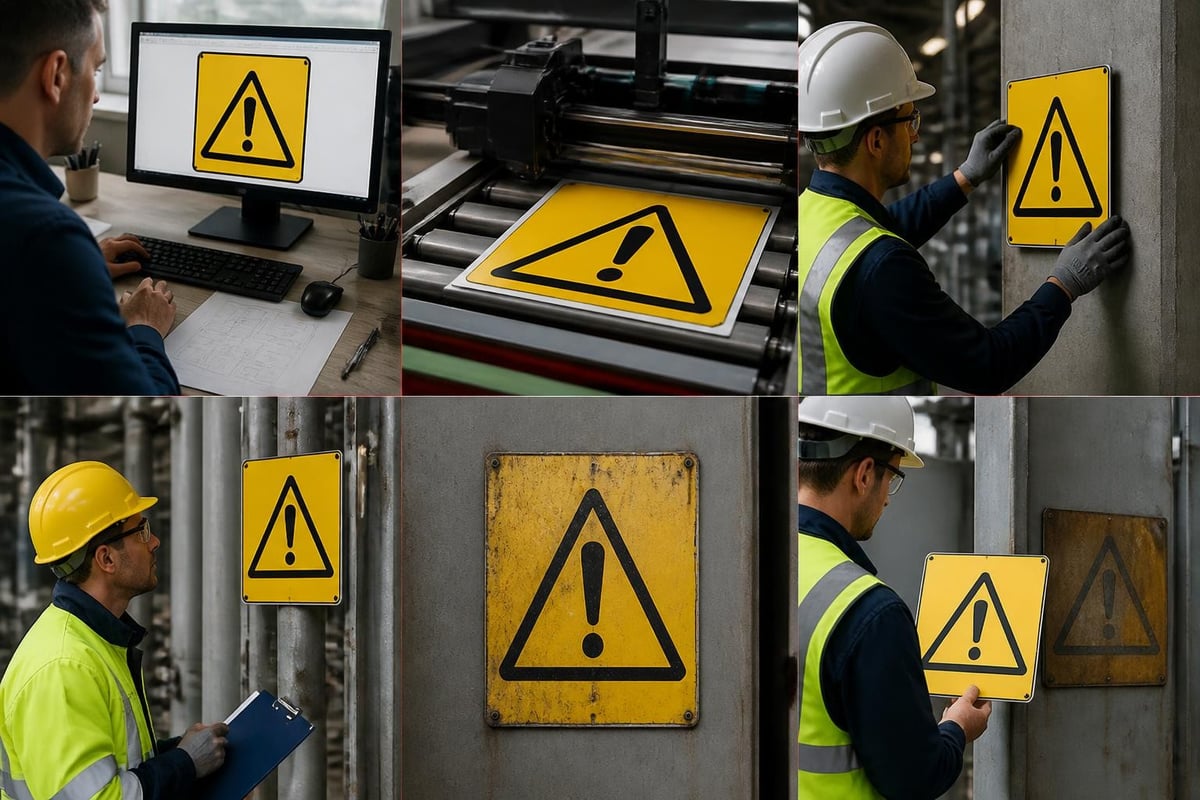
Integration with Comprehensive Safety Systems
Warning signage represents one component within broader safety management frameworks. Maximum effectiveness occurs when visual warnings complement training programmes, safety procedures, and physical hazard controls.
Complementary Safety Measures
Relying exclusively on warning signage without addressing underlying hazards through engineering controls or administrative measures provides inadequate protection. The hierarchy of controls places elimination and substitution above warnings, with signage serving as an essential but supplementary safeguard.
Training programmes should specifically reference warning signage, ensuring all personnel understand the meanings of symbols, colour codes, and pictograms they encounter. This education transforms passive warnings into active behaviour modifiers that influence decision-making and hazard awareness.
For organisations seeking comprehensive signage solutions that extend beyond warning applications, exploring the broader range of industry solutions available ensures coordinated visual communication across all operational areas.
Digital Integration and Modern Warning Systems
Technology integration transforms traditional warning signage into dynamic safety communication tools. Digital displays enable real-time hazard updates, multilingual messaging, and attention-grabbing animations that enhance hazard recognition.
Smart warning systems connect to environmental sensors, automatically activating when dangerous conditions arise. Temperature sensors trigger heat warnings, gas detectors activate chemical alerts, and proximity sensors illuminate warnings when unauthorised personnel approach restricted zones.
Advantages of digital warning systems:
- Instant message updates without physical sign replacement
- Scheduled messaging for shift-specific or time-dependent hazards
- Integration with building management and security systems
- Data collection on warning activation frequency and duration
- Remote monitoring and control capabilities
Traditional static warning signage remains essential for reliability during power failures and situations where digital systems may be impractical. Hybrid approaches combining permanent baseline warnings with digital enhancements often provide optimal protection.
Cost Considerations and Return on Investment
Implementing comprehensive warning signage programmes requires financial investment in design, materials, production, and installation. Understanding these costs alongside the substantial returns through accident prevention and liability reduction helps organisations make informed decisions.
The financial impact of workplace incidents far exceeds warning signage costs. Medical expenses, lost productivity, legal fees, regulatory penalties, and reputational damage from preventable accidents create massive financial burdens. Effective warning signage prevents these costs whilst demonstrating regulatory compliance and duty of care.
Material quality significantly influences lifecycle costs. Premium materials command higher initial prices but deliver superior longevity, reducing replacement frequency and long-term expenses. Budget materials may appear economical initially but often require frequent replacement, ultimately costing more whilst providing inferior protection.
Budgeting for Warning Signage Projects
Comprehensive budgeting considers not only sign production but also site assessment, regulatory consultation, installation, and ongoing maintenance. Organisations implementing warning signage across multiple locations benefit from standardised designs that reduce per-unit costs through economies of scale.
Professional signage companies in South Africa offer consultation services that identify hazards, recommend appropriate warning types, and ensure regulatory compliance. This expertise prevents costly mistakes such as inadequate coverage, incorrect messaging, or non-compliant installations.
Implementation Best Practices
Successful warning signage implementation follows systematic approaches that ensure comprehensive coverage, regulatory compliance, and maximum protective value. Rushed or incomplete implementations create gaps in hazard communication that expose organisations to preventable incidents.
Site Assessment and Hazard Mapping
Thorough facility assessments identify all locations requiring warning signage. This process involves walking entire sites, consulting with department managers, reviewing incident reports, and examining operational procedures to uncover every potential hazard.
Hazard mapping creates visual representations of risk locations, facilitating strategic warning signage placement. These maps reveal patterns such as hazard concentrations, high-traffic areas requiring multiple warnings, and zones where additional protective measures beyond signage may be necessary.
Assessment considerations include:
- Permanent versus temporary hazard locations
- Visibility requirements based on approach distances and angles
- Environmental factors affecting material selection
- Regulatory requirements specific to identified hazards
- Integration with existing safety infrastructure
Engaging employees who work in hazardous areas provides valuable insights into practical warning needs. Frontline workers often identify risks that may not be apparent during management assessments, ensuring more comprehensive protection.
Quality Assurance and Compliance Verification
Professional manufacturing ensures warning signage meets specified standards for materials, colours, and dimensions. Quality control processes verify that each sign matches approved designs and possesses the durability characteristics necessary for its intended environment.
Post-installation verification confirms proper placement, visibility, and mounting security. This final quality check ensures warning signage functions as intended before declaring protection systems operational.
Understanding the broader context of signage regulations and permits in South Africa helps organisations navigate approval processes and ensure full compliance with applicable legislation.
Effective warning signage protects lives, reduces liability, and demonstrates organisational commitment to safety across every industry and application. By understanding design principles, regulatory requirements, and implementation best practices, businesses create comprehensive hazard communication systems that safeguard everyone who enters their facilities. Signs4SA brings professional expertise in manufacturing high-quality warning signage tailored to your specific industry requirements, supported by comprehensive consultation and nationwide service delivery. Whether you need construction site warnings, pharmaceutical facility compliance signage, or retail safety solutions, our team ensures your warning signage meets the highest standards for protection and regulatory compliance.