



Signage Illuminated: Complete Guide for 2026
The modern business landscape demands constant visibility, and signage illuminated offers the perfect solution for companies seeking round-the-clock brand presence. As technology advances and customer expectations evolve, illuminated signage has transformed from simple lightboxes into sophisticated branding tools that combine energy efficiency, visual impact, and regulatory compliance. Whether you're managing a retail storefront, corporate facility, construction site, or pharmaceutical distribution centre, understanding the nuances of illuminated signage can dramatically improve your visibility, safety compliance, and return on investment.
Understanding Modern Illuminated Signage Technology
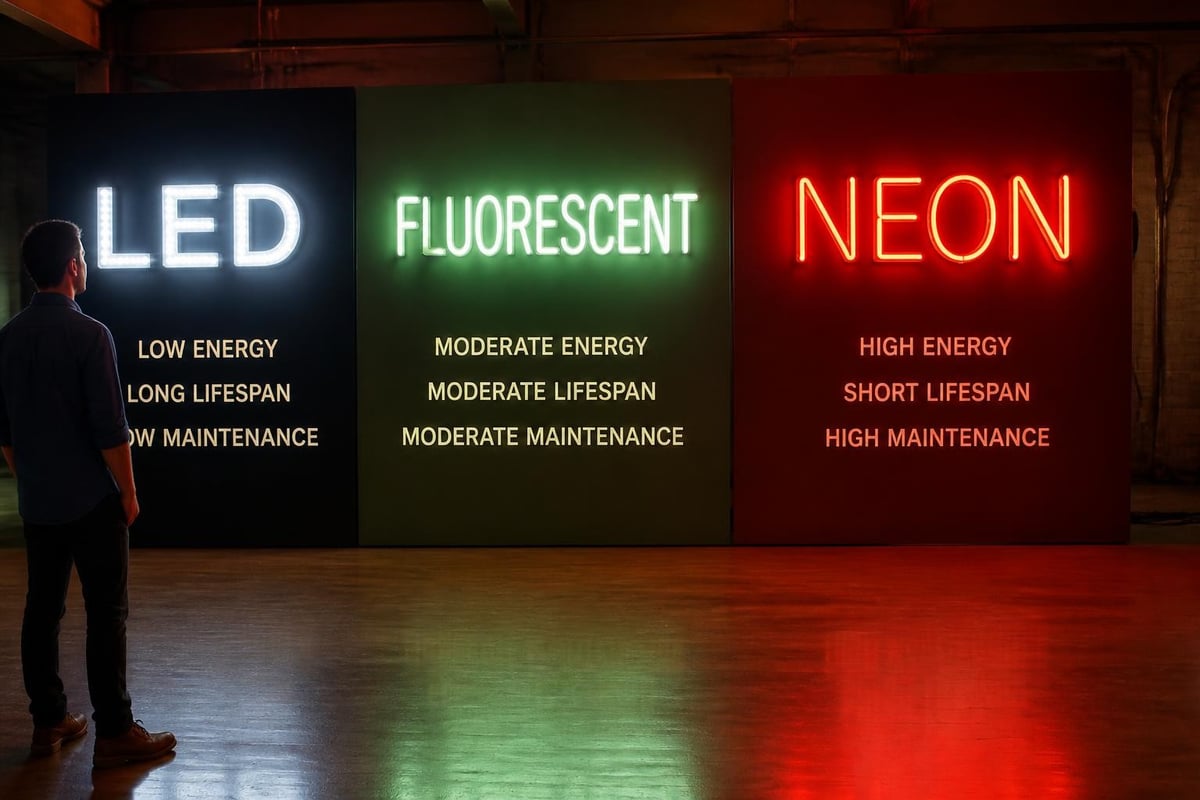
Signage illuminated has evolved considerably over the past decade, with LED technology dominating the market due to its superior efficiency and longevity. Today's illuminated signs utilise solid-state lighting that consumes up to 75% less energy than traditional fluorescent or incandescent options, whilst delivering brighter, more consistent illumination.
LED vs Traditional Lighting Systems
The shift towards LED technology represents more than just an energy upgrade. Modern LED systems offer:
- Lifespan exceeding 50,000 hours compared to 10,000 hours for fluorescent tubes
- Reduced maintenance costs through longer replacement cycles
- Enhanced colour rendering for accurate brand representation
- Immediate full brightness without warm-up periods
- Temperature resistance suitable for South African climate extremes
Traditional neon and fluorescent systems still exist in legacy installations, but the U.S. Department of Energy emphasises energy-efficient lighting benefits that make LED the superior choice for new installations and retrofits. The operational cost savings typically offset the initial investment within 18 to 24 months.
Illumination Methods and Applications
Different illumination techniques serve distinct purposes across various industries. Front-lit signage projects light onto the sign face, ideal for dimensional letters and complex graphics. Back-lit signage creates halo effects that add sophistication to corporate environments. Edge-lit acrylic panels provide uniform illumination for modern, minimalist designs commonly seen in pharmaceutical and retail settings.
Channel letters with individual LED modules offer exceptional flexibility for building signage installations, allowing each letter to be illuminated independently. This modular approach simplifies maintenance and enables creative lighting effects that enhance brand identity during evening hours.
Compliance and Safety Standards for Illuminated Signs
Regulatory compliance represents a critical aspect of signage illuminated installations, ensuring both public safety and long-term operational reliability. South African businesses must navigate various standards whilst considering international best practices that inform local regulations.
Electrical Safety Requirements
The installation of signage illuminated systems must adhere to stringent electrical standards. UL Standard UL 48 serves as the primary safety and performance standard for electrically illuminated signs globally, covering everything from LED components to luminaire construction and testing protocols. Whilst not directly applicable in South Africa, these standards inform local electrical compliance requirements.
Proper electrical installation requires:
- Qualified electrician certification for all wiring and connections
- Appropriate circuit protection including RCD and surge suppression
- Weatherproof enclosures for external installations
- Grounding and bonding to prevent electrical hazards
- Load calculations ensuring circuit capacity matches demand
Understanding NFPA and National Electrical Code requirements provides valuable context for electrical safety considerations, even when working within South African regulatory frameworks. Professional signage manufacturers integrate these safety principles into their design and installation processes.
Accessibility and Visual Requirements
Signage illuminated for public spaces must meet accessibility standards that ensure visibility for all users. The ADA guidance on accessible sign design outlines principles applicable beyond the United States, including appropriate contrast ratios, character sizing, and illumination levels that don't create glare or visual discomfort.
| Accessibility Factor | Requirement | Application |
|---|---|---|
| Contrast Ratio | Minimum 70% | Text to background |
| Character Height | 16mm minimum | Viewing distance dependent |
| Illumination Level | 100-300 lux | Non-glare uniform distribution |
| Mounting Height | 1200-2100mm | Tactile sign placement |
Design Considerations for Maximum Impact
Effective signage illuminated extends beyond simple visibility to create memorable brand experiences that differentiate businesses in competitive markets. Strategic design decisions influence both aesthetic appeal and functional performance.
Brand Consistency and Visual Hierarchy
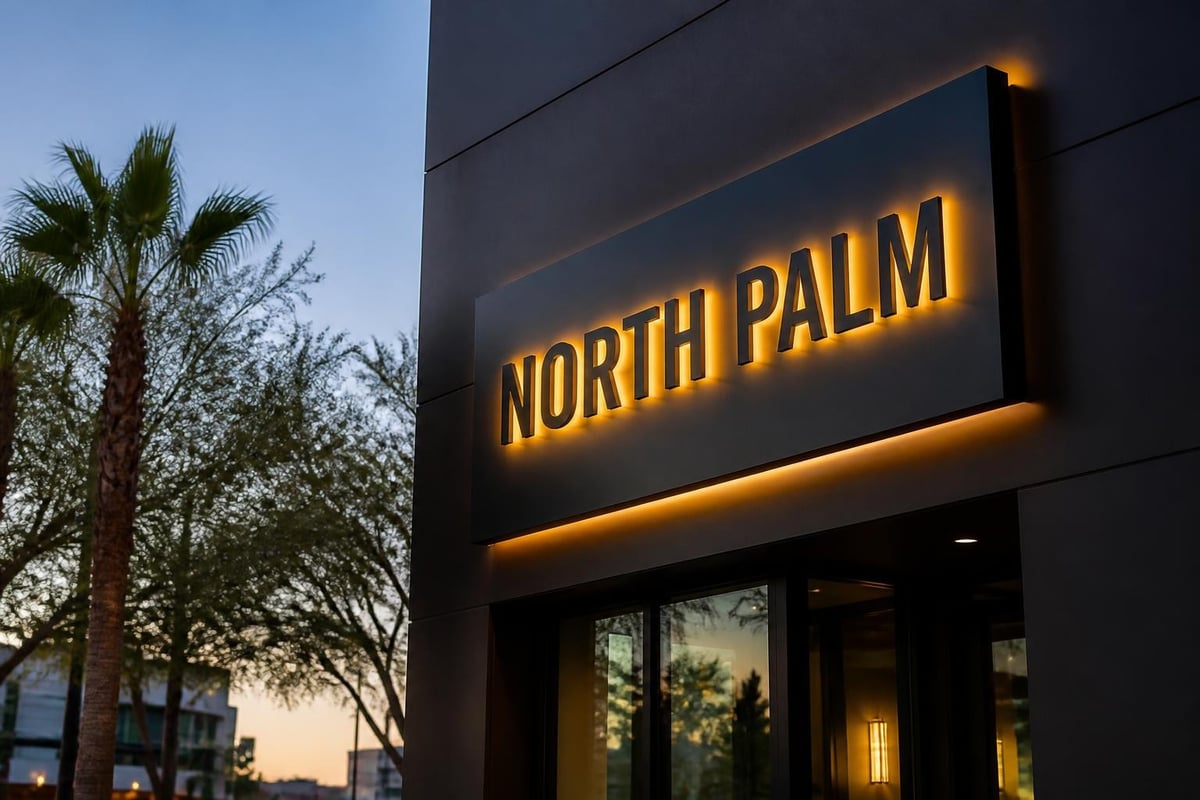
Your illuminated signage should maintain perfect colour accuracy across all lighting conditions. LED colour temperature selection directly impacts brand perception, with warmer tones (2700-3000K) creating welcoming retail environments whilst cooler temperatures (4000-5000K) suit corporate and pharmaceutical applications requiring clinical precision.
Typography selection gains critical importance under illumination. Sans-serif fonts with adequate stroke width ensure legibility at distance, whilst script fonts may become illegible when backlit. Testing designs at various distances and lighting conditions prevents costly mistakes during fabrication.
The comprehensive signage solutions available today allow businesses to maintain brand consistency across multiple locations whilst adapting to local architectural contexts. Illuminated elements should integrate seamlessly with non-illuminated components to create cohesive visual communications systems.
Environmental Adaptability
South African climate conditions demand robust signage illuminated solutions that withstand intense UV exposure, temperature fluctuations, and occasional severe weather events. Material selection proves crucial for longevity.
Premium installations utilise:
- Marine-grade aluminium for corrosion resistance
- UV-stabilised acrylic preventing yellowing and brittleness
- Silicone-sealed cabinets maintaining IP65+ protection ratings
- Thermal management systems preventing LED degradation in high temperatures
Construction sites require particularly durable solutions, as explored in guidance on construction warning signs, where illuminated safety signage must function reliably despite dust, vibration, and environmental exposure.
Installation Best Practices and Positioning
Strategic placement of signage illuminated maximises visibility whilst respecting architectural aesthetics and local regulations. Professional installation ensures structural integrity and electrical safety throughout the sign's operational life.
Site Assessment and Structural Considerations
Before installation, comprehensive site surveys identify optimal mounting locations considering sightlines, electrical access, and structural capacity. Building facades vary significantly in load-bearing capability, particularly when accommodating larger illuminated installations such as Pylon Signage designed to specification.
Foundation engineering becomes critical for freestanding illuminated monuments and pylons. Soil testing, wind load calculations, and seismic considerations inform foundation design that prevents movement or failure. In South Africa's diverse geography, foundation specifications vary considerably between coastal, inland, and elevated locations.
Electrical infrastructure planning ensures adequate power supply without overloading existing circuits. Dedicated circuits with appropriate overcurrent protection provide reliability whilst facilitating future maintenance and troubleshooting.
Compliance with Municipal Regulations
Local authorities impose specific requirements for signage illuminated installations, covering aspects including:
- Illumination intensity limits preventing light pollution
- Setback requirements from property boundaries and roadways
- Height restrictions varying by zoning classification
- Colour limitations particularly near residential areas
- Operating hours in noise and light-sensitive zones
The International Sign Association provides guidance on sign lighting considerations and how codes affect on-premise electronic signage, offering valuable context for navigating regulatory requirements. Early consultation with municipal planning departments prevents costly modifications after installation.
Energy Efficiency and Operational Costs
The operational economics of signage illuminated have transformed dramatically with LED adoption, making continuous operation financially viable for businesses of all sizes. Understanding energy consumption patterns enables informed decision-making during specification and procurement.
Calculating Total Cost of Ownership
Initial purchase price represents only one component of signage investment. Total cost of ownership analysis should incorporate:
- Energy consumption calculated at local electricity rates
- Maintenance requirements including cleaning and component replacement
- Expected lifespan before complete system replacement
- Downtime costs when signage becomes inoperative
- Disposal and recycling considerations at end-of-life
| System Type | Initial Cost | Annual Energy | 10-Year Total | Lifespan |
|---|---|---|---|---|
| LED Cabinet | R45,000 | R1,800 | R63,000 | 15 years |
| Fluorescent | R28,000 | R4,200 | R70,000 | 8 years |
| Neon | R38,000 | R3,600 | R74,000 | 10 years |
This comparison demonstrates how LED systems, despite higher initial costs, deliver superior value through reduced energy consumption and extended operational life. South African businesses benefit additionally from stable LED performance despite Eskom supply fluctuations.
Smart Controls and Automation
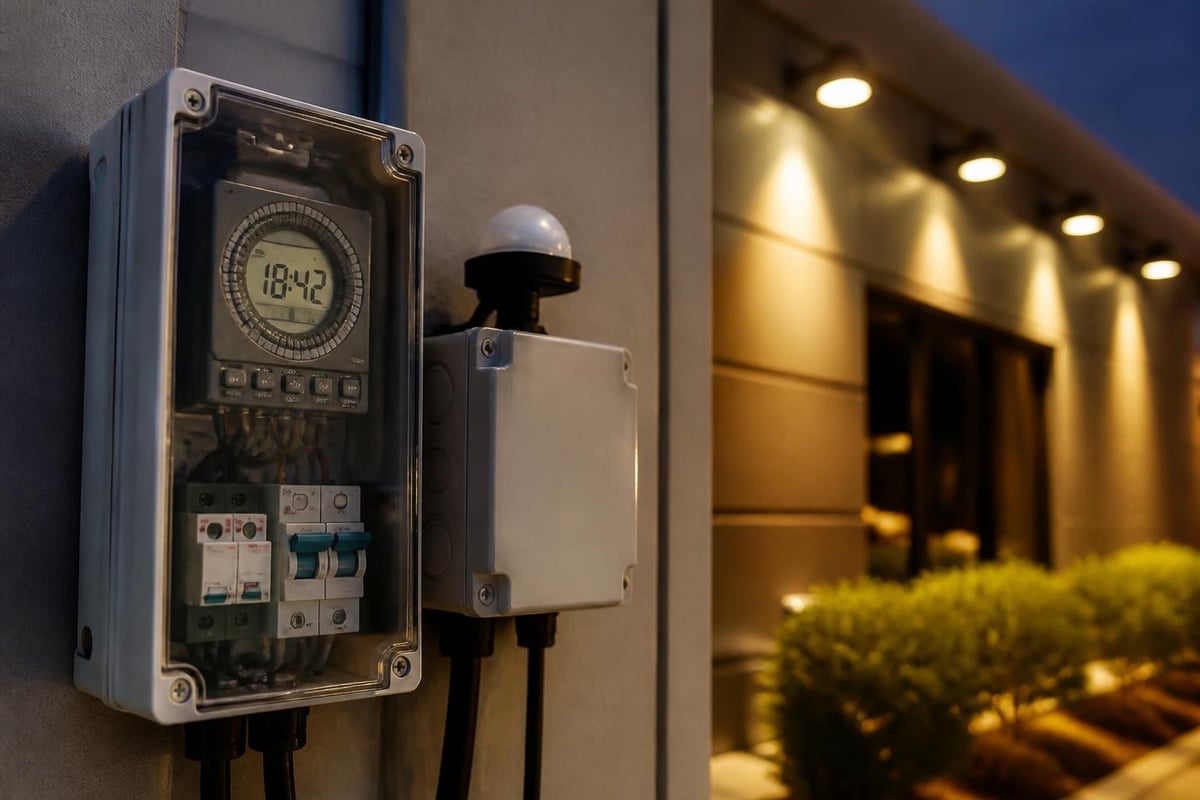
Advanced signage illuminated systems incorporate intelligent controls that optimise energy usage without compromising visibility. Astronomical timers adjust operating schedules automatically based on seasonal daylight variations, whilst photocell sensors respond to ambient light conditions in real-time.
Dimming capabilities reduce energy consumption during low-traffic periods whilst extending LED lifespan. Progressive retailers implement dynamic brightness control that adjusts illumination based on pedestrian traffic patterns detected through integrated sensors, achieving energy savings exceeding 40% compared to constant full-brightness operation.
Industry-Specific Applications and Solutions
Different sectors utilise signage illuminated to address unique operational requirements and regulatory obligations. Understanding industry-specific needs ensures appropriate specification and maximum return on investment.
Retail and Hospitality Environments
Retail businesses leverage illuminated signage to extend operating visibility into evening hours when consumer spending peaks. Fascia signs create prominent street presence, whilst window displays incorporate edge-lit acrylic panels that showcase products without generating excessive heat that might damage merchandise.
Shopping centres implement comprehensive wayfinding systems combining illuminated directories with indoor retail signs that guide customers efficiently through complex environments. Backlighting creates sophisticated aesthetics that elevate perceived brand value whilst maintaining exceptional legibility.
Hospitality venues utilise warm-temperature LEDs in signage illuminated installations that create inviting atmospheres aligned with brand positioning. Restaurants benefit from dimmable systems that transition from bright lunchtime service to intimate evening dining without changing physical signage.
Corporate and Pharmaceutical Facilities
Corporate environments demand signage illuminated solutions that project professionalism and reliability. Reception areas typically feature backlit logos in premium materials such as brushed stainless steel or polished acrylic, creating memorable first impressions for visitors and clients.
Pharmaceutical facilities face stringent cleanliness and safety requirements that influence signage specification. Sealed LED systems prevent contamination whilst maintaining visibility in controlled environments. Regulatory compliance signage must meet specific visibility standards, with illumination ensuring critical safety information remains readable during emergency situations and power failures.
Directional wayfinding becomes particularly important in large pharmaceutical distribution centres where business franchise signage principles apply to maintain consistency across multiple facilities whilst accommodating site-specific requirements.
Construction and Industrial Sites
Construction sites utilise signage illuminated primarily for safety communication and temporary brand presence. Solar-powered LED systems offer particular advantages where electrical infrastructure remains unavailable during early construction phases.
Safety signage incorporating reflective materials and LED illumination ensures visibility during night shifts and low-light conditions. Digital Signage solutions provide flexibility for construction projects requiring frequent message updates regarding site conditions, safety protocols, and project milestones.
Industrial facilities implement robust signage illuminated systems that withstand harsh environmental conditions including chemical exposure, extreme temperatures, and mechanical vibration. Explosion-proof enclosures protect electrical components in hazardous locations whilst maintaining required visibility levels.
Maintenance and Longevity Strategies
Proper maintenance extends the operational life of signage illuminated whilst ensuring consistent visual impact and regulatory compliance. Proactive servicing programmes prevent minor issues escalating into costly failures that compromise business visibility.
Preventative Maintenance Schedules
Establishing routine maintenance protocols preserves signage performance and identifies potential problems before they cause failures:
- Monthly visual inspections checking for physical damage, loose components, and illumination irregularities
- Quarterly cleaning removing accumulated dust, pollen, and pollution that reduce light transmission
- Annual electrical testing verifying connections, insulation integrity, and proper grounding
- Bi-annual photometric measurements ensuring illumination levels remain within specifications
LED systems require significantly less maintenance than traditional technologies, but systematic inspection remains essential. Coastal installations demand more frequent cleaning due to salt accumulation that accelerates corrosion and reduces transparency.
Common Issues and Solutions
Understanding typical signage illuminated failures enables rapid diagnosis and cost-effective repairs:
| Issue | Cause | Solution | Prevention |
|---|---|---|---|
| Flickering | Loose connections | Secure terminals | Annual electrical audit |
| Dim sections | LED degradation | Module replacement | Quality components |
| Water ingress | Seal failure | Re-seal/replace gaskets | Regular inspection |
| Complete failure | Power supply fault | Replace transformer | Surge protection |
Professional signage manufacturers provide comprehensive maintenance services that ensure optimal performance throughout the sign's operational life. Contacting specialists for maintenance contracts often proves more cost-effective than reactive repairs when failures occur.
Return on Investment Analysis
Quantifying the financial benefits of signage illuminated helps justify investment and guides specification decisions. Multiple factors contribute to overall ROI beyond simple visibility metrics.
Visibility and Customer Acquisition
Research consistently demonstrates that illuminated signage increases business visibility by 300-500% during evening hours compared to non-illuminated alternatives. This extended visibility directly correlates with increased foot traffic and sales, particularly for retail and hospitality businesses operating beyond daylight hours.
Brand recall improves measurably with illuminated signage, as the human eye naturally gravitates towards light sources in dark environments. Businesses investing in quality signage illuminated report customer recognition rates 60% higher than competitors relying solely on daylight visibility.
The MUTCD guidance on sign illumination and visibility provides valuable context for understanding how illumination affects recognition distance and comprehension time, principles applicable beyond traffic control to commercial signage applications.
Calculating Payback Periods
Determining when signage illuminated investments recover costs requires analysing multiple revenue and cost factors:
- Incremental revenue from extended operating hours and improved visibility
- Marketing value as permanent advertising versus temporary media costs
- Property value enhancement through improved curb appeal
- Competitive differentiation in saturated markets
- Reduced advertising expenditure as signage provides continuous promotion
Typical payback periods for quality LED signage range from 2-4 years for retail applications with direct sales correlation, extending to 5-7 years for corporate installations where benefits manifest through enhanced brand perception rather than immediate transactions. The extended 15-20 year lifespan of LED systems ensures substantial long-term value creation.
Future Trends in Illuminated Signage
The signage illuminated industry continues evolving rapidly, with emerging technologies promising enhanced capabilities and improved efficiency. Understanding future trends enables forward-thinking specification decisions that protect investments against obsolescence.
Integration with Digital Technologies
Static signage illuminated increasingly incorporates digital elements that enable content flexibility without sacrificing the reliability of traditional illuminated signs. Hybrid systems combine LED-illuminated cabinet structures with internal digital displays, offering the structural permanence of conventional signage with programmable messaging capabilities.
IoT connectivity enables remote monitoring of signage performance, alerting maintenance teams immediately when illumination anomalies occur. Predictive analytics analyse operational patterns to schedule component replacement before failures occur, minimising downtime and maintaining consistent brand presence.
Businesses exploring comprehensive communication strategies should consider how various signage types complement each other, with illuminated elements providing 24/7 presence whilst digital components deliver time-sensitive messaging and promotional content.
Sustainability and Environmental Responsibility
Growing environmental awareness drives demand for increasingly efficient signage illuminated solutions. Next-generation LED technology promises efficiency improvements of 20-30% beyond current standards, further reducing operational costs and environmental impact.
Solar-powered signage represents a growing segment, particularly for remote installations where grid connectivity proves impractical or expensive. Advanced battery storage systems enable reliable night-time operation using daytime solar collection, eliminating ongoing energy costs entirely.
Circular economy principles increasingly influence signage design, with manufacturers implementing modular construction enabling component-level replacement rather than complete system disposal. Responsible businesses prioritise suppliers offering comprehensive recycling programmes for end-of-life signage materials.
Investment in quality signage illuminated delivers measurable benefits across visibility, brand perception, and operational efficiency when specified and maintained appropriately. South African businesses seeking professional illuminated signage solutions that combine technical excellence with industry-specific expertise should explore how Signs4SA delivers bespoke installations backed by skilled professionals and comprehensive national support. Request a consultation today to discover how strategic illuminated signage can transform your business visibility and drive sustainable growth.