

Sign Stands: Professional Guide to Portable Displays
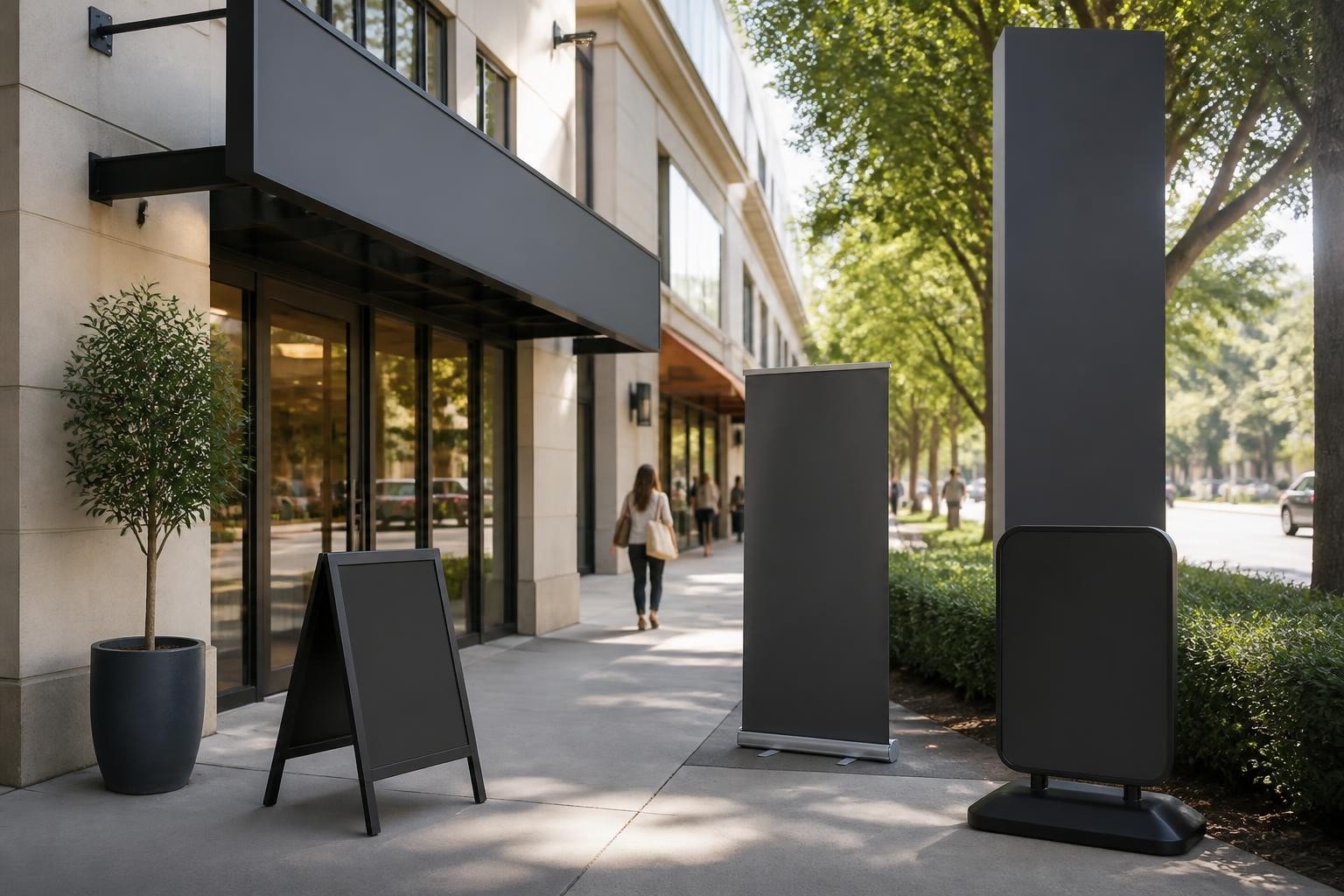
Sign stands represent one of the most versatile and cost-effective marketing tools available to businesses across all industries. These portable display solutions offer unmatched flexibility, allowing companies to communicate messages, promote products, and guide customers precisely where needed. Whether you're directing foot traffic at a retail location, announcing a special promotion, or providing wayfinding assistance at a corporate event, sign stands deliver immediate visual impact whilst maintaining the professional appearance your brand demands. Understanding the nuances of these display systems enables businesses to maximise their investment and achieve superior results.
Understanding Sign Stand Categories and Applications
The market offers numerous sign stand configurations, each engineered for specific purposes and environments. Selecting the appropriate style depends on your messaging objectives, location requirements, and brand positioning.
A-Frame Sign Stands
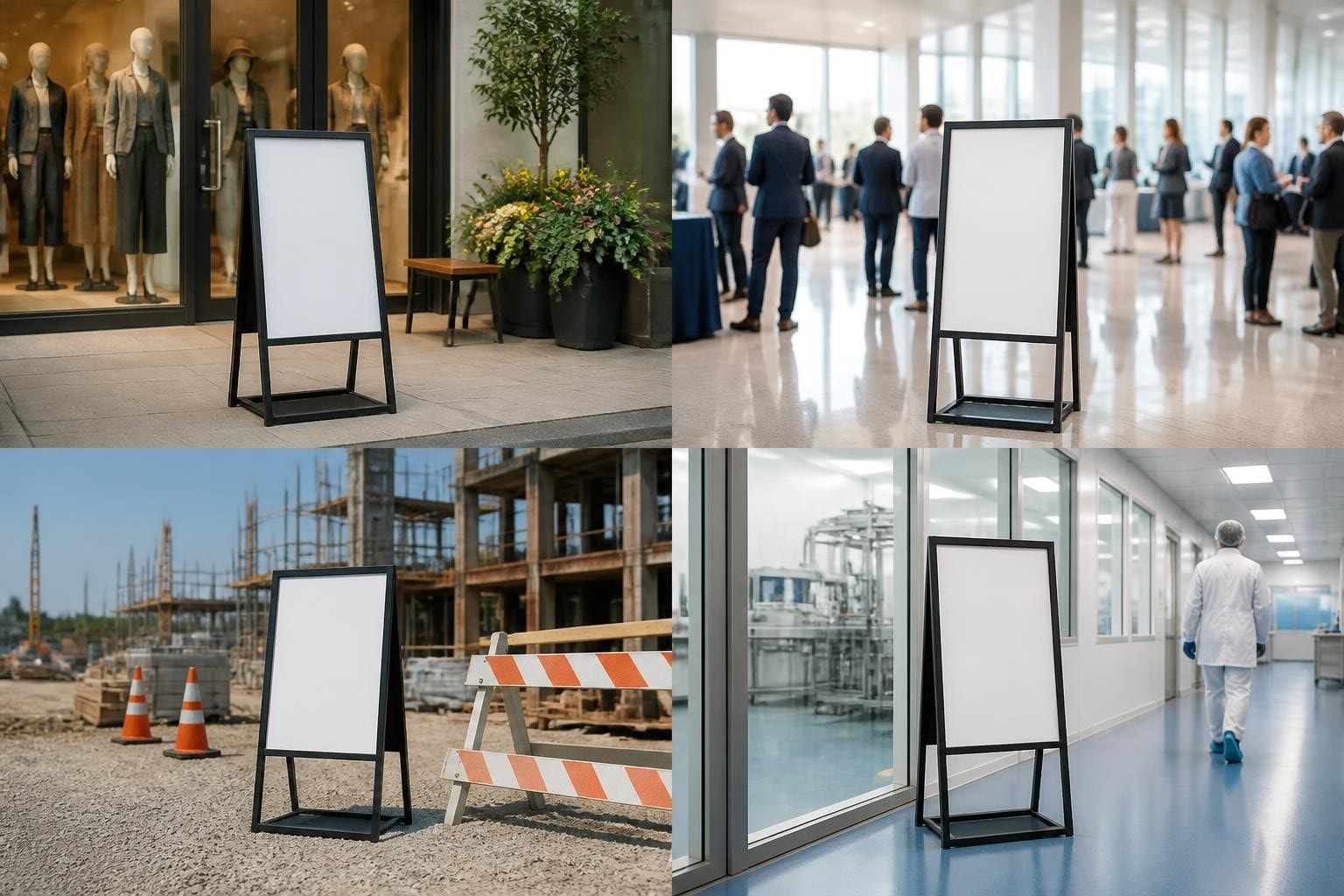
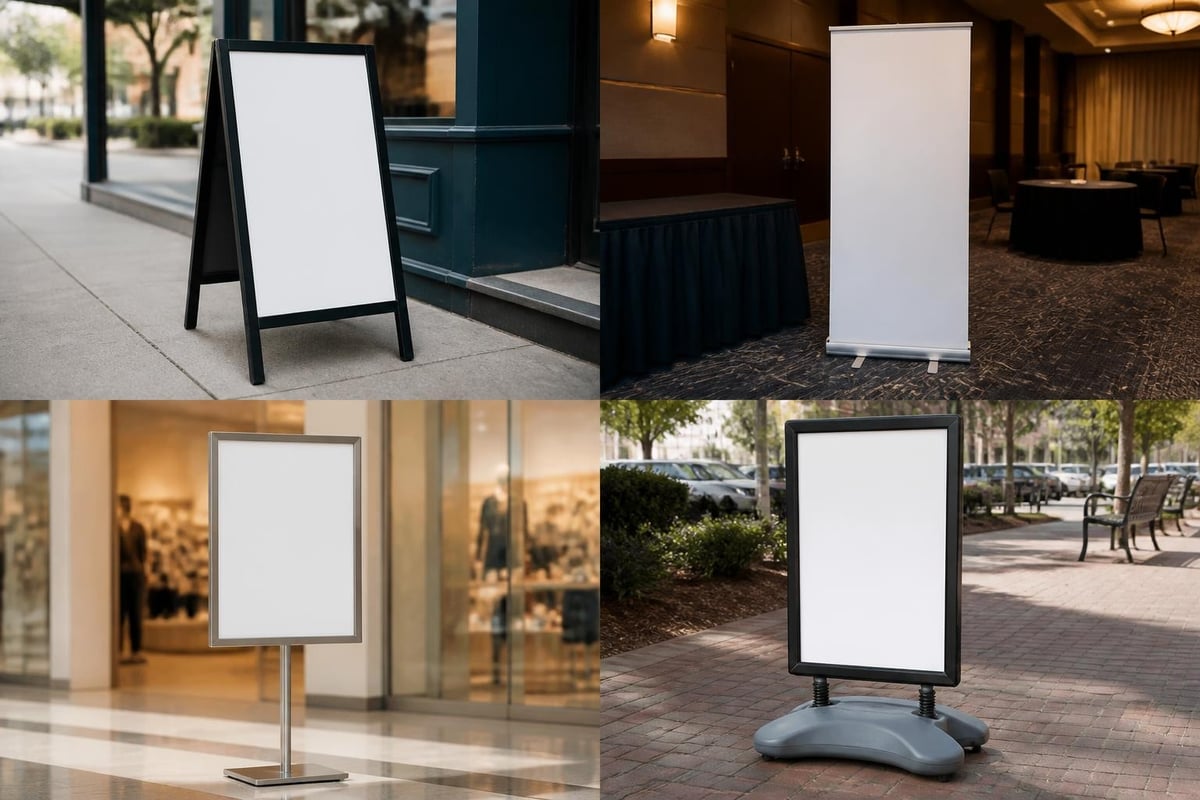
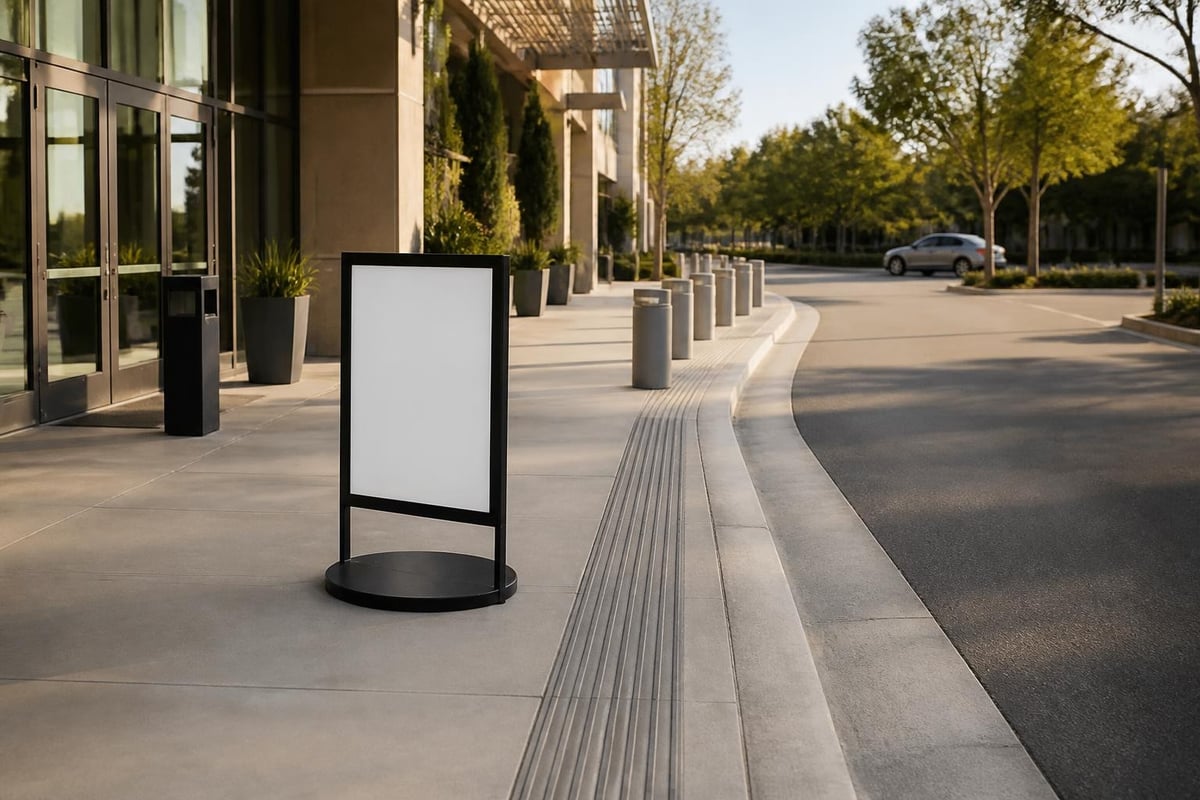
A-frame designs remain amongst the most recognisable and widely deployed portable signage solutions. Their self-supporting structure requires no wall mounting or complex installation, making them ideal for pavement displays outside retail establishments, restaurants, and service businesses.
Key advantages include:
- Quick deployment and retrieval at opening and closing times
- Stability in moderate weather conditions
- Double-sided messaging capability
- Compact storage when not in use
- Cost-effective initial investment
These units typically accommodate interchangeable graphics panels, allowing businesses to update messaging for seasonal promotions, daily specials, or event announcements without purchasing entirely new equipment.
Retractable Banner Stands
Pull-up or roll-up banner stands offer exceptional portability for corporate presentations, trade exhibitions, and temporary installations. The graphic material retracts into a protective base unit, facilitating transport whilst preventing damage during storage.
Professional services firms, pharmaceutical companies presenting at medical conferences, and construction companies attending industry events frequently rely on these systems. Their lightweight construction and tool-free setup make them particularly valuable for businesses operating across multiple locations or participating in frequent promotional activities.
Poster Display Stands
Indoor poster stands provide elegant solutions for corporate lobbies, retail environments, and professional offices. Available in floor-standing and countertop configurations, these units present printed materials at optimal viewing heights whilst maintaining a refined aesthetic.
| Stand Type | Primary Use | Mobility | Weather Resistance | Investment Level |
|---|---|---|---|---|
| A-Frame | Outdoor retail | Moderate | Good | Low |
| Retractable Banner | Events/Indoor | High | Poor | Moderate |
| Poster Display | Indoor retail | Low | Poor | Low |
| Weighted Base | Outdoor windy areas | Low | Excellent | Moderate |
| Pavement Sign | High-traffic areas | Moderate | Good | Low |
Material Selection for Durability and Performance
Choosing appropriate materials ensures your sign stands withstand environmental challenges whilst maintaining visual appeal throughout their service life. Material selection significantly impacts both longevity and total cost of ownership, making this decision crucial for maximising return on investment.
Frame Construction Materials
Aluminium dominates the professional signage market due to its exceptional strength-to-weight ratio and natural corrosion resistance. This material performs admirably in South Africa's diverse climate conditions, from coastal humidity to inland temperature extremes. When choosing the right sign material, aluminium consistently ranks among the most versatile options.
Steel frames offer superior wind resistance for locations experiencing frequent strong gusts. Powder-coated finishes protect against rust whilst providing colour-matching opportunities for brand consistency. Research indicates that sign stands constructed from robust materials can withstand strong winds when properly weighted and positioned.
Composite materials blend polymers with reinforcing fibres, creating lightweight yet durable alternatives. These prove particularly valuable for businesses requiring frequent relocation of display units between multiple sites.
Graphics Panel Options
The substrate carrying your visual message requires careful consideration based on display duration and environmental exposure.
Corflute (corrugated plastic) delivers excellent value for temporary campaigns and short-term promotions. This lightweight material accepts high-quality digital printing whilst resisting moisture damage. According to comparison guides for sign materials, Corflute offers an ideal balance of affordability and performance for applications not exceeding twelve months.
Aluminium composite panels provide premium durability for permanent installations. Their rigid construction maintains flatness without warping, whilst the smooth surface accepts superior print resolution. Many businesses investing in 3D signage elements also utilise these panels for coordinating portable displays.
PVC and acrylic sheets offer transparency options for backlit applications or environments where natural light transmission enhances visibility. These materials resist yellowing and maintain clarity throughout extended outdoor exposure.
Strategic Placement and Visibility Optimisation
Even the highest-quality sign stands fail to deliver results when poorly positioned. Strategic placement considers pedestrian flow patterns, sightlines, and regulatory compliance.
Traffic Flow Analysis
Observe customer movement patterns during peak hours. Position sign stands where they naturally intercept sightlines without creating obstacles. Retail environments benefit from angled placement that directs attention towards entrances whilst maintaining clear pathways for wheelchair users and pushchairs.
For businesses near busy roads, placement must account for vehicle speeds and viewing angles. Drivers travelling at 60 kilometres per hour require larger graphics and simpler messaging than pedestrians examining displays at close range. Outdoor signage strategies should incorporate these viewing distance calculations.
Height and Angle Considerations
Numbered positioning guidelines:
- Place primary messaging between 1.2 and 1.8 metres from ground level for optimal readability
- Angle A-frame stands 15-20 degrees from perpendicular to capture approaching foot traffic
- Position entrance displays at least 2 metres from doorways to prevent congestion
- Maintain 1.5-metre clearance on pavements for accessibility compliance
- Elevate graphics 30 centimetres minimum in areas prone to water accumulation
These specifications ensure compliance whilst maximising visibility across diverse viewer heights and approach angles.
Regulatory Compliance and Permits
Local municipalities enforce specific regulations governing pavement displays, setback distances, and acceptable hours of deployment. Johannesburg, Cape Town, and Durban each maintain distinct bylaws affecting commercial signage placement.
Research your area's requirements before deploying outdoor displays. Many regions restrict pavement signs to trading hours only, requiring daily setup and removal. Non-compliance risks fines and enforcement actions that damage business relationships with local authorities.
Weather Resistance and Environmental Protection
South Africa's climate presents unique challenges for outdoor signage. Coastal businesses contend with salt spray and humidity, whilst inland locations experience intense UV exposure and temperature fluctuations.
Wind Load Management
Proper weighting prevents sign stands from becoming safety hazards during strong winds. Calculate required ballast based on graphic surface area and typical wind speeds in your location.
Standard weighting recommendations:
- A-frame units under 1 square metre: minimum 10 kilograms per side
- Banner stands 1-2 square metres: minimum 15 kilograms base weight
- Larger displays exceeding 2 square metres: engineering assessment recommended
Water-fillable bases offer convenient weight adjustment, allowing lighter transport whilst providing stability when deployed. Sand-filled bases maintain consistent weight regardless of temperature, preventing expansion issues that affect water-based systems.
UV Protection and Fade Resistance
Direct sunlight degrades graphics through photochemical reactions that break down inks and substrates. UV-resistant laminates extend graphic life by blocking harmful wavelengths whilst maintaining transparency for colours and images.
Durability comparisons demonstrate that protected graphics maintain vibrancy three to five times longer than unprotected alternatives. This protection proves particularly crucial for businesses near the equator, where UV intensity peaks.
Rotating graphics seasonally distributes exposure, preventing uneven fading on permanently installed panels. This practice also refreshes visual interest, capturing repeat customers' attention with new messaging.
Maintenance Protocols for Extended Service Life
Regular maintenance preserves both appearance and functionality, protecting your signage investment whilst maintaining professional brand presentation.
Cleaning Procedures
Weekly maintenance tasks:
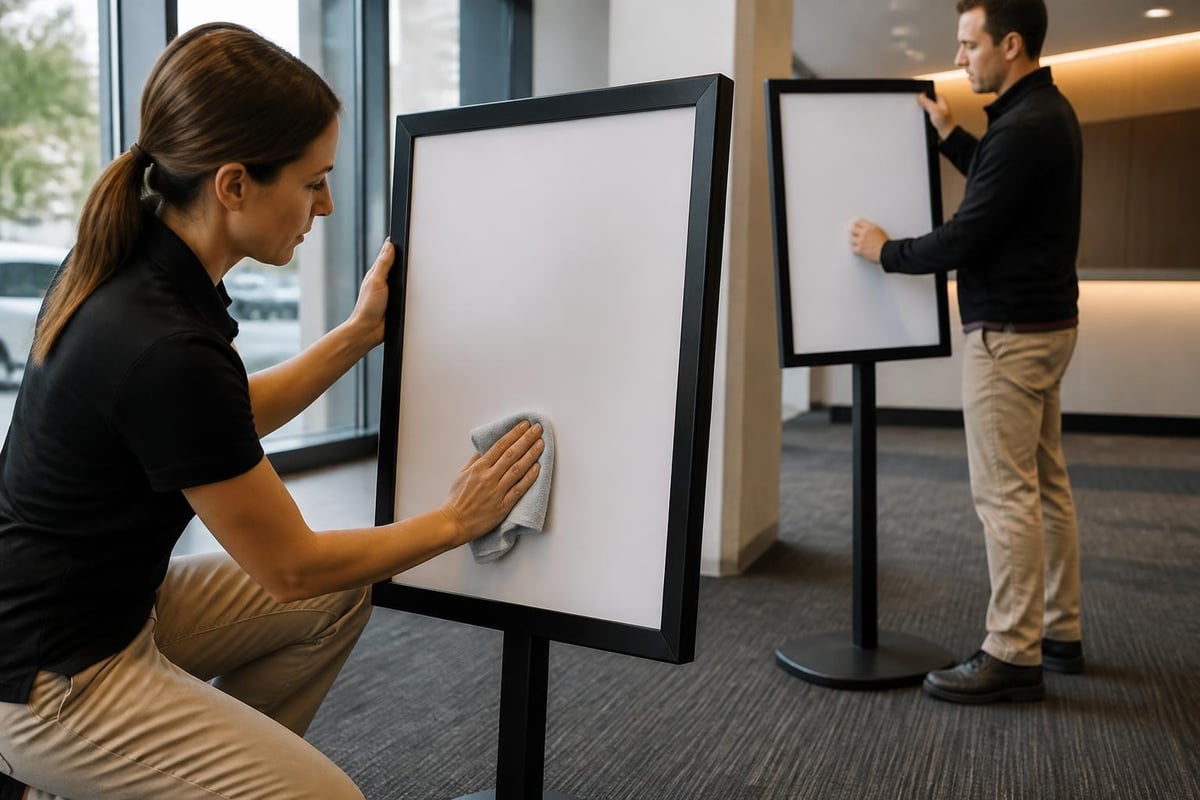
- Wipe frame surfaces with mild detergent solution
- Remove dust and debris from hinges and connection points
- Inspect graphics for tears, scratches, or edge lifting
- Clean graphic surfaces with non-abrasive cloths
- Check stability and tighten loose fasteners
Avoid harsh chemicals that damage protective coatings or degrade graphic substrates. Test cleaning solutions on inconspicuous areas before applying to visible surfaces.
Storage Best Practices
When sign stands aren't deployed, proper storage prevents damage and extends usable life. Store units in climate-controlled environments when possible, protecting them from temperature extremes and moisture accumulation.
Storage guidelines include:
| Component | Storage Method | Protection Goal |
|---|---|---|
| Aluminium frames | Vertical position | Prevent warping |
| Graphics panels | Flat, separated | Avoid scratching |
| Retractable banners | Fully retracted | Prevent creasing |
| Hardware | Labelled containers | Organised retrieval |
| Weighted bases | Drained if water-filled | Prevent freezing damage |
Regular maintenance extends signage longevity significantly, often doubling the service life compared to neglected units.
Integration with Comprehensive Marketing Strategies
Sign stands function most effectively when coordinated with broader promotional initiatives. Their portability enables tactical deployment supporting specific campaigns whilst maintaining visual consistency with permanent signage installations.
Campaign Coordination
Launch events benefit from clustered sign stand arrangements that create visual impact whilst directing attendees through planned traffic flows. Pharmaceutical companies conducting product launches, for example, strategically position informational displays guiding healthcare professionals through presentation areas.
Retailers coordinate portable displays and signs with window displays, creating cohesive visual narratives that reinforce promotional messaging. A-frame pavement signs preview in-store offerings, encouraging impulse visits from passing pedestrians.
Digital Integration Opportunities
Progressive businesses combine traditional sign stands with digital signage elements for dynamic content delivery. QR codes on static graphics direct customers to online resources, bridging physical and digital marketing channels.
Real estate professionals, such as those working with property specialists, effectively use sign stands at open houses to direct potential buyers whilst maintaining professional presentation standards. Similarly, home staging professionals coordinate signage with property presentation strategies.
Construction sites require specialised approaches, as discussed in guidance regarding road construction signs, where safety messaging takes precedence over promotional content.
Cross-Channel Consistency
Maintain consistent typography, colour schemes, and messaging hierarchy across all signage platforms. This consistency strengthens brand recognition whilst professional execution reflects positively on business credibility.
Review current design trends regularly to ensure your portable displays remain contemporary without sacrificing timeless brand elements. Evolution, not revolution, maintains customer familiarity whilst demonstrating market awareness.
Investment Analysis and Return Considerations
Understanding total cost of ownership guides smart purchasing decisions that balance initial expenditure against long-term value delivery.
Initial Investment Factors
Quality sign stands range from budget-friendly basic models to premium systems engineered for demanding applications. Entry-level A-frame units start around R800, whilst professional retractable banner systems with custom graphics approach R3,500.
Price influencers include:
- Frame material and construction quality
- Graphic substrate and printing method
- Size and display area
- Specialised features (lighting, wheels, locking mechanisms)
- Quantity discounts for multiple units
Consider lifecycle costs beyond purchase price. Investment guides for signage demonstrate that slightly higher initial investment often reduces replacement frequency and maintenance expenses.
Return on Investment Metrics
Measuring sign stand effectiveness helps justify expenditure and optimise deployment strategies. Track metrics including:
- Foot traffic changes following installation
- Promotion redemption rates referenced on displays
- Customer enquiries mentioning specific sign content
- Conversion rates for advertised products or services
- Cost per impression compared to digital advertising
Many businesses discover that well-positioned sign stands deliver superior local reach compared to social media advertising, particularly for attracting passing trade to physical locations.
Scalability for Growth
Start with core units supporting immediate needs, then expand as business requirements evolve. This phased approach distributes investment whilst allowing assessment of what configurations deliver optimal results for your specific circumstances.
Businesses establishing initial signage programmes benefit from reviewing first sign considerations before committing to extensive portable display investments.
Customisation Options for Brand Differentiation
Standard sign stands serve functional purposes admirably, but customisation elevates them into powerful brand ambassadors that strengthen market positioning.
Custom Shapes and Sizes
Move beyond rectangular formats when brand personality or messaging benefits from distinctive presentation. Custom-cut graphics create memorable visual signatures that differentiate your business from competitors using identical standard equipment.
Pharmaceutical companies often incorporate product silhouettes or molecular structures into display shapes, creating instant category recognition. Retail businesses use seasonal custom shapes (hearts for Valentine's promotions, trees for Christmas campaigns) that generate social media attention and foot traffic.
Finishing Techniques
Enhancement options include:
- Metallic ink applications for premium positioning
- Spot UV coating highlighting key elements
- Textured laminates adding tactile interest
- Magnetic attachment systems enabling quick graphic changes
- Integrated LED illumination for evening visibility
These refinements command attention in competitive environments whilst communicating quality standards that extend to your core products or services. The psychological impact of premium presentation influences purchasing decisions, as explored in studies of colour psychology in signage design.
Modular Systems
Advanced sign stand systems incorporate modular components allowing configuration changes without replacing entire units. Interchangeable headers, footers, and side panels adapt messaging whilst maintaining brand consistency through standardised frame elements.
This flexibility particularly benefits businesses operating seasonal campaigns or managing multiple product lines requiring distinct visual identities under a corporate umbrella brand.
Industry-Specific Applications and Solutions
Different sectors demand tailored approaches that address unique operational requirements and customer expectations.
Retail Environments
Fashion retailers rotate sign stands to highlight new arrivals, clearance items, and fitting room directions. Electronics shops deploy technical specification displays near product demonstration areas. Grocery businesses use weather-resistant units for car park promotions and entrance specials.
Coordinating portable displays with retail store digital signage creates dynamic environments that maintain customer engagement throughout shopping journeys.
Corporate Settings
Professional services firms utilise understated sign stands in reception areas, directing visitors to meeting rooms whilst reinforcing brand messaging through consistent visual presentation. Financial institutions employ compliance-approved designs that balance promotional content with regulatory requirements.
Construction Sites
Durable, high-visibility sign stands communicate safety protocols, site access procedures, and project information. These applications prioritise clarity and weather resistance over aesthetic refinement, though professional presentation remains essential for contractor credibility.
Pharmaceutical Sector
Regulatory compliance governs pharmaceutical signage, requiring accurate information presentation and appropriate claims substantiation. Medical conference displays must withstand frequent transport whilst maintaining pristine appearance that reflects product quality standards.
Professional Installation and Setup Guidance
Proper installation ensures stability, safety, and optimal visual presentation that maximises sign stand effectiveness.
Assembly Best Practices
Follow manufacturer specifications precisely during initial setup. Incorrect assembly compromises stability and potentially voids warranties. Photograph the assembly process for reference during future setups, particularly for complex systems deployed infrequently.
Installation sequence:
- Identify all components before beginning assembly
- Position frame elements on clean, level surface
- Secure connections hand-tight initially
- Insert graphics before final tightening
- Add ballast weights incrementally
- Test stability before leaving unattended
- Document final configuration
Many businesses benefit from professional signage installation for permanent or semi-permanent deployments, ensuring compliance with safety standards and optimal positioning.
Safety Considerations
Position sign stands away from trip hazards and maintain clear sightlines for motorists at vehicle entrances. Secure units properly in windy conditions or remove them entirely during severe weather warnings.
Regular safety audits identify potential issues before they cause injuries or property damage. Assign responsibility for daily deployment and retrieval checks, ensuring consistency regardless of staff changes.
Sign stands deliver exceptional versatility and value when selected, deployed, and maintained according to professional standards. Understanding material properties, strategic placement principles, and industry-specific requirements enables businesses to maximise visibility whilst protecting their investment through proper care protocols. Whether you need durable outdoor displays, elegant indoor presentations, or specialised solutions for unique applications, Signs4SA offers comprehensive expertise in creating bespoke signage supported by skilled professionals and a national footprint across South Africa's corporate, retail, construction, and pharmaceutical sectors.