


Personalised Warning Signs: Custom Safety Solutions
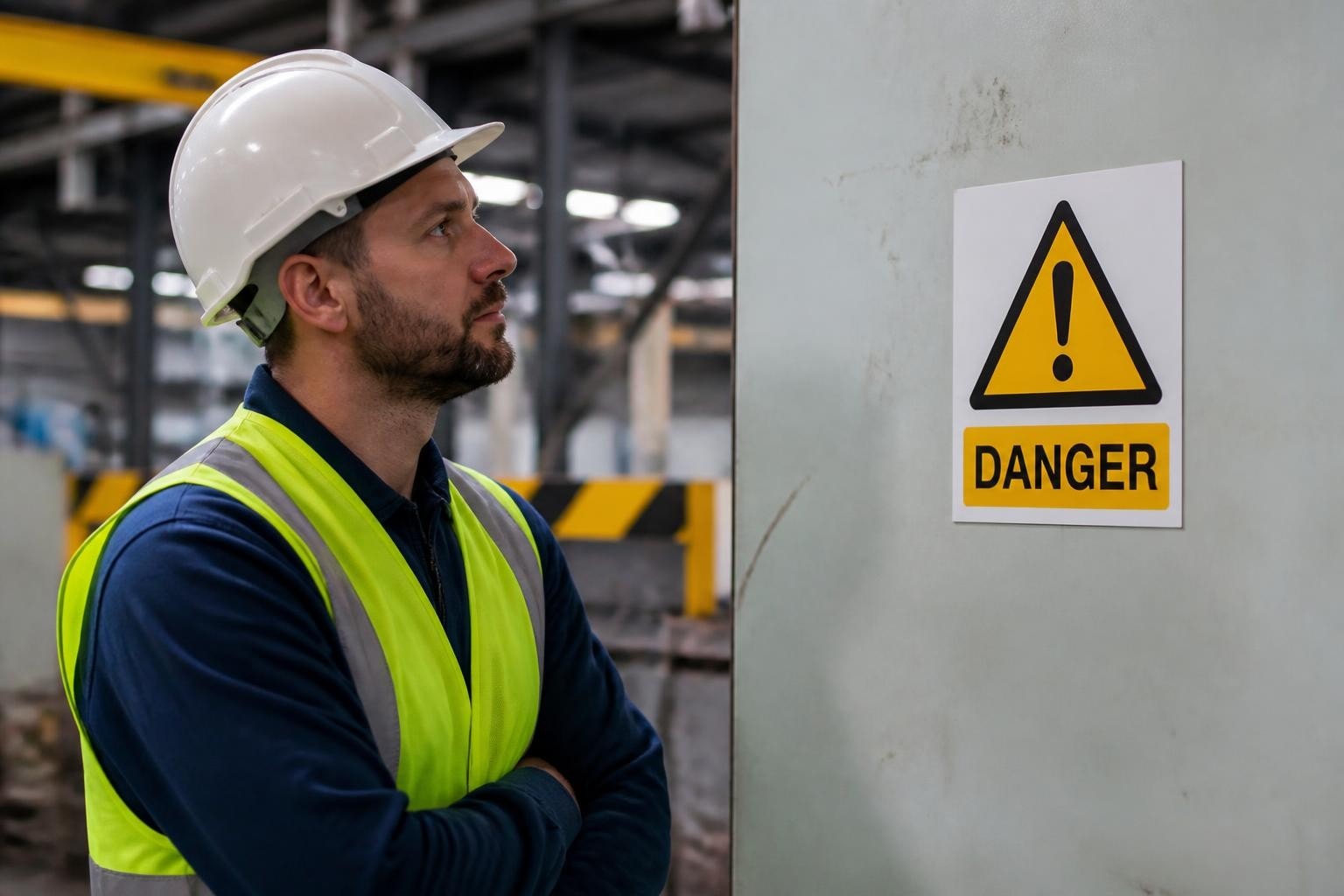
Safety communication has evolved significantly beyond generic, one-size-fits-all approaches. Modern workplaces demand signage that speaks directly to specific hazards, unique operational contexts, and diverse workforce demographics. A personalised warning sign represents this evolution, combining regulatory compliance with targeted messaging that addresses the precise safety requirements of individual facilities, operations, and industries. By tailoring warning signage to specific contexts, organisations enhance recognition, comprehension, and ultimately, safety outcomes.
Understanding Personalised Warning Sign Requirements
A personalised warning sign differs fundamentally from standard safety signage through its customisation to specific hazards, environments, and audiences. These signs maintain compliance with regulatory frameworks whilst incorporating site-specific information that generic warnings cannot address.
Regulatory Foundation and Customisation Parameters
Every personalised warning sign must balance customisation with compliance. Organisations need to understand font and design standards that govern safety signage whilst incorporating facility-specific elements. The challenge lies in creating signs that meet legislative requirements whilst communicating unique hazards effectively.
Key customisation parameters include:
- Hazard-specific imagery reflecting actual workplace conditions
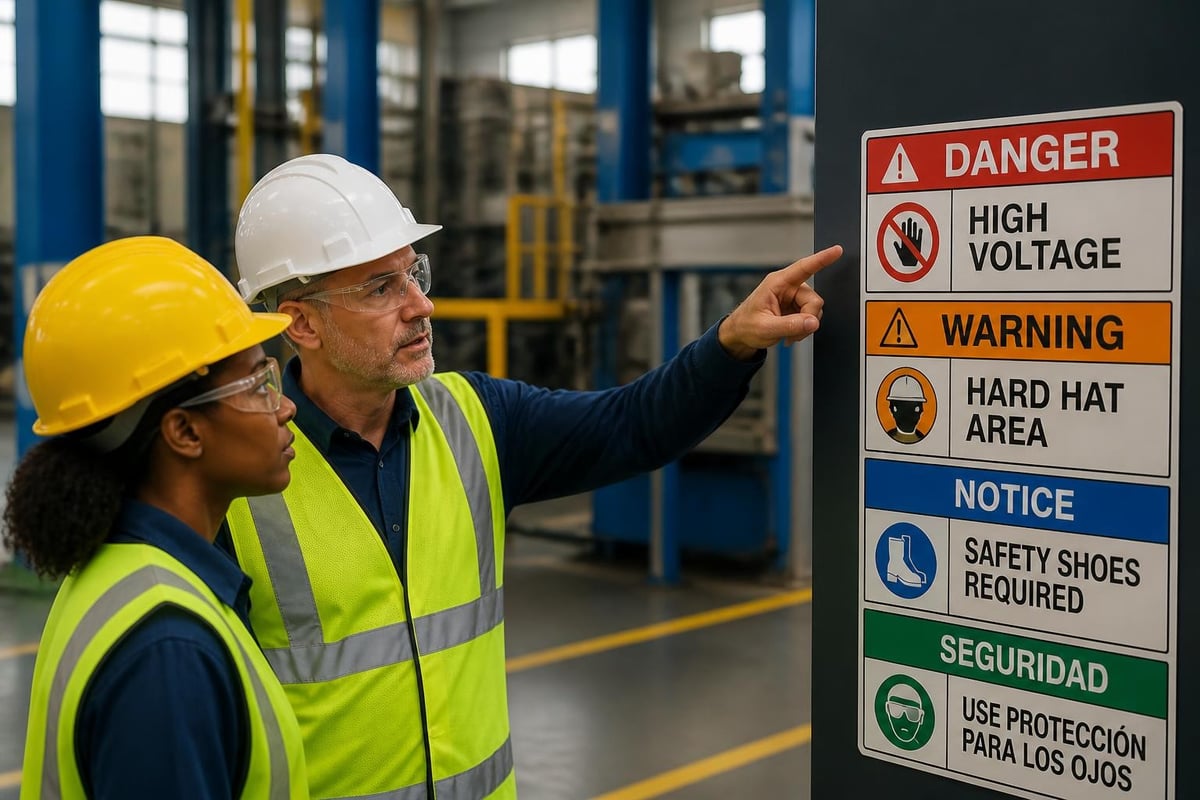
- Multilingual text addressing diverse workforce composition
- Site-specific distances, clearances, or technical specifications
- Industry-appropriate colour schemes and symbol sets
- Environmental considerations such as lighting, viewing distance, and weather exposure
The regulatory landscape in South Africa requires careful consideration of both international standards and local requirements. Organisations must ensure their customised solutions don't compromise legal obligations whilst achieving enhanced communication effectiveness.
Material Selection for Longevity and Impact
Material choice significantly influences the effectiveness and lifespan of personalised warning signage. Different environments demand different substrates, coatings, and construction methods.
| Material Type | Best Applications | Durability Rating | Customisation Options |
|---|---|---|---|
| Aluminium Composite | Outdoor industrial settings | 10-15 years | Full-colour printing, routing, dimensional lettering |
| Dibond | High-traffic areas | 8-12 years | Digital printing, vinyl overlay, embossing |
| Acrylic | Indoor pharmaceutical environments | 5-8 years | Laser engraving, UV printing, layered effects |
| Reflective Vinyl | Construction and roadway applications | 3-5 years | Contour cutting, fluorescent options, high-visibility finishes |
Material selection directly impacts message retention and visibility. Understanding the specific challenges presented by road construction signs demonstrates how environmental factors influence material performance and design choices.
Design Principles for Maximum Effectiveness
Effective personalised warning signs balance aesthetic considerations with psychological principles that govern human attention and risk perception. Design choices determine whether warnings achieve their protective purpose or become background noise.
Visual Hierarchy and Message Architecture
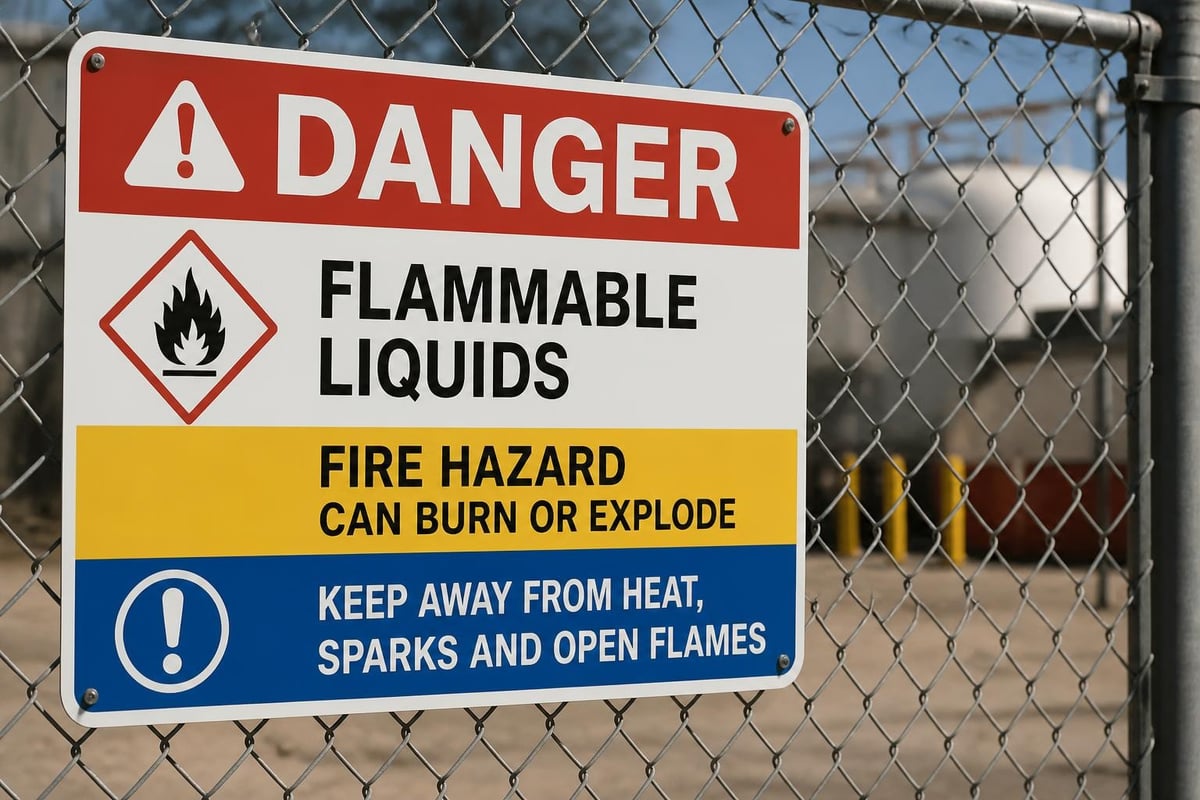
A well-designed personalised warning sign guides the viewer's eye through information in order of importance. The signal word (DANGER, WARNING, or CAUTION) demands immediate attention, followed by the hazard statement and consequence description.
Typography hierarchy principles:
- Signal word: Largest text, typically 200-250% size of body text
- Hazard identification: Secondary size, 150-180% of instructions
- Consequence statement: Equal to or slightly larger than instructions
- Avoidance instructions: Baseline size for detailed reading
- Additional information: Smaller reference text when necessary
Research into how cognitive factors influence warning perception reveals that personalisation enhances message processing when aligned with audience characteristics. This understanding shapes how manufacturers approach custom safety signage design.
Colour Psychology and Cultural Considerations
Colour selection extends beyond aesthetic preference into psychological territory. Different industries associate specific colours with particular hazard levels, and cultural backgrounds influence colour interpretation.
The standard safety colour hierarchy remains foundational:
- Red: Immediate danger, stop, prohibition
- Orange: Warning, potential hazard
- Yellow: Caution, physical hazards
- Green: Safety information, first aid
- Blue: Mandatory actions, personal protective equipment
However, personalisation allows for industry-specific variations. Pharmaceutical facilities might incorporate corporate colours whilst maintaining safety standards, whereas construction sites might employ high-visibility variations suited to outdoor conditions.
Industry-Specific Applications and Solutions
Different sectors face unique hazards requiring tailored warning approaches. A personalised warning sign proves most effective when designed with deep understanding of industry-specific risks and operational contexts.
Manufacturing and Industrial Environments
Manufacturing facilities present complex, multi-hazard environments where generic warnings prove inadequate. Equipment-specific dangers, chemical exposures, and process-related risks demand precise communication.
Custom manufacturing signage addresses:
- Machine-specific guard points and pinch zones with exact clearances
- Chemical storage areas with substance-specific hazard information
- Temperature zones indicating precise threshold temperatures
- Pressure system warnings with PSI specifications
- Electrical panels showing voltage levels and lock-out requirements
Custom safety signs that support workplace compliance demonstrate particular value in manufacturing settings where standard warnings cannot adequately communicate specific operational hazards. The ability to reference exact equipment models, chemical names, or process parameters enhances worker understanding significantly.
Construction and Development Sites
Construction environments change constantly, requiring flexible yet robust warning solutions. Temporary hazards, phased work areas, and varying contractor populations demand adaptable signage approaches.
A personalised warning sign for construction might include project-specific elements such as site manager contact information, emergency assembly points unique to the location, or depth specifications for excavation areas. The transient nature of construction work necessitates durable yet removable solutions.
Pharmaceutical and Healthcare Facilities
Pharmaceutical environments require warning signage that addresses both workplace safety and product integrity. Contamination risks, sterile zones, and regulatory compliance create unique signage demands.
Healthcare-specific personalisation includes cleanroom classifications, gowning requirements, material restrictions, and biological hazard specifications. These facilities often require signage that maintains sterile environments whilst communicating critical safety information.
Technology Integration and Innovation
Modern personalised warning signs increasingly incorporate technological elements that enhance functionality beyond static communication. Digital integration, smart sensors, and data connectivity transform traditional signage into active safety systems.
Digital Warning Sign Systems
Digital signage enables dynamic personalisation that responds to real-time conditions. Temperature warnings adjust to actual readings, chemical exposure alerts activate based on detection systems, and emergency notifications update according to developing situations.
Benefits of digital personalised warning systems include:
- Real-time hazard updates reflecting current conditions
- Scheduled message rotation for multi-hazard areas
- Remote content management across multiple sites
- Integration with building management systems
- Multilingual rotation addressing shift demographics
- Emergency override capabilities
The investment in digital warning systems proves particularly valuable in environments with variable hazards or where conditions change based on production schedules, weather, or process modifications.
Smart Integration and Predictive Warning
Advanced personalised warning signs now incorporate sensors that detect approaching personnel and activate enhanced visibility features. Motion sensors trigger LED borders, audio alerts, or increased display brightness when workers enter hazardous zones.
Research into personalised risk mapping in warning systems illustrates how customised warnings reduce false alerts whilst improving genuine hazard detection. This technology finds applications in vehicle-pedestrian separation zones, automated equipment areas, and variable-access spaces.
Implementation Strategy and Deployment
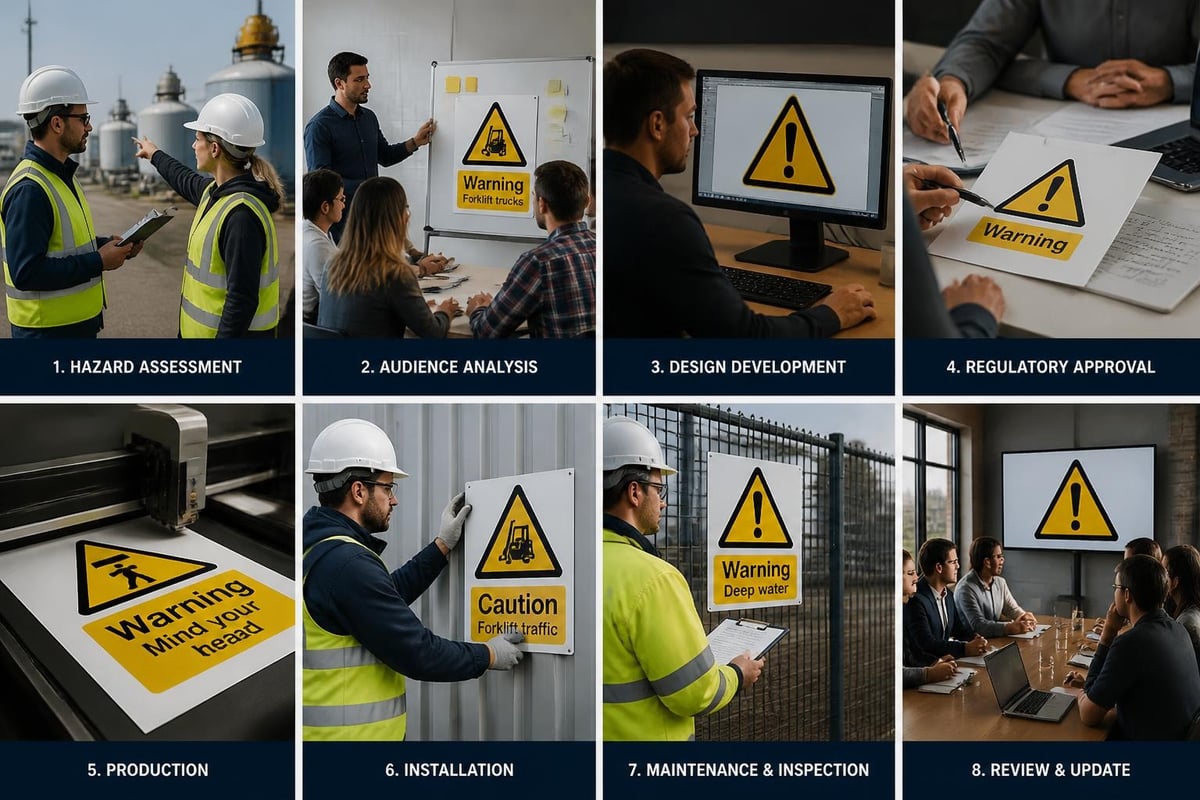
Successfully deploying personalised warning signage requires systematic planning that addresses site assessment, design development, regulatory approval, and installation considerations.
Site-Specific Assessment Process
Effective personalisation begins with comprehensive hazard identification and communication needs analysis. This assessment determines where standard warnings prove insufficient and customisation adds protective value.
Assessment framework:
- Hazard inventory: Document all risks requiring warning communication
- Audience analysis: Identify worker demographics, literacy levels, language requirements
- Environmental survey: Evaluate lighting, viewing distances, weather exposure, physical obstructions
- Regulatory review: Confirm applicable standards and approval requirements
- Existing signage audit: Identify gaps, redundancies, and improvement opportunities
Many organisations discover that professional signage installation significantly influences long-term effectiveness. Proper mounting, positioning, and environmental integration determine whether personalised warnings achieve their communication objectives.
Compliance Documentation and Approval
Personalised warning signs often require regulatory approval or certification, particularly in highly regulated industries. Documentation demonstrates that customisation maintains compliance whilst enhancing communication.
| Documentation Type | Purpose | Typical Requirements |
|---|---|---|
| Design specifications | Demonstrate standard adherence | Colour codes, dimensions, material specs |
| Hazard analysis | Justify custom elements | Risk assessment, incident history |
| Visibility testing | Confirm legibility | Distance tests, lighting measurements |
| Material certifications | Verify durability claims | Manufacturer specifications, test results |
| Installation plans | Show proper placement | Site diagrams, mounting details |
Some facilities require third-party certification of custom warning signage, particularly in pharmaceutical manufacturing or food processing environments where safety signage forms part of broader quality management systems.
Maintenance and Lifecycle Management
A personalised warning sign requires ongoing maintenance to preserve effectiveness throughout its service life. Customised elements sometimes demand specialised care beyond standard signage maintenance protocols.
Inspection and Replacement Protocols
Regular inspection ensures warning signs remain legible, accurate, and appropriately positioned as facilities evolve. Customised signage may require more frequent review than standard warnings, particularly when referencing specific equipment, processes, or personnel.
Maintenance schedule components:
- Monthly visual inspections for damage, fading, or obstruction
- Quarterly cleaning using appropriate methods for substrate and finish
- Annual comprehensive review of message accuracy and relevance
- Condition-based replacement addressing wear, damage, or obsolescence
- Documentation of inspection findings and corrective actions
Understanding long-term signage maintenance requirements helps organisations budget appropriately for the total cost of ownership rather than focusing solely on initial acquisition costs.
Content Updates and Design Refreshes
Facilities change over time, and personalised warnings must evolve accordingly. Equipment upgrades, process modifications, or regulatory changes may necessitate sign updates even when physical condition remains acceptable.
Digital personalised warning systems offer significant advantages here, enabling content updates without physical sign replacement. However, even traditional signage benefits from planned refresh cycles that maintain message relevance and visual impact.
Cost Considerations and Value Analysis
Personalised warning signs typically cost more than standard alternatives. Understanding this investment requires examining both direct costs and broader value propositions including liability reduction, improved safety outcomes, and enhanced regulatory compliance.
Direct Cost Components
Pricing for personalised warning signage varies based on customisation complexity, material selection, production volume, and installation requirements.
Cost influencing factors:
- Design complexity and revision requirements
- Material selection and finishing processes
- Production quantity (economies of scale)
- Mounting hardware and installation services
- Regulatory certification or approval processes
- Shipping and logistics for site delivery
Volume production typically reduces per-unit costs significantly. Facilities requiring multiple personalised warning signs across various locations often achieve better pricing through consolidated procurement rather than piecemeal ordering.
Return on Investment Calculations
The value of personalised warning signage extends beyond direct cost comparisons with standard alternatives. Organisations should consider incident reduction, compliance improvements, and liability mitigation when evaluating investment returns.
Benefits quantification might include reduced incident rates in areas with personalised warnings compared to generic signage, decreased regulatory citations during inspections, or lower insurance premiums reflecting improved risk management. Additionally, facilities occasionally find that enhanced safety communication correlates with productivity improvements as workers navigate hazardous areas more confidently.
Emerging Trends and Future Developments
The personalised warning sign sector continues evolving through technological advancement, regulatory refinement, and enhanced understanding of human factors in safety communication. Several trends shape how organisations approach customised safety signage in 2026 and beyond.
Augmented Reality Integration
Emerging applications overlay digital information onto physical warning signs through smartphone or headset interfaces. Workers scan signs to access detailed procedures, equipment manuals, or multilingual translations beyond what physical space allows.
This technology proves particularly valuable in training contexts where new employees benefit from enhanced information whilst experienced workers rely on concise physical messaging. The dual-layer approach personalises warning depth to individual knowledge levels.
Adaptive Messaging Based on Individual Profiles
Advanced facilities experiment with warning systems that adapt to individual worker credentials, training levels, or assigned tasks. Access control integration enables signs to display different messages based on who approaches, though research on safety vulnerabilities in personalised systems emphasises the importance of maintaining baseline warnings regardless of personalisation.
Sustainability and Environmental Considerations
Growing emphasis on environmental responsibility influences material selection and lifecycle planning for personalised warning signs. Organisations increasingly specify recyclable substrates, low-VOC inks, and modular designs enabling content updates without complete replacement.
Solar-powered illuminated warnings, particularly valuable in remote construction or mining applications, reduce energy consumption whilst maintaining visibility in challenging conditions. These solutions align with broader corporate sustainability commitments whilst delivering practical safety benefits.
Integration with Broader Safety Systems
Maximum effectiveness occurs when personalised warning signs function as components within comprehensive safety management systems rather than isolated interventions. Integration with training programmes, incident reporting, and continuous improvement processes enhances overall impact.
Training Programme Alignment
Personalised warnings prove most effective when incorporated into safety training that explains specific hazards and appropriate responses. New employee orientation should reference actual signage workers encounter, reinforcing message recognition and comprehension.
Regular refresher training can use site-specific warning signs as discussion points, encouraging workers to report worn, damaged, or unclear signage as part of ongoing safety participation. This integration transforms passive warnings into active elements of safety culture.
Digital Twin and Facility Mapping
Modern facility management increasingly employs digital twin technology that creates virtual replicas of physical spaces. Integrating personalised warning sign locations and content into these systems enables comprehensive safety planning, emergency response coordination, and regulatory compliance documentation.
Digital mapping proves particularly valuable for multi-site organisations standardising personalised warning approaches across facilities whilst accommodating site-specific variations. Centralised databases track signage inventory, maintenance schedules, and content updates systematically.
Those seeking comprehensive signage solutions for multiple applications might explore offerings like Pylon signage, which demonstrates how customisation principles apply across various signage categories beyond safety warnings. The same attention to site-specific requirements, regulatory compliance, and effective communication characterises professional approaches to all signage types.
Personalised warning signs represent the evolution of safety communication from generic alerts to targeted, context-specific messaging that acknowledges unique hazards, diverse audiences, and specific operational environments. By balancing regulatory compliance with thoughtful customisation, organisations create warning systems that genuinely protect workers rather than merely satisfying minimum requirements. Whether you need industry-specific safety signage, comprehensive facility solutions, or expert guidance on regulatory compliance, Signs4SA delivers professional signage manufacturing backed by skilled specialists who understand the critical role effective warnings play in workplace safety across South Africa's diverse industrial landscape.