

Custom Shop Signs: Design & Material Guide for 2026
The first impression your business makes often happens before a customer walks through the door. Custom shop signs serve as silent ambassadors for your brand, communicating professionalism, quality, and personality in a single glance. Whether you operate a boutique retail store, a medical practice, or a corporate office, the right signage transforms your physical location into a powerful marketing asset that works around the clock.
Understanding the Strategic Value of Custom Shop Signs
Custom shop signs represent far more than decorative elements attached to your building. They function as critical touchpoints in your customer's journey, influencing purchasing decisions and building brand recognition within your community.
Research consistently demonstrates that effective signage directly impacts foot traffic and revenue. Businesses with distinctive, well-designed shop signs report significantly higher walk-in rates compared to those with generic or poorly maintained displays. This connection between visibility and profitability makes custom shop signs one of the most cost-effective marketing investments available.
The strategic advantage of bespoke signage lies in its ability to differentiate your establishment from competitors. While template solutions offer convenience, they rarely capture the unique characteristics that make your business special. Custom designs allow you to incorporate specific colour palettes, typography, and visual elements that align perfectly with your brand identity.
Key Benefits of Investing in Bespoke Signage
- Brand consistency: Maintain visual coherence across all customer touchpoints
- Location specificity: Design signs that complement architectural features and neighbourhood aesthetics
- Regulatory compliance: Ensure all specifications meet local authority requirements
- Durability: Select materials and construction methods suited to your specific environmental conditions
- Scalability: Create designs that can be adapted for multiple locations whilst maintaining brand recognition
Material Selection for Long-lasting Performance
The materials you choose for your custom shop signs directly determine longevity, maintenance requirements, and overall visual impact. South African conditions present unique challenges, from intense UV exposure to dramatic temperature fluctuations and coastal salt corrosion.
Popular Material Options and Their Applications
| Material | Durability | Cost Range | Best Applications | Maintenance Level |
|---|---|---|---|---|
| Aluminium Composite | 10-15 years | Medium | Corporate facades, modern retail | Low |
| Acrylic | 7-10 years | Low-Medium | Illuminated signs, interior displays | Medium |
| Stainless Steel | 20+ years | High | Premium retail, professional services | Very Low |
| Timber | 5-8 years | Medium | Boutiques, artisan shops, cafés | High |
| Vinyl on Substrate | 3-5 years | Low | Temporary promotions, budget solutions | Medium |
Aluminium composite panels have become increasingly popular for custom shop signs due to their exceptional strength-to-weight ratio and design versatility. These panels resist warping, maintain colour integrity under harsh sunlight, and provide an excellent surface for various finishing techniques. For those considering 3D signage options, aluminium composite offers the structural stability needed for dimensional lettering and logos.
Acrylic materials excel in applications requiring illumination. The translucent properties of quality acrylic ensure even light distribution, creating eye-catching displays that remain visible during evening hours. Modern LED technology has revolutionised backlit acrylic signs, delivering energy efficiency and brilliant colour rendering.
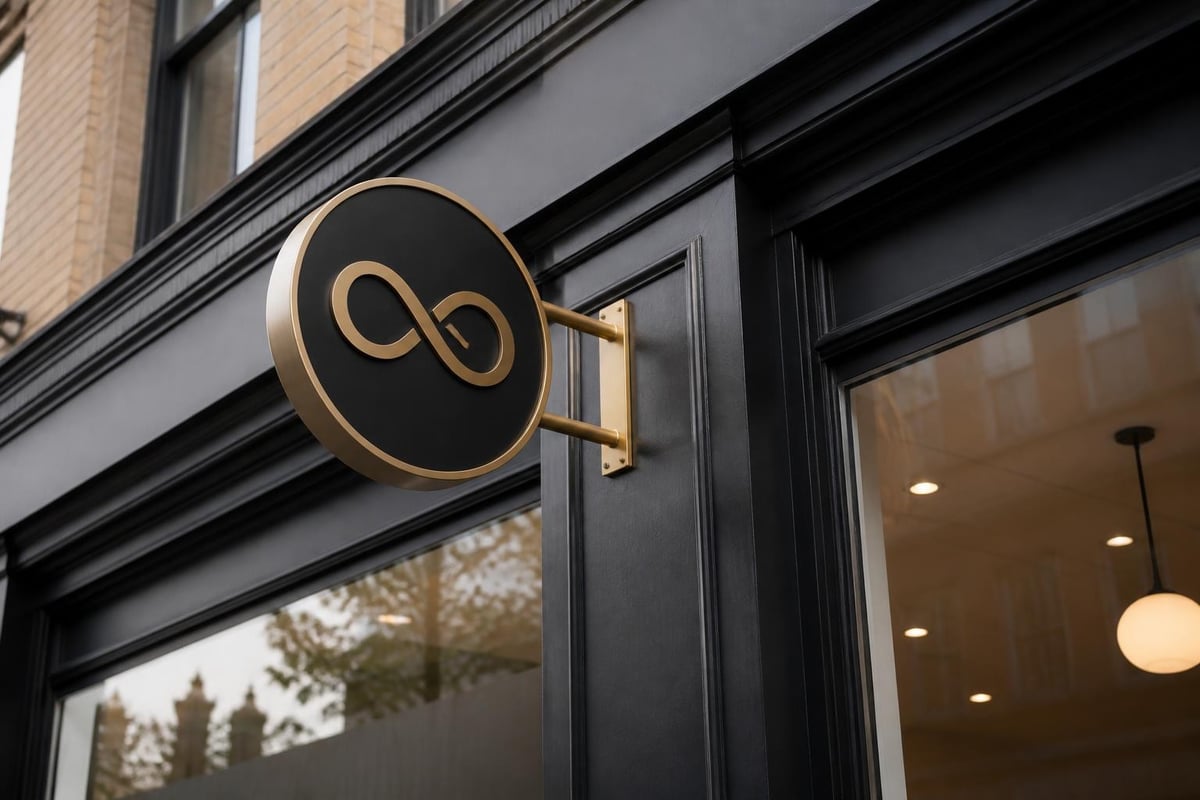
Stainless steel conveys permanence and sophistication, making it ideal for professional practices, financial institutions, and luxury retail environments. The material's natural resistance to corrosion makes it particularly suitable for coastal locations where salt air accelerates deterioration of lesser materials.
Design Principles for Maximum Impact
Effective custom shop signs balance aesthetics with functionality, ensuring your message reaches and resonates with your target audience. Design excellence begins with understanding how visual hierarchy guides the viewer's attention.
Typography Considerations
Font selection dramatically influences readability and brand perception. Sans-serif typefaces generally offer superior legibility at distance, making them ideal for primary shop identification. Script fonts can add elegance and personality but require careful sizing to maintain clarity.
Consider these typography guidelines:
- Limit font families: Use no more than two complementary typefaces per sign
- Ensure adequate sizing: Primary text should be readable from your target viewing distance
- Maintain proper spacing: Kerning and leading affect both readability and visual balance
- Consider viewing angles: Account for how pedestrians and motorists will encounter your sign
The relationship between letter height and viewing distance follows established formulas. For optimal readability, aim for one inch of letter height for every ten feet of viewing distance. This principle ensures your custom shop signs remain legible whether customers approach on foot or drive past your location.
Colour Psychology and Brand Alignment
Colour choices carry psychological weight, influencing emotional responses and purchase behaviour. The psychology of colour in signage design reveals how different hues communicate specific messages about your business.
Red stimulates appetite and creates urgency, explaining its prevalence in food retail. Blue conveys trustworthiness and professionalism, making it popular among financial services and healthcare providers. Green suggests environmental consciousness and wellness, whilst purple implies luxury and creativity.
Beyond psychology, colour selection must account for contrast ratios that ensure visibility under various lighting conditions. High contrast between text and background improves readability, particularly for viewers with visual impairments or those seeing your sign in challenging light.
Illumination Strategies for 24-Hour Visibility
Illuminated custom shop signs extend your marketing reach beyond business hours, maintaining brand presence when foot traffic patterns shift. Several illumination approaches offer distinct advantages depending on your objectives and budget.
Internal Illumination Methods
- LED backlighting: Energy-efficient, long-lasting, and offers consistent brightness
- Neon tubing: Creates distinctive vintage aesthetics with warm, inviting glow
- Edge-lit acrylic: Provides modern, sophisticated appearance with minimal energy consumption
- Fluorescent tubes: Traditional option with moderate costs but higher maintenance requirements
Pylon Signage frequently incorporates internal illumination, creating landmark visibility that guides customers to your location from considerable distances. These freestanding structures combine height advantage with lighting technology to maximise impact.
External illumination offers alternative solutions where internal lighting proves impractical. Spotlight arrangements, wash lighting, and halo effects create dramatic presentations whilst simplifying maintenance access. Modern LED spotlights deliver targeted brilliance with minimal energy consumption, operating costs that remain negligible compared to older halogen technologies.
Regulatory Compliance and Permit Requirements
Navigating signage regulations represents a critical step in any custom shop signs project. South African municipalities maintain specific bylaws governing sign dimensions, placement, illumination levels, and structural requirements.
Signage regulations and permits in South Africa vary considerably between jurisdictions. What proves acceptable in one municipality may violate codes in another, making local knowledge essential. Heritage areas impose additional restrictions, often requiring designs that respect architectural character and historical context.
Common Regulatory Considerations
- Maximum sign area: Calculated as percentage of building facade
- Projection limits: Distance signs may extend beyond property lines
- Height restrictions: Maximum elevation above ground or roofline
- Illumination standards: Brightness levels and operating hours
- Structural certification: Engineering approval for permanent installations
- Heritage compliance: Additional requirements in protected areas
Professional signage manufacturers maintain current knowledge of regulatory frameworks, streamlining the approval process and preventing costly redesigns. Early consultation with authorities helps identify potential obstacles before manufacturing begins.
Installation Excellence and Site Preparation
Even the most beautifully designed custom shop signs fail without proper installation. Professional signage installation ensures structural integrity, electrical safety, and optimal positioning.
Site surveys identify mounting challenges before they become problems. Surveyors assess wall construction, identifying whether facades can support sign weight or require reinforcement. Electrical infrastructure evaluation determines whether existing circuits accommodate illuminated signs or necessitate upgrades.
Mounting methods vary based on sign type and building construction:
| Building Material | Recommended Mounting | Special Considerations |
|---|---|---|
| Face Brick | Chemical anchors, expanding bolts | Ensure proper depth without compromising wall integrity |
| Concrete | Concrete anchors, through-bolts | Pre-drill carefully to avoid cracking |
| Timber Frame | Structural screws to studs | Locate framing members accurately |
| Glass Curtain Wall | Standoff systems, suspended mounting | Requires specialised hardware and expertise |
Weather conditions during installation significantly affect outcomes. Adhesive-based mounting requires specific temperature ranges for proper curing, whilst high winds compromise safety during handling of large panels. Experienced installers schedule work during optimal conditions, ensuring both worker safety and installation quality.
Maintenance Protocols for Sustained Impact
Custom shop signs require ongoing maintenance to preserve appearance and functionality. Neglected signage communicates negative messages about business standards, potentially deterring customers who associate visible deterioration with declining quality.
Essential Maintenance Activities
- Regular cleaning: Remove accumulated dirt, bird droppings, and environmental pollutants
- Illumination checks: Replace failed LED modules or lamps promptly
- Structural inspections: Identify loose fixings, corrosion, or damage early
- Refinishing schedules: Plan repainting or re-coating before degradation becomes severe
The maintenance requirements for your custom shop signs depend heavily on material selection and environmental exposure. Coastal locations demand more frequent inspections due to salt-induced corrosion, whilst inland sites may experience challenges from dust accumulation and UV degradation.
Establishing maintenance schedules prevents emergency repairs and budget surprises. Quarterly inspections identify minor issues before they escalate into major problems requiring complete sign replacement. Documentation of maintenance activities supports warranty claims and helps predict lifecycle costs accurately.
Cost Factors and Investment Planning
Understanding the financial aspects of custom shop signs helps businesses budget appropriately whilst maximising return on investment. Unlike off-the-shelf solutions, bespoke signage pricing reflects numerous variables that influence final costs.
Primary cost drivers include:
- Design complexity: Intricate details and custom fabrication increase labour requirements
- Material selection: Premium materials command higher prices but offer extended lifespans
- Size specifications: Larger signs require more materials and complex installation
- Illumination integration: Electrical components and installation add significant costs
- Permit fees: Local authority charges vary based on sign type and location
- Installation challenges: Difficult access or structural modifications increase labour costs
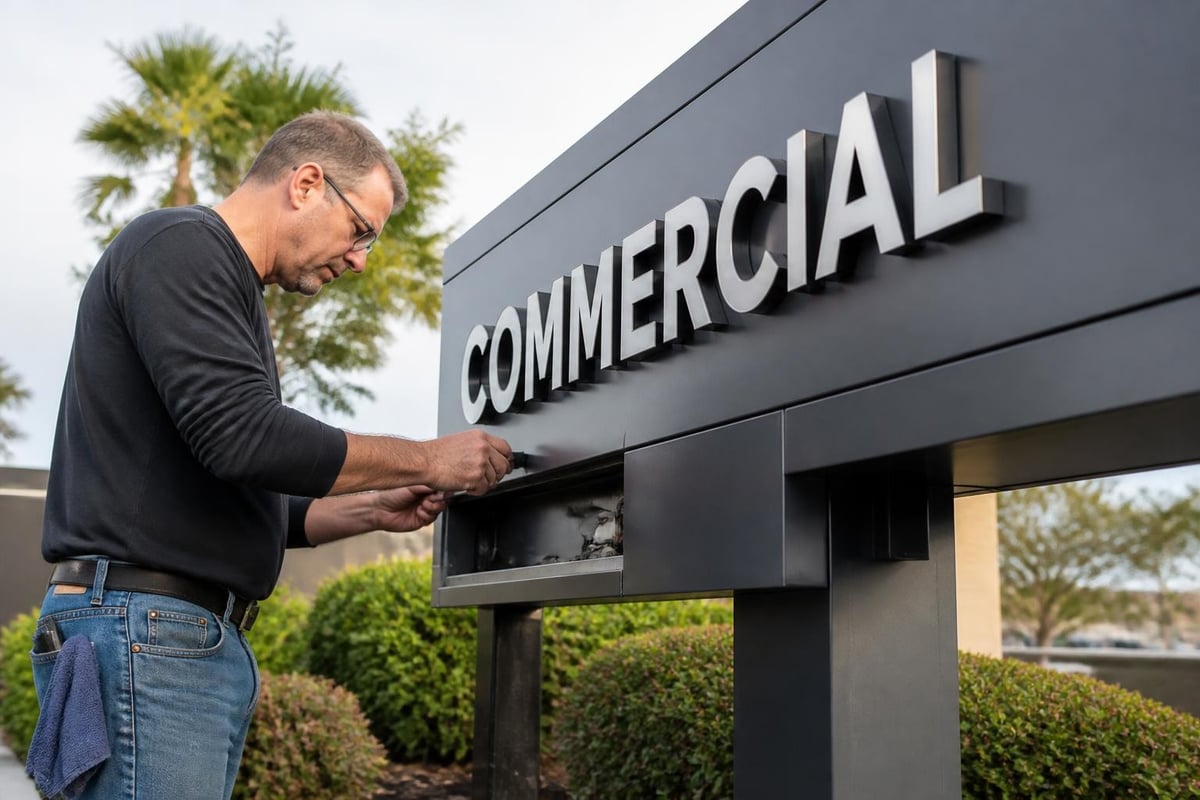
The cost of commercial signage should be evaluated against long-term value rather than initial outlay alone. A premium sign with 15-year lifespan often proves more economical than cheaper alternatives requiring replacement every five years. Factor in maintenance costs, energy consumption for illuminated signs, and potential downtime during repairs when calculating true ownership costs.
Many businesses discover that phased implementation spreads investment whilst maintaining visual coherence. Starting with primary identification signage, then adding directional elements and promotional displays as budget allows, creates manageable financial commitments without compromising brand impact.
Industry-Specific Design Approaches
Different sectors require distinct approaches to custom shop signs, reflecting unique customer expectations and regulatory environments. Understanding industry-specific considerations ensures your signage communicates appropriately with your target market.
Retail Environments
Retail custom shop signs must capture attention in competitive high-street environments whilst communicating brand personality instantly. Bold colours, distinctive typography, and creative dimensional elements help boutiques stand out. For larger retail chains, consistency across multiple locations builds recognition whilst allowing subtle adaptations to local architectural contexts.
Contemporary retail increasingly incorporates digital signage elements that update promotions dynamically. These flexible systems complement traditional static signage, creating engaging storefronts that respond to seasonal campaigns and inventory changes.
Professional Services
Medical practices, legal firms, and financial advisors require signage that projects competence and trustworthiness. Understated elegance typically serves these sectors better than attention-grabbing designs. Quality materials like brushed stainless steel or powder-coated aluminium with refined typography communicate professionalism without ostentation.
Hospitality and Food Service
Restaurants, cafés, and hotels benefit from custom shop signs that preview the experience awaiting customers inside. Warm lighting, inviting colours, and materials that complement interior design create cohesive brand experiences. Many hospitality venues successfully incorporate vintage elements or artisanal materials that suggest craftsmanship and attention to detail.
Technology Integration and Future Trends
The signage industry continues evolving as new technologies expand creative possibilities and operational capabilities. Progressive businesses incorporate these innovations into custom shop signs, future-proofing their exterior marketing.
Emerging trends shaping custom shop signs include:
- Smart connectivity: Signs that integrate with mobile apps and location services
- Sustainability focus: Solar-powered illumination and recycled materials
- Interactive elements: Touch-responsive displays and augmented reality integration
- Modular designs: Reconfigurable components that adapt to changing needs
- Biomimetic materials: Nature-inspired solutions offering enhanced durability
Digital integration represents perhaps the most significant shift in custom shop signs. While traditional static displays remain valuable for brand identification, digital components enable real-time updates, animated content, and personalised messaging. This flexibility proves particularly valuable for businesses with changing inventories or time-sensitive promotions.
Environmental consciousness increasingly influences material selection and manufacturing processes. Businesses seeking to communicate sustainability values choose recycled aluminium, responsibly sourced timber, and LED illumination powered by renewable energy. These choices resonate with environmentally aware consumers whilst reducing long-term operating costs.
Multi-Location Consistency Challenges
Organisations operating multiple locations face unique challenges in maintaining brand consistency whilst respecting local contexts. Custom shop signs must balance standardised elements that ensure recognition with adaptations that address site-specific requirements.
Strategies for maintaining consistency across locations:
- Develop comprehensive brand guidelines specifying exact colours, fonts, and layouts
- Create modular design systems allowing size variations without compromising recognition
- Centralise approval processes ensuring all locations meet brand standards
- Partner with manufacturers offering nationwide installation capabilities
- Document installation specifications preventing interpretation variations
Centralised procurement typically delivers cost advantages through volume pricing whilst ensuring quality consistency. Working with signage partners like Signs4SA who maintain national footprints simplifies coordination, as single-source suppliers manage specifications, manufacturing, and installation across diverse locations.
Seasonal and Promotional Adaptations
While permanent custom shop signs establish brand identity, many businesses benefit from supplementary signage addressing seasonal promotions, special events, or temporary campaigns. This layered approach maintains brand continuity whilst creating visual interest that attracts repeat customers.
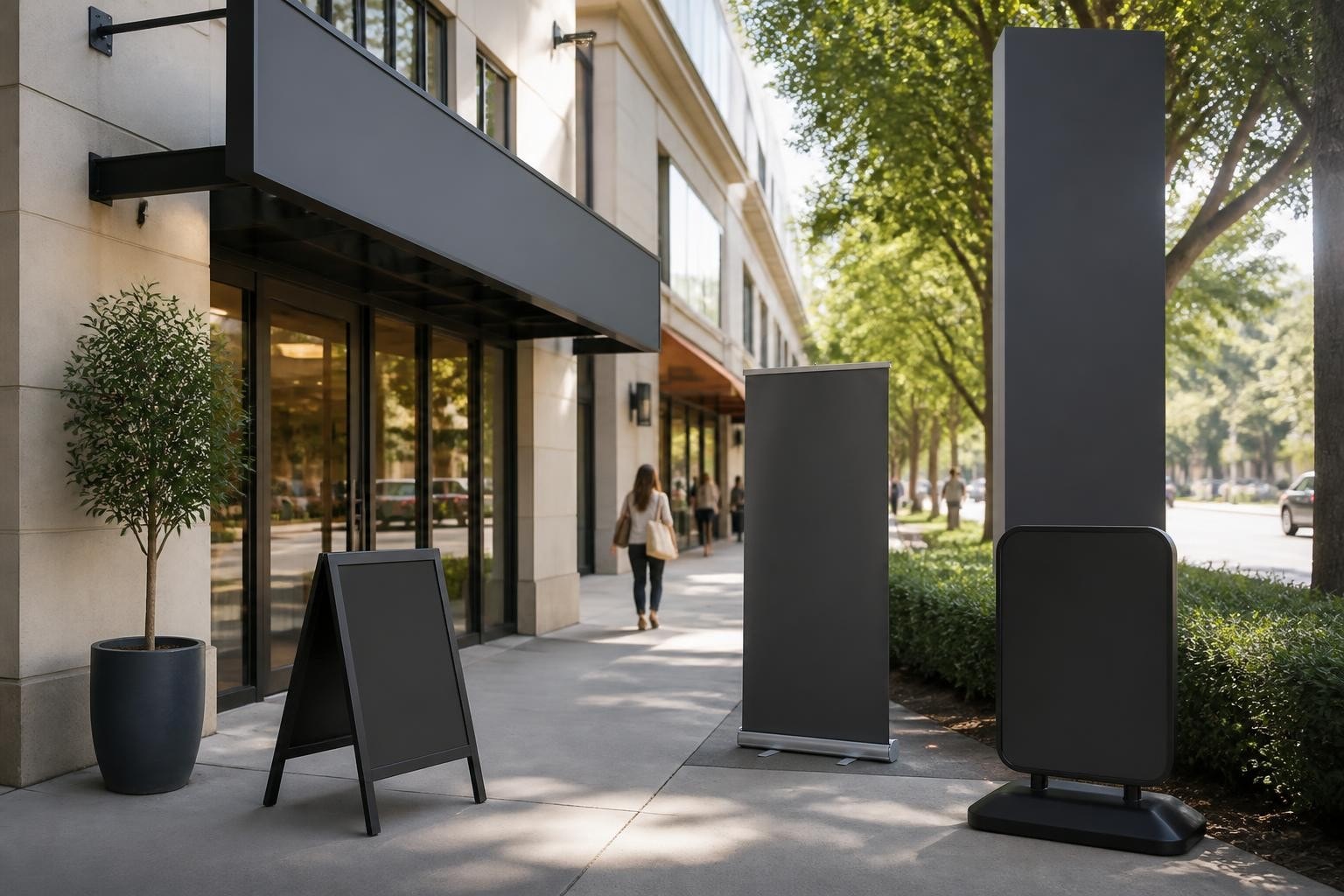
Temporary promotional signs utilise different materials and mounting methods optimised for short-term display. Vinyl banners, A-frame boards, and window graphics offer cost-effective solutions for limited-duration messaging. These elements should complement rather than conflict with permanent signage, maintaining visual harmony across your storefront.
Planning ahead for seasonal changes ensures promotional elements remain available when needed. Many retailers maintain rotating inventory of festive decorations, sale announcements, and event promotions that integrate seamlessly with permanent installations.
Effective custom shop signs represent strategic investments that deliver measurable returns through enhanced visibility, improved brand recognition, and increased customer traffic. By carefully considering materials, design principles, regulatory requirements, and maintenance protocols, businesses create signage solutions that perform reliably for years whilst communicating brand values clearly. Signs4SA brings expertise in bespoke signage design and manufacturing, supported by skilled professionals and a national footprint that ensures consistent quality across all projects. Contact us to discuss how custom solutions can elevate your business presence and create lasting impressions with every customer interaction.