


Warning Construction Signs: Essential Safety Standards
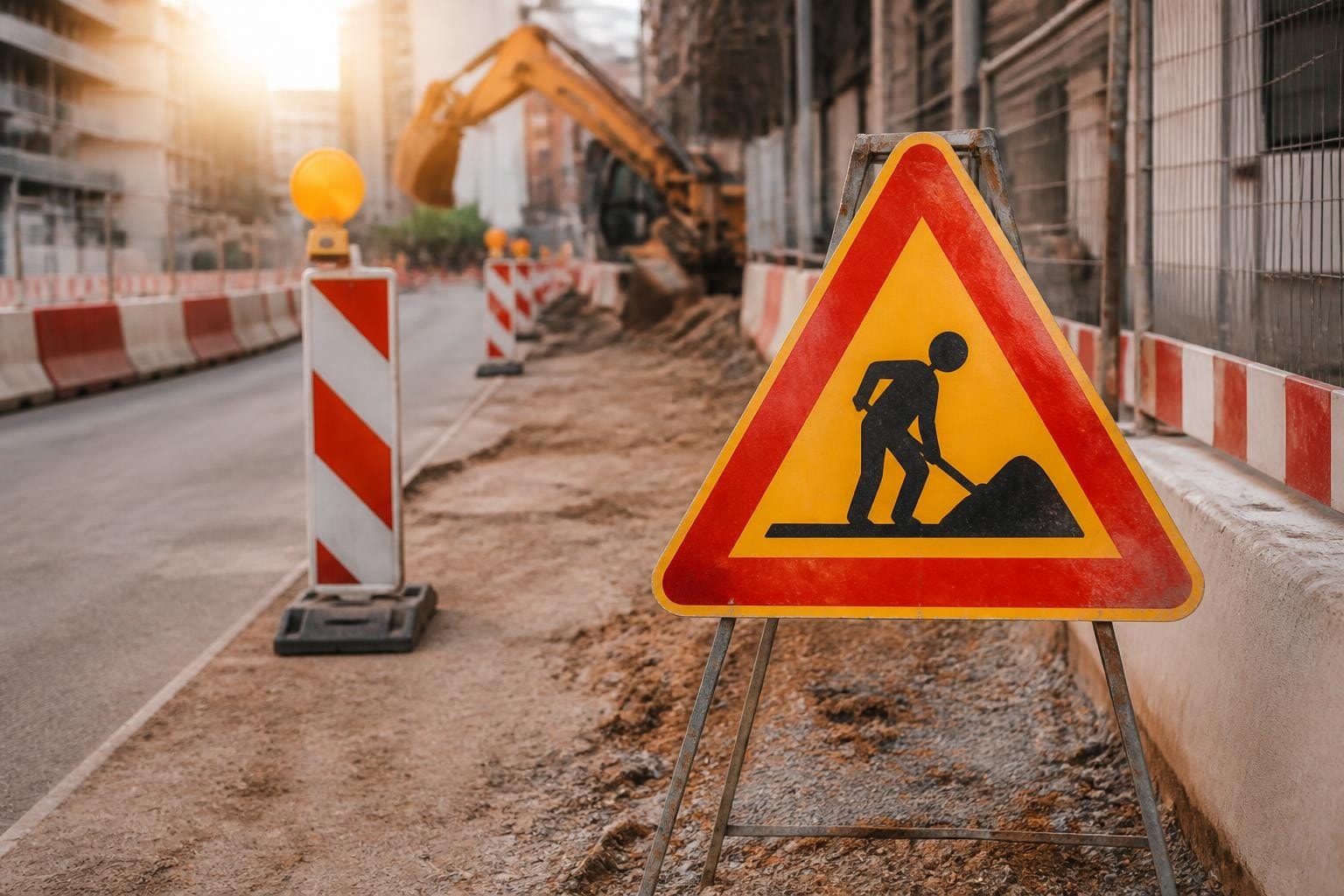
Construction sites represent some of the most hazardous work environments, where the right signage can mean the difference between safety and disaster. Warning construction signs serve as critical communication tools that protect workers, visitors, and the general public from potential dangers lurking at every corner of an active site. These signs must meet stringent regulatory requirements whilst remaining highly visible and instantly understandable, even in challenging conditions. For businesses operating in South Africa's growing construction sector, understanding the nuances of warning signage is not merely about compliance but about creating a culture of safety that protects lives and reduces liability.
Regulatory Framework for Warning Construction Signs
The legal landscape governing warning construction signs is complex and multi-layered, with various jurisdictions implementing specific requirements. Federal regulations mandate comprehensive signage in areas where health or safety hazards are not immediately obvious, ensuring visibility and legibility to communicate the nature of the hazard effectively.
International Standards and Compliance
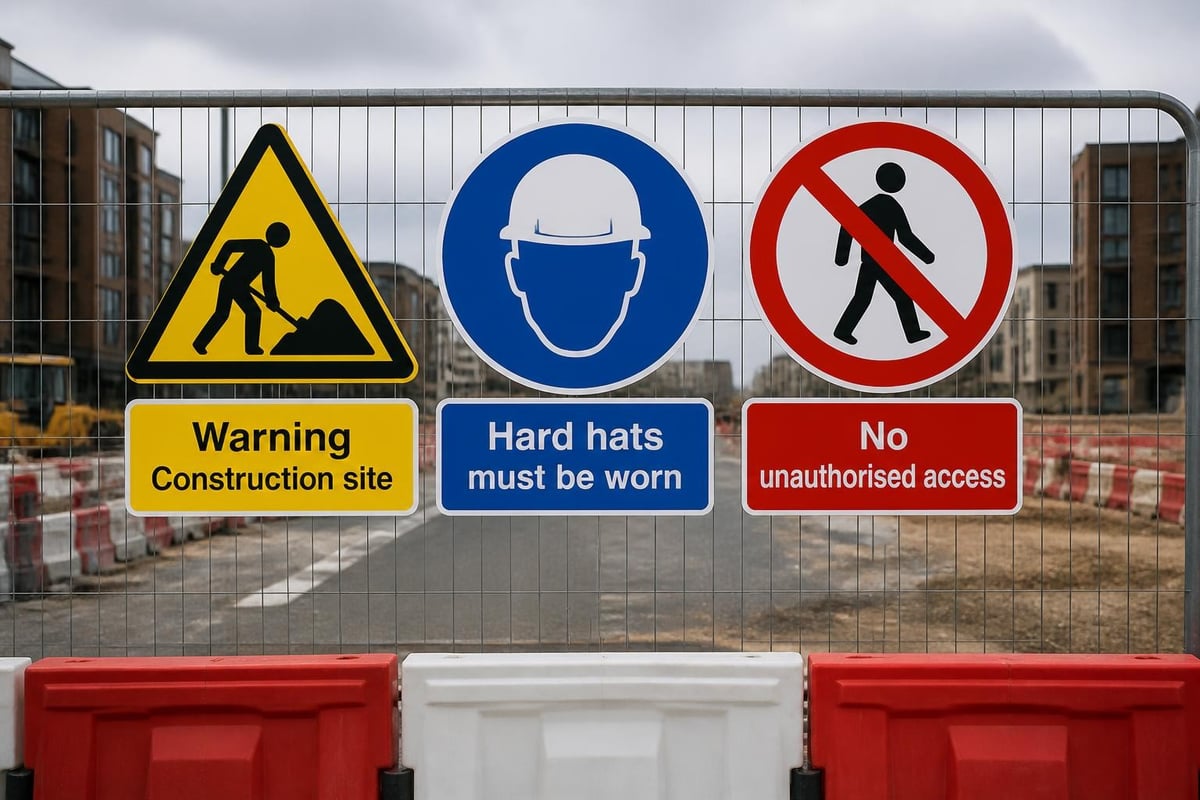
Warning construction signs must adhere to established colour schemes, dimensions, and messaging standards. The standard warning sign features a yellow background with black lettering and borders, creating maximum contrast for visibility. OSHA requirements specify precise measurements and placement to ensure consistency across construction sites.
Key compliance elements include:
- Colour specifications: Yellow background (Pantone 109) with black text
- Lettering height: Minimum 25mm for every 3 metres of viewing distance
- Border width: At least 6mm for standard signs
- Material durability: Weather-resistant materials rated for outdoor use
- Retroreflectivity: Minimum coefficient of 50 candelas per lux per square metre
South African Construction Safety Requirements
The South African construction industry follows specific protocols that align with international standards whilst addressing local environmental and operational challenges. The safety signage compliance framework requires regular inspection and maintenance of warning construction signs to ensure continued effectiveness throughout a project's duration.
Contractors must document sign placement, conduct weekly visibility audits, and replace damaged signage within 24 hours of identification. This proactive approach reduces incident rates and demonstrates due diligence in safety management.
Types and Categories of Warning Construction Signs
Warning construction signs encompass various categories, each designed to communicate specific hazards and protective measures. Understanding these distinctions enables construction managers to implement comprehensive safety programmes.
Hazard-Specific Signage
Different construction activities require tailored warning approaches. The following table illustrates common hazard categories and their corresponding signage requirements:
| Hazard Type | Sign Message | Placement Requirements | Additional Measures |
|---|---|---|---|
| Excavation | "Danger: Open Excavation" | Perimeter of dig site, every 15 metres | Barricades, lighting |
| Overhead Work | "Caution: Overhead Work" | Below work area, at access points | Hard hat zone markers |
| Heavy Equipment | "Warning: Moving Machinery" | Equipment paths, blind spots | Spotters, alarms |
| Chemical Hazards | "Danger: Hazardous Materials" | Storage areas, handling zones | SDS stations |
| Electrical Work | "Warning: High Voltage" | Electrical panels, substations | Lockout/tagout systems |
Temporary vs. Permanent Warning Signage
Construction projects require both temporary and permanent warning construction signs. Temporary signs address short-term hazards like fresh concrete or active welding, whilst permanent installations mark ongoing dangers such as restricted zones or structural load limits.
Temporary signs must be removed promptly once the hazard no longer exists, preventing sign fatigue where workers begin ignoring warnings due to irrelevant or outdated signage cluttering the site.
Design Principles for Maximum Effectiveness
The effectiveness of warning construction signs depends heavily on thoughtful design that considers human factors, environmental conditions, and viewing distances. Research indicates that workers process visual information in approximately 0.5 seconds, making clarity paramount.
Colour Psychology and Visibility
Yellow remains the universal colour for warning signage due to its high visibility in various lighting conditions. The psychology of colour in signage design reveals that yellow triggers heightened attention without the alarm response associated with red danger signs.
Modern warning construction signs incorporate:
- Fluorescent or high-intensity pigments for daylight visibility
- Retroreflective materials for night-time recognition
- Anti-glare coatings to prevent washout in direct sunlight
- Contrast ratios exceeding 70% between background and text
Typography and Messaging Standards
Sign messaging must be concise, direct, and universally understood. Effective warning construction signs use sans-serif fonts like Helvetica or Arial, with letter heights calculated based on viewing distance using the formula: letter height (mm) = viewing distance (metres) × 8.
Single-syllable words and active voice improve comprehension across diverse workforces. Messages such as "Stop: Trench Work" outperform "Please Be Advised That Excavation Activities Are In Progress" by significant margins in recognition speed tests.
Strategic Placement and Positioning
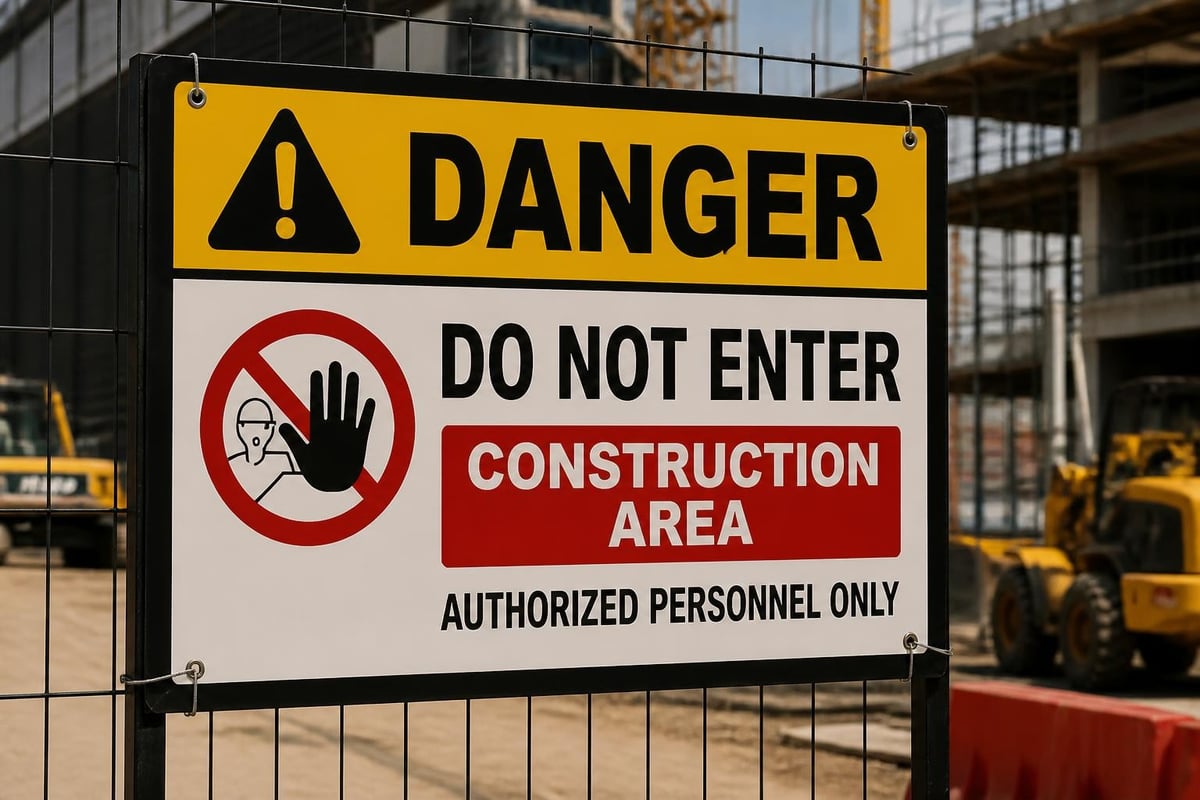
Best practices for placing warning signs emphasise positioning that accounts for worker movement patterns, sightlines, and environmental obstructions. Warning construction signs placed without strategic consideration fail to achieve their protective purpose.
Height and Angle Considerations
Standard mounting height ranges between 1.5 and 2.1 metres from ground level, positioning signs at average eye level for standing workers. However, context matters significantly:
- Vehicular traffic areas: Mount signs at 2.5 to 3 metres for driver visibility
- Pedestrian walkways: Position at 1.7 metres for optimal walking sightlines
- Machinery zones: Install at operator eye level (varies by equipment type)
- Multi-level structures: Place signs at each level with directional indicators
Signs should face approaching workers at 90-degree angles, with supplementary signs at 45-degree angles for intersections and corners. Proper outdoor signage selection ensures visibility from all approach vectors.
Density and Spacing Guidelines
Over-signing creates visual noise that diminishes the impact of individual warnings. Construction sites should maintain spacing of at least 30 metres between warning construction signs of the same type, whilst ensuring no hazardous area exceeds 15 metres from the nearest appropriate warning.
Critical hazard zones require redundant signage, with warnings visible from multiple approaches. This layered approach accommodates workers who may be distracted, fatigued, or approaching from unexpected directions.
Material Selection and Durability Requirements
The harsh construction environment demands robust materials that withstand weather extremes, physical impacts, and chemical exposure. Warning construction signs manufactured from inadequate materials fail prematurely, creating gaps in safety coverage.
Material Options and Performance Characteristics
| Material | Lifespan | Weather Resistance | Impact Resistance | Cost Factor | Best Applications |
|---|---|---|---|---|---|
| Aluminium composite | 10-15 years | Excellent | High | Medium | Permanent installations |
| Corflute plastic | 1-3 years | Good | Medium | Low | Temporary sites |
| Rigid PVC | 5-8 years | Very good | Medium | Low-medium | Semi-permanent zones |
| Steel plate | 15+ years | Excellent (coated) | Very high | High | High-traffic areas |
| Mesh banner | 6-12 months | Fair | Low | Very low | Short-term projects |
Environmental Adaptation
South African construction sites face unique environmental challenges, from coastal salt corrosion to inland UV intensity. Warning construction signs must incorporate UV inhibitors, anti-corrosion treatments, and moisture barriers appropriate to their deployment location.
For projects extending beyond six months, investing in higher-grade materials reduces lifecycle costs through decreased replacement frequency. Professional signage installation ensures proper mounting that prevents wind damage and maintains visibility standards.
Digital Integration and Smart Warning Systems
The construction industry increasingly adopts digital technologies that enhance traditional warning construction signs. Digital signage solutions offer dynamic messaging capabilities that adapt to changing site conditions in real-time.
Programmable Warning Displays
Digital warning systems allow construction managers to update messages remotely, addressing emerging hazards instantly without physical sign changes. These systems integrate with:
- Site access control platforms
- Weather monitoring stations
- Equipment tracking systems
- Emergency alert networks
- Compliance documentation systems
LED-based warning signs consume minimal power whilst delivering superior visibility in all lighting conditions. Solar-powered units eliminate electrical infrastructure requirements, making them ideal for remote or mobile construction sites.
Data-Driven Safety Improvements
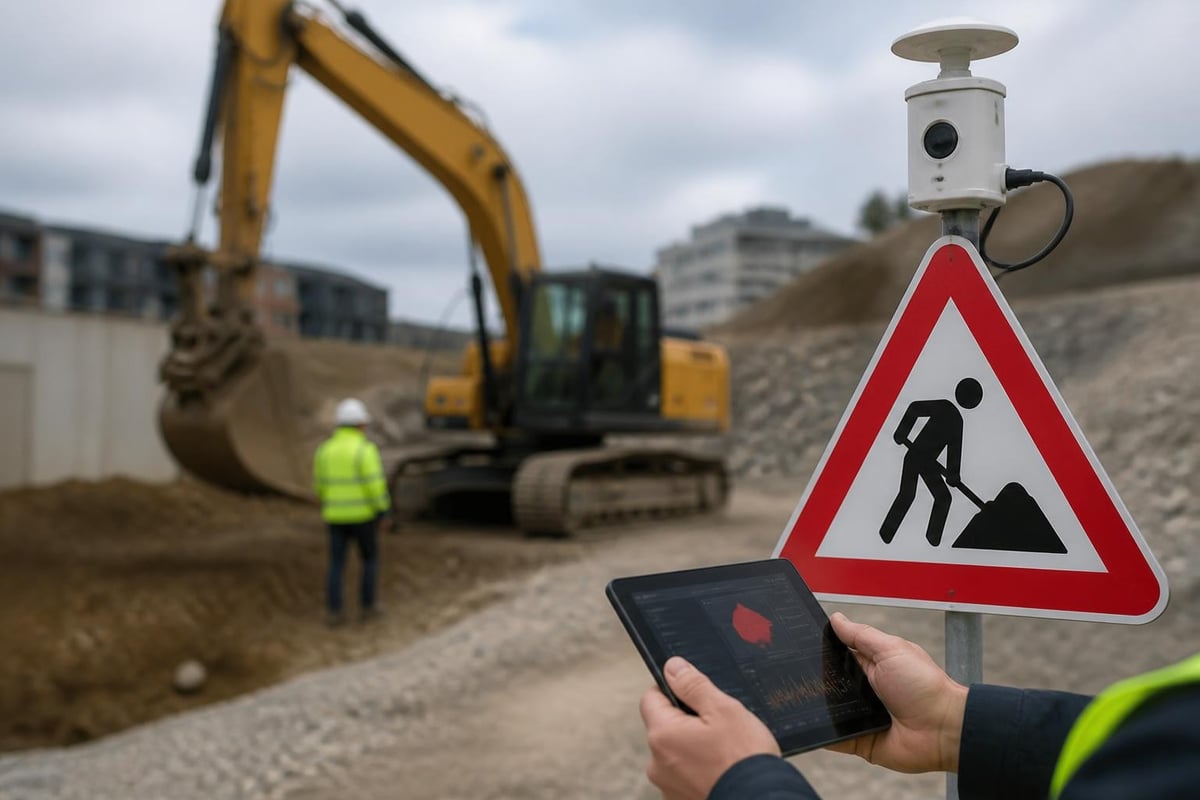
Modern warning construction signs equipped with sensors track worker proximity, dwell time, and response patterns. This data reveals which warnings receive adequate attention and which require repositioning or redesign. Analytics platforms aggregate this information, identifying systemic safety gaps before incidents occur.
Maintenance and Lifecycle Management
Even the highest-quality warning construction signs deteriorate without proper maintenance. Long-term signage maintenance strategies preserve visibility, legibility, and regulatory compliance throughout the construction project lifecycle.
Inspection Protocols and Schedules
Systematic inspection programmes identify sign degradation before it compromises safety. Recommended inspection intervals include:
- Daily: High-traffic areas and critical hazard zones
- Weekly: General construction areas and perimeter signage
- Monthly: Permanent installations and structural warnings
- Post-weather events: After storms, high winds, or extreme temperatures
- Quarterly: Comprehensive audit with documentation
Inspection checklists should address reflectivity, physical damage, mounting security, message legibility, and positioning accuracy. Digital inspection tools streamline documentation whilst enabling trend analysis.
Cleaning and Restoration Techniques
Dust, mud, and construction residue obscure warning construction signs rapidly. Regular cleaning with pH-neutral detergents and soft brushes maintains visibility without damaging sign faces or protective coatings. Avoid pressure washers exceeding 1,500 PSI, which can delaminate graphics or damage retroreflective films.
For signs showing fading or weathering, assess whether restoration or replacement delivers better value. Minor deterioration often responds well to protective clear coatings, whilst advanced degradation requires full replacement to maintain safety standards.
Training and Worker Engagement
Warning construction signs only protect workers who understand and heed their messages. Comprehensive safety training programmes educate site personnel on sign meanings, proper responses, and the critical importance of compliance.
Multilingual Considerations
South Africa's multilingual workforce requires warning construction signs that communicate across language barriers. Symbol-based warnings supplement text messages, whilst sites with concentrated language groups benefit from multilingual signage featuring English alongside relevant local languages.
Pictograms following ISO 7010 standards provide universal recognition, reducing reliance on text-based communication. Training sessions should reference actual site signage, reinforcing connections between warnings and appropriate protective actions.
Behavioural Safety Programmes
Integrating warning construction signs into broader behavioural safety initiatives increases effectiveness. Programmes that reward sign observation, encourage hazard reporting, and foster safety conversations create cultures where warnings receive consistent attention rather than becoming background noise.
Site leadership must model appropriate responses to warning signage, demonstrating that compliance expectations apply uniformly across all personnel levels. This top-down commitment reinforces the critical nature of warning systems.
Cost Considerations and Return on Investment
Investment in quality warning construction signs generates returns through reduced incident rates, lower insurance premiums, and enhanced regulatory compliance. The cost of commercial signage varies significantly based on specifications, but cutting corners on safety signage creates false economies.
Budget Allocation Strategies
Construction projects should allocate 0.5-1.0% of total site safety budgets to warning signage, adjusting for project complexity and hazard density. This investment covers:
- Initial sign procurement and installation
- Maintenance supplies and replacement inventory
- Inspection equipment and documentation systems
- Training materials and programme delivery
- Periodic audits and compliance reviews
Bulk purchasing reduces per-unit costs whilst ensuring consistency across multiple sites or project phases. Established relationships with professional signage manufacturers like those offering comprehensive construction safety solutions streamline procurement and ensure quality standards.
Liability Reduction Value
Inadequate warning construction signs expose contractors to substantial liability in injury incidents. Legal precedents establish that proper signage demonstrates reasonable care, potentially reducing damages in litigation. Insurance providers increasingly audit safety signage programmes, with comprehensive systems qualifying for premium reductions of 5-15%.
Emerging Trends and Future Developments
The warning construction signs landscape continues evolving with technological advancement and enhanced understanding of human factors. Trends shaping the next generation of construction safety signage include augmented reality integration, AI-powered hazard detection, and biometric response verification.
Sustainable Signage Solutions
Environmental consciousness drives demand for warning construction signs manufactured from recycled materials and designed for full lifecycle sustainability. Biodegradable temporary signs, solar-powered digital displays, and modular systems that adapt across multiple projects represent growing market segments.
Carbon-neutral manufacturing processes and local sourcing reduce environmental footprints whilst supporting regional economies. South African manufacturers increasingly offer sustainable options that maintain performance standards whilst addressing environmental concerns.
Predictive Safety Technologies
Machine learning algorithms analyse incident data, weather patterns, and work schedules to predict elevated hazard periods. These systems trigger enhanced warning construction signs automatically, adjusting messaging intensity and frequency based on calculated risk levels. Integration with wearable technology enables personalised warnings delivered directly to individual workers approaching specific hazards.
Effective warning construction signs form the foundation of comprehensive site safety programmes, protecting workers and reducing liability through clear, consistent hazard communication. By selecting appropriate materials, maintaining strategic placement, and integrating modern technologies, construction operations create safer environments that support productivity and compliance. Signs4SA delivers professional warning signage solutions tailored to South African construction requirements, combining quality manufacturing with expert guidance to ensure your site meets the highest safety standards. Contact us today to discuss how our comprehensive signage expertise can enhance your construction safety programme.