


Branding of Cars: Visual Identity & Marketing Strategy
The branding of cars represents one of the most sophisticated exercises in visual identity and consumer psychology. Automotive manufacturers invest billions annually to ensure their brand communicates specific values, aspirations, and promises to potential buyers. This complex process extends far beyond vehicle design itself, encompassing every touchpoint where consumers encounter the brand-from dealership signage and digital advertising to the badge on the bonnet. For businesses supporting the automotive industry, understanding these branding principles reveals opportunities to strengthen brand presence through strategic signage solutions.
The Strategic Foundation of Automotive Brand Identity
The branding of cars begins with establishing a clear brand architecture that differentiates one manufacturer from competitors. Leading automotive companies develop comprehensive brand guidelines that specify precise colour codes, typography standards, logo usage rules, and even the materials acceptable for brand representation.
Research from Kantar BrandZ demonstrates that strong automotive brands command price premiums of 20-30% compared to weaker competitors, purely based on brand perception. This valuation directly influences investment decisions around brand visibility.
Core Elements That Define Automotive Brands
Successful car brands build recognition through consistent application of visual elements:
- Logo design and placement standards across all physical and digital touchpoints
- Proprietary colour systems that become synonymous with the brand (think Ferrari's Rosso Corsa red)
- Typography families carefully selected to convey brand personality
- Signature design language that creates instant recognition even without badges
- Brand voice and messaging frameworks that align verbal and visual communication
The automotive sector differs from other industries because the product itself-the vehicle-serves as a mobile billboard. Every car on the road reinforces brand presence, making consistency across all brand expressions critical.
Physical Branding: Dealership Environments and Signage
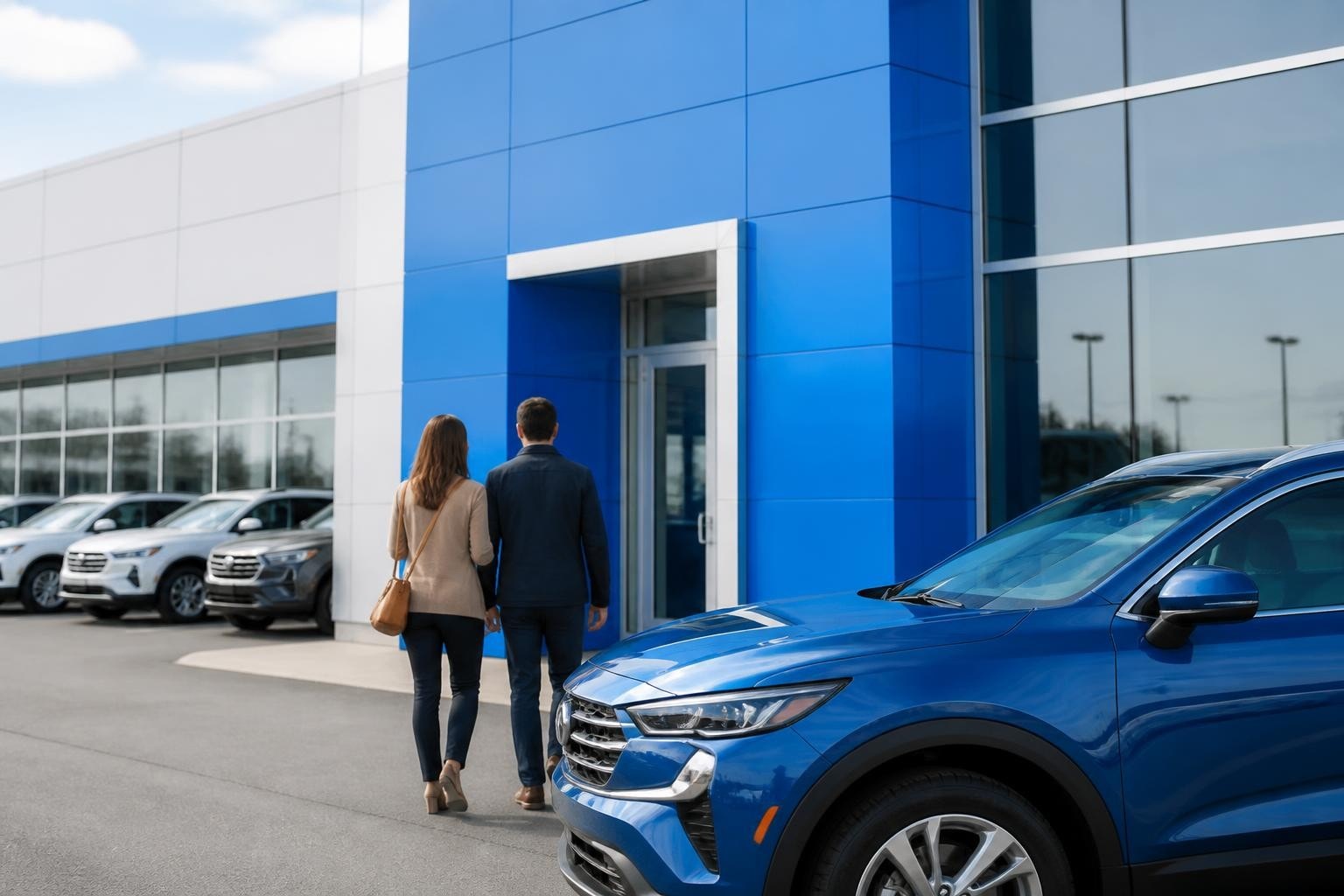
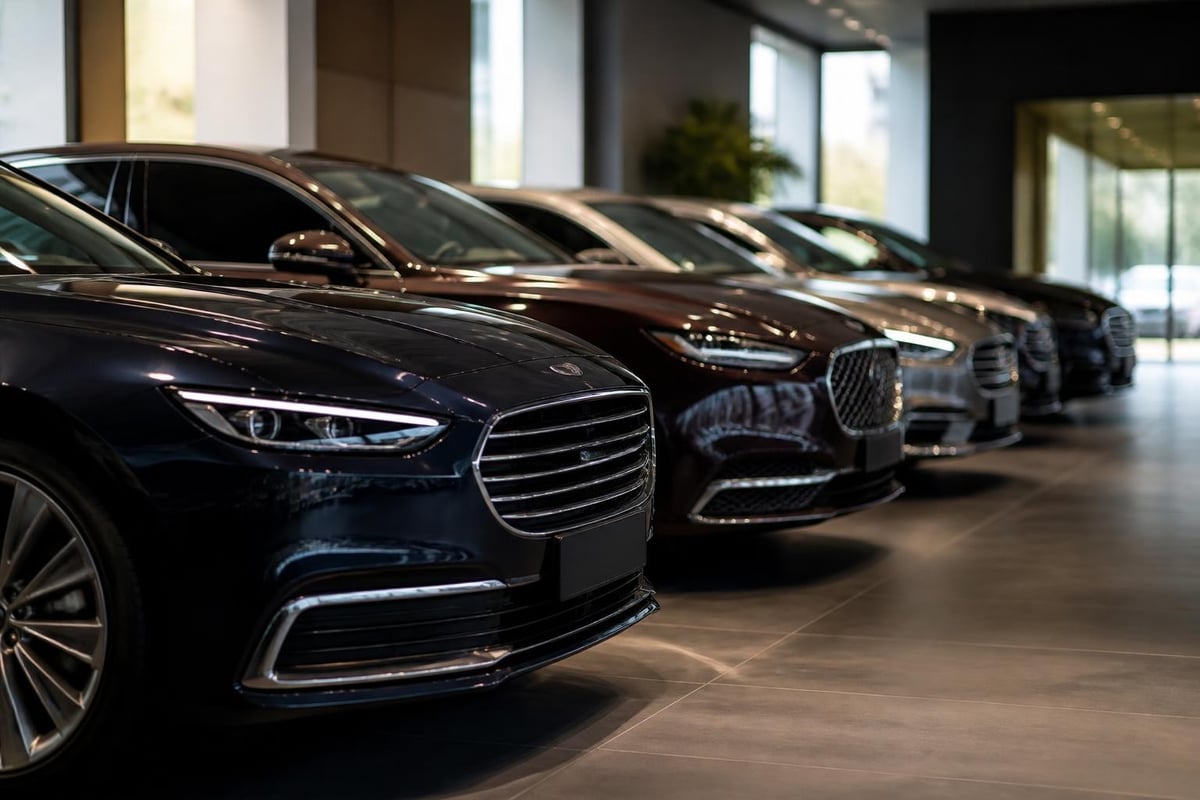
The physical manifestation of car branding reaches consumers most powerfully at dealership locations. These environments transform brand guidelines into three-dimensional experiences that must align perfectly with the manufacturer's vision whilst remaining functional for daily operations.
Modern dealerships invest extensively in Pylon Signage that adheres to strict brand standards. Manufacturers typically provide detailed specifications for dealership signage, including exact dimensions, lighting requirements, material specifications, and positioning guidelines. These standards ensure that whether a customer visits a dealership in Johannesburg or Cape Town, they encounter the same visual brand experience.
| Signage Type | Brand Function | Investment Level |
|---|---|---|
| Pylon signage | Primary brand visibility from roadways | High |
| Façade branding | Architectural brand presence | Very high |
| Interior wayfinding | Service department brand reinforcement | Medium |
| Digital displays | Dynamic promotional capability | High |
| Vehicle display stands | Product presentation consistency | Medium |
Creating Cohesive Brand Environments
The branding of cars extends into every corner of the dealership experience. Service departments, parts counters, waiting areas, and even staff uniforms contribute to brand perception. According to Cox Automotive's Car Buyer Journey study, 68% of buyers cite dealership experience as equally important as the vehicle itself when making purchase decisions.
Effective vehicle branding principles apply not only to customer vehicles but also to dealership courtesy vehicles, service department transporters, and staff cars. Each represents an opportunity to reinforce brand values through professional presentation.
Digital Integration in Modern Car Branding
The evolution of automotive branding now requires seamless integration between physical and digital touchpoints. Digital signage solutions enable dealerships to update promotional content whilst maintaining brand consistency through template systems and content management protocols.
The IAB's State of Data 2024 report highlights how automotive brands increasingly leverage first-party data to personalise marketing whilst maintaining privacy compliance. This shift affects how dealerships deploy digital signage, with dynamic content adapting to local inventory and customer preferences whilst respecting brand guidelines.
Omnichannel Brand Experiences
Today's automotive buyers research extensively before visiting dealerships. Deloitte's 2024 Global Automotive Consumer Study reveals that buyers spend an average of 14 hours researching online before making contact with a dealer. This behaviour demands perfect alignment between digital presence and physical brand experiences.
When buyers transition from online research to physical dealerships, any disconnect in branding erodes trust. Strategic custom signage solutions bridge this gap by extending digital brand experiences into physical spaces through consistent messaging, visual hierarchy, and experiential design.
Colour Psychology and Brand Recognition
The branding of cars leverages colour psychology extensively to trigger specific emotional responses. Automotive manufacturers conduct rigorous colour research to identify hues that resonate with target demographics whilst differentiating from competitors.
Premium brands often develop proprietary paint formulations that become brand signatures. These exclusive colours serve dual purposes: creating aspirational value for buyers and establishing instant visual recognition on roads.
Primary colour applications in automotive branding:
- Corporate identity colours appearing in logos, signage, and marketing materials
- Vehicle paint colours that define model personalities and appeal to segments
- Interior accent colours creating cohesive cabin experiences
- Environmental graphics within dealerships and service centres
- Digital interface colours across infotainment and mobile applications
The psychology of colour in signage design directly impacts how consumers perceive automotive brands. Blue communicates reliability and trust, red suggests performance and passion, whilst silver and grey convey sophistication and technological advancement.
Technological Innovation in Brand Presentation
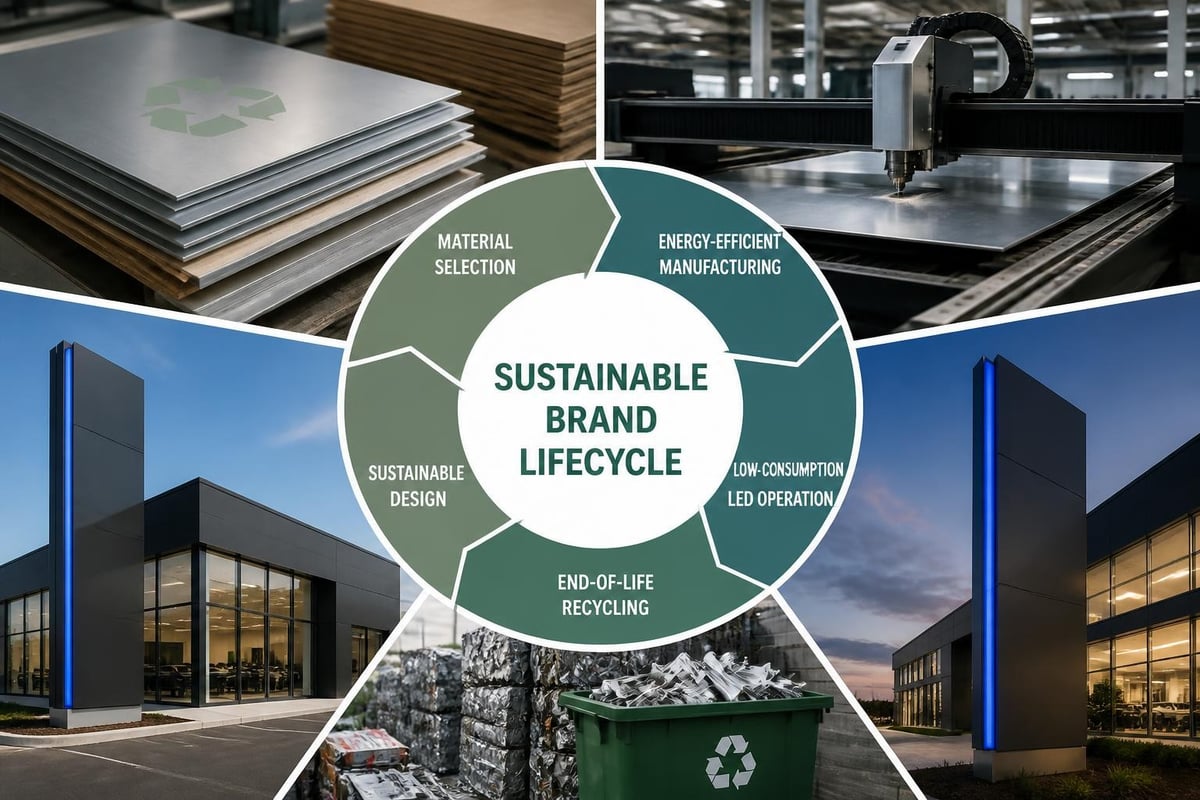
Emerging technologies transform how the branding of cars manifests in physical spaces. Augmented reality applications overlay digital brand content onto physical environments, whilst advanced LED signage delivers dynamic content that adapts to time of day, weather conditions, or inventory availability.
Innovative dealerships experiment with projection mapping, interactive displays, and immersive brand experiences that extend beyond traditional signage. These technologies require substantial investment but create memorable brand encounters that differentiate from competitors.
Service providers like Extreme Aerial Productions demonstrate how cutting-edge visual technology captures brand environments from unique perspectives, creating marketing assets that showcase dealership facilities and brand presence with cinematic quality-valuable content for both manufacturer assessments and local marketing campaigns.
Brand Consistency Across the Ownership Journey
The branding of cars continues long after purchase completion. Service departments, parts counters, and customer communication touchpoints maintain brand relationships throughout ownership cycles.
Consistent brand presence in service environments reassures customers about quality standards and reinforces purchase decisions. Many manufacturers specify identical brand treatments for service areas as showrooms, recognising that after-sales experiences significantly influence loyalty and referral behaviour.
Fleet and Commercial Brand Applications
Commercial vehicle sectors extend automotive branding into working environments where brand exposure reaches exponentially larger audiences. Delivery vans, utility vehicles, and commercial fleets become mobile advertisements that require durable, weather-resistant brand applications.
Professional vehicle branding solutions for fleet applications balance brand impact with longevity, using materials and application techniques that withstand demanding operational conditions whilst maintaining visual quality over extended periods.
Investment Considerations for Brand-Compliant Signage
Automotive manufacturers impose rigorous standards that affect signage investment requirements. Understanding these specifications upfront prevents costly corrections and ensures manufacturer approval for co-operative marketing fund access.
Typical manufacturer requirements include:
- Certified fabricators with proven automotive brand experience
- Material specifications meeting durability and appearance standards
- Installation protocols ensuring structural integrity and safety compliance
- Maintenance programmes preserving brand presentation quality
- Documentation requirements proving compliance for funding eligibility
Working with experienced signage manufacturers familiar with automotive brand standards streamlines approval processes and ensures first-time compliance with manufacturer specifications.
Digital Marketing Integration
Modern automotive branding strategies increasingly rely on data-driven approaches that coordinate physical and digital touchpoints. Aletto, which specialises in AI-powered lead generation and appointment booking automation, exemplifies how automotive businesses leverage technology to transform brand visibility into qualified sales opportunities-connecting physical brand presence with digital conversion pathways.
The branding of cars in 2026 requires sophisticated attribution modelling that tracks how physical brand exposures influence online research behaviour and eventual purchase decisions. This measurement enables optimisation of both signage investments and digital marketing spend based on proven contribution to sales outcomes.
Long-Term Brand Maintenance
Maintaining brand-compliant signage requires ongoing investment in cleaning, repair, and periodic updates. Signage maintenance programmes protect initial investments whilst ensuring continuous brand compliance.
Weather exposure, environmental conditions, and mechanical wear gradually degrade signage quality. Proactive maintenance schedules prevent minor issues escalating into expensive emergency repairs or manufacturer compliance violations.
Essential maintenance activities:
- Monthly cleaning protocols removing environmental contamination
- Quarterly illumination checks ensuring consistent operation
- Semi-annual structural inspections verifying mounting integrity
- Annual brand compliance audits confirming ongoing specification adherence
- Immediate repair protocols for damage or vandalism
Professional maintenance contracts ensure dealerships meet manufacturer standards consistently whilst avoiding the administrative burden of managing multiple specialist contractors.
The branding of cars represents a sophisticated integration of visual identity, consumer psychology, and strategic communication across physical and digital touchpoints. For automotive dealerships and related businesses, investing in brand-compliant signage delivers measurable returns through enhanced visibility, stronger brand recall, and alignment with manufacturer expectations. Whether you're establishing a new dealership, refreshing existing brand elements, or maintaining compliance with evolving manufacturer standards, Signs4SA provides the expertise, national footprint, and quality craftsmanship to bring automotive brand visions to life across South Africa's diverse markets.