


Branding Cars: Transform Vehicles Into Mobile Marketing
Every vehicle on the road presents an untapped marketing opportunity. Branding cars transforms ordinary company fleets into powerful mobile billboards that work around the clock, reaching thousands of potential customers daily. From small businesses with a single van to corporations managing hundreds of vehicles, the strategic application of visual identity to automobiles has become one of the most cost-effective advertising channels available. This comprehensive guide explores how businesses can leverage vehicle branding to amplify brand visibility, generate leads and establish market presence through thoughtfully designed automotive graphics.
Strategic Value of Vehicle Branding
Vehicle branding delivers measurable business impact that extends far beyond traditional advertising. A single branded vehicle generates between 30,000 and 70,000 daily impressions, depending on route density and urban population. The cumulative effect over months and years creates brand familiarity that translates directly into customer trust and recognition.
Key business advantages include:
- Cost efficiency: One-time investment delivers years of continuous exposure
- Geographic targeting: Vehicles naturally reach your service area
- Professional credibility: Well-branded fleets signal established, trustworthy businesses
- Non-intrusive marketing: Passive visibility without the disruption of active advertising
- Employee pride: Professional vehicle branding reinforces company culture and staff identity
Research from YouGov's automotive rankings demonstrates how consistent visual presence affects brand perception and consideration. Companies that maintain cohesive branding across all touchpoints, including vehicles, achieve significantly higher brand recall than those with inconsistent or absent automotive branding.
Return on Investment Analysis
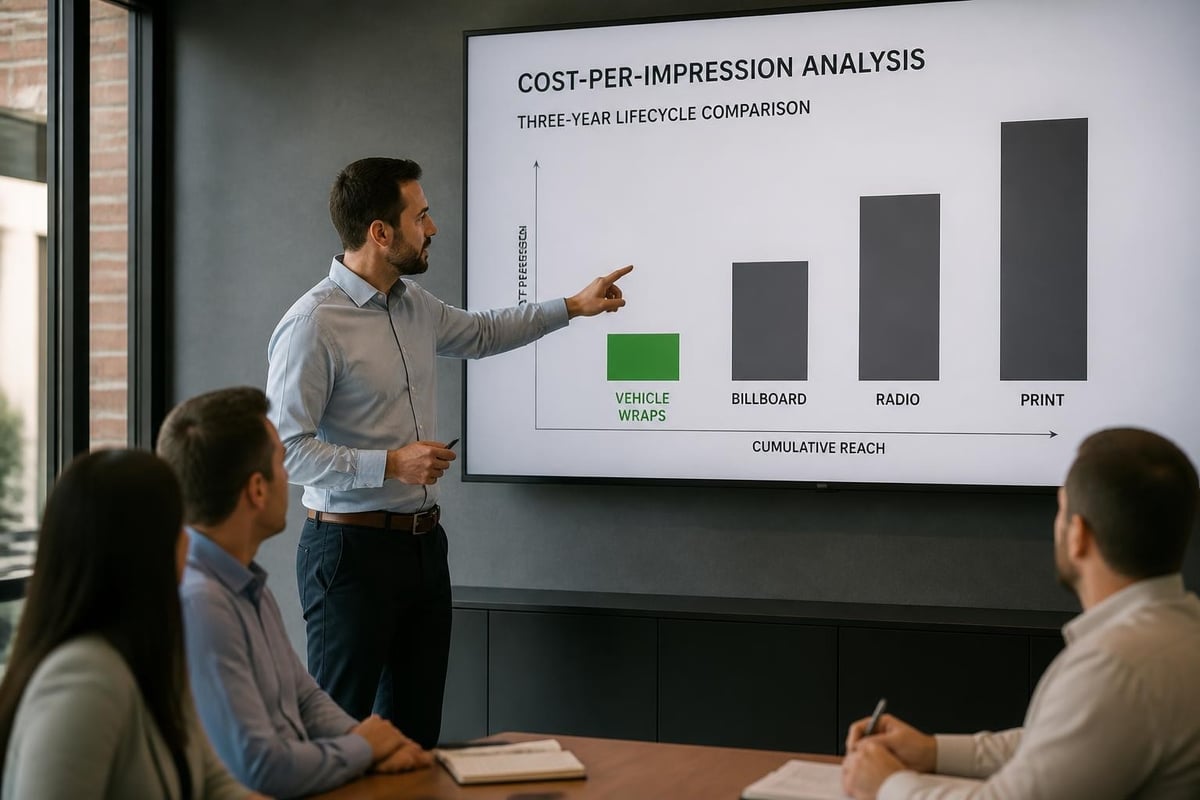
The mathematics of branding cars reveals compelling value propositions. Traditional advertising channels require ongoing investment, whilst vehicle wraps deliver continuous exposure for three to five years from a single expenditure. Industry data from Simon-Kucher's automotive monetization research indicates that commercial vehicle branding generates cost-per-impression rates 60-80% lower than billboard advertising.
| Advertising Channel | Cost per 1,000 Impressions | Duration | Ongoing Investment |
|---|---|---|---|
| Vehicle Wrap | £0.35 - £0.60 | 3-5 years | None |
| Billboard | £3.50 - £8.00 | Monthly rental | Continuous |
| Radio Spot | £4.00 - £12.00 | Per campaign | Continuous |
| Print Advertisement | £8.00 - £15.00 | Per insertion | Continuous |
Small businesses particularly benefit from vehicle branding economics. A modest investment of £2,000-£4,000 can generate millions of impressions over the wrap's lifespan, making it accessible even for companies with limited marketing budgets. For insights on maximizing return from signage investments, explore vehicle branding strategies that align with business objectives.
Design Principles for Effective Car Branding
Strategic design separates forgettable vehicle graphics from memorable brand ambassadors. Branding cars requires balancing aesthetic appeal with practical readability at various speeds and viewing distances. The three-second rule governs effective design: passing motorists should grasp your core message within three seconds of exposure.
Visual Hierarchy and Readability
Typography selection dramatically affects message retention. Sans-serif fonts with clean letterforms perform best on moving vehicles, maintaining legibility at speed and distance. Minimum recommended letter heights are:
- Primary headline/company name: 150-200mm for readability at 20 metres
- Secondary information: 75-100mm for closer viewing distances
- Contact details: 50-75mm minimum, prominently positioned
Colour contrast drives visibility. High-contrast combinations-dark text on light backgrounds or reverse arrangements-ensure messages penetrate visual clutter. Avoid low-contrast pairings such as yellow on white or navy on black, which disappear under certain lighting conditions.
Design elements that enhance effectiveness:
- Dominant logo placement: Position brand marks where eyes naturally track (rear doors, side panels)
- White space utilisation: Resist overcrowding; breathing room amplifies key messages
- Directional cues: Guide viewer attention through strategic element placement
- Brand consistency: Maintain colour schemes, typography and visual language across fleet
IDEO's design perspective emphasizes human-centered approaches that consider real-world viewing conditions. Vehicle branding must account for motion, varying distances and split-second attention spans that differ fundamentally from static signage contexts. The lessons from design trends in contemporary signage apply directly to automotive applications.
Vehicle-Specific Considerations
Different vehicle types present unique branding opportunities and constraints. Panel vans offer large, uninterrupted canvas areas ideal for bold graphics and comprehensive messaging. Saloon cars provide smaller surface areas requiring tighter, more focused designs. Commercial trucks and lorries demand scaled-up graphics that remain legible from considerable distances.
Door panels serve as premium real estate. These areas receive maximum visibility at traffic lights, in car parks and during stationary periods. Reserve these spaces for essential brand information: company name, primary service offering and contact methods.
Material Selection and Application Methods
Material quality determines longevity, appearance retention and ultimate return on investment when branding cars. Modern vehicle wrapping employs cast vinyl films specifically engineered for automotive applications. These materials conform to complex curves, resist environmental degradation and remove cleanly without damaging underlying paintwork.
Vinyl Film Specifications
Premium cast vinyls differ significantly from calendared alternatives. Cast films are manufactured through a casting process that creates thin, conformable material with superior durability. Calendared vinyls, whilst less expensive, lack the flexibility and longevity required for professional vehicle applications.
| Property | Cast Vinyl | Calendared Vinyl |
|---|---|---|
| Conformability | Excellent (compound curves) | Limited (flat/simple curves) |
| Outdoor durability | 5-7 years | 3-5 years |
| Shrinkage | Minimal | Moderate to high |
| Finish options | Gloss, matte, metallic, textured | Primarily gloss |
| Typical cost | £450-£650 per roll | £250-£350 per roll |
Technical guidance from 3M's fleet branding research details material performance characteristics across different environmental conditions. South African conditions-intense UV exposure, temperature extremes and varied humidity-demand materials rated for harsh climates.
Sustainability considerations increasingly influence material choices. The VinylPlus circular economy initiatives demonstrate industry commitment to recyclable materials and responsible end-of-life management, addressing environmental concerns whilst maintaining performance standards required for professional vehicle branding.
Installation Techniques
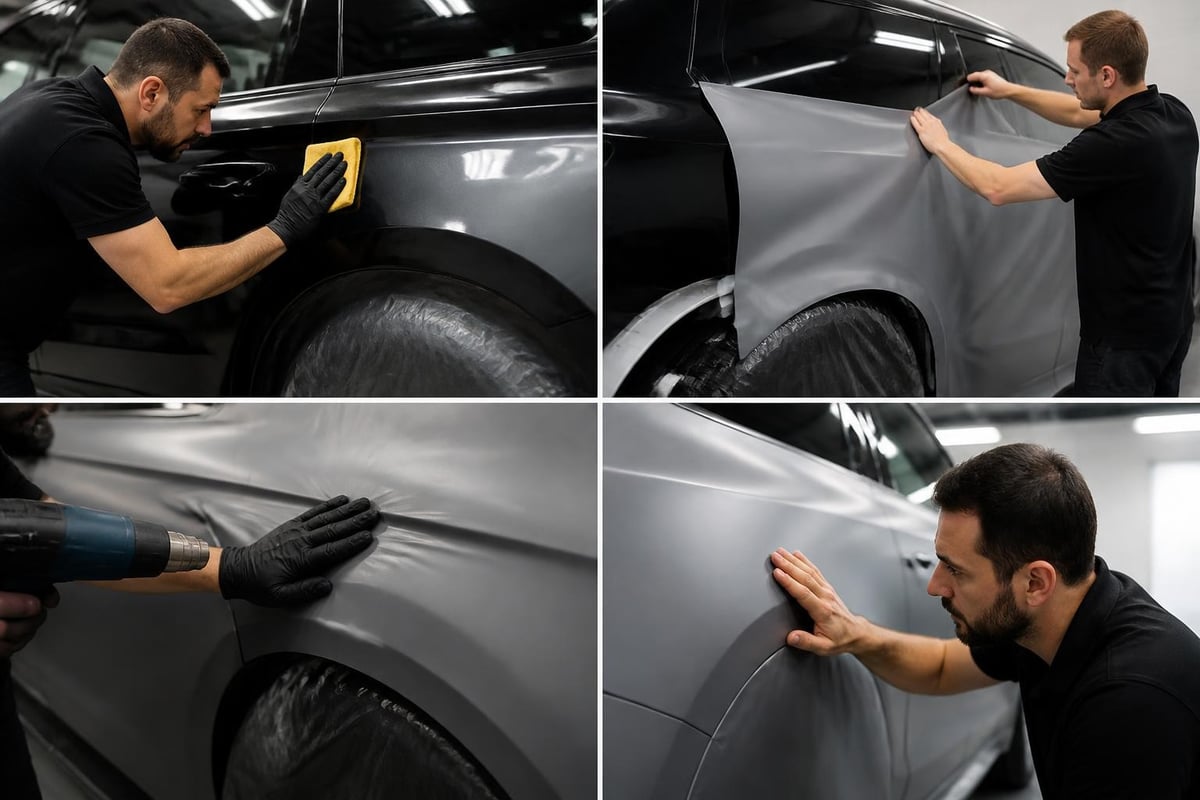
Professional application separates amateur results from showroom-quality finishes. Skilled installers employ wet or dry application methods depending on vinyl type, vehicle contours and environmental conditions. Dry application suits experienced technicians working in controlled environments, whilst wet application provides repositioning flexibility beneficial for complex surfaces.
Critical installation factors:
- Surface preparation: Thorough cleaning and decontamination prevent adhesion failures
- Temperature control: Application temperatures between 15-25°C optimize adhesive performance
- Tension management: Proper stretching prevents wrinkling without overstressing material
- Edge sealing: Careful attention to panel edges, recesses and trim prevents lifting
For businesses seeking professional results, partnering with experienced signage manufacturers ensures proper material selection and expert installation. Custom signage solutions that include vehicle branding benefit from integrated approaches that maintain brand consistency across all physical touchpoints.
Partial Wraps and Alternative Approaches
Full vehicle wraps deliver maximum impact but represent significant investment. Partial wraps, spot graphics and magnetic signs offer alternative entry points for businesses exploring vehicle branding. These approaches reduce material and installation costs whilst still providing meaningful visibility gains.
Partial Wrap Strategies
Strategic partial coverage targets high-visibility areas whilst controlling costs. Common configurations include:
- Door panels and bonnet: Captures side visibility and front-facing exposure
- Rear door and bumper: Maximizes impact on following traffic
- Roof graphics: Targets elevated viewing angles (pedestrian bridges, tall vehicles)
- Lower panel accents: Creates finished appearance at reduced material cost
Partial wraps typically cost 40-60% less than full coverage whilst delivering 60-75% of the visibility impact. This value proposition appeals to small businesses, startups and companies testing vehicle branding before committing to fleet-wide implementation.
Cut vinyl lettering represents the most economical approach. Individual vinyl letters, numbers and simple graphics apply directly to vehicle paintwork, creating professional identification without full surface coverage. This method suits businesses prioritizing information delivery over aesthetic impact.
Magnetic and Removable Solutions
Magnetic vehicle signs provide maximum flexibility for businesses using personal vehicles for commercial purposes or requiring temporary branding. High-quality magnetic materials adhere securely at motorway speeds whilst allowing instant removal when needed.
Magnetic sign advantages:
- Transferable between vehicles
- Removable for personal use periods
- No paintwork commitment
- Cost-effective for small fleets
- Quick design updates possible
Limitations include smaller coverage areas (restricted by flat metal panels) and susceptibility to theft if left unattended. Despite constraints, magnetic solutions serve specific use cases effectively, particularly for sole traders, contractors and businesses with mixed-use vehicle requirements.
Regulatory Compliance and Safety Considerations
Branding cars operates within legal frameworks governing vehicle modifications, visibility and road safety. Compliance ensures both legal operation and professional presentation that enhances rather than compromises brand reputation. Understanding applicable regulations prevents costly errors and potential enforcement actions.
Legal Requirements
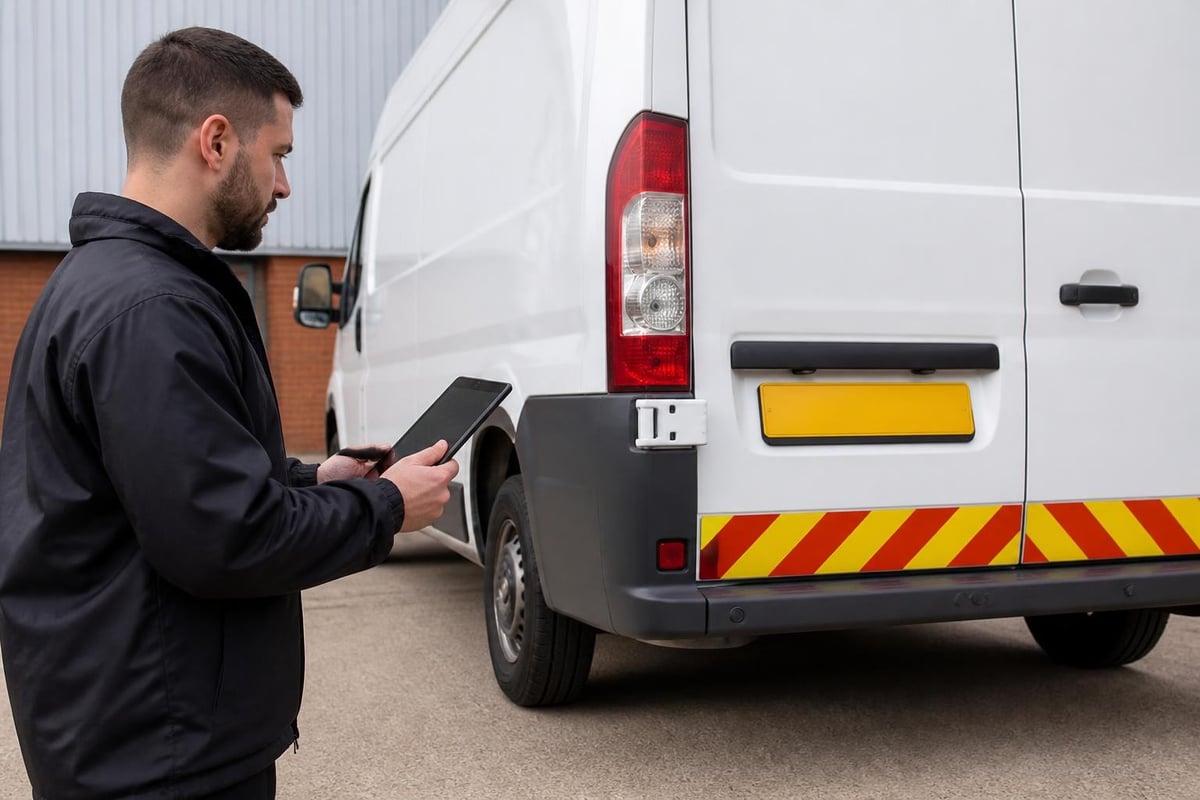
South African vehicle regulations permit graphics and wraps provided they don't obscure registration plates, lights, indicators or safety devices. Window tinting and coverage restrictions vary by province, with specific limitations on windscreen and driver window treatments that affect potential branding areas.
Commercial vehicles transporting goods or passengers face additional requirements. Lettering specifying business name, operating authority and vehicle capacity may be mandated depending on vehicle class and commercial use. Regulatory guidance for signage provides foundational understanding applicable to vehicle applications.
International operations introduce additional complexity. The UN regulation on retro-reflective markings establishes standards for commercial vehicle visibility treatments in many markets. Companies operating across borders must ensure branding designs accommodate varying jurisdictional requirements.
Safety and Visibility Balance
Reflective materials enhance safety whilst serving branding functions. Retro-reflective vinyls return light to its source, dramatically increasing vehicle visibility during low-light conditions. Strategically incorporated reflective elements protect drivers whilst creating distinctive brand signatures.
Colour psychology extends beyond marketing into safety domains. High-visibility colours-fluorescent yellow, orange and lime green-attract attention but may convey unintended associations (emergency services, construction) depending on context. Balancing brand identity with appropriate safety considerations requires thoughtful colour strategy.
Fleet Branding Strategies
Large fleets amplify branding cars benefits through coordinated visual identity across multiple vehicles. Corporate fleets, delivery services and franchise operations leverage consistent branding to build recognition whilst accommodating operational requirements.
Consistency Versus Variation
Uniform fleet branding reinforces single, unified brand identity. Identical graphics across all vehicles create immediate recognition and professional polish. This approach suits corporate fleets, pharmaceutical companies and businesses prioritizing brand consistency above all else.
Strategic variation serves businesses with diverse service offerings or geographic territories. Colour-coded fleets differentiate departments, services or locations whilst maintaining overarching brand cohesion. Franchisees benefit from templates that permit local customization within brand guidelines.
Fleet branding frameworks typically specify:
- Core colour palette (primary, secondary, accent colours)
- Logo placement standards (size, position, clearance)
- Typography hierarchy (fonts, sizes, weights)
- Approved graphic elements and patterns
- Contact information formatting
Pharmaceutical and healthcare fleets often incorporate additional elements reflecting regulatory compliance and professional standards. Clean, clinical aesthetics with prominent credentials and certifications communicate trustworthiness essential in these sectors.
Fleet Management Considerations
Large-scale implementation requires systems for design version control, vehicle assignment tracking and scheduled refurbishment. Fleet managers balance aesthetic consistency with practical realities: vehicle turnover, accident damage, route-specific requirements and evolving brand identities.
Rotation schedules ensure fleet freshness. Planning three-to-five-year replacement cycles for vehicle wraps maintains professional appearance whilst maximizing material lifespan. Tracking systems document wrap installation dates, enabling proactive scheduling before graphics show significant wear.
Businesses exploring comprehensive branding across multiple vehicle types benefit from industry-specific signage solutions that integrate automotive graphics with broader signage strategies. Cohesive approaches spanning pylon signage, building identification and vehicle branding create powerful, multi-channel brand presence.
Emerging Technologies and Future Trends
Innovation continues reshaping vehicle branding possibilities. Digital technologies, smart materials and evolving consumer behaviours create new opportunities for brands to engage audiences through automotive touchpoints. Forward-thinking businesses monitor these developments to maintain competitive advantages.
Digital Integration
Electronic displays transform vehicles into dynamic advertising platforms. LED panels and digital screens enable message variation, real-time updates and content personalization impossible with static graphics. Delivery vehicles equipped with digital signage display route-specific promotions, whilst corporate fleets showcase current campaigns or social media feeds.
The emerging in-vehicle advertising landscape explores opportunities within passenger compartments, though external vehicle branding remains dominant for commercial applications. Integration between physical wraps and digital elements-QR codes, NFC tags, augmented reality triggers-bridges offline visibility with online engagement.
Smart vinyl materials incorporating thermochromic or photochromic properties create colour-shifting effects responding to temperature or light. Whilst currently niche applications, these technologies hint at future possibilities for dynamic, attention-capturing vehicle branding that adapts to environmental conditions.
Sustainability and Materials Innovation
Environmental considerations drive material development. Bio-based vinyls, recycled content films and water-based adhesives address sustainability concerns whilst meeting performance requirements. Businesses aligning brand values with environmental responsibility increasingly specify eco-conscious materials for vehicle branding projects.
Removal and recycling protocols improve end-of-life management. Responsible signage partners implement vinyl collection programs, ensuring used materials enter recycling streams rather than landfills. This circular approach resonates with environmentally conscious consumers and supports corporate sustainability commitments.
The intersection of traditional craftsmanship with modern production technologies mirrors developments in other custom manufacturing sectors. Just as specialists like CCN Sport blend heritage techniques with contemporary methods in custom cycling apparel, vehicle branding evolves through innovation whilst respecting proven fundamentals of design and application.
Sector-Specific Applications
Different industries leverage branding cars to address unique marketing challenges and operational requirements. Tailored approaches maximize effectiveness within specific contexts.
Retail and Consumer Services
Delivery vehicles serve dual purposes: logistics and marketing. E-commerce growth has multiplied branded delivery vehicles on roads, creating mobile advertisements that reinforce online shopping experiences. Retail brands incorporate product imagery, promotional messages and customer testimonials into vehicle designs that tell brand stories during every delivery.
Home service providers-plumbers, electricians, HVAC specialists-rely heavily on vehicle branding for lead generation. A well-branded service van parked in residential areas naturally attracts neighbour enquiries, functioning as passive sales generation that complements active marketing efforts.
Pharmaceutical and Healthcare
Medical transport, pharmaceutical distribution and healthcare services demand branding that conveys professionalism, reliability and regulatory compliance. Clean designs with prominent credentials, licensing information and contact details assure patients and clients of legitimate, professional operations.
Temperature-controlled pharmaceutical transport vehicles often incorporate specialized graphics indicating proper handling capabilities. These visual cues communicate operational competence whilst maintaining brand identity, addressing both marketing and informational requirements.
Construction and Industrial
Construction company vehicles operate as mobile business cards on job sites and throughout communities. Branding construction fleets establishes presence in target markets, signals active operations and generates enquiries from property owners observing work in their neighbourhoods.
Heavy equipment and machinery present unique branding opportunities. Cranes, excavators and specialized vehicles visible from considerable distances benefit from large-scale graphics optimized for long-range viewing. Safety colours, company identification and contact information transform industrial equipment into powerful branding assets.
The principles governing outdoor signage effectiveness apply directly to construction vehicle branding: bold typography, high contrast and clear messaging optimized for quick comprehension.
Maintenance and Longevity
Protecting vehicle branding investment requires appropriate maintenance practices. Regular care extends wrap lifespan, maintains appearance quality and ensures continued positive brand representation.
Cleaning and Care Protocols
Recommended maintenance practices:
- Weekly washing: Hand washing with pH-neutral automotive shampoo
- Spot cleaning: Immediate removal of fuel spills, bird droppings, tree sap
- Avoid pressure washing: High-pressure water damages vinyl edges and adhesive
- Wax-free products: Traditional car waxes contain petroleum distillates harmful to vinyl
- Covered parking: When possible, garage storage protects against UV and weather
Commercial fleets benefit from documented maintenance schedules integrated with regular vehicle servicing. Fleet managers assign responsibility for appearance standards, ensuring branded vehicles consistently project professional image.
Minor damage requires prompt attention. Small tears, lifting edges or impact damage worsen rapidly if neglected, potentially necessitating complete panel rewrapping rather than simple repairs. Professional signage partners offer maintenance services and keep design files for seamless repairs matching original installations.
Environmental Factors
South African climate presents specific challenges. Intense UV radiation accelerates colour fading, particularly for darker hues and saturated colours. High-quality vinyls include UV inhibitors that slow degradation, but all materials eventually show wear. Coastal environments introduce salt exposure that attacks adhesives and promotes corrosion if vinyl edges lift and trap moisture.
Temperature extremes stress vinyl adhesion. Daily thermal cycling-cool mornings to hot afternoons-tests material flexibility and adhesive performance. Premium materials formulated for harsh climates deliver superior performance, justifying higher initial costs through extended service life.
Understanding materials selection for signage applications provides foundational knowledge applicable to vehicle branding contexts. Material science principles governing outdoor signage durability translate directly to automotive applications facing similar environmental stresses.
Case Studies and Performance Metrics
Measuring branding cars effectiveness enables data-driven decision-making and continuous optimization. Businesses employing vehicle branding track multiple metrics demonstrating marketing impact and return on investment.
Measurement Methodologies
Trackable performance indicators include:
| Metric | Measurement Approach | Typical Benchmarks |
|---|---|---|
| Lead attribution | Call tracking numbers, unique URLs | 15-30% of enquiries cite vehicle exposure |
| Brand awareness | Market surveys, recall testing | 40-60% lift in unaided brand recall |
| Impression volume | GPS tracking × traffic density | 30,000-70,000 daily impressions per vehicle |
| Cost per acquisition | Total branding cost ÷ attributed sales | 60-80% lower than paid advertising |
Small businesses often implement simple tracking: unique phone numbers on vehicle graphics separate vehicle-generated enquiries from other sources. Digital integration-vehicle-specific QR codes or landing pages-enables precise attribution whilst offering engagement pathways beyond phone contact.
Geographic analysis reveals branding effectiveness across service territories. GPS fleet tracking data combined with customer acquisition records identifies high-performing routes and areas warranting increased presence. This intelligence informs both marketing strategy and operational route planning.
Industry Examples
A Johannesburg plumbing company documented 40% of new customer enquiries directly attributed to vehicle branding within twelve months of fleet implementation. Their three-van fleet generated over 300 qualified leads annually, converting at rates exceeding digital advertising channels whilst requiring zero ongoing investment beyond maintenance.
National retail chains leverage branded delivery fleets as integrated marketing channels. Harvard Business Review's analysis of automotive brand evolution demonstrates how consistent visual identity across all customer touchpoints-including delivery vehicles-reinforces brand positioning and customer experience expectations.
Home entertainment specialists have found that branded vehicles parked at installation sites generate neighbour enquiries. Much like ANR media creating bespoke home cinema installations that become talking points in communities, well-branded service vehicles spark conversations and referrals within residential areas.
Integration with Broader Marketing Strategy
Branding cars achieves maximum impact as component of cohesive, multi-channel marketing approach. Strategic integration ensures consistent messaging, reinforces brand identity and creates synergies amplifying individual channel effectiveness.
Cross-Channel Consistency
Visual identity standards governing vehicle branding should mirror broader brand guidelines. Colour palettes, typography, logo treatments and messaging hierarchies maintain consistency whether customers encounter brands on vehicles, websites, social media or physical locations.
Promotional campaigns extend across channels. New product launches, seasonal offers or brand repositioning efforts incorporate vehicle graphic updates alongside digital advertising, in-store displays and outdoor signage modifications. This unified approach creates market presence impossible through single-channel efforts.
Local businesses coordinate vehicle visibility with geographic marketing. Routes planning considers high-value territories, competitor presence and upcoming promotional activities. Parking branded vehicles near events, in busy commercial districts or at strategic locations amplifies campaign impact through intentional visibility.
Complementary Signage Elements
Comprehensive branding strategies combine vehicle graphics with static signage creating layered market presence. Businesses invest in professional signage solutions spanning building identification, directional signs, point-of-sale displays and vehicle branding, ensuring customers encounter consistent brand presentation throughout their journey.
Digital and physical integration expands possibilities. Vehicle wraps incorporating QR codes link to campaign landing pages, video content or special offers. Social media campaigns feature fleet photography, encouraging customer-generated content when audiences spot branded vehicles. These integrations transform passive exposure into active engagement opportunities.
The strategic value of coordinated approaches extends beyond marketing into operational efficiency. Companies managing comprehensive signage programs through single partners benefit from design consistency, volume pricing and streamlined project management across all signage needs.
Branding cars represents one of the most cost-effective and impactful marketing investments available to businesses across industries. From material selection and design strategy to installation quality and fleet management, success requires expertise, planning and commitment to professional execution. Whether launching a single vehicle or managing a national fleet, partnering with experienced signage specialists ensures your mobile marketing assets deliver maximum return and represent your brand with distinction. Signs4SA brings comprehensive signage expertise, national reach and commitment to quality that transforms vehicle branding concepts into powerful marketing realities driving measurable business growth.