

Branding on Car: Transform Your Fleet into Marketing Assets
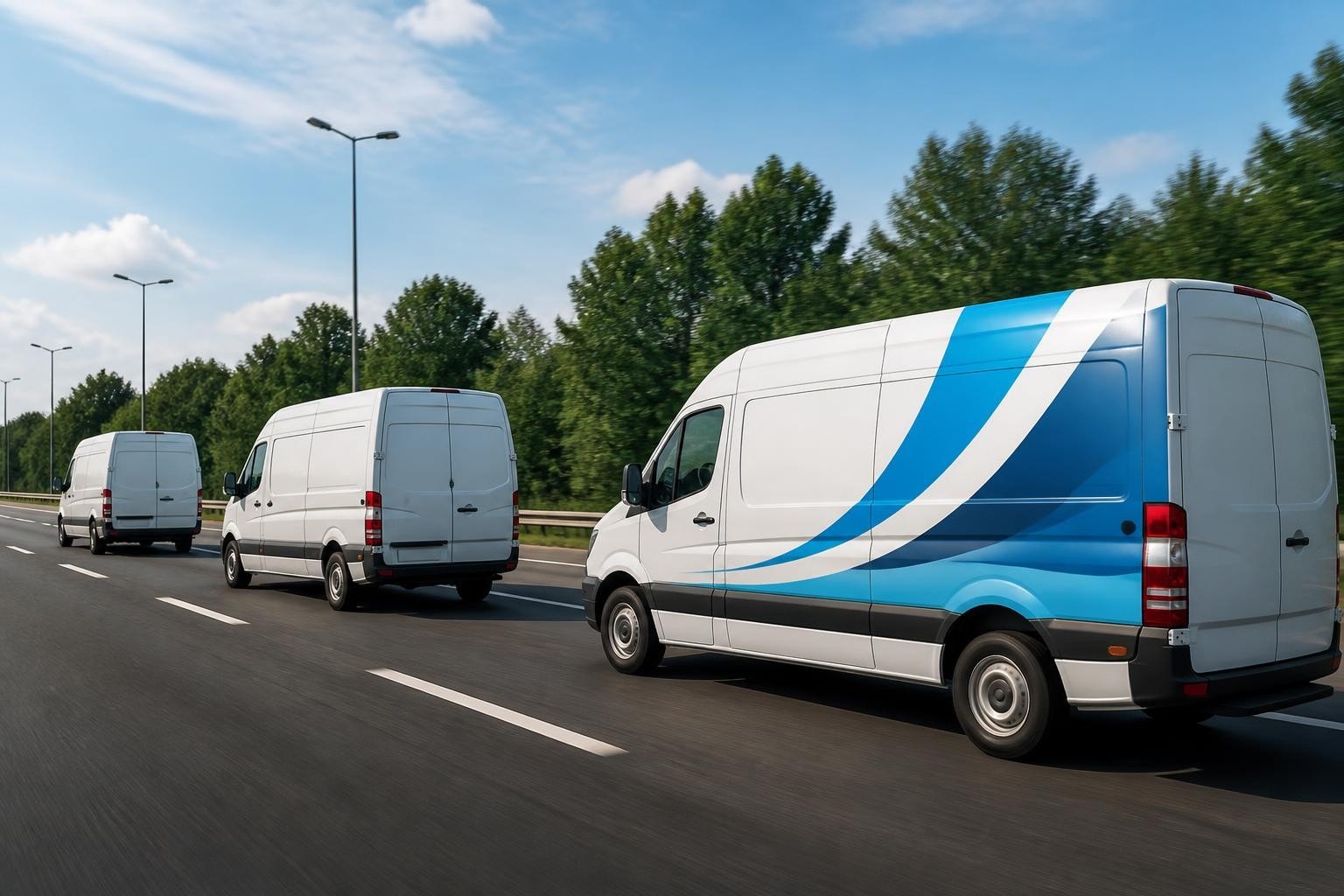
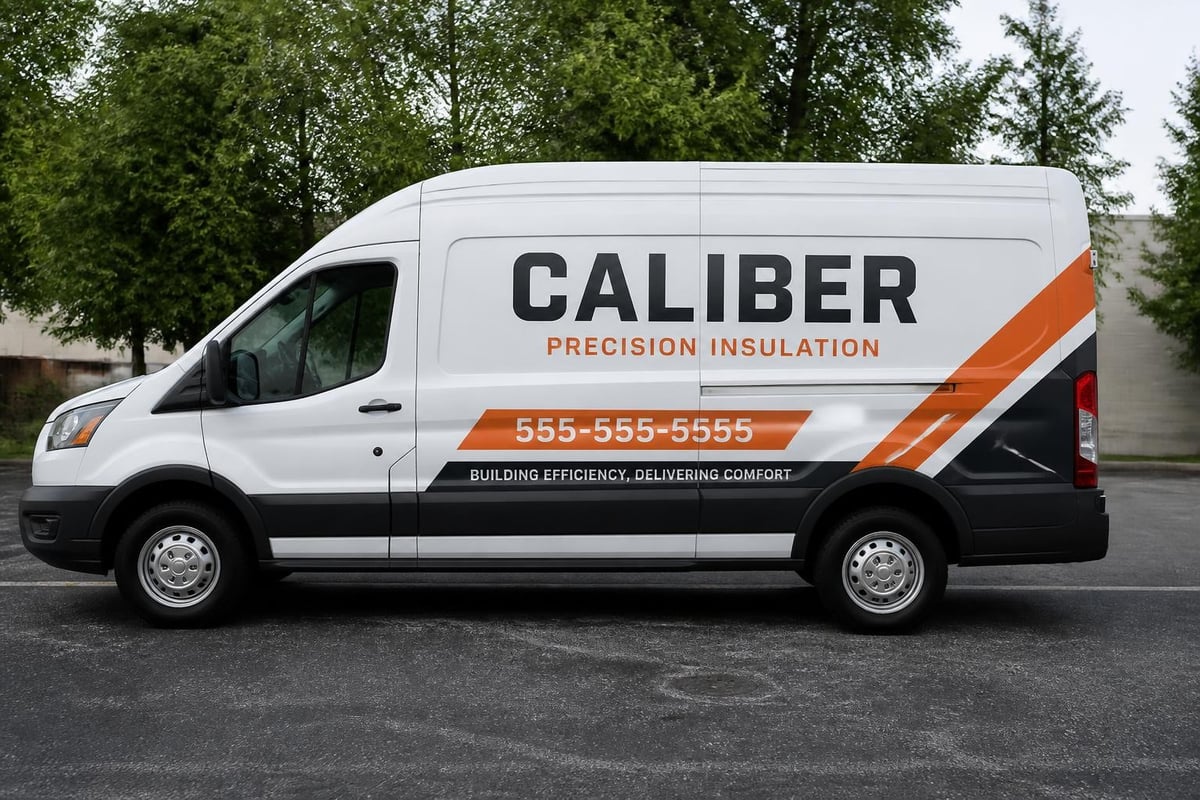
Every vehicle in your fleet represents an untapped marketing opportunity. While traditional advertising demands recurring costs and fixed locations, branding on car solutions transforms your existing assets into mobile billboards that work 24/7. For businesses across South Africa's corporate, retail, construction, and pharmaceutical sectors, vehicle branding delivers measurable visibility at a fraction of traditional advertising costs. This comprehensive guide explores the strategic implementation, design principles, regulatory considerations, and return on investment that make vehicle graphics one of the most cost-effective marketing channels available.
The Strategic Value of Vehicle Branding
Branding on car initiatives delivers unique advantages that static signage cannot match. Your vehicles travel through diverse neighbourhoods, commercial districts, and high-traffic corridors, exposing your brand to thousands of potential customers daily. According to the Out-of-Home Advertising Association of America, vehicle wraps generate between 30,000 and 70,000 daily impressions depending on location and driving patterns.
Measuring Your Mobile Advertising Impact
Understanding the true reach of your branded vehicles requires proper measurement methodology. The Geopath standards for scheduled fleet measurement provide industry-validated approaches to calculating impressions for moving inventory. These metrics help businesses justify their vehicle branding investments through concrete data.
Key performance indicators for branding on car campaigns include:
- Daily impression counts based on route traffic patterns
- Cost per thousand impressions (CPM) compared to traditional media
- Brand recall rates in target geographic areas
- Lead attribution from vehicle-specific contact details
- Customer acquisition cost per channel comparison
Fleet Branding Versus Individual Vehicle Graphics
Businesses must decide between comprehensive fleet branding and selective vehicle graphics. Fleet-wide implementation creates consistent brand presence and multiplies impression opportunities. Individual vehicle branding works well for companies testing the medium or operating specialized vehicles requiring unique messaging.
| Approach | Best For | Typical Investment | Impression Multiplier |
|---|---|---|---|
| Full Fleet Wrap | Service businesses, delivery companies | R15,000-R30,000 per vehicle | 3x-5x single vehicle |
| Partial Fleet Graphics | Mixed-use fleets, phased rollouts | R8,000-R18,000 per vehicle | 2x-3x single vehicle |
| Specialty Vehicle Branding | Executive vehicles, demonstration units | R12,000-R25,000 per vehicle | Variable by usage |
| Magnetic Panels | Temporary promotions, shared vehicles | R2,500-R6,000 per set | 1x baseline |
Companies exploring vehicle branding strategies benefit from understanding these different implementation levels and their respective cost-benefit profiles.
Design Principles for Maximum Impact
Effective branding on car requires understanding how viewers process information at speed. The Federal Highway Administration's research on information and distraction provides crucial insights into legibility and viewer comprehension while driving. Your graphics must communicate clearly in the three to five seconds typical for roadside message processing.
Typography and Legibility Standards
Letter height directly determines reading distance for your vehicle graphics. The MUTCD design guidance establishes that each 25mm of letter height provides approximately 15 metres of legibility distance for moving viewers. For branding on car applications, this translates to specific minimum sizes:
- Company name: 150mm-200mm height for primary identification
- Contact information: 75mm-100mm height for phone numbers and websites
- Secondary messaging: 50mm-75mm height for taglines and service descriptions
- Fine details: Avoid text smaller than 40mm on moving vehicles
Bold, high-contrast typefaces outperform decorative fonts in vehicle applications. Sans-serif fonts like Helvetica, Arial, and custom geometric typefaces maintain clarity across viewing angles and lighting conditions.
Color Selection and Brand Recognition
Colour psychology and visibility science intersect in vehicle branding decisions. High-contrast combinations like dark blue on white, black on yellow, or white on red deliver maximum readability. Your colour choices should align with existing brand standards whilst prioritizing visibility in traffic conditions.
Research in vehicle signage design principles demonstrates that consistent colour application across your fleet reinforces brand recognition. Fleet vehicles become instantly identifiable, building brand equity through repeated exposure.
Effective colour strategies include:
- Dominant brand colour covering 40-60% of visible surface area
- High-contrast accent colour for critical information elements
- White space to prevent visual clutter and improve comprehension
- Reflective or fluorescent accents for visibility in low-light conditions
Regulatory Compliance and Legal Considerations
Branding on car must navigate various regulatory frameworks affecting commercial vehicle appearance. The Federal Motor Carrier Safety Administration requirements mandate specific identification markings for commercial motor vehicles, which your graphics must accommodate without obscuring.
Window Coverage and Visibility Regulations
Window tinting and coverage laws vary significantly by jurisdiction. In many regions, vehicle codes like California's Section 26708 restrict materials on windows that obstruct driver visibility. South African regulations similarly limit window coverage to specific percentages and require perforated vinyl for rear window applications.
Compliant branding on car implementations observe these restrictions:
- Front windscreen: Minimal coverage, typically limited to 100mm strips at top edge
- Front side windows: Generally prohibited or heavily restricted
- Rear windows: Permitted with perforated vinyl allowing outward visibility
- Rear side windows: Often unrestricted on cargo vehicles without passenger seats
Municipal and Industry-Specific Regulations
Certain industries and municipalities impose additional requirements. The New York City Taxi and Limousine Commission rulebook demonstrates how municipal authorities regulate vehicle advertising in the for-hire transport sector. Similarly, pharmaceutical and medical transport vehicles face specific marking requirements that branding must accommodate.
Businesses should consult with experienced signage providers who understand local compliance requirements before finalizing vehicle graphics designs. This ensures your investment meets all legal standards whilst maximizing visual impact.
Installation Methods and Material Selection
The longevity and appearance of branding on car depends heavily on material quality and installation technique. Professional-grade materials and skilled application separate temporary promotional graphics from durable fleet branding that maintains appearance for years.
Vinyl Wrap Technologies
Modern vehicle wrapping employs cast vinyl films engineered for three-dimensional application across compound curves. These materials differ substantially from calendared vinyl suitable only for flat surfaces.
| Material Type | Expected Lifespan | Application Surfaces | Typical Cost Factor |
|---|---|---|---|
| Cast Vinyl | 5-7 years | Full wraps, complex curves | 1.5x-2x base cost |
| Calendared Vinyl | 3-5 years | Flat panels, partial graphics | 1x base cost |
| Perforated Window Film | 3-5 years | Glass surfaces, rear windows | 1.3x base cost |
| Reflective Sheeting | 7-10 years | Safety vehicles, night visibility | 2x-2.5x base cost |
Premium materials justify their cost through extended service life and superior appearance retention. The guidance on choosing signage materials applies equally to vehicle applications, where environmental exposure demands durability.
Professional Installation Versus DIY Application
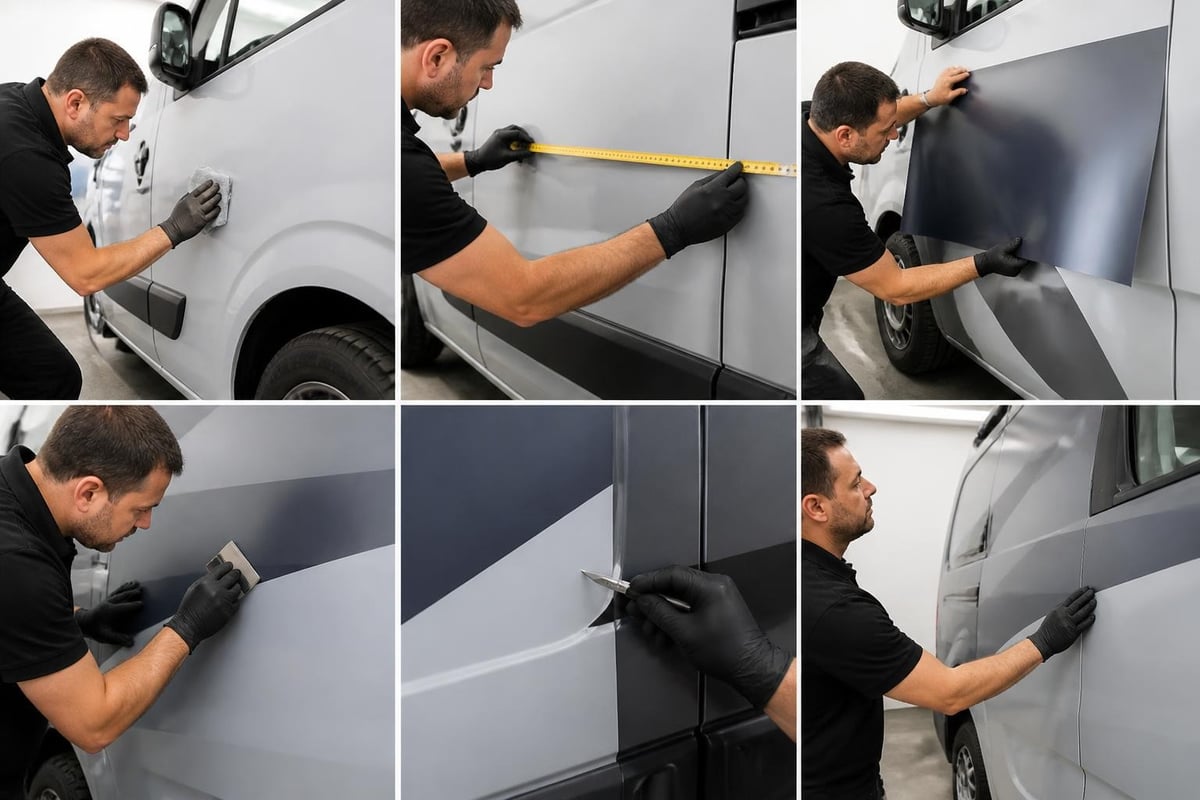
Skilled installation separates professional branding on car from amateur attempts. Certified installers understand surface preparation, adhesive activation, and stretching techniques that prevent bubbles, wrinkles, and premature failure. Vehicle wrapping represents specialized expertise beyond general signage installation.
Professional installation provides:
- Surface decontamination removing oils, waxes, and residues
- Panel removal for seamless application around trim and fixtures
- Heat activation ensuring proper adhesive bond and conformability
- Post-installation inspection verifying all edges and seams
- Warranty coverage protecting your investment against installation defects
The importance of professional signage installation extends to vehicle applications, where improper technique leads to costly removal and reapplication.
Calculating Return on Investment
Branding on car delivers measurable returns through multiple channels. Unlike digital advertising requiring continuous spending, vehicle graphics represent one-time investments generating impressions throughout their service life.
Cost Per Impression Analysis
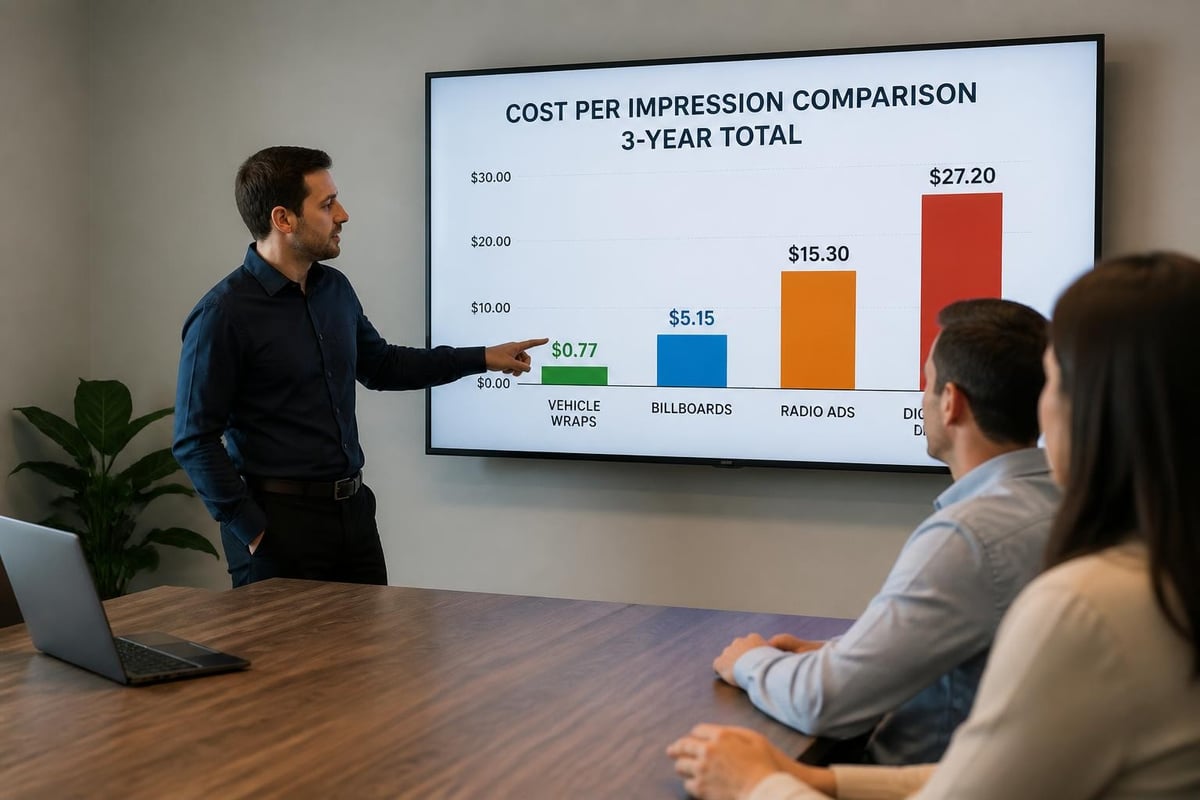
Industry benchmarks establish vehicle wraps among the lowest-cost advertising media. A vehicle wrap costing R20,000 with a five-year lifespan generating 40,000 daily impressions produces approximately 73 million total impressions. This calculates to R0.0003 per impression, dramatically lower than radio, print, or digital advertising.
Comparative CPM (cost per thousand impressions) in 2026:
- Vehicle wraps: R0.27-R0.82
- Billboard advertising: R3.80-R8.50
- Radio advertising: R8.00-R15.00
- Digital display ads: R4.50-R12.00
- Print advertising: R12.00-R25.00
Attribution and Lead Tracking
Measuring actual customer acquisition from branding on car requires attribution systems. Vehicle-specific phone numbers, unique web addresses, or promotional codes enable tracking which customer contacts originated from vehicle exposure. This data proves marketing effectiveness and informs budget allocation decisions.
Businesses implementing comprehensive vehicle branding as mobile billboards report significant increases in brand awareness and inbound enquiries, with many attributing 15-25% of new customer contacts to their branded fleets.
Maintenance and Longevity Considerations
Protecting your branding on car investment requires regular maintenance and proper care. Vehicle graphics face harsh environmental conditions including UV exposure, road debris, chemical contaminants, and temperature extremes.
Cleaning and Care Protocols
Proper cleaning extends vinyl life and maintains appearance. Hand washing with pH-neutral automotive detergents protects graphics better than automated car washes, which may catch edges or apply harsh chemicals. The signage maintenance guidelines for outdoor applications translate to vehicle care with specific adaptations.
Best practices for vehicle graphics maintenance:
- Wash weekly with soft cloths or foam pads
- Avoid high-pressure washers on edges and seams
- Remove contaminants (bird droppings, tree sap, fuel spills) immediately
- Apply protective wax formulated for vinyl surfaces quarterly
- Inspect regularly for edge lifting or damage requiring repair
Damage Repair and Partial Replacement
Quality vehicle branding allows section replacement without complete removal. Damaged panels receive new graphics that integrate seamlessly with existing coverage. This approach extends overall service life and manages costs effectively.
Minor damage responds to professional repair techniques:
- Edge re-adhesion using heat and pressure for lifting corners
- Panel replacement for damaged sections whilst preserving surrounding graphics
- Overlaminate patching protecting underlying print from UV damage
- Colour matching ensuring repairs blend with aged surrounding material
Design Considerations for Different Vehicle Types
Effective branding on car adapts to vehicle geometry and usage patterns. A delivery van requires different design approaches than an executive sedan or construction vehicle.
Commercial Vans and Light Trucks
Box trucks and cargo vans offer maximum visible surface area for comprehensive branding. These vehicles function as mobile billboards, with large flat panels ideal for detailed messaging and prominent graphics. Side panels accommodate comprehensive service listings, while rear doors capture following traffic attention.
Passenger Vehicles and Executive Fleet
Sedans, SUVs, and executive vehicles typically receive more subtle branding respecting their dual-purpose nature. Door panels, bonnets, and rear windscreens accommodate company identification without overwhelming vehicle aesthetics. Colour-matched graphics that complement vehicle paint create sophisticated brand presence.
Specialty and Construction Vehicles
Utility trucks, construction equipment, and specialized vehicles require ruggedized materials and strategic placement accounting for work environments. Reflective materials enhance visibility and safety whilst promoting your brand. These vehicles often need compliance markings integrated within overall branding schemes.
For businesses operating large fleets, Pylon Signage complements vehicle branding by establishing fixed brand presence at business locations, creating comprehensive visibility across both static and mobile touchpoints.
Strategic Implementation Planning
Successful branding on car rollouts require coordinated planning addressing design, production, installation scheduling, and fleet management. Large fleet implementations benefit from phased approaches that validate designs and processes before full commitment.
Pilot Programs and Testing
Smart businesses test vehicle branding with pilot vehicles before fleet-wide implementation. This reveals design effectiveness, durability in actual service conditions, and customer response. Pilot programs identify necessary refinements before significant capital commitment.
A structured pilot approach includes:
- Single vehicle prototype validating design at actual scale
- Traffic pattern documentation measuring impression opportunities
- Customer feedback collection assessing brand impact and recall
- Durability monitoring through various weather and operational conditions
- ROI preliminary calculation establishing business case for expansion
Fleet Rollout Scheduling
Coordinating installation across multiple vehicles requires logistics planning that minimizes operational disruption. Staged implementation allows continued business operations whilst vehicles undergo transformation. Mobile installation services can bring expertise directly to your facilities, reducing downtime.
Industry-Specific Applications
Different sectors leverage branding on car to address unique marketing challenges and regulatory requirements. Understanding industry-specific considerations ensures optimal implementation.
Retail and Consumer Services
Retail businesses use vehicle branding to extend their physical presence beyond store locations. Delivery vehicles become rolling advertisements that reinforce brand identity throughout service areas. Time-sensitive promotional graphics can be applied temporarily over base fleet branding for seasonal campaigns or special offers.
Corporate and Professional Services
Professional service firms employ sophisticated vehicle graphics that project competence and reliability. Law firms, consulting practices, and financial services often choose understated elegance over bold graphics, using premium materials and refined design approaches that align with corporate brand positioning.
Construction and Trade Services
Construction, plumbing, electrical, and similar trades benefit tremendously from prominent vehicle branding. Service vehicles parked at job sites provide extended exposure, while contact information captures immediate enquiries from neighbours observing quality workmanship. Durable materials withstand harsh job site conditions.
Pharmaceutical and Medical Transport
Healthcare-related vehicles face specific marking requirements and benefit from branding that conveys professionalism and trust. Clean, clinical graphics communicate reliability whilst meeting industry regulatory standards for medical transport identification.
Companies exploring comprehensive signage solutions discover how vehicle branding integrates with broader marketing strategies across these diverse sectors.
Emerging Trends and Technologies
The branding on car industry continues evolving with new materials, application techniques, and integrated technologies expanding creative possibilities and measurable outcomes.
Textured and Special Effect Materials
Modern vinyl technology extends beyond flat printed graphics. Textured materials simulate carbon fiber, brushed metal, or leather finishes. Colour-shifting films create dynamic visual effects that change with viewing angle. These premium materials differentiate brands through distinctive visual signatures.
QR Codes and Digital Integration
Strategic QR code placement on vehicle graphics bridges physical and digital marketing. Positioned codes directing traffic to landing pages, promotional offers, or contact forms enable direct attribution and engagement tracking. This transforms passive vehicle branding into interactive customer touchpoints.
Sustainability and Eco-Friendly Materials
Environmental consciousness drives demand for sustainable branding on car solutions. Bio-based vinyl films, solvent-free adhesives, and recyclable materials appeal to eco-conscious businesses whilst maintaining performance standards. These materials communicate brand values through both message and medium.
Branding on car represents one of the most cost-effective and versatile marketing investments available to modern businesses, delivering continuous exposure whilst your vehicles perform their primary operational functions. Whether implementing comprehensive fleet graphics or selective vehicle branding, success requires understanding design principles, regulatory compliance, material selection, and strategic planning. Signs4SA brings decades of vehicle branding expertise to businesses across South Africa's corporate, retail, construction, and pharmaceutical sectors, delivering professional-grade solutions supported by skilled installation teams and comprehensive project management. Contact our team today to transform your fleet into powerful mobile marketing assets that work 24/7 for your brand.