


Logo Signage: Professional Brand Identity Solutions
Logo signage represents one of the most powerful tools in a company's visual communication arsenal. These branded elements serve as the face of your business, creating immediate recognition and establishing credibility with clients, customers, and visitors. Whether positioned on a building facade, at a reception area, or along a busy motorway, professional logo signage communicates your brand values before a single word is spoken. The investment in quality logo signage pays dividends through enhanced visibility, improved brand recall, and the projection of professionalism that sets market leaders apart from their competitors.
The Strategic Importance of Logo Signage in Corporate Environments
Logo signage functions as a silent brand ambassador, working around the clock to reinforce your corporate identity. In today's competitive marketplace, businesses cannot afford to overlook the impact of professionally designed and manufactured logo displays.
Corporate identity relies heavily on consistency across all touchpoints. Your logo signage must align perfectly with your brand guidelines, maintaining colour accuracy, proportional integrity, and design fidelity regardless of scale or material. This consistency builds trust and recognition, particularly for organisations operating across multiple locations or serving diverse market segments.
Key benefits of professional logo signage include:
- Enhanced brand visibility in high-traffic areas
- Increased foot traffic and customer enquiries
- Improved property value for owned premises
- Stronger market positioning against competitors
- Compliance with corporate branding standards
Research conducted by the International Sign Association demonstrates that nearly 76% of consumers have entered a store or business they had never visited before based solely on its signs. This statistic underscores the commercial value of investing in premium logo signage solutions.
Material Selection for Longevity and Impact
The durability and visual appeal of logo signage depend significantly on material choices. South African conditions present unique challenges, including intense UV exposure, temperature fluctuations, and varying humidity levels across regions.
| Material | Durability | Best Applications | Maintenance Requirements |
|---|---|---|---|
| Aluminium | 15-20 years | External facades, pylons | Low - occasional cleaning |
| Acrylic | 10-15 years | Internal displays, illuminated signs | Medium - regular polishing |
| Stainless Steel | 20+ years | Premium corporate installations | Low - periodic polishing |
| Vinyl | 5-7 years | Temporary displays, vehicle graphics | High - replacement needed |
External logo signage requires weather-resistant materials that maintain their appearance despite harsh environmental conditions. Aluminium composite panels offer excellent durability whilst remaining lightweight, making them ideal for large-format installations. Stainless steel provides an upmarket aesthetic that communicates permanence and quality, particularly suited to financial institutions, luxury retailers, and professional service firms.

Design Considerations for Maximum Visual Impact
Effective logo signage balances aesthetic appeal with functional legibility. The design process must account for viewing distances, sight lines, ambient lighting conditions, and architectural integration.
Proportion and scale represent critical factors. A logo that appears balanced on letterhead may require significant modification when translated to a five-metre building sign. Professional designers understand these scaling principles, adjusting stroke weights, spacing, and element relationships to maintain visual harmony across different dimensions.
Colour Fidelity and Brand Consistency
Maintaining accurate colour reproduction across different materials and lighting conditions challenges even experienced manufacturers. Pantone matching systems provide a standardised approach, yet the appearance of colours shifts depending on substrate, finish, and illumination.
Three primary factors influence colour perception in logo signage:
- Substrate properties - reflective versus matte surfaces alter colour intensity
- Illumination method - front-lit, back-lit, and internally illuminated signs each render colours differently
- Environmental context - surrounding colours and ambient light affect perception
Corporate branding teams should request physical samples under various lighting conditions before approving production. What appears correct under showroom lighting may look significantly different when installed on a building facade under natural sunlight.
Illumination Techniques for 24-Hour Visibility
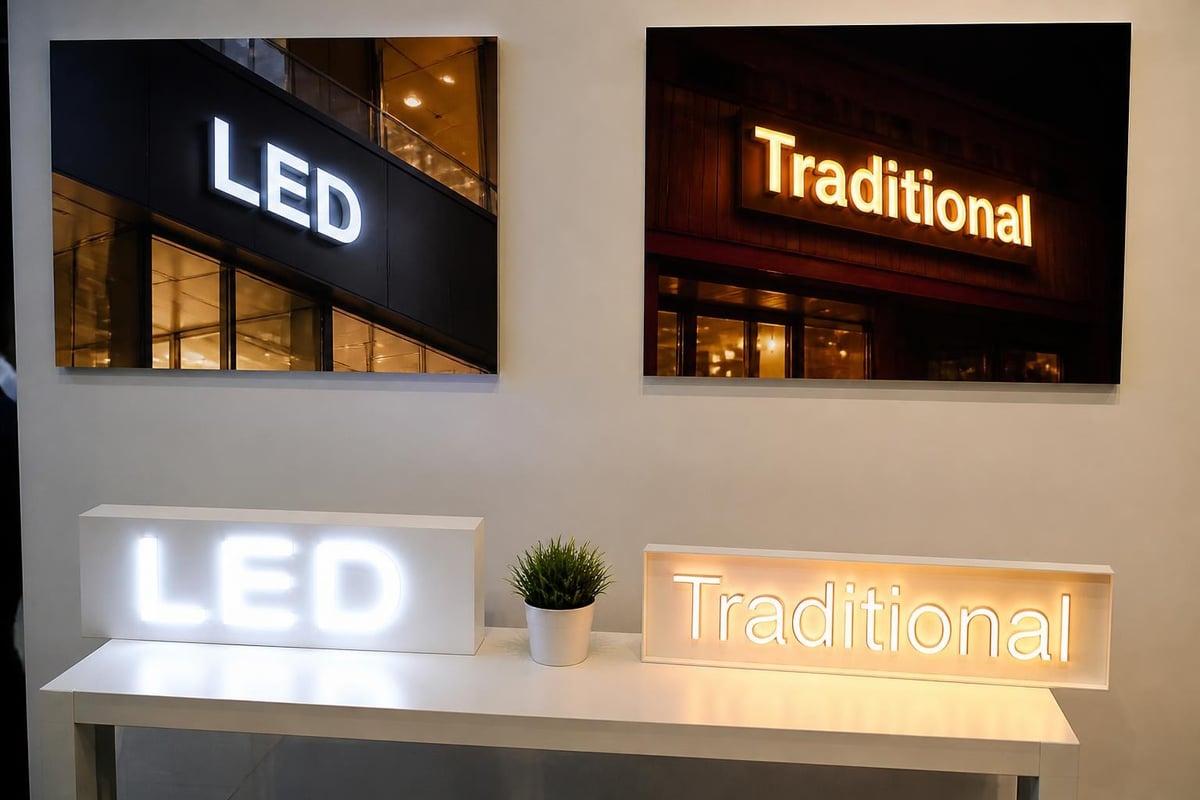
Illuminated logo signage extends brand visibility beyond daylight hours, maximising return on investment. Modern LED technology has revolutionised illuminated signage, offering superior energy efficiency, longevity, and colour rendering compared to traditional options.
The U.S. Department of Energy metrics for LED performance provide valuable benchmarks for evaluating illumination systems. Key performance indicators include lumens per watt, colour rendering index (CRI), and projected lifespan under typical operating conditions.
Common illumination methods include:
- Front-lit - external light sources illuminate the sign face
- Back-lit - light emanates from behind translucent materials
- Halo-lit - light projects outward creating a glowing outline effect
- Edge-lit - LED strips around perimeters illuminate acrylic panels
- Internally illuminated channel letters - individual letters contain independent lighting
Digital signage represents an increasingly popular evolution of traditional logo displays. By incorporating digital signage elements, businesses can display their logo alongside dynamic messaging, promotional content, and real-time information, creating a versatile communication platform that adapts to changing business needs.
Energy Efficiency and Sustainability
Modern logo signage installations increasingly prioritise environmental responsibility. LED illumination consumes approximately 75% less energy than traditional fluorescent or neon systems whilst delivering superior brightness and colour quality.
Beyond energy consumption, sustainable logo signage considers material sourcing, manufacturing processes, and end-of-life recyclability. Aluminium and steel components offer near-infinite recyclability, whilst acrylic materials can be reprocessed into new applications.
Regulatory Compliance and Accessibility Standards
Logo signage installations must navigate complex regulatory frameworks governing size, placement, illumination levels, and accessibility. Local planning authorities enforce specific requirements, and non-compliance can result in costly modifications or removal orders.
U.S. Access Board guidance on ADA-compliant signage provides comprehensive specifications for tactile characters, braille, mounting heights, and colour contrast. Whilst these represent American standards, they inform international best practices for accessible design.
South African businesses must consider the National Building Regulations alongside industry-specific requirements. Pharmaceutical facilities, for instance, face stricter cleanroom compatibility standards, whilst retail environments must balance promotional impact with safety clearances.
Heritage and Conservation Area Restrictions
Properties located within heritage zones or conservation areas face additional constraints on logo signage. These regulations aim to preserve architectural character and historical significance, often limiting materials, colours, dimensions, and illumination.
Successful installations in restricted areas require early consultation with planning authorities, sensitive design approaches that complement rather than dominate historical architecture, and sometimes creative problem-solving to achieve brand visibility within tight parameters.
Installation and Mounting Considerations
Professional installation ensures logo signage performs as designed and withstands environmental stresses over its intended lifespan. Mounting methods vary depending on substrate materials, sign weight, and environmental exposure.
| Mounting Method | Weight Capacity | Ideal Surfaces | Weather Resistance |
|---|---|---|---|
| Through-bolt | Heavy (50kg+) | Masonry, concrete | Excellent |
| Stud mounting | Medium (10-50kg) | Brick, block walls | Very good |
| Adhesive bonding | Light (under 10kg) | Smooth surfaces | Good |
| Standoff pins | Medium | Most wall types | Very good |
Structural assessments identify appropriate fixing points and load-bearing capacities. Historical buildings may require specialist mounting systems that avoid damaging heritage fabric, whilst modern curtain wall systems need careful engineering to distribute loads safely.
Wind loading calculations determine the structural requirements for elevated or exposed installations. Coastal environments present additional challenges through salt spray corrosion, necessitating marine-grade fixings and protective coatings.
The expertise available through established signage solution providers ensures installations meet structural, safety, and aesthetic requirements whilst complying with manufacturer warranties and regulatory standards.
Maintenance Programmes for Long-Term Performance
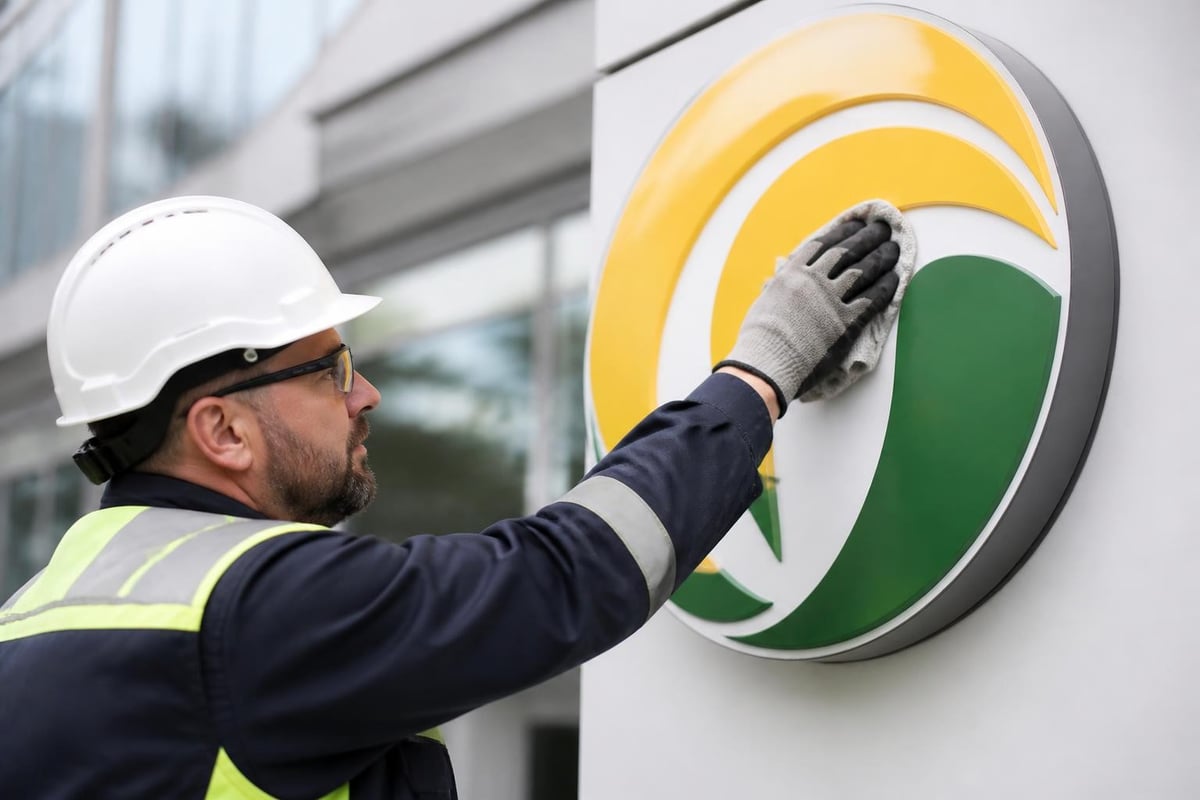
Logo signage represents a significant capital investment that requires ongoing maintenance to preserve appearance and functionality. Scheduled cleaning, inspection, and preventive maintenance extend service life whilst maintaining brand standards.
Recommended maintenance schedule:
- Monthly - visual inspection for damage, clean accessible surfaces
- Quarterly - detailed cleaning, check fixings and seals
- Annually - professional deep clean, electrical testing, structural assessment
- Biennially - repaint or refresh as needed, replace worn components
Environmental factors influence maintenance requirements. Urban locations accumulate pollution residue more rapidly, requiring frequent cleaning to maintain appearance. Coastal installations need regular inspection for corrosion, particularly at fixing points and electrical connections.
Industry-Specific Logo Signage Applications
Different sectors demand tailored approaches to logo signage, reflecting unique operational requirements, regulatory frameworks, and customer expectations.
Corporate and Professional Services
Financial institutions, legal practices, and consultancy firms require logo signage that projects stability, trustworthiness, and professionalism. Premium materials such as brushed stainless steel or bronze convey quality and permanence, whilst understated illumination maintains dignity appropriate to professional environments.
Building signage solutions for corporate headquarters often incorporate multiple logo placements, creating a cohesive identity system across reception areas, conference facilities, and external facades.
Retail Environments
Retailers leverage logo signage as a primary traffic driver, requiring bold colours, strategic illumination, and prominent placement. Shopping centre tenancies face specific design guidelines governing sign dimensions, projection limits, and illumination levels to maintain visual harmony across multiple retailers.
The integration of logo signage with custom retail signs creates comprehensive communication systems that guide customers, promote offers, and reinforce brand identity throughout the shopping experience.
Healthcare and Pharmaceutical Sectors
Medical facilities and pharmaceutical companies require logo signage that balances clinical professionalism with approachability. Infection control considerations influence material selection, favouring non-porous surfaces that withstand regular sanitisation. Accessibility standards receive heightened emphasis, ensuring clear visibility and comprehension for patients with diverse needs.
Manufacturing and Industrial Complexes
Industrial environments demand robust logo signage capable of withstanding harsh conditions whilst maintaining visibility across large site areas. Safety considerations take priority, with reflective materials and high-contrast designs ensuring logo visibility for vehicle operators and pedestrians.
Integration with Wayfinding Systems
Comprehensive signage strategies integrate logo displays within broader wayfinding systems. The American Institute of Architects' guidance on wayfinding emphasises user-centred design that reduces confusion, enhances accessibility, and reinforces brand identity throughout the customer journey.
Effective integration ensures consistent typography, colour palettes, and design language across logo signage, directional signs, information displays, and regulatory notices. This coherence creates intuitive navigation whilst strengthening brand presence at every decision point.
Multi-site organisations benefit particularly from standardised logo signage specifications that ensure brand consistency across regional offices, retail outlets, or manufacturing facilities. Template-based approaches streamline procurement whilst allowing flexibility for site-specific requirements.
Technology Integration and Future Trends
Contemporary logo signage increasingly incorporates digital capabilities, creating dynamic brand experiences that traditional static displays cannot deliver. Interactive elements, programmable illumination sequences, and integration with building management systems represent emerging trends.
Smart signage systems monitor performance metrics, alert maintenance teams to failures before they become visible, and adjust brightness levels based on ambient conditions. These capabilities reduce operational costs whilst ensuring consistent brand presentation.
Augmented reality applications enable customers to interact with logo signage through mobile devices, accessing additional information, promotional offers, or immersive brand experiences. This technological layer extends the functionality of physical signage without compromising its traditional role as a permanent brand marker.
Sustainability innovations continue reshaping logo signage specifications. Solar-powered illumination eliminates electrical infrastructure costs for remote installations, whilst recyclable composite materials reduce environmental impact without compromising durability or appearance.
Cost-Benefit Analysis and Return on Investment
Logo signage investment decisions require careful evaluation of upfront costs against long-term benefits. Premium materials and manufacturing techniques command higher initial prices but deliver superior durability, reduced maintenance expenses, and sustained brand impact over decades.
Total cost of ownership considerations:
- Initial design and manufacturing costs
- Installation expenses including structural modifications
- Ongoing maintenance and cleaning requirements
- Energy consumption for illuminated systems
- Eventual replacement or refurbishment costs
Businesses should evaluate logo signage as a capital investment rather than an operating expense. Quality installations deliver measurable returns through enhanced brand recognition, increased customer enquiries, and improved property values. The visibility and professionalism communicated by premium logo signage often proves decisive in competitive market environments.
Choosing the Right Manufacturing Partner
The complexity of modern logo signage demands partnerships with experienced manufacturers who understand design principles, material science, regulatory requirements, and installation logistics. Comprehensive providers offer end-to-end services from initial consultation through ongoing maintenance.
Evaluation criteria for manufacturing partners include demonstrated experience across relevant industries, in-house design capabilities, quality control processes, project management expertise, and geographical coverage for multi-site deployments.
Portfolio reviews reveal a manufacturer's capability range, design sensibility, and attention to detail. References from similar organisations provide insights into reliability, communication effectiveness, and problem-solving approaches when challenges arise.
The national footprint of established providers ensures consistent quality and support across diverse locations, particularly valuable for retail chains, franchises, and corporate entities operating throughout South Africa and neighbouring territories.
Professional logo signage represents a strategic investment in brand visibility, customer perception, and long-term market positioning. By carefully considering design principles, material selection, illumination techniques, and regulatory compliance, businesses create powerful brand assets that deliver measurable returns across years or decades. Signs4SA combines manufacturing expertise, design capabilities, and national reach to deliver bespoke logo signage solutions that elevate your brand presence and create lasting impressions across corporate, retail, construction, and pharmaceutical sectors.