



Warning and Safety Signs: A Complete Guide for South African Workplaces
Warning and safety signs represent one of the most critical elements in workplace protection and public safety. These visual communication tools serve as the first line of defence against accidents, injuries, and potential hazards across industrial facilities, construction sites, corporate environments, and public spaces. In South Africa, where diverse industries face unique safety challenges, implementing effective warning and safety signs becomes essential for regulatory compliance and protecting human life. Understanding the principles, standards, and best practices surrounding these vital safety devices enables organisations to create safer environments whilst meeting legal obligations.
Understanding the Hierarchy of Warning and Safety Signs
The classification system for warning and safety signs operates on a structured hierarchy that reflects the severity and immediacy of potential hazards. This standardised approach ensures consistent communication across different facilities and industries.
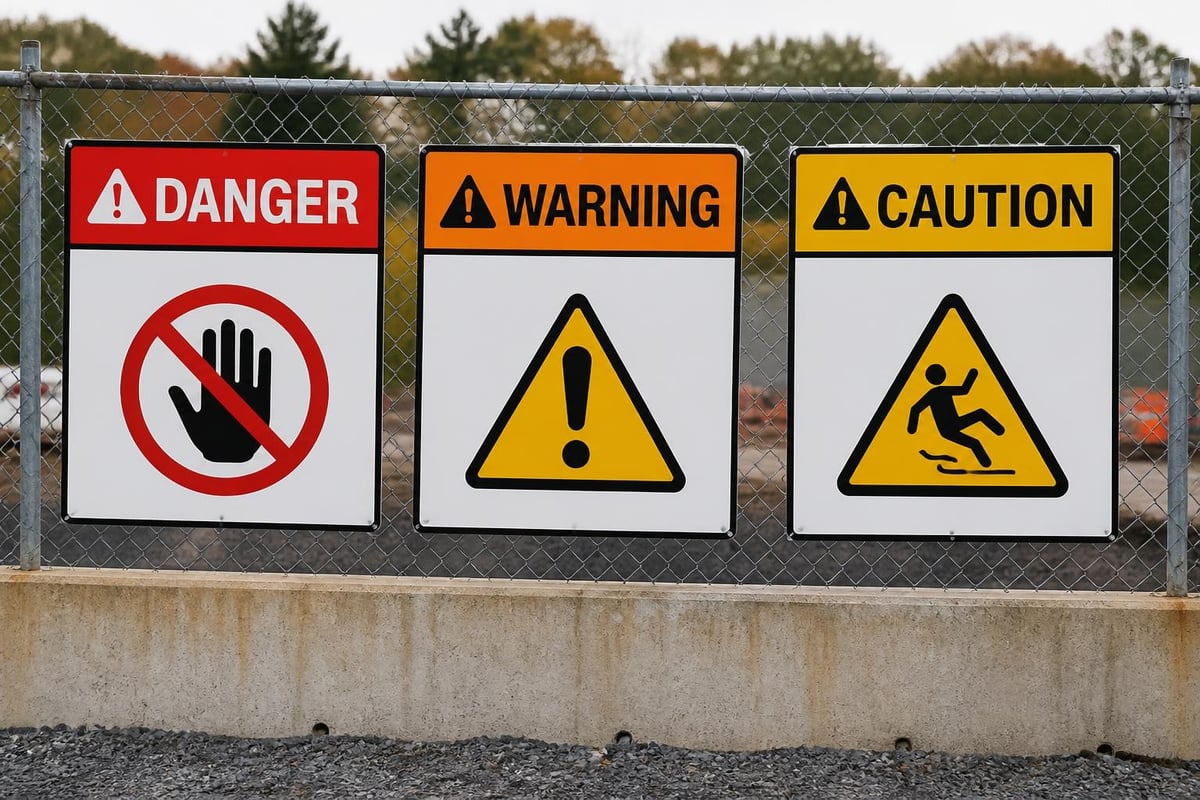
Danger signs represent the highest level of alert, indicating situations where serious injury or death will occur if proper precautions are not taken. These signs typically feature red backgrounds with white text and are reserved for the most severe hazards.
Warning signs communicate situations where serious injury or death could occur if safety protocols are ignored. The distinctive yellow background with black text makes these signs immediately recognisable in any environment.
Caution signs address hazards that may result in minor or moderate injury. These signs prevent less severe accidents but remain crucial components of comprehensive safety programmes.
Signal Words and Their Significance
The choice of signal words on warning and safety signs directly influences how people perceive and respond to potential dangers. According to OSHA and ANSI standards, three primary signal words establish the foundation for effective hazard communication:
- DANGER: Reserved for immediate hazards with high probability of death or serious injury
- WARNING: Indicates potential hazards that could result in death or serious injury
- CAUTION: Communicates hazards that may cause minor or moderate injury
| Signal Word | Colour Scheme | Hazard Level | Response Required |
|---|---|---|---|
| DANGER | Red/Black/White | Immediate/Severe | Stop immediately |
| WARNING | Orange/Black | Potentially severe | Exercise extreme caution |
- CAUTION | Yellow/Black | Moderate | Proceed with awareness | | NOTICE | Blue/White | Information | Follow procedures |
Compliance Standards and Regulatory Requirements
Warning and safety signs in South Africa must adhere to both international standards and local regulatory frameworks. The Occupational Health and Safety Act establishes baseline requirements that organisations must meet to ensure legal compliance and worker protection.
OSHA's accident prevention signs and tags requirements provide detailed specifications for sign design, colour usage, and placement strategies. These regulations ensure consistency across industries and geographical locations.
Colour Coding and Visual Standards
The standardised colour system for warning and safety signs serves as universal language that transcends literacy barriers and cultural differences. Each colour carries specific meaning:
Red designates fire protection equipment, danger, stop, and prohibition. This attention-grabbing colour triggers immediate recognition and response.
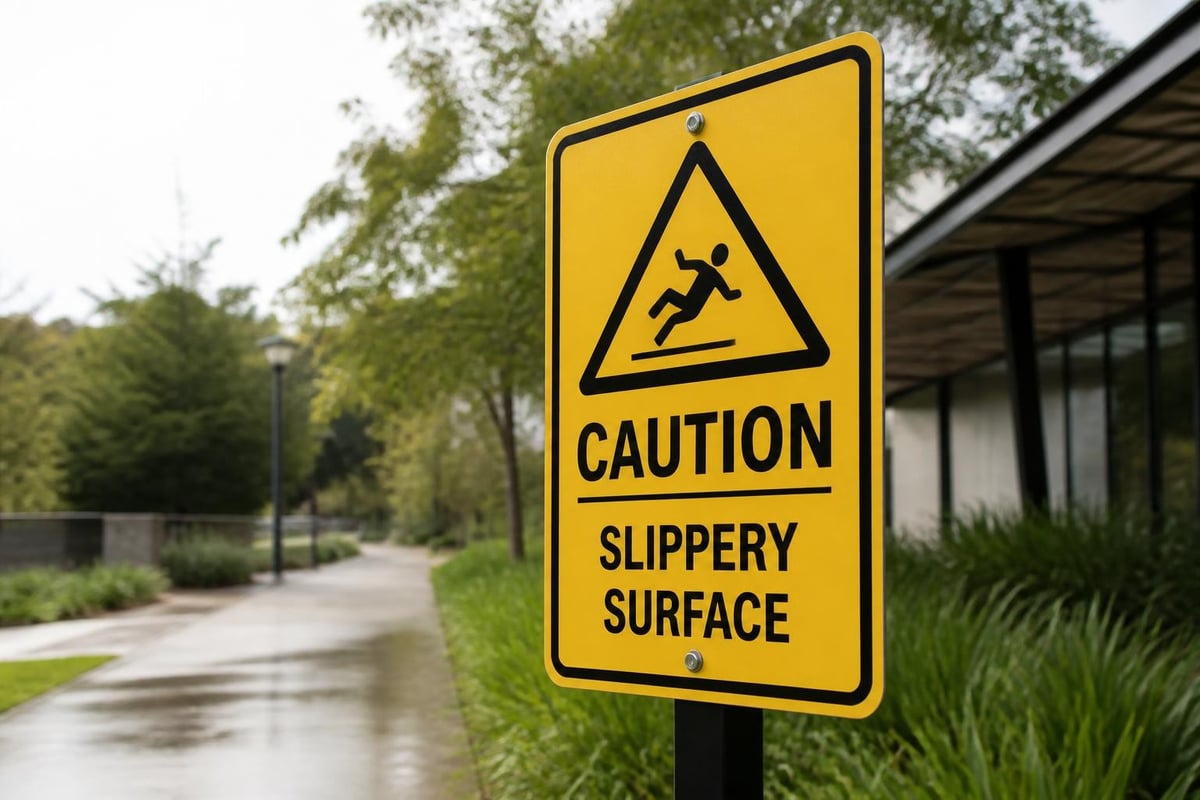
Yellow signals caution and warns of physical hazards including striking against, stumbling, falling, and tripping. The high visibility ensures warnings remain noticeable even in challenging lighting conditions.
Green identifies safety equipment, first aid stations, and safe pathways. This reassuring colour guides people towards protection rather than away from danger.
Blue conveys mandatory actions and informational messages. These signs instruct rather than warn, ensuring proper procedures are followed.
The comprehensive guide to OSHA safety signs and labels explains how colour coding integrates with pictograms and text to create effective visual communication systems.
Design Principles for Maximum Effectiveness
Creating warning and safety signs that genuinely protect people requires more than regulatory compliance. Effective design considers human factors, environmental conditions, and psychological responses to visual stimuli.
Visibility and Legibility Requirements
Signs must be visible from appropriate distances considering the speed at which people move through spaces. The Health and Safety Executive's technical guidance emphasises ergonomic design principles that account for human perception limitations.
Letter height, contrast ratios, and viewing distances follow mathematical relationships:
- Minimum letter height = Viewing distance ÷ 50
- High contrast (70% minimum) between background and text
- Sans-serif fonts for improved legibility
- Adequate spacing between letters and words
Pictograms enhance comprehension across diverse workforces where multiple languages may be spoken. These universal symbols communicate hazards without relying on text, making them particularly valuable in South Africa's multilingual environment.
Specialised applications require tailored approaches. For facilities requiring prominent visibility from distance, solutions like Pylon Signage can be customised to incorporate safety messaging alongside wayfinding and branding elements, particularly useful for large industrial complexes.
Strategic Placement and Installation
The most brilliantly designed warning and safety signs fail their purpose if positioned incorrectly. Strategic placement ensures signs appear exactly where and when people need hazard information.
Location Selection Criteria
Warning and safety signs must be positioned where they can be easily seen by anyone approaching the hazard. Proper placement and design considerations include mounting height, lighting conditions, and potential obstructions.
Mounting height typically ranges between 1.5 and 2 metres from ground level, placing signs within natural eye lines for standing adults. Lower positions may be appropriate for hazards at ground level or in areas where seated work occurs.
Installation locations should consider:
- Direct line of sight from approach paths
- Adequate lighting (natural or artificial)
- Freedom from obstructions (equipment, vehicles, vegetation)
- Distance allowing sufficient reaction time
- Durability against environmental conditions
Construction sites require particular attention to sign placement, as detailed in guidance on council approval for construction sites, where temporary hazards and changing conditions demand flexible signage strategies.
Material Selection and Durability Considerations
Warning and safety signs face diverse environmental challenges depending on their installation locations. Material selection directly impacts longevity, visibility, and cost-effectiveness.
Indoor versus Outdoor Applications
Indoor signs typically utilise materials including vinyl, plastic, and aluminium composite. These environments offer protection from weather extremes, allowing broader material choices.
Outdoor signs require weather-resistant materials that withstand rain, UV exposure, temperature fluctuations, and wind loading. Options include:
- Aluminium (corrosion-resistant, lightweight, durable)
- Stainless steel (maximum durability, premium applications)
- High-grade plastics (cost-effective, adequate longevity)
- Reflective materials (enhanced visibility in low light)
| Material | Lifespan | Weather Resistance | Cost | Best Application |
|---|---|---|---|---|
| Vinyl | 3-5 years | Moderate | Low | Temporary indoor |
| Aluminium | 10-15 years | Excellent | Moderate | Outdoor permanent |
| Stainless Steel | 20+ years | Superior | High | Corrosive environments |
| Reflective Plastic | 7-10 years | Good | Moderate | Traffic/vehicular areas |
The materials guide provides comprehensive information on selecting appropriate substrates for different applications and environments.
Industry-Specific Applications
Different industries face unique hazard profiles requiring specialised approaches to warning and safety signs. Understanding sector-specific requirements ensures compliance and effective protection.
Manufacturing and Industrial Facilities
Manufacturing environments present multiple concurrent hazards including moving machinery, chemical exposure, high temperatures, and electrical risks. Warning and safety signs in these settings must address:
- Machine guarding and operating procedures
- Personal protective equipment (PPE) requirements
- Chemical storage and handling
- Emergency shutdown locations
- Restricted access zones
Designing effective machine safety signs requires consistent visual layouts and adherence to recognised standards that workers can quickly interpret during routine operations.
Construction Sites
Construction environments feature constantly changing hazards as projects progress through different phases. Dynamic signage systems allow updates matching evolving site conditions.
Temporary signs address short-term hazards including excavations, overhead work, and equipment operations. These must be repositioned or removed as conditions change to maintain credibility.
Permanent signs mark enduring hazards such as underground utilities, structural load limits, and access restrictions.
Pharmaceutical and Healthcare Facilities
Pharmaceutical manufacturing and healthcare environments demand specialised warning and safety signs addressing biological hazards, radiation risks, and controlled substance storage. Regulatory requirements from health authorities add layers beyond standard occupational safety regulations.
Retail and Corporate Environments
Whilst often overlooked, retail and corporate spaces require warning and safety signs for emergency exits, wet floors, restricted areas, and fire equipment locations. These signs protect both employees and public visitors.
The industry solutions guide explores how signage requirements vary across different sectors and how to address unique challenges.
Maintenance and Lifecycle Management
Installing warning and safety signs represents only the beginning of effective safety communication. Ongoing maintenance ensures signs remain visible, legible, and accurate throughout their service life.
Regular Inspection Protocols
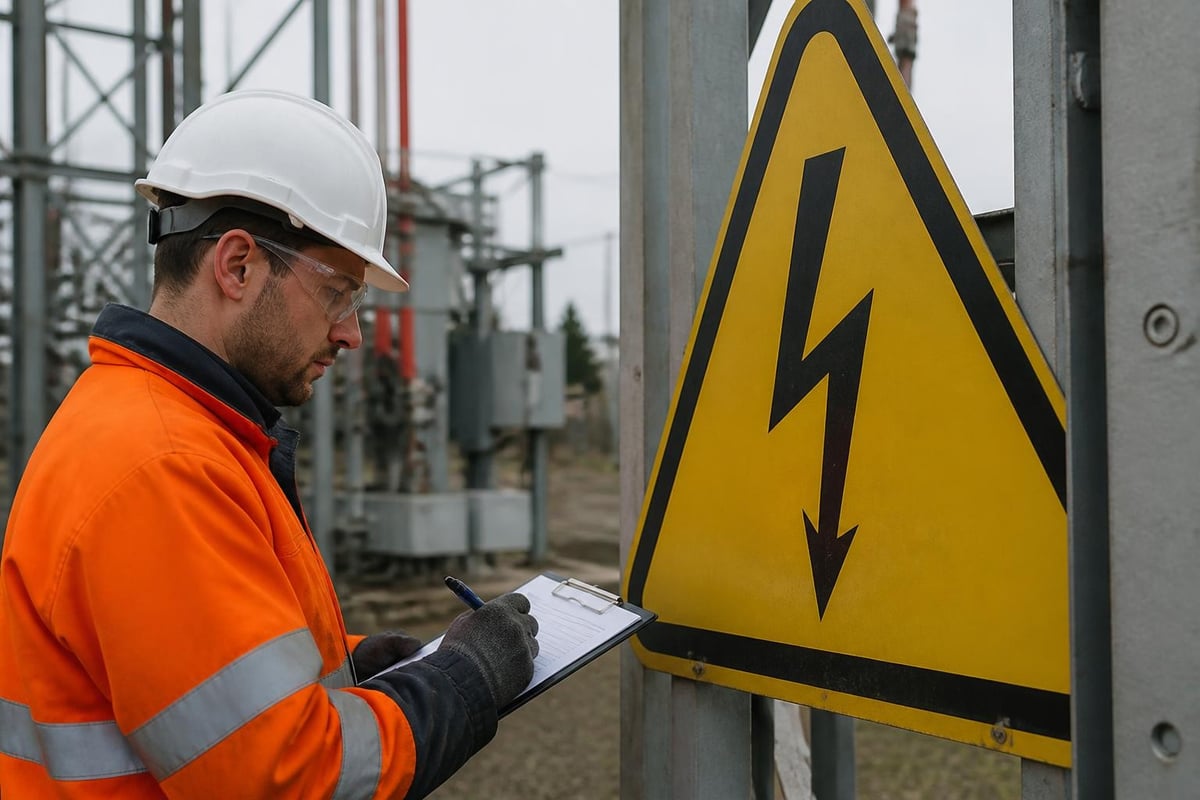
Systematic inspection programmes identify signs requiring cleaning, repair, or replacement before they become ineffective. Signage maintenance tips for long-term performance recommend quarterly inspections including:
- Visual assessment of damage, fading, or vandalism
- Cleaning to remove dirt, grease, or other obscuring materials
- Verification that signs remain relevant to current hazards
- Checking mounting integrity and stability
- Ensuring adequate lighting (for internally lit signs)
Documentation of inspection activities provides evidence of due diligence and helps identify patterns requiring attention, such as locations prone to damage or accelerated deterioration.
Replacement Criteria
Warning and safety signs should be replaced when:
- Text or pictograms become illegible from damage or fading
- Reflective properties degrade below functional thresholds
- Physical damage compromises structural integrity
- Regulatory updates require new formats or content
- Hazards change making existing signs inaccurate
The safety signage compliance requirements explain how South African regulations influence replacement timing and documentation.
Training and Cultural Integration
Warning and safety signs function as components within broader safety cultures rather than standalone solutions. Effective programmes integrate signage with comprehensive training and ongoing reinforcement.
Worker Education Programmes
Employees must understand the meaning of different sign types, colours, and symbols. Induction training should cover:
- Signal word hierarchy and appropriate responses
- Colour coding systems and their meanings
- Common pictograms and their interpretations
- Reporting procedures for damaged or missing signs
- Consequences of ignoring safety signage
Multilingual considerations matter significantly in South Africa's diverse workforce. Whilst pictograms reduce language dependency, supplementary training materials should accommodate the languages spoken by workers.
Behavioural Response Assessment
The effectiveness of warning and safety signs ultimately depends on whether people modify their behaviour appropriately. Recent research on hazard detection explores how visual reasoning influences safety compliance and identifies opportunities for improving sign effectiveness.
Organisations should monitor whether signs achieve desired behavioural outcomes through incident analysis, near-miss reporting, and observational studies. When signs fail to prevent hazardous behaviours, modifications to content, placement, or supplementary controls may be necessary.
Technology Integration and Modern Innovations
Traditional static warning and safety signs remain essential, but emerging technologies offer enhanced capabilities for dynamic hazard communication.
Digital and Electronic Signage
Digital Signage enables real-time updates matching changing conditions. Applications include:
- Variable message signs displaying current hazards
- Occupancy counters for confined spaces
- Environmental monitoring displays (temperature, gas levels)
- Emergency notification systems
Integration with sensors allows automatic warning activation when hazardous conditions arise, such as detecting toxic gas leaks or excessive noise levels.
The benefits of LED signage extend beyond marketing applications, offering safety advantages through superior visibility and dynamic content capabilities.
Smart Safety Systems
Connected safety signs communicate with central management systems, enabling remote monitoring and automated compliance reporting. These systems track when workers enter hazardous zones, verify required certifications, and maintain detailed access logs.
Augmented reality applications overlay safety information onto workers' field of view through smart glasses or mobile devices, delivering contextual warnings based on location and current activities.
Cost Considerations and Budget Planning
Implementing comprehensive warning and safety signs programmes requires financial investment balanced against the costs of accidents, regulatory penalties, and liability exposure.
Initial Investment Components
Warning and safety signs budgets encompass multiple cost elements:
- Sign design and regulatory compliance verification
- Materials and manufacturing
- Installation labour and equipment
- Support structures and mounting hardware
- Initial worker training programmes
The cost of commercial signage in South Africa provides framework for estimating investment requirements across different facility types and sizes.
Return on Investment Analysis
Safety signage investments deliver returns through:
- Accident reduction: Fewer injuries mean lower workers' compensation premiums, reduced lost time, and decreased replacement worker costs
- Regulatory compliance: Avoiding fines and penalties for non-compliance
- Liability protection: Demonstrated due diligence in negligence claims
- Productivity improvement: Clear hazard communication reduces work interruptions
- Reputation management: Strong safety records enhance corporate reputation
Understanding signage investment helps organisations evaluate long-term value beyond initial acquisition costs.
Common Implementation Challenges
Organisations frequently encounter obstacles when establishing or upgrading warning and safety signs programmes. Recognising these challenges enables proactive solutions.
Sign Proliferation and Clutter
Excessive signage creates visual clutter that diminishes the impact of critical warnings. The phenomenon known as "sign pollution" occurs when too many signs compete for attention, causing people to ignore all of them.
Strategic prioritisation focuses on genuinely hazardous situations requiring explicit warnings versus conditions addressed through other controls. The hierarchy of controls suggests engineering solutions and administrative procedures before relying on warning signs.
Maintaining Consistency Across Multiple Sites
Organisations operating multiple facilities struggle to maintain consistent warning and safety signs standards across locations. Different procurement processes, local modifications, and legacy signage create confusion when workers transfer between sites.
Standardisation programmes establish templates, approved suppliers, and centralised oversight ensuring consistency. Design trends in signage evolve, but safety communication benefits from stable, recognisable formats.
Language and Literacy Barriers
South Africa's eleven official languages present unique challenges for text-based warning and safety signs. Workers may not read the language used or may have limited literacy in any language.
Solutions include:
- Prioritising pictograms over text where possible
- Using multiple languages for critical warnings
- Providing supplementary training with visual aids
- Implementing buddy systems pairing literate workers with those needing assistance
Vandalism and Unauthorised Modifications
Warning and safety signs sometimes suffer intentional damage or unauthorised additions that compromise their effectiveness. Humorous stickers or graffiti may seem harmless but undermine the seriousness of safety communications.
Prompt removal of modifications and repairs to damage demonstrates management commitment to safety and discourages further vandalism. Understanding what OSHA says about safety signs clarifies responsibilities for maintaining sign integrity.
Future Developments in Safety Communication
Warning and safety signs continue evolving as technologies advance and understanding of human factors deepens. Several trends shape the future of hazard communication.
Personalisation and Targeted Warnings
Rather than generic warnings visible to everyone, emerging systems deliver personalised safety information based on individual workers' roles, certifications, and current tasks. Wearable devices provide targeted alerts matched to specific competencies and authorisations.
Predictive Safety Analytics
Machine learning algorithms analyse patterns in near-miss incidents, environmental conditions, and operational data to predict when and where hazards will emerge. Proactive warning and safety signs appear before conditions become dangerous rather than simply marking existing hazards.
Universal Design Principles
Future warning and safety signs will increasingly incorporate universal design principles ensuring effectiveness across broader populations including people with visual impairments, colour blindness, and cognitive disabilities. Tactile elements, audio components, and enhanced contrast schemes expand accessibility.
Measuring Programme Effectiveness
Implementing warning and safety signs represents a means rather than an end. Organisations must measure whether signage programmes achieve safety objectives.
Key Performance Indicators
Relevant metrics for evaluating warning and safety signs effectiveness include:
- Incident rates in areas with signage versus comparable areas without
- Near-miss reporting frequency related to signed hazards
- Worker comprehension assessed through surveys and observations
- Compliance rates with PPE requirements and procedural warnings
- Audit findings and regulatory inspection results
Baseline establishment before implementing new signage programmes enables measuring improvements. Time-series analysis identifies whether changes correlate with signage updates or reflect other variables.
Continuous Improvement Processes
Regular review cycles examine incident investigations for signage-related factors. Questions include:
- Were appropriate warning and safety signs present and visible?
- Did involved workers understand the signs' meanings?
- Would different sign content, placement, or design have prevented the incident?
- Do patterns suggest systematic signage deficiencies?
Feedback loops incorporate lessons learned into updated standards and specifications, creating progressively more effective safety communication systems.
Effective warning and safety signs form essential foundations for workplace safety across all industries, combining regulatory compliance with practical hazard communication that protects lives. The investment in properly designed, strategically placed, and well-maintained signage delivers measurable returns through accident reduction and enhanced safety cultures. Whether you're establishing a new facility, upgrading existing safety systems, or ensuring regulatory compliance, Signs4SA provides expert guidance and comprehensive signage solutions tailored to your specific industry requirements across South Africa's corporate, retail, construction, and pharmaceutical sectors.