




Signage Shop: A Complete Guide for Business Owners
Selecting the right signage shop represents a critical decision that influences brand visibility, customer engagement, and long-term return on investment. Whether you require corporate wayfinding, retail promotional displays, construction site safety signage, or pharmaceutical compliance solutions, partnering with a professional signage shop ensures your visual communications meet industry standards whilst reflecting your brand identity. Understanding what distinguishes an exceptional signage shop from a basic supplier enables businesses to make informed decisions that deliver measurable results across multiple touchpoints.
What Defines a Professional Signage Shop
A professional signage shop operates as a comprehensive visual communications partner rather than simply a manufacturing facility. These establishments combine design expertise, technical manufacturing capabilities, material knowledge, and installation services under one roof. The distinction lies in their ability to translate brand strategy into physical manifestations that communicate effectively across diverse environments.
Core capabilities that characterize reputable signage shops include:
- In-house design teams with brand development experience
- Advanced manufacturing equipment for multiple substrate types
- Quality assurance protocols at each production stage
- Installation crews trained in industry safety standards
- Project management systems for multi-site deployments
- Regulatory compliance knowledge specific to regional requirements
Modern signage shops invest significantly in both human capital and technological infrastructure. The International Sign Association provides extensive training resources that professional shops utilize to maintain technical competency across evolving technologies and methodologies. This commitment to continuous improvement separates established providers from opportunistic vendors who lack the depth required for complex projects.
Manufacturing Capabilities and Equipment
The equipment portfolio within a signage shop directly impacts the range of solutions available to clients. Large-format digital printers, CNC routers, laser cutters, vinyl plotters, and fabrication tools enable the production of everything from simple window graphics to complex architectural installations. Understanding these capabilities helps businesses assess whether a shop can execute their specific requirements.
| Equipment Type | Applications | Material Range |
|---|---|---|
| Large-format printers | Banners, wallcoverings, vehicle wraps | Vinyl, mesh, fabric, paper |
| CNC routers | Channel letters, dimensional signs, wayfinding | Acrylic, aluminium, wood, foam |
| Laser systems | Precision cutting, engraving | Metal, acrylic, wood, leather |
| Vinyl plotters | Decals, window graphics, temporary signage | Adhesive vinyl, reflective films |
The PRINTING United Alliance publishes comprehensive research on wide-format printing technologies and market trends that demonstrate how equipment investments correlate with service capabilities. Businesses seeking specialized solutions should inquire about specific equipment during the vetting process to ensure technical compatibility with their project requirements.
Services Offered by Full-Service Signage Shops
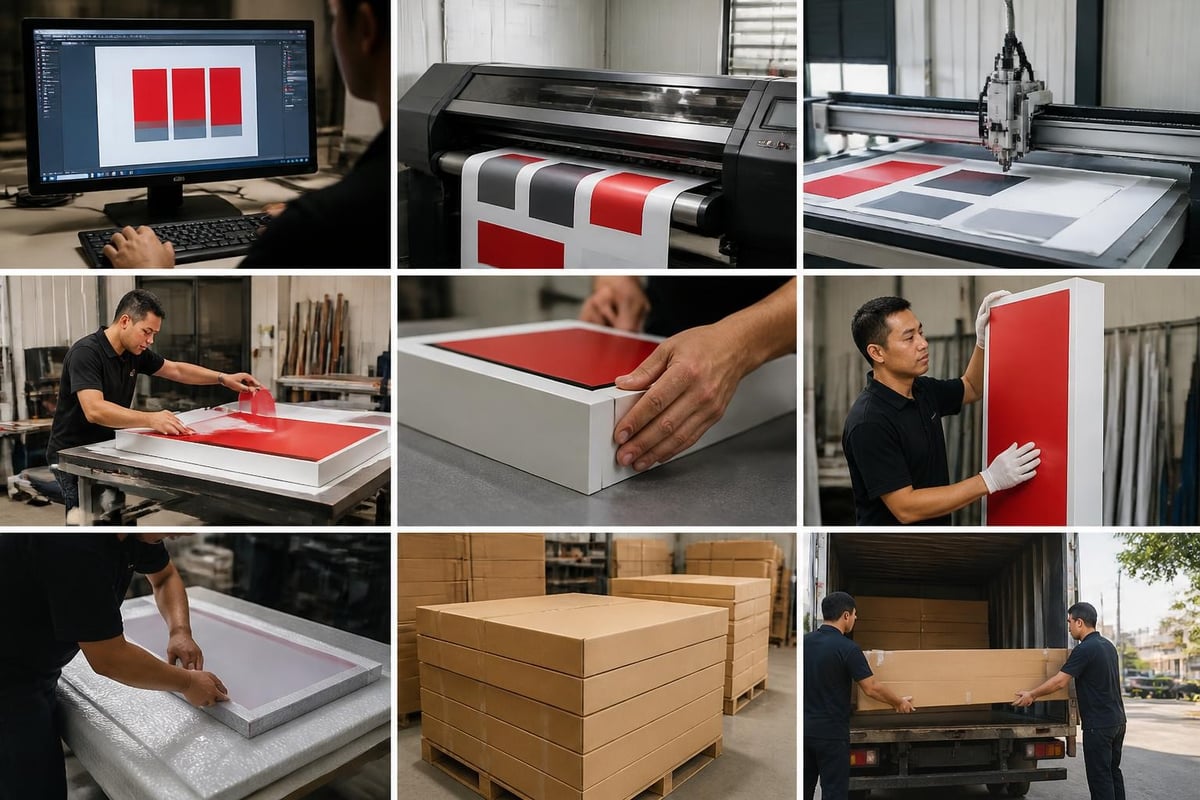
Comprehensive signage shops structure their service offerings to address the complete project lifecycle from conceptualization through post-installation maintenance. This integrated approach eliminates coordination challenges inherent in working with multiple vendors whilst ensuring consistency across all project phases.
Design and Consultation Services
Initial consultation sessions establish project scope, budget parameters, timeline expectations, and technical constraints. Professional designers translate brand guidelines into signage specifications that balance aesthetic objectives with functional requirements. This phase often includes site surveys, mockup presentations, and iterative refinement based on stakeholder feedback.
Typical design deliverables include:
- Conceptual renderings showing proposed signage in situ
- Technical drawings with precise specifications for manufacturing
- Material and finish recommendations based on environmental factors
- Compliance documentation addressing relevant regulations
- Installation methodology proposals with timeline estimates
For businesses exploring 3D lettering signage or other dimensional solutions, the design phase becomes particularly critical. Depth, illumination, mounting methods, and viewing angles all require careful consideration to achieve optimal visual impact whilst maintaining structural integrity.
Manufacturing and Production
The production phase transforms approved designs into finished products through precision manufacturing processes. Quality signage shops implement standardized procedures that ensure consistency across multiple units, particularly important for multi-location retailers or franchise networks requiring brand uniformity.
Material selection significantly influences durability, maintenance requirements, and lifecycle costs. A knowledgeable signage shop guides clients through options based on indoor versus outdoor placement, expected lifespan, budget considerations, and aesthetic preferences. The materials guide section provides valuable context for understanding these choices.
Weather resistance testing, colour calibration, structural load calculations, and finish quality all fall within the manufacturing quality assurance scope. These technical considerations separate professional-grade signage from budget alternatives that deteriorate prematurely or fail to meet performance expectations.
Selecting the Right Signage Shop for Your Business
The selection process requires systematic evaluation across multiple criteria to identify a partner aligned with both immediate project needs and long-term business objectives. Price comparisons alone provide insufficient data; comprehensive assessment must consider experience, capabilities, service quality, and strategic fit.
Experience and Portfolio Review
Examining previous work offers insight into technical competency, design sensibility, and industry-specific expertise. Request portfolio examples relevant to your sector-corporate, retail, construction, or pharmaceutical-to assess familiarity with particular requirements. Multi-sector experience often indicates adaptability and broader problem-solving capabilities.
Questions to pose during portfolio review:
- Which projects faced similar environmental challenges to ours?
- How did you address specific regulatory requirements?
- What was the timeline from approval to installation?
- Are these installations still performing as specified?
- May we contact previous clients for references?
Many businesses benefit from partnering with industry solutions specialists who understand sector-specific nuances. Pharmaceutical facilities, for instance, require signage that meets stringent cleanliness and compliance standards beyond typical commercial applications.
Technical Capabilities Assessment
Beyond basic manufacturing, evaluate whether a signage shop possesses specialized capabilities relevant to your requirements. Digital signage installations demand electrical expertise, network integration knowledge, and content management system experience. Architectural signage may require collaboration with building contractors and adherence to accessibility standards.
The U.S. Department of Justice ADA Standards for Accessible Design establishes comprehensive requirements for tactile and visual signage in public buildings. Professional signage shops maintain current knowledge of these regulations and their regional equivalents, incorporating compliance into project specifications automatically.

Investment Considerations and Value Assessment
Understanding pricing structures within the signage industry enables more effective budget allocation and value assessment. Signage shop pricing reflects material costs, labour intensity, design complexity, installation requirements, and project management overhead. Transparent providers itemize quotations to demonstrate where investment delivers specific returns.
Pricing Models and Cost Structures
Different project types warrant distinct pricing approaches. Simple decal installations typically quote per square metre, whilst complex dimensional installations may price per unit or as comprehensive project fees. Ongoing maintenance contracts, digital content updates, and multi-phase deployments introduce additional pricing considerations.
| Pricing Model | Best For | Considerations |
|---|---|---|
| Per square metre | Flat signage, wraps, banners | Material and finish variations affect rates |
| Per unit | Channel letters, wayfinding systems | Complexity and size impact unit pricing |
| Project fee | Multi-element installations | Includes design, production, installation |
| Retainer | Ongoing maintenance, content updates | Predictable monthly investment |
The cost guide resources help businesses establish realistic budget expectations aligned with quality objectives. Whilst premium pricing often correlates with superior materials and craftsmanship, the relationship isn't absolute-informed buyers distinguish between value-added services and inflated margins.
Return on Investment Analysis
Signage represents capital investment requiring justification through measurable returns. Increased foot traffic, enhanced brand recognition, improved wayfinding efficiency, and regulatory compliance all contribute to ROI calculations. Professional signage shops assist clients in quantifying these benefits through case studies and performance metrics.
For retail environments, effective signage demonstrably influences purchase behaviour and customer satisfaction. The Out of Home Advertising Association of America publishes research documenting OOH advertising effectiveness and consumer response rates that validate signage investments.
Technology Integration and Digital Solutions
Contemporary signage shops increasingly incorporate digital technologies that transform static displays into dynamic communications platforms. Digital signage systems enable real-time content updates, scheduled messaging, interactive experiences, and data-driven optimization that traditional signage cannot match.
Digital Signage Capabilities
From basic LED displays to sophisticated interactive kiosks, digital signage represents a growing segment within professional shops' service portfolios. Implementation requires electrical engineering knowledge, software configuration expertise, and ongoing technical support capabilities. The Digital Signage offerings from specialized manufacturers demonstrate the breadth of options available to businesses seeking dynamic visual communications.
Digital signage deployment considerations include:
- Content management system selection and configuration
- Network connectivity requirements and redundancy
- Display specifications for ambient lighting conditions
- Power infrastructure and electrical compliance
- Maintenance protocols and warranty coverage
Recent coverage from Digital Signage Today highlights evolving trends in interactive displays, programmatic content, and artificial intelligence integration. Forward-thinking signage shops monitor these developments to advise clients on emerging opportunities.
Integration with Marketing Ecosystems
Advanced signage shops position their solutions within broader marketing strategies rather than as isolated tactical elements. This holistic perspective ensures visual communications align with digital marketing, social media campaigns, promotional calendars, and customer experience initiatives.
Coordinating signage design trends with contemporary aesthetic movements maintains brand relevance whilst differentiating from competitors. Professional designers balance timeless principles with current sensibilities to create signage that performs effectively throughout its expected lifespan.
Quality Assurance and Manufacturing Standards
Distinguishing characteristics of professional signage shops include rigorous quality control protocols that validate output against specifications before delivery. These systems prevent costly errors, ensure consistency across production runs, and build client confidence in deliverables.
Quality Control Processes
Multi-stage inspection identifies defects early when correction remains cost-effective. Initial material verification confirms substrate quality, colour accuracy, and dimensional conformance. In-process checks during printing, cutting, and assembly catch errors before significant resources accumulate. Final inspection validates completed units against approved samples and technical specifications.
Critical quality checkpoints throughout production:
- Material receipt inspection (substrate, inks, adhesives)
- Colour calibration and proof approval
- Dimensional accuracy verification post-cutting
- Assembly integrity and finish quality review
- Packaging adequacy for transport protection
- Installation readiness confirmation
Environmental considerations increasingly influence manufacturing practices within responsible signage shops. The U.S. Environmental Protection Agency provides guidance on VOC emissions, waste handling, and sustainable materials relevant to inks, coatings, and substrates used in sign production.

Installation Services and Project Management
Even perfectly manufactured signage fails to deliver value if installation proves substandard. Professional signage shops maintain trained installation crews equipped to handle structural mounting, electrical integration, safety protocols, and site coordination challenges inherent in commercial installations.
Professional Installation Standards
Proper installation extends signage lifespan, ensures safety compliance, and maintains aesthetic integrity. Certified installers understand load calculations, fastening methodologies, electrical codes, and accessibility requirements. This expertise prevents common failures such as wind damage, electrical hazards, premature deterioration, and regulatory violations.
The installation guide resources outline best practices for various signage types. Large-format installations like Pylon Signage demand specialized equipment, structural engineering knowledge, and often require coordination with local authorities for permits and approvals.
Multi-site deployments amplify project management complexity. Coordinating deliveries, scheduling installations, managing local contractors, and ensuring brand consistency across locations requires sophisticated systems and experienced personnel. Top-tier signage shops leverage project management software to maintain visibility, communicate progress, and address issues proactively.
Maintenance and Lifecycle Support
Ongoing maintenance preserves signage performance and appearance throughout its operational life. Professional shops offer service contracts covering cleaning, bulb replacement, electrical troubleshooting, structural inspections, and eventual decommissioning. The maintenance guide section details recommended schedules and procedures for various signage types.
Preventive maintenance proves more cost-effective than reactive repairs. Scheduled inspections identify wear patterns, weather damage, electrical degradation, and structural concerns before they escalate into failures requiring emergency service or complete replacement.
Regulatory Compliance and Permitting
Navigating the regulatory landscape surrounding commercial signage represents a significant value-add from experienced signage shops. Local ordinances, building codes, accessibility standards, and industry-specific regulations create complex compliance requirements that vary by jurisdiction and application.
Permitting Processes
Municipalities typically require permits for exterior signage installations, particularly freestanding structures and illuminated displays. Application processes demand technical drawings, structural calculations, electrical specifications, and often neighbourhood approval. Knowledgeable signage shops manage these requirements, preventing project delays and compliance violations.
The U.S. Small Business Administration offers practical guidance on licensing, permits, and regulatory compliance applicable to businesses establishing signage programmes. Regional variations necessitate local expertise-what proves acceptable in one jurisdiction may face restrictions elsewhere.
Common regulatory considerations include:
- Setback requirements from property lines and roadways
- Height limitations for freestanding signs
- Illumination restrictions (brightness, hours of operation)
- Historical district design guidelines
- Electrical code compliance for powered signage
- Environmental impact assessments for large installations
Understanding signage regulations and permits specific to South African contexts ensures projects proceed smoothly without unexpected compliance issues derailing timelines or budgets.
Emerging Trends Shaping Signage Shops
The signage industry continues evolving in response to technological advancement, changing consumer preferences, environmental consciousness, and economic pressures. Progressive signage shops monitor these trends, investing strategically to maintain competitive relevance whilst delivering enhanced client value.
Sustainability and Environmental Responsibility
Eco-conscious businesses increasingly demand sustainable signage solutions utilizing recycled materials, low-VOC inks, energy-efficient illumination, and recyclable substrates. Solar-powered displays, LED lighting, and modular designs that facilitate component replacement rather than complete disposal reflect this environmental shift.
Material innovation continues introducing alternatives to traditional petroleum-based substrates. Bio-based plastics, reclaimed wood, recycled aluminium, and plant-based inks expand the palette of environmentally responsible options without compromising performance or aesthetic quality.
Customization and Personalization
Mass customization technologies enable signage shops to deliver bespoke solutions at near-commodity pricing. Variable data printing allows unique messaging across production runs, supporting hyper-targeted communications and personalized customer experiences. This capability particularly benefits retail environments seeking to optimize messaging for specific locations or demographic segments.
The custom signage category demonstrates how tailored solutions address unique business challenges more effectively than standardized alternatives. Bespoke approaches accommodate architectural constraints, brand differentiation requirements, and functional specifications that generic products cannot satisfy.
Choosing the right signage shop fundamentally shapes how effectively your brand communicates across physical touchpoints, directly influencing customer perception and business performance. The investment in professional signage expertise delivers measurable returns through enhanced visibility, regulatory compliance, and durable installations that maintain aesthetic integrity throughout their operational lifespan. Signs4SA combines comprehensive manufacturing capabilities with industry-specific expertise to deliver bespoke signage solutions across corporate, retail, construction, and pharmaceutical sectors throughout South Africa. Contact their team to discuss how professional signage can elevate your brand presence and drive business results.