

3D Lettering Signage: Complete Professional Guide 2026
Three-dimensional lettering has revolutionised how businesses communicate their brand identity, transforming flat graphics into compelling physical statements that command attention and convey professionalism. Unlike traditional signage, 3d lettering signage creates depth, shadow, and visual interest that draws the eye from considerable distances whilst establishing a premium brand presence. This dimensional approach combines craftsmanship, material science, and strategic design to deliver signage solutions that perform across corporate, retail, pharmaceutical, and construction environments. Understanding the technical specifications, fabrication methods, and compliance requirements ensures your investment delivers maximum impact and longevity.
Material Selection for Dimensional Letters
Choosing the appropriate substrate forms the foundation of successful 3d lettering signage projects. Different materials offer distinct advantages depending on application, environment, and budget constraints.
Metal Fabrication Options
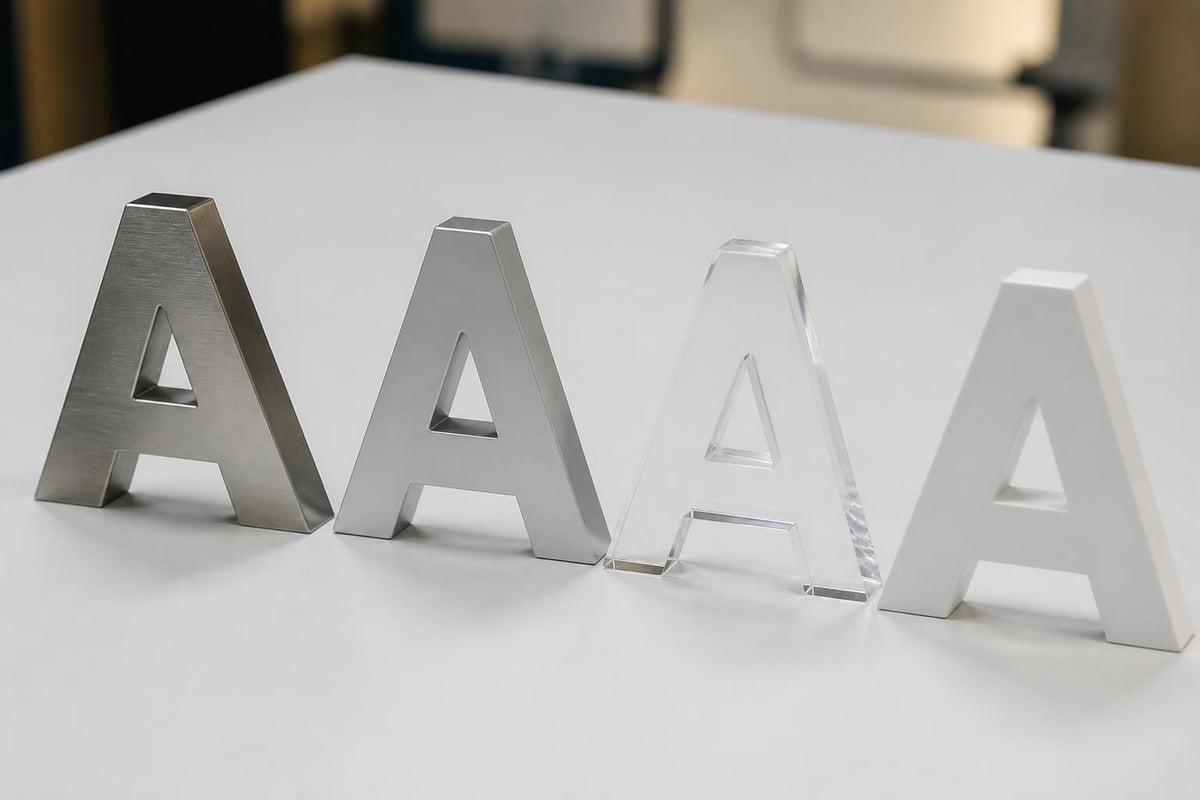
Stainless steel remains the premium choice for durability and prestige, offering exceptional weather resistance and a sophisticated finish that suits corporate headquarters, pharmaceutical facilities, and high-end retail environments. The material accepts various finishes including brushed, polished, powder-coated, or patinated surfaces.
Aluminium provides an excellent strength-to-weight ratio, making it ideal for large-scale installations where structural load matters. This versatile metal can be:
- Anodised for enhanced corrosion resistance
- Powder-coated in virtually any colour
- Fabricated into complex three-dimensional forms
- Combined with LED illumination systems
- Installed on diverse mounting surfaces
Brass and bronze deliver distinctive warmth and character, particularly suited to heritage buildings, luxury retail, and professional services requiring traditional aesthetics. These materials develop attractive patinas over time, adding character whilst maintaining structural integrity.
Synthetic Material Applications
Modern acrylic offers remarkable versatility for 3d lettering signage, available in transparent, translucent, and opaque finishes with excellent optical clarity for illuminated applications. This lightweight material machines cleanly, accepts various edge treatments, and delivers impressive impact resistance for interior installations.
High-density PVC foam board provides cost-effective solutions for interior dimensional lettering, offering smooth surfaces that accept paint, vinyl, and digital printing whilst remaining lightweight enough for simple mounting systems. Professional signage installation ensures these materials are correctly specified and mounted for optimal performance.
| Material | Durability | Weather Resistance | Weight | Cost | Best Application |
|---|---|---|---|---|---|
| Stainless Steel | Excellent | Superior | Heavy | High | Exterior corporate |
| Aluminium | Excellent | Very Good | Medium | Medium-High | Large exterior signs |
| Acrylic | Good | Good (with UV stabilisation) | Light | Medium | Illuminated interior/exterior |
| PVC Foam | Fair | Poor | Very Light | Low | Interior applications |
| Brass/Bronze | Excellent | Superior | Heavy | Very High | Heritage & luxury |
Fabrication Techniques and Manufacturing Processes
Professional 3d lettering signage manufacture employs sophisticated techniques that determine final quality, consistency, and cost-effectiveness. Understanding these processes helps specify appropriate solutions for different applications.
CNC Routing and Precision Cutting
Computer numerical control (CNC) routing delivers exceptional accuracy for dimensional letters, reproducing complex typefaces with millimetre precision across multiple units. This automated process ensures consistency in production runs whilst accommodating intricate details, custom fonts, and dimensional variations that define brand identity.
Laser cutting technology excels for metal fabrication, creating clean edges on stainless steel and aluminium with minimal finishing requirements. The concentrated heat source produces precise cuts without mechanical stress, maintaining material integrity whilst enabling complex geometries and fine detail work.
Moulding and Casting Methods
Vacuum forming creates cost-effective plastic dimensional letters by heating acrylic or PVC sheets over precision moulds, ideal for medium-volume production where tooling costs can be amortised across multiple units. This process delivers consistent wall thickness and smooth surfaces suitable for painting or vinyl application.
Rotational moulding produces hollow, durable letters in polyethylene, offering superior impact resistance for environments where vandalism or accidental damage present concerns. The seamless construction eliminates weak points whilst accommodating internal illumination systems.
Metal casting using aluminium or bronze enables highly detailed dimensional work, particularly suited to heritage restoration, memorial plaques, and distinctive brand marks requiring artisanal quality. Custom signage solutions often incorporate cast elements for premium differentiation.
Illumination Systems and LED Integration
Lighting transforms 3d lettering signage from daytime branding into round-the-clock brand ambassadors, extending visibility and impact whilst creating dramatic visual effects.
Front-Lit Letter Construction
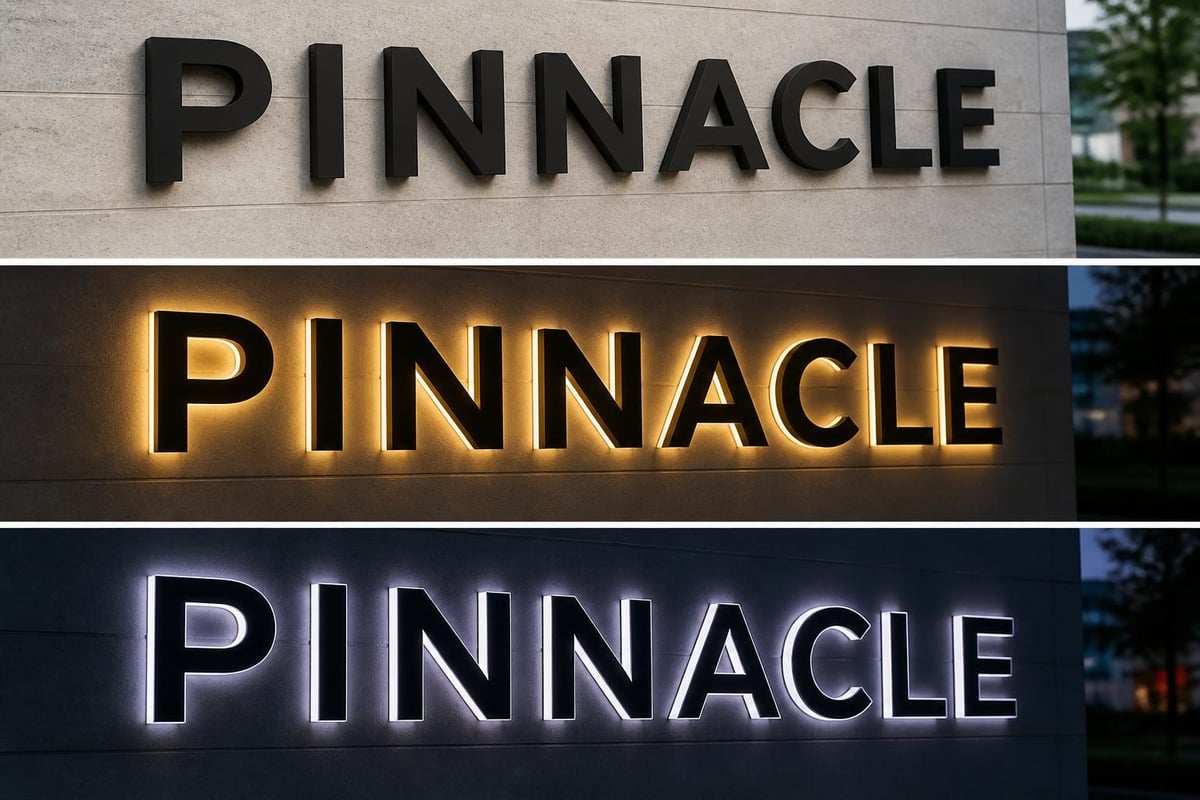
Front illumination employs LED modules mounted inside translucent acrylic faces, creating evenly distributed light that makes letters glow from within. This approach works particularly well for:
- Shopping centre directories and tenant identification
- Corporate reception areas and building identification
- Restaurant and retail fascia signage
- Pharmaceutical facilities requiring professional presentation
Modern LED technology has revolutionised illuminated signage, offering exceptional energy efficiency, extended lifespan exceeding 50,000 hours, and minimal maintenance requirements compared to traditional neon or fluorescent systems.
Halo and Back-Lit Effects
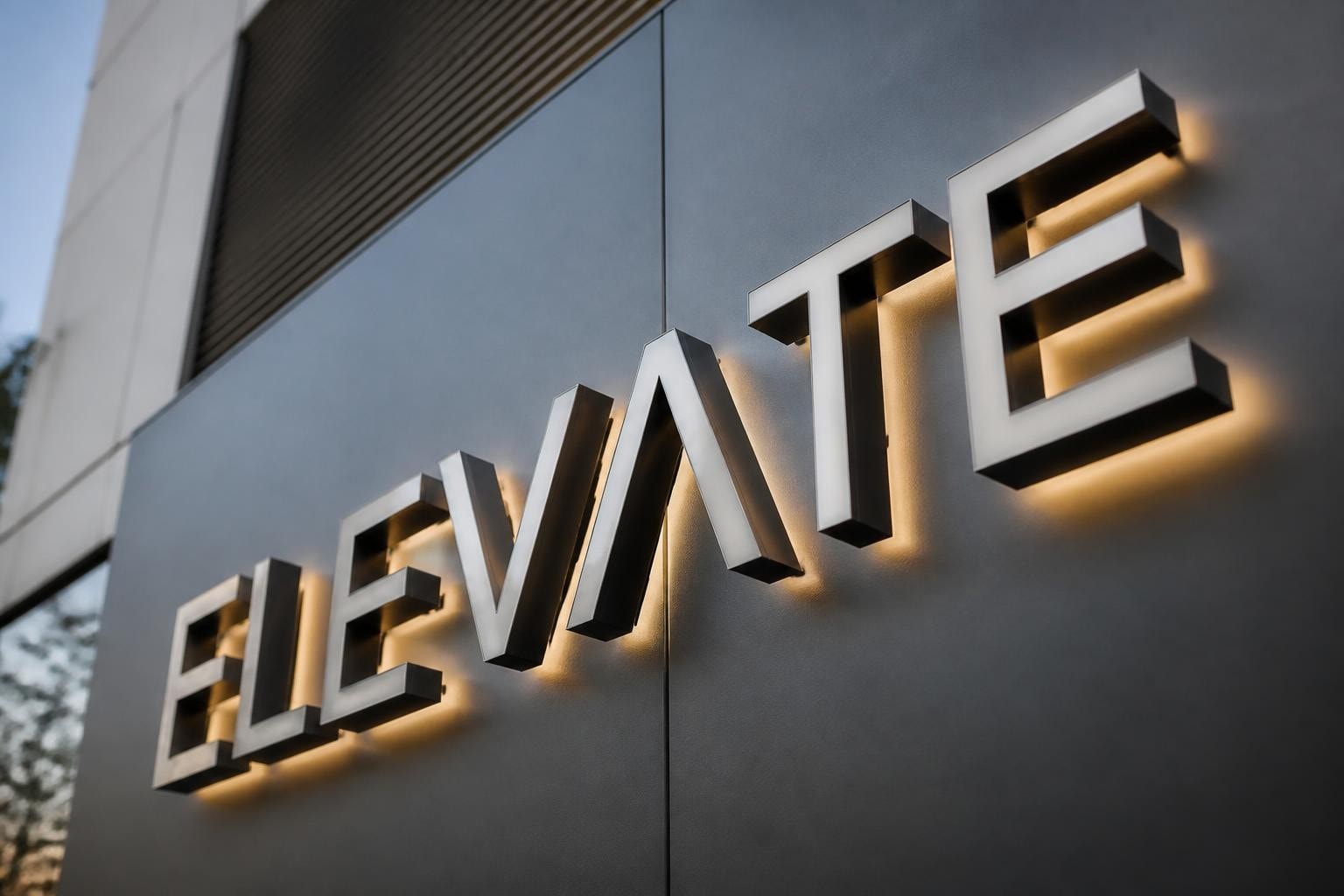
Halo illumination creates sophisticated ambient effects by mounting opaque letters with LED strips positioned behind them, projecting light onto the mounting surface to create a glowing outline. This subtle approach suits executive environments, boutique retail, and applications where understated elegance matters more than maximum visibility.
The electrical components in illuminated 3d lettering signage must comply with safety standards, and understanding UL lighting certification requirements ensures installations meet recognised safety protocols. Proper electrical design following National Fire Protection Association guidelines protects both property and people whilst ensuring regulatory compliance.
Design Considerations for Maximum Impact
Effective dimensional lettering balances aesthetic appeal with practical legibility, requiring careful attention to proportion, spacing, and mounting specifications.
Typography and Letterform Selection
Sans-serif typefaces generally perform best for dimensional applications, offering clean lines and consistent stroke widths that translate effectively into three-dimensional forms whilst maintaining legibility at distance. Consider stroke-to-counter ratios carefully, as overly delicate letterforms lose definition in dimensional fabrication.
Character spacing requires adjustment from two-dimensional applications, as shadows and perspective affect perceived spacing. Professional designers typically increase kerning slightly for dimensional work to maintain optical balance and prevent letters from visually merging at oblique viewing angles.
Research from the National Academies on sign legibility provides evidence-based guidance on optimal character proportions, stroke width, and contrast ratios that maximise comprehension across diverse viewing conditions and distances.
Depth and Dimensional Profile
Letter depth significantly impacts visual presence and manufacturing cost. Common dimensional specifications include:
- 25-50mm depth: Subtle dimensionality for interior applications and close viewing distances
- 75-100mm depth: Standard exterior signage with good shadow definition
- 150-200mm depth: Dramatic architectural statements for building identification
- 200mm+ depth: Monument signage and landmark installations
Greater depth increases material consumption, weight, and structural mounting requirements whilst delivering more pronounced shadows and visual impact. Balance aesthetic objectives against practical constraints of budget, mounting surface capacity, and maintenance access.
Regulatory Compliance and Accessibility Standards
Professional 3d lettering signage installations must navigate various regulatory frameworks governing accessibility, safety, and municipal requirements.
ADA Compliance for Accessible Signage
The ADA Standards for Accessible Design establish specific requirements for tactile characters in permanent room identification and wayfinding applications. These regulations mandate:
- Raised characters between 16mm and 51mm in height
- Stroke width-to-height ratios between 1:5 and 1:10
- Character spacing between 10-100% of character height
- Mounting heights between 1220mm and 1525mm above finished floor
- Accompanying Grade 2 Braille positioned below visual characters
Detailed technical guidance on tactile signage requirements clarifies which signs require tactile elements and which are exempt, ensuring compliance whilst optimising project budgets. Understanding signage regulations in South Africa ensures local compliance alongside international best practices.
Municipal Approvals and Building Regulations
Local authorities typically regulate signage size, placement, illumination levels, and structural mounting requirements. Early consultation with relevant departments prevents costly redesigns after fabrication.
Building-mounted signage often requires structural engineering certification confirming adequate support for imposed loads, wind loading calculations, and seismic considerations in applicable regions. These technical requirements ensure public safety whilst protecting property owners from liability.
Installation Methods and Structural Mounting
Proper installation determines whether 3d lettering signage performs as designed or becomes a maintenance burden requiring premature replacement.
Direct Mounting Techniques
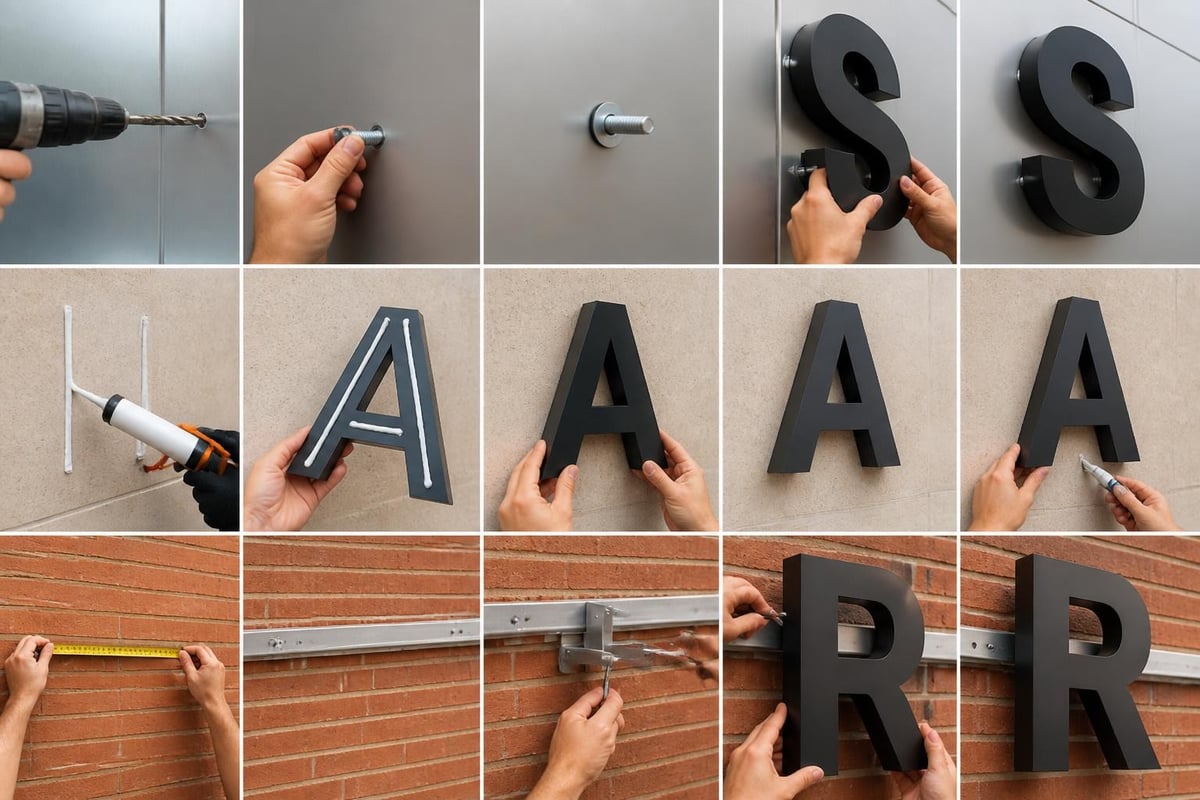
Stud mounting uses threaded rods welded or bonded to letter backs, extending through pre-drilled holes in the mounting surface and secured with washers and nuts from behind. This method provides exceptional strength for heavy metal letters whilst creating a floating appearance with standoff distance from the wall.
Adhesive bonding using structural silicone or VHB (Very High Bond) tape offers clean installations without visible fasteners, ideal for glass, polished stone, or finished surfaces where penetrations would compromise aesthetics or weatherproofing. Surface preparation proves critical for adhesive performance.
| Mounting Method | Strength | Visibility | Surface Damage | Removability | Best For |
|---|---|---|---|---|---|
| Stud Mount | Excellent | Minimal | Requires drilling | Moderate | Heavy metal letters |
| Adhesive Bond | Good | None | None | Difficult | Glass, polished surfaces |
| Channel Rail | Very Good | Moderate | Minimal | Easy | Changeable displays |
| French Cleat | Very Good | None | Minimal | Very Easy | Large panels |
Structural Considerations for Large Installations
Wind loading calculations become critical for exterior 3d lettering signage, particularly on tall buildings or exposed locations where letters present substantial surface area to prevailing winds. Professional engineering ensures mounting systems withstand design loads with appropriate safety factors.
When working with metal fabrication specialists like LTJ Industrial Services, custom mounting frames can be engineered to specific load requirements, providing robust support structures that simplify installation whilst meeting structural performance criteria.
Maintenance and Long-Term Performance
Strategic maintenance preserves the investment value and visual impact of 3d lettering signage throughout its service life.
Cleaning Protocols by Material Type
Stainless steel maintains its appearance through regular cleaning with pH-neutral detergents and soft cloths, removing environmental contaminants before they compromise the passive oxide layer that provides corrosion resistance. Annual professional cleaning prevents build-up in recessed areas and around mounting points.
Acrylic faces require gentle cleaning with approved plastic cleaners to prevent scratching, avoiding ammonia-based products that degrade the material and cause crazing. LED illuminated letters benefit from periodic inspection of seals and gaskets that protect electrical components from moisture ingress.
Long-term signage maintenance programmes ensure consistent brand presentation whilst identifying potential issues before they escalate into costly repairs or safety concerns.
LED Component Lifecycle Management
Modern LED systems deliver 50,000-100,000 hours of operational life, but power supplies and control systems may require replacement at shorter intervals. Designing installations with accessible service panels simplifies maintenance whilst extending effective signage lifespan.
Driver redundancy in critical applications ensures continued operation even if individual power supplies fail, maintaining brand visibility whilst scheduling convenient service interventions rather than emergency repairs.
Industry-Specific Applications and Case Studies
Different sectors leverage 3d lettering signage characteristics to address unique operational and branding requirements.
Corporate and Professional Services
Corporate headquarters utilise dimensional letters to establish authority and permanence, often combining polished metal finishes with subtle halo illumination for sophisticated executive environments. Reception areas benefit from substantial dimensional branding that reinforces company culture and professional standards.
Law firms, accounting practices, and consultancies favour traditional materials like brass or bronze that communicate established expertise, whilst technology companies often specify contemporary finishes and bold dimensional profiles reflecting innovation and forward thinking.
Retail and Hospitality Environments
Shopping centres and retail destinations use 3d lettering signage for tenant identification, directional wayfinding, and branded experiential zones. The dimensional quality helps information hierarchy stand out in visually complex environments competing for shopper attention.
Restaurant fascias combine illuminated dimensional letters with complementary outdoor signage strategies to attract passing trade whilst establishing brand recognition. Weather-resistant construction ensures consistent appearance despite exposure to cooking vapours, temperature extremes, and UV radiation.
Pharmaceutical and Healthcare Applications
Clean, professional aesthetics suit pharmaceutical manufacturing and healthcare facilities, where 3d lettering signage must convey trust, precision, and regulatory compliance. Materials selection prioritises cleanability and chemical resistance for environments with strict hygiene protocols.
Wayfinding applications in hospital complexes often incorporate tactile dimensional lettering meeting accessibility requirements whilst maintaining professional appearance standards. Clear hierarchy and consistent formatting reduce stress for visitors navigating unfamiliar environments during challenging circumstances.
Cost Factors and Investment Considerations
Understanding the variables that influence 3d lettering signage pricing helps optimise specifications to deliver maximum value whilst meeting performance requirements.
Material and Fabrication Cost Drivers
Material selection represents the primary cost variable, with stainless steel commanding premium pricing compared to aluminium or synthetic alternatives. However, lifecycle cost analysis often justifies higher initial investment when considering maintenance requirements and replacement intervals.
Letter size affects cost non-linearly, as larger dimensions require heavier gauge materials, more substantial mounting systems, and increased labour for fabrication and installation. Doubling letter height typically increases cost by 250-300% rather than simply doubling.
Complexity of letterforms influences manufacturing time and waste factors. Simple geometric sans-serif fonts fabricate more economically than elaborate script or serif typefaces requiring detailed finishing work.
Illumination System Economics
LED integration adds 40-80% to base fabrication costs but delivers ongoing energy savings and extended operational life that typically provide positive return on investment within 3-5 years compared to non-illuminated alternatives requiring supplementary lighting.
Understanding signage investment from a total cost of ownership perspective, including energy consumption, maintenance requirements, and expected lifespan, provides clearer comparison than initial purchase price alone.
Emerging Technologies and Future Trends
Innovation continues advancing 3d lettering signage capabilities, opening new possibilities for brand expression and functional performance.
Digital Manufacturing Integration
3D printing enables increasingly complex geometries in metal and polymer materials, creating organic forms and intricate details previously impossible or prohibitively expensive through traditional manufacturing. This additive technology particularly suits small production runs and bespoke installations where tooling costs would otherwise prove prohibitive.
Parametric design software allows rapid iteration and customisation, generating unique dimensional profiles whilst maintaining consistent brand elements across applications. Cloud-based collaboration tools enable real-time approval processes between design teams, manufacturers, and clients, compressing project timelines.
Smart Integration and IoT Connectivity
Connected signage systems integrate dimensional letters with building management systems, enabling scheduled illumination based on occupancy, daylight levels, or special events. Remote monitoring detects component failures before they affect visibility, triggering proactive maintenance interventions.
Edge-computing capabilities embedded in Digital Signage systems can complement dimensional lettering installations, creating dynamic brand experiences that combine permanent architectural elements with changeable content responsive to context and audience.
Sustainable Materials and Circular Economy
Recycled aluminium now matches virgin material performance whilst reducing embodied energy by 95%, appealing to organisations pursuing sustainability objectives. Bio-based plastics derived from renewable feedstocks offer alternatives to petroleum-based acrylics for interior applications where durability requirements permit.
Design for disassembly principles enable future material recovery, specifying mechanical fasteners rather than permanent adhesives and selecting mono-material construction where feasible to simplify end-of-life processing. Recent dimensional sign projects showcase how sustainability integrates with cutting-edge aesthetics.
Complementary Signage Elements
Three-dimensional lettering often forms part of comprehensive signage programmes incorporating multiple components for complete wayfinding and brand communication.
Monument and Pylon Integration
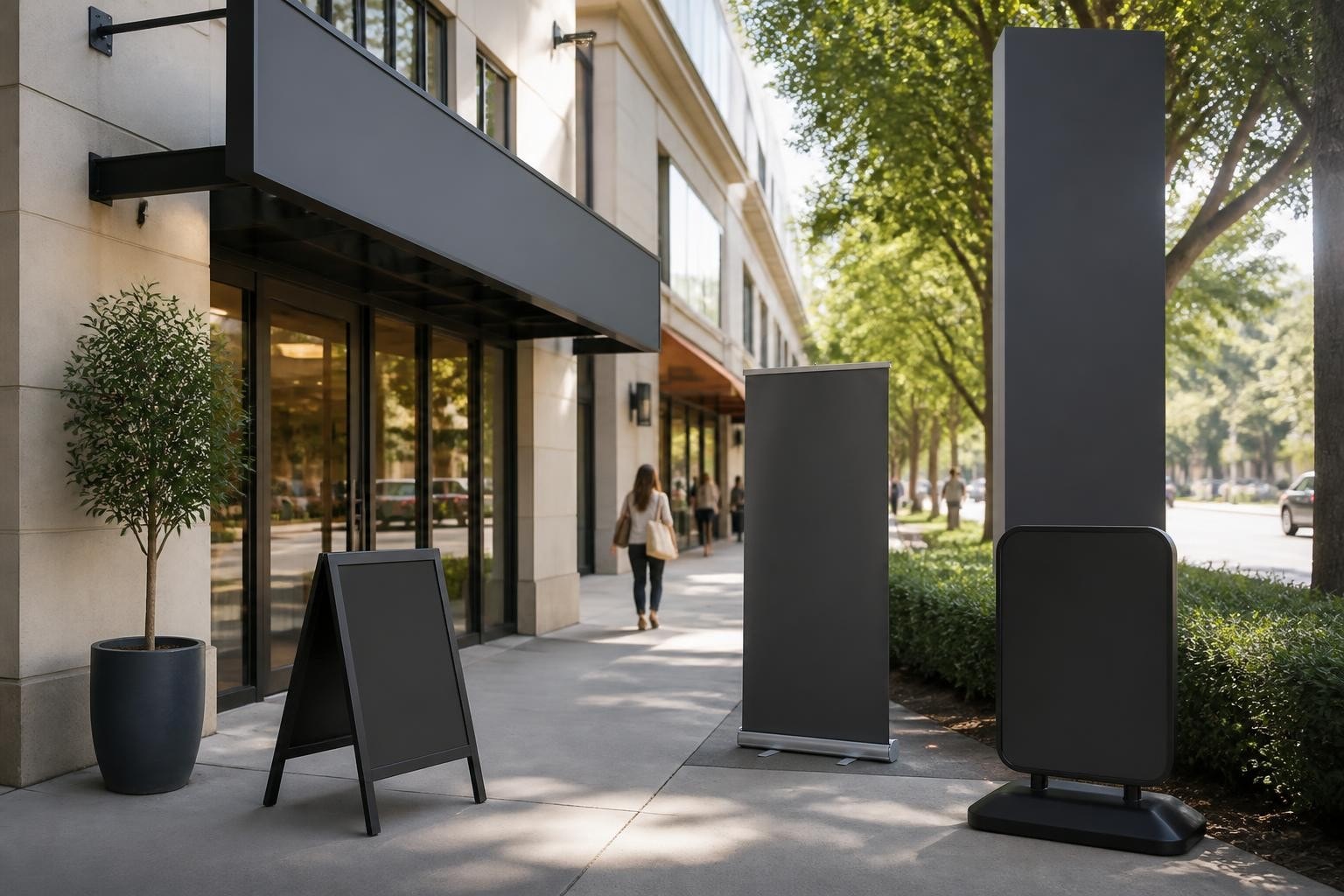
Ground-mounted monument signage frequently incorporates dimensional letters as primary identification elements, combining them with structural bases in stone, masonry, or fabricated metal that establish permanence and presence. These installations benefit from coordinated design ensuring visual consistency across all brand touchpoints.
For facilities requiring high-visibility identification from major roadways, Pylon Signage provides vertical presence whilst dimensional letters on building fascias reinforce brand identity at closer range. This layered approach serves different viewing distances and decision points in the customer journey.
Interior Wayfinding Systems
Directional signage employs dimensional letters for primary headings whilst incorporating flat panels for variable information, creating visual hierarchy that guides navigation efficiently. Consistent typography, mounting systems, and finish specifications across interior elements establish professional coherence.
Specialised environments like home cinema installations from ANR media demonstrate how dimensional signage contributes to experiential design, using sophisticated lighting and materials to enhance luxury spaces. Similarly, commercial glazing projects by Markus Glass often incorporate dimensional branding elements during facade construction, ensuring seamless integration between architectural glazing and identification signage.
Typography Standards for Dimensional Applications
Selecting appropriate typefaces requires understanding how three-dimensional fabrication affects character recognition and aesthetic refinement.
Legibility Distance Calculations
The MUTCD legibility research provides evidence-based formulae correlating character height to viewing distance, typically specifying 25mm of letter height per metre of intended viewing distance for high-contrast applications under good lighting conditions.
Dimensional letters often perform better than calculated minimums due to shadow definition and physical presence, but designers should verify specifications through full-scale mock-ups for critical applications where legibility uncertainty presents unacceptable risk.
Stroke Width and Counter Proportions
Stroke-to-height ratios between 1:5 and 1:7 generally optimise legibility for dimensional work, providing adequate structural integrity during fabrication whilst maintaining clear counters and negative spaces that define character recognition.
Excessively thin strokes create fabrication challenges and structural weaknesses, whilst overly heavy letterforms sacrifice legibility by reducing counters to the point where characters like "O" and "Q" or "B" and "8" become difficult to distinguish at distance.
Professional 3d lettering signage represents a strategic investment in brand presence, combining material excellence, precision fabrication, and thoughtful design to create lasting impact across diverse applications. Whether you're establishing corporate authority, attracting retail customers, or ensuring compliant wayfinding in pharmaceutical facilities, understanding material properties, regulatory requirements, and installation best practices ensures your dimensional signage delivers exceptional performance throughout its lifecycle. Signs4SA brings comprehensive expertise across corporate, retail, construction, and pharmaceutical sectors, supported by a national footprint and skilled fabrication teams ready to transform your brand vision into dimensional reality. Contact our team today to discuss how bespoke 3d lettering solutions can elevate your next signage project.