


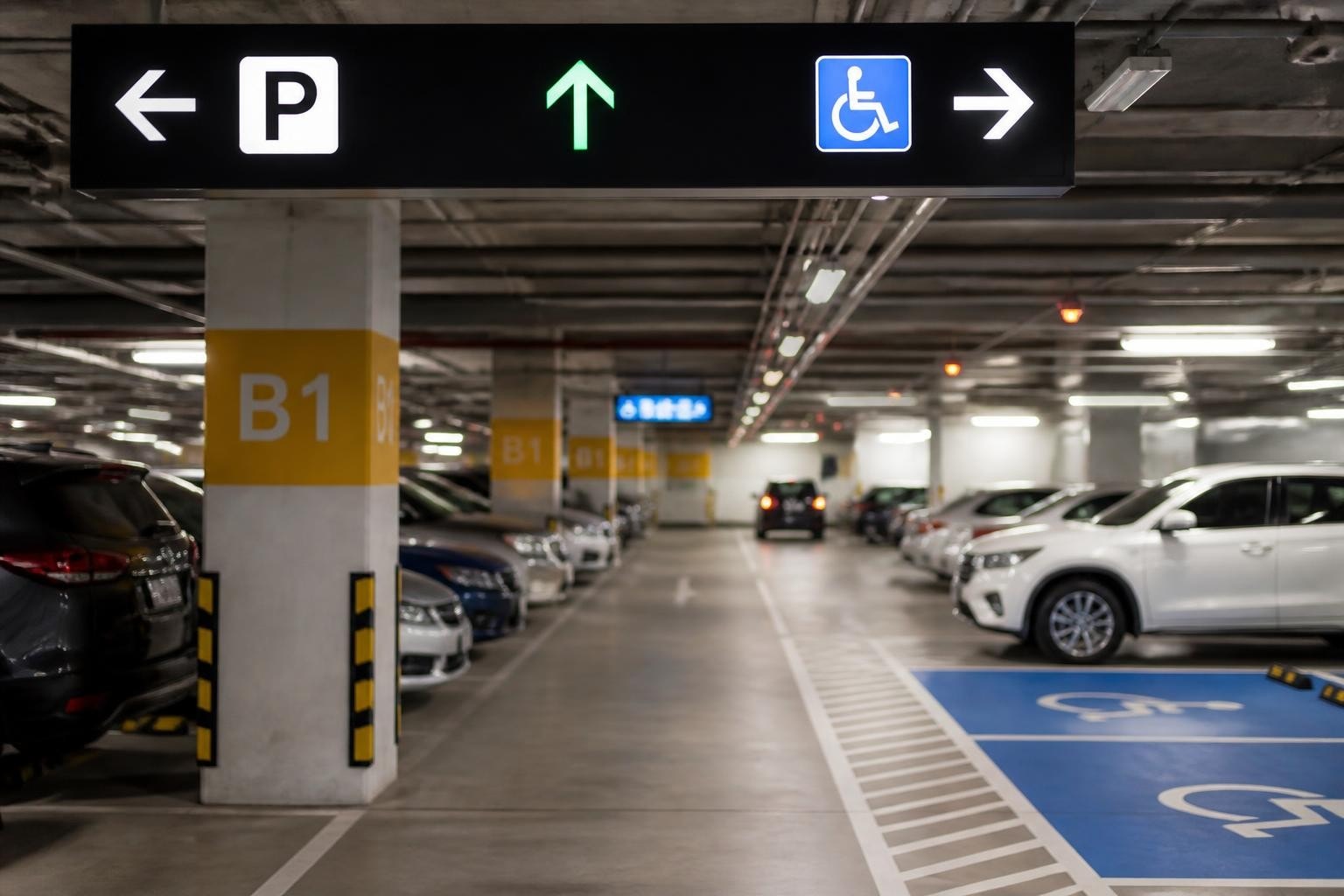


Why Safety Signage Is Important in the Workplace
Protecting workers is an important objective for the management of any business. Safety signage plays a crucial role in protecting employees and visitors by clearly communicating hazards, required actions, and emergency information. At Signs4sa, we manufacture high-quality safety signage that helps businesses create safer working environments, ensure regulatory compliance, and reduce liability risks.
Safety signage is not just a legal requirement — it is a fundamental component of any effective workplace safety programme. Properly placed and maintained safety signs warn employees of potential dangers, guide them during emergencies, and reinforce safe behaviours. Investing in quality safety signage demonstrates your commitment to employee welfare and protects your business from costly accidents and legal claims.
Why Safety Signage Matters in the Workplace
Safety signage serves as a constant visual reminder of the hazards present in a workplace and the actions required to stay safe. Without proper signage, employees may be unaware of risks, increasing the likelihood of accidents, injuries, and regulatory non-compliance.
In addition to protecting workers, safety signage also protects businesses. In the event of an accident, proper signage can demonstrate that your business took reasonable steps to warn employees and visitors, reducing liability and potential legal claims.
Prevents Accidents and Injuries
The primary purpose of safety signage is to prevent accidents and injuries. By clearly communicating hazards and required safety actions, signs help employees avoid dangerous situations and respond appropriately to risks.
- Hazard awareness – Warns employees of potential dangers
- Risk reduction – Encourages safe behaviours and practices
- Incident prevention – Reduces the likelihood of workplace accidents
Ensures Regulatory Compliance
Workplace safety regulations require specific signage in designated areas. Failure to display required safety signs can result in fines, penalties, and legal action. Compliance with safety standards is not optional — it is a legal obligation.
- SANS compliance – Meets South African National Standards
- OSHA compliance – Adheres to international safety standards
- Industry-specific regulations – Meets sector-specific requirements
Protects from Liability
Inadequate safety signage can expose businesses to significant liability claims. In the event of an accident, plaintiffs may argue that your business failed to provide adequate warnings, resulting in preventable injuries.
- Legal protection – Demonstrates due diligence
- Insurance compliance – Meets insurer requirements
- Liability reduction – Minimises risk of claims
Communicates Safety Information
Safety signs convey critical information quickly and effectively. In emergency situations, clear signage can mean the difference between a safe evacuation and a tragedy.
- Emergency information – Guides evacuation and emergency response
- Hazard communication – Warns of specific dangers
- Safety instructions – Provides clear, actionable guidance
Creates a Safety Culture
Visible safety signage reinforces the importance of safety in the workplace and encourages employees to prioritise their own wellbeing and that of their colleagues. A strong safety culture reduces accidents and improves overall productivity.
- Safety awareness – Keeps safety top-of-mind
- Employee engagement – Encourages proactive safety behaviours
- Positive workplace environment – Demonstrates commitment to employee welfare
Types of Safety Signs in the Workplace
There are several categories of safety signs, each serving a specific purpose in communicating hazards and required actions.
Mandatory Signs
Mandatory signs indicate actions that must be taken to ensure safety. These signs feature a blue circle with a white pictogram or text.
- PPE requirements – Hard hats, safety boots, eye protection, etc.
- Safety procedures – Required actions in specific areas
- Compliance signs – Actions required by law or company policy
Warning Signs
Warning signs alert employees to potential hazards that may cause injury or damage. These signs feature a yellow triangle with a black pictogram.
- Physical hazards – Slippery floors, falling objects, etc.
- Chemical hazards – Toxic, corrosive, or flammable materials
- Electrical hazards – High voltage or electrical equipment
Prohibition Signs
Prohibition signs indicate actions that are not permitted in a specific area. These signs feature a red circle with a diagonal line.
- No smoking – Prohibits smoking in designated areas
- No entry – Restricts access to hazardous areas
- No unauthorised personnel – Restricts access to specific zones
Emergency Signs
Emergency signs indicate the location of emergency equipment, exits, and safety facilities. These signs feature a green rectangle with white text or pictograms.
- Emergency exits – Evacuation routes and assembly points
- First aid equipment – Location of first aid kits and stations
- Fire safety equipment – Fire extinguishers and alarms
Fire Safety Signs
Fire safety signs indicate the location of fire fighting equipment and evacuation routes. These signs feature red text or pictograms.
- Fire extinguishers – Location of extinguishers and fire hoses
- Fire alarms – Location of manual call points
- Evacuation routes – Fire escape routes and assembly points
Workplace Safety Signage Checklist
| Area | Required Signs | Status |
|---|---|---|
| Entry points | Mandatory PPE signs, prohibition signs | ☐ |
| Hazardous areas | Warning signs, mandatory signs | ☐ |
| Fire safety | Fire extinguisher signs, evacuation signs | ☐ |
| Emergency exits | Emergency exit signs, directional signs | ☐ |
| First aid | First aid signs, medical facility signs | ☐ |
| Prohibited areas | No smoking, no entry, no unauthorised personnel | ☐ |
Common Safety Signage Mistakes to Avoid
Many businesses inadvertently make mistakes with their safety signage that reduce its effectiveness and compromise compliance. Avoid these common pitfalls:
- Incorrect placement – Signs placed where they are not easily visible
- Faded or damaged signs – Signs that are unreadable due to wear
- Missing signs – Signs absent in areas where they are required
- Outdated signs – Signs that no longer meet current regulations
- Language barriers – Signs not in the language(s) of the workforce
- Poor visibility – Signs obscured by equipment or obstructions
How Often Should You Review Your Safety Signage?
Regular reviews ensure your safety signage remains effective and compliant. We recommend the following schedule:
- Annual audits – Comprehensive review of all safety signs at least once a year
- After incidents – Following any accident or near-miss to identify signage gaps
- After regulatory changes – When safety regulations are updated
- After facility changes – Following renovations, new equipment, or process changes
Why Choose Signs4sa for Your Safety Signage
At Signs4sa, we manufacture high-quality safety signage that meets all regulatory standards and is built to last. Our team is committed to helping businesses create safer workplaces with professional, compliant, and durable safety signs.
What Sets Us Apart
- Premium quality materials – UV-stable, weather-resistant, and long-lasting
- Regulatory compliance – Signs meet SANS and international standards
- Custom designs – Tailored to your specific requirements
- Clear graphics – High-contrast, easy-to-read pictograms and text
- Durable construction – Built to withstand workplace conditions
- Competitive pricing – Affordable solutions without compromising quality
Get Started with Workplace Safety Signage Today
Protect your employees, ensure compliance, and create a safer workplace with professional safety signage from Signs4sa. Contact us today for a free consultation and quote.
Call us or request a quote online to get started on your workplace safety signage.