

Car Branding: Transform Your Fleet Into Mobile Billboards
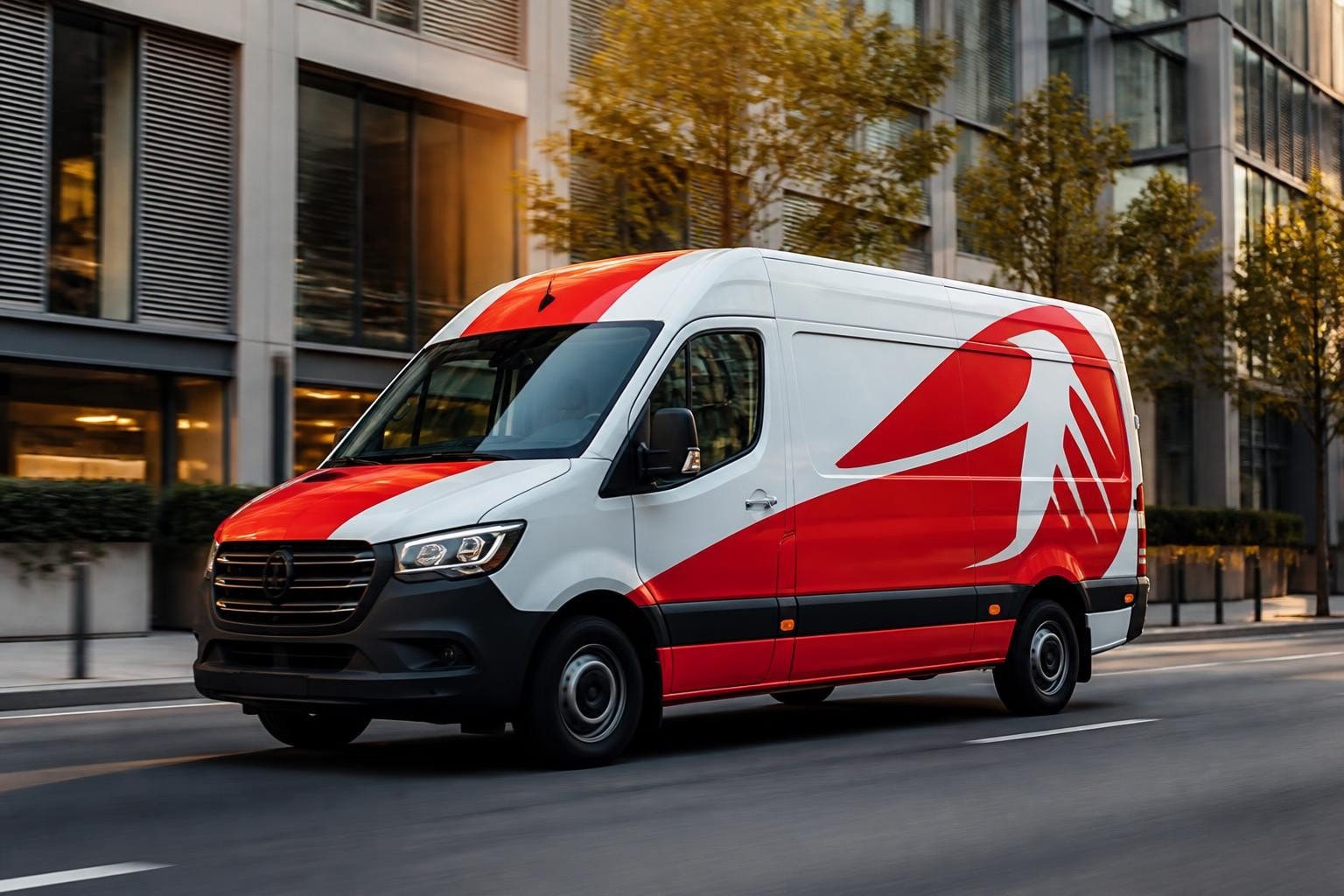
In today's competitive marketplace, businesses constantly seek innovative ways to maximise brand visibility whilst managing marketing budgets effectively. Car branding has emerged as one of the most cost-effective advertising strategies available, transforming ordinary vehicles into mobile billboards that generate thousands of daily impressions. Whether you operate a single delivery van or manage an entire fleet, vehicle graphics offer unparalleled opportunities to extend your brand's reach across urban centres, highways, and residential neighbourhoods where traditional advertising struggles to penetrate.
Understanding the Strategic Value of Vehicle Graphics
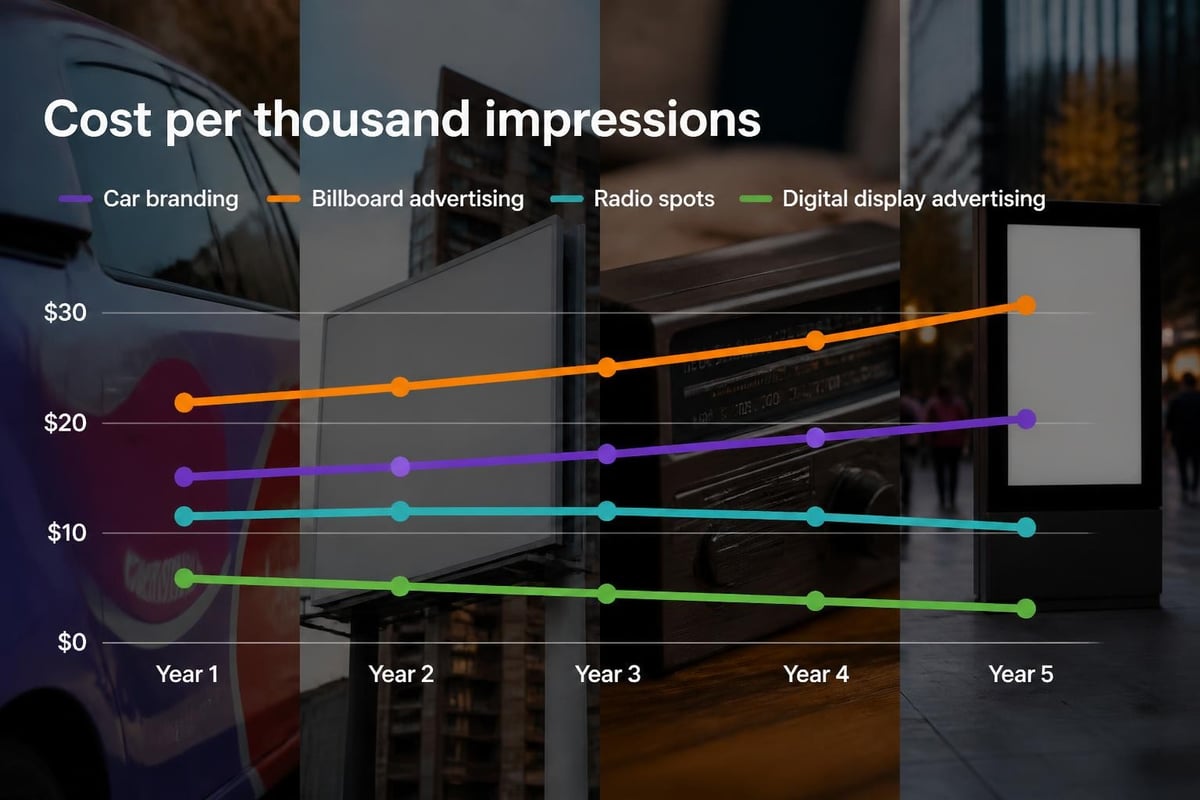
Car branding represents far more than decorative vinyl graphics applied to automotive surfaces. This marketing approach converts company vehicles into 24/7 brand ambassadors that work continuously, generating exposure regardless of whether the vehicle is in motion or parked. According to research from the Out of Home Advertising Association, mobile advertising formats consistently outperform static billboards in terms of cost per impression.
The fundamental advantage lies in reach multiplication. A single branded vehicle travelling typical commercial routes can generate between 30,000 and 70,000 visual impressions daily, depending on population density and route characteristics. Over a vehicle's operational lifespan, this translates to millions of brand exposures at a fraction of traditional advertising costs.
Cost Efficiency Compared to Traditional Media
When evaluating marketing investments, car branding delivers exceptional return on investment metrics:
- One-time cost: Unlike recurring monthly billboard rental fees or continuous digital advertising spend
- Long lifespan: Quality vehicle wraps maintain appearance for 3-7 years with proper maintenance
- Targeted geography: Natural route coverage aligns with service areas and target demographics
- Credibility boost: Professional vehicle presentation enhances brand perception and trust
Financial analysis reveals that the cost per thousand impressions (CPM) for vehicle graphics often falls below £0.50, whilst traditional billboard advertising typically ranges from £3 to £10 CPM. This dramatic cost differential makes car branding particularly attractive for small to medium enterprises seeking maximum marketing impact within constrained budgets.
Design Principles for Maximum Impact
Effective car branding requires strategic design thinking that accounts for vehicle movement, viewing distances, and brief exposure durations. Unlike static advertisements where viewers control engagement duration, vehicle graphics must communicate brand messages within seconds as traffic flows and pedestrians glance.
Essential Design Elements
Simplicity reigns supreme in vehicle graphic design. Cluttered layouts with excessive text or competing visual elements fail to register with passing viewers. Successful designs typically incorporate:
- Bold, legible typography visible from 15-30 metres
- High-contrast colour schemes that stand out in varied lighting conditions
- Minimal text content limited to company name, core service, and contact information
- Strategic logo placement on multiple vehicle surfaces for omnidirectional visibility
- Complementary imagery that reinforces brand identity without overwhelming
Colour psychology plays a crucial role in vehicle branding effectiveness. The psychology of colour in signage design influences viewer perception and recall, with certain combinations proven to enhance visibility and memorability. Red and yellow combinations excel at capturing attention, whilst blue and white convey professionalism and trustworthiness.
Vehicle Surface Considerations
Different vehicle types present unique design opportunities and constraints:
| Vehicle Type | Prime Branding Areas | Design Considerations |
|---|---|---|
| Vans & Lorries | Large side panels, rear doors | Maximum canvas space for detailed messaging |
| Saloon Cars | Doors, bonnet, boot | Limited space requires focused messaging |
| 4x4 Vehicles | Side panels, tailgate | Higher viewer angles affect design visibility |
| Buses | Full body wrap potential | Segmented windows require design adaptation |
Professional designers account for vehicle contours, door handles, fuel caps, and window placement when developing layouts. Templates specific to vehicle makes and models ensure graphics align properly with body lines and avoid critical functional areas.
Material Selection and Application Methods
The longevity and appearance quality of car branding depend heavily on material selection and installation expertise. Modern vehicle graphics utilise cast vinyl films engineered specifically for automotive applications, offering superior conformability around complex curves and resistance to environmental degradation.
Premium Vinyl Film Characteristics
Professional-grade materials from manufacturers like 3M and Avery Dennison deliver performance advantages over budget alternatives:
- UV resistance: Prevents colour fading and material degradation from sun exposure
- Conformability: Stretches and moulds to compound curves without wrinkles
- Repositionability: Allows installer adjustment during application for perfect alignment
- Adhesive technology: Bonds securely whilst allowing future removal without paint damage
- Warranty coverage: Manufacturer guarantees typically span 3-7 years depending on film type
According to 3M's vehicle preparation guidelines, proper surface preparation proves equally critical to material selection. Installers must thoroughly clean and degrease surfaces, address minor paint imperfections, and ensure optimal temperature and humidity conditions during application.
Full Wraps Versus Partial Graphics
Budget considerations and branding objectives influence the extent of vehicle coverage:
Full wraps envelop the entire vehicle in printed graphics, offering maximum visual impact and complete design control. Benefits include comprehensive brand coverage, paint protection, and potential resale value preservation by shielding original paintwork.
Partial wraps and spot graphics apply branding to strategic vehicle sections like doors, bonnets, or rear panels. This approach reduces material and installation costs by 40-70% whilst still delivering substantial brand visibility. Many businesses find vehicle branding tips helpful when determining optimal coverage strategies.
Cut vinyl lettering represents the most economical option, using solid-colour vinyl cut into letters and shapes rather than printed graphics. Whilst limited in design complexity, cut vinyl delivers clean, professional results for straightforward text-based branding.
Installation Standards and Quality Assurance
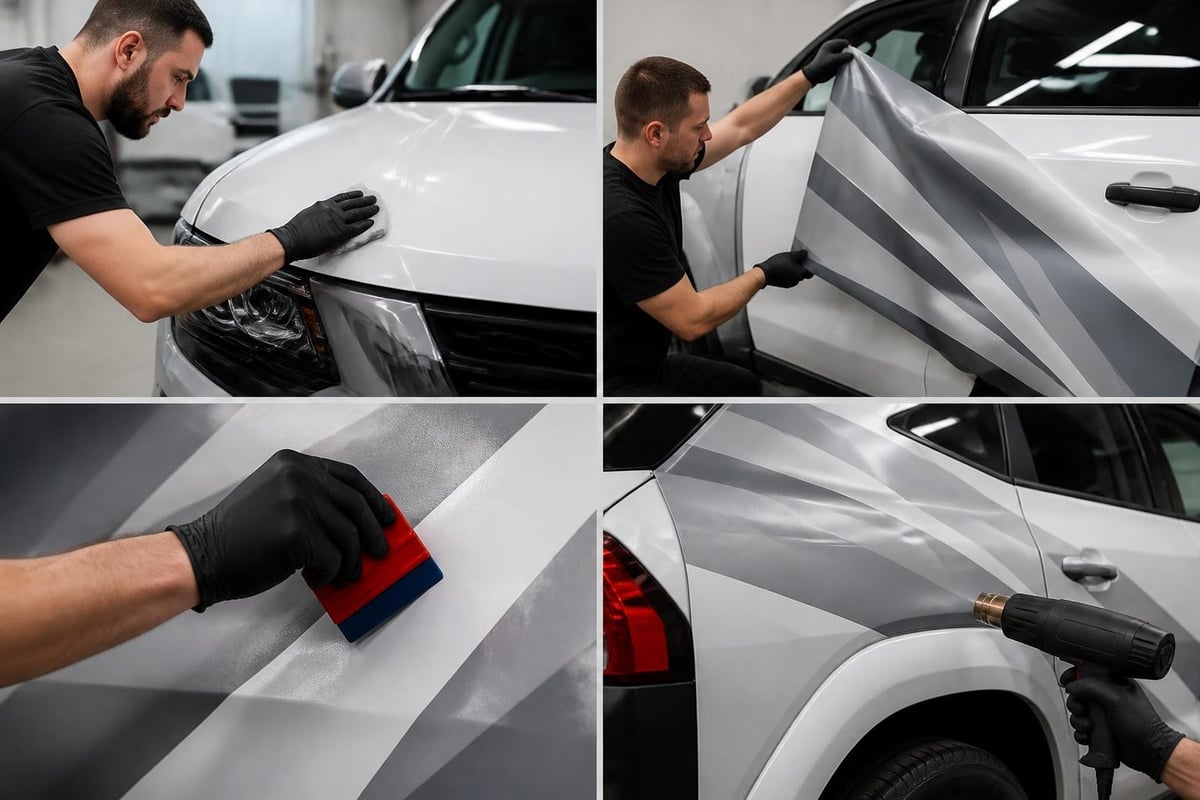
Professional installation separates successful long-term car branding from premature failures marked by bubbling, peeling, and colour degradation. The Printing Industry's vehicle training programmes emphasise systematic processes that ensure consistent quality outcomes.
Critical Installation Steps
- Surface assessment: Inspecting paint condition and identifying potential problem areas
- Thorough cleaning: Removing all contaminants, wax, and residual compounds
- Template alignment: Positioning guides to ensure graphic placement accuracy
- Methodical application: Working systematically to eliminate air pockets and tension points
- Post-heating: Using controlled heat to activate adhesive and set material memory
- Edge sealing: Securing vulnerable edges against moisture infiltration
Environmental conditions during installation significantly impact long-term performance. Optimal application occurs at temperatures between 15-27°C with relative humidity below 70%. Deviations from these parameters can compromise adhesive bonding and material conformability.
Maintenance Protocols for Extended Lifespan
Car branding investments deliver maximum return when graphics maintain pristine appearance throughout their serviceable life. Avery Dennison's maintenance guidelines outline care protocols that extend wrap longevity whilst preserving visual appeal.
Regular Cleaning Recommendations
Weekly washing prevents accumulated contaminants from degrading vinyl surfaces:
- Use pH-neutral automotive shampoos free from petroleum solvents
- Employ soft cloths or sponges rather than abrasive brushes
- Rinse thoroughly to remove all cleaning product residue
- Avoid high-pressure washers at close range (maintain 30cm minimum distance)
- Hand-dry with microfibre towels to prevent water spotting
Parking considerations also affect wrap lifespan. Whenever possible, indoor or covered parking protects graphics from UV exposure and environmental pollutants. When outdoor parking proves unavoidable, regular application of vinyl-safe protectants creates additional UV barriers.
Addressing Damage Promptly
Minor damage from road debris, scratches, or edge lifting requires immediate attention to prevent expansion. Most professional installers offer repair services that replace damaged sections without requiring complete rewrapping. Prompt intervention typically costs a fraction of neglected damage that spreads across larger areas.
Regulatory Compliance and Legal Considerations
Car branding implementation must account for regulatory frameworks governing vehicle modifications and commercial advertising. South African regulations generally permit vehicle graphics provided modifications don't obscure required elements like registration plates, lights, or reflectors.
Commercial vehicle operators should verify that insurance policies cover branded vehicles adequately. Some insurers classify extensive wraps as modifications requiring policy endorsement. Additionally, businesses operating across municipal boundaries may encounter varying local regulations regarding commercial vehicle advertising.
When incorporating contact information, ensure telephone numbers, websites, and physical addresses remain current throughout the wrap's lifespan. Outdated contact details undermine credibility and waste valuable impression opportunities.
Fleet Branding Strategy Development
Organisations managing multiple vehicles can leverage fleet branding to amplify market presence exponentially. Consistent visual identity across all vehicles creates brand recognition that individual wraps cannot match. The resource centre maintained by the Out of Home Advertising Association offers case studies demonstrating fleet branding's cumulative impact.
Unified Design Frameworks
Successful fleet branding balances consistency with practical flexibility:
Core elements maintained across all vehicles include primary colours, logo application standards, typography selections, and fundamental layout architecture. This consistency ensures instant brand recognition regardless of which vehicle viewers encounter.
Flexible components accommodate different vehicle types and sizes within the fleet. A standardised design system might specify how graphics adapt from compact vans to large lorries whilst maintaining brand coherence.
Phased Implementation Approaches
Budget constraints rarely permit simultaneous fleet-wide branding. Phased rollout strategies maintain momentum whilst managing cash flow:
- Priority vehicles first: Brand high-visibility vehicles or those serving premium clients initially
- Route-based sequencing: Target vehicles covering high-traffic routes for maximum early impact
- Replacement scheduling: Coordinate branding with vehicle replacement cycles to optimise investment timing
- Pilot programme validation: Test designs on select vehicles before full fleet commitment
Measuring Return on Investment
Quantifying car branding effectiveness requires establishing measurement frameworks that capture both direct response and brand awareness outcomes. According to a Nielsen study on out-of-home advertising, vehicle wraps generate measurable increases in brand recognition and purchase consideration.
Trackable Performance Indicators
Modern businesses employ multiple metrics to assess vehicle branding impact:
| Metric Category | Measurement Methods | Typical Benchmarks |
|---|---|---|
| Direct Response | Unique phone numbers, dedicated landing pages | 2-5% of total enquiries |
| Brand Awareness | Market surveys, social media mentions | 15-30% recall increase |
| Route Coverage | GPS tracking, impression modelling | 30,000-70,000 daily impressions |
| Cost Efficiency | Total cost ÷ impression count × 1000 | £0.30-£0.70 CPM |
Businesses can track dedicated telephone numbers or custom web addresses featured exclusively on vehicle graphics to measure direct response. This approach isolates enquiries generated specifically through car branding, providing concrete conversion data.
Geographic information systems (GIS) combined with vehicle telematics data enable sophisticated impression modelling. These systems calculate likely viewer exposures based on actual vehicle routes, traffic patterns, and demographic data, offering empirical foundation for ROI calculations.
Industry-Specific Applications and Adaptations
Car branding strategies vary significantly across industries, with each sector emphasising different messaging priorities and design approaches. Understanding these variations helps businesses develop more effective vehicle graphics aligned with industry norms and customer expectations.
Service Industry Applications
Plumbers, electricians, HVAC specialists, and other trade professionals benefit enormously from car branding. Service vehicles essentially function as mobile billboards that simultaneously advertise availability whilst travelling to job sites. Effective trade vehicle graphics prominently display:
- Core services offered
- Emergency contact numbers
- Service area coverage
- Licensing or certification credentials
- Customer testimonials or trust indicators
Retail and Delivery Fleets
E-commerce growth has dramatically increased delivery vehicle visibility. Retail brands leverage delivery fleet graphics to reinforce online purchases with physical brand touchpoints. These vehicles travel residential streets where traditional outdoor advertising seldom reaches, delivering brand messages directly to consumer doorsteps.
Pharmaceutical distribution represents a specialised application where vehicle branding must balance marketing objectives with professional presentation standards. Clean, conservative designs communicate reliability and regulatory compliance whilst maintaining brand recognition.
Advanced Techniques and Emerging Trends
Innovation continues reshaping car branding possibilities, with new materials and application methods expanding creative boundaries. Reflective vinyls enhance nighttime visibility, catching headlight beams to maintain brand presence after dark. Textured finishes including carbon fibre, brushed metal, and matte effects add dimensional interest that differentiates vehicles from standard gloss wraps.
Digital Integration Opportunities
Forward-thinking businesses integrate physical car branding with digital marketing ecosystems:
- QR codes linking to mobile-optimised landing pages or promotional offers
- Social media handles encouraging user-generated content and follower growth
- Augmented reality triggers enabling smartphone users to unlock additional content
- Near-field communication (NFC) tags facilitating contactless information sharing
These integrations transform static graphics into interactive brand experiences, particularly effective when targeting younger, digitally-native demographics.
Sustainability Considerations
Environmental consciousness increasingly influences material selection. Biodegradable vinyl alternatives and solvent-free printing technologies address ecological concerns whilst maintaining performance standards. Some manufacturers now offer carbon-neutral production processes and recyclable end-of-life programmes for removed wraps.
Businesses incorporating Digital Signage into their broader marketing strategy often find that vehicle graphics complement digital installations by extending brand visibility beyond fixed locations, creating cohesive omnichannel presence.
Implementation Timeline and Project Management
Successful car branding projects require careful planning and coordination across design, production, and installation phases. Realistic timeline expectations prevent rushed decisions that compromise outcome quality.
Typical Project Phases
Design development (2-3 weeks): Initial concepts, revision cycles, and final approval consume the longest project segment. Businesses should allocate sufficient time for stakeholder input and refinement rather than rushing this critical phase.
Production (3-7 days): Digital printing, lamination, and cutting proceed relatively quickly once designs receive final approval. Rush services may accelerate production but often carry premium pricing.
Installation (1-3 days per vehicle): Application duration varies with wrap complexity and vehicle size. Full wraps require substantially more installation time than partial graphics or cut vinyl applications.
Curing period (24-48 hours): Following installation, vehicles should remain stationary whilst adhesives fully cure and materials relax into final position. Premature use risks graphic displacement or edge lifting.
Selecting Professional Installation Partners
Installation quality fundamentally determines car branding success or failure. Whilst material costs remain relatively consistent across providers, installation expertise varies dramatically. Evaluating potential partners requires examining portfolios, certifications, and warranty terms.
Reputable installers maintain manufacturer certifications from leading vinyl producers, demonstrating competency with premium materials and adherence to specified techniques. Avery Dennison's technical guidelines establish industry standards against which professional work should measure.
Request examples of previous work on similar vehicle types, particularly noting edge finishing quality, alignment precision, and absence of bubbles or wrinkles. Established installers willingly provide client references and maintain galleries showcasing completed projects across diverse applications.
Common Pitfalls and How to Avoid Them
Even well-intentioned car branding projects encounter obstacles that compromise effectiveness. Awareness of frequent mistakes enables proactive mitigation:
Design overcomplexity represents the most prevalent error. Businesses attempt incorporating excessive information, multiple messages, or elaborate imagery that viewers cannot process during brief exposures. Successful projects prioritise single clear messages reinforced through bold visual elements.
Inadequate photography undermines professional appearance when low-resolution images stretch across large vehicle surfaces, appearing pixelated or blurry. Always source high-resolution imagery or vector graphics that scale without quality degradation.
Neglecting vehicle condition before wrapping produces disappointing results. Vinyl adheres to existing paint surfaces, meaning rust, dents, or damaged clearcoat telegraph through applied graphics. Address bodywork issues before installation or accept that imperfections will remain visible.
Insufficient material quality tempts budget-conscious buyers toward economy vinyl options that deteriorate rapidly under South African sun exposure. Initial savings evaporate when premature replacement becomes necessary within 18-24 months rather than achieving 5-7 year lifespan from premium materials.
Car branding transforms ordinary vehicles into powerful marketing assets that generate continuous brand exposure at exceptional cost efficiency. By following strategic design principles, selecting quality materials, and partnering with professional installers, businesses maximise this investment's return whilst avoiding common pitfalls. Whether you're branding a single vehicle or an entire fleet, Signs4SA brings expert design, premium materials, and skilled installation to ensure your mobile marketing delivers lasting impact across South Africa's diverse markets.