


Sign Construction: Complete Guide to Professional Signage
Sign construction represents a critical intersection of design, engineering, and manufacturing expertise that transforms concepts into tangible brand assets. Whether you're developing signage for a corporate campus, retail environment, construction site, or pharmaceutical facility, understanding the fundamental principles of sign construction ensures that your investment delivers lasting value. The process encompasses far more than simply printing graphics on substrates; it requires careful consideration of materials, structural integrity, environmental conditions, regulatory compliance, and installation methodologies that collectively determine the longevity and effectiveness of your signage.
The Foundational Elements of Sign Construction
Professional sign construction begins with a thorough understanding of the project requirements and environmental conditions where the signage will be deployed. This initial assessment phase determines material specifications, structural design, and fabrication methods that will ensure optimal performance over the sign's intended lifespan.
Material Selection and Performance Criteria
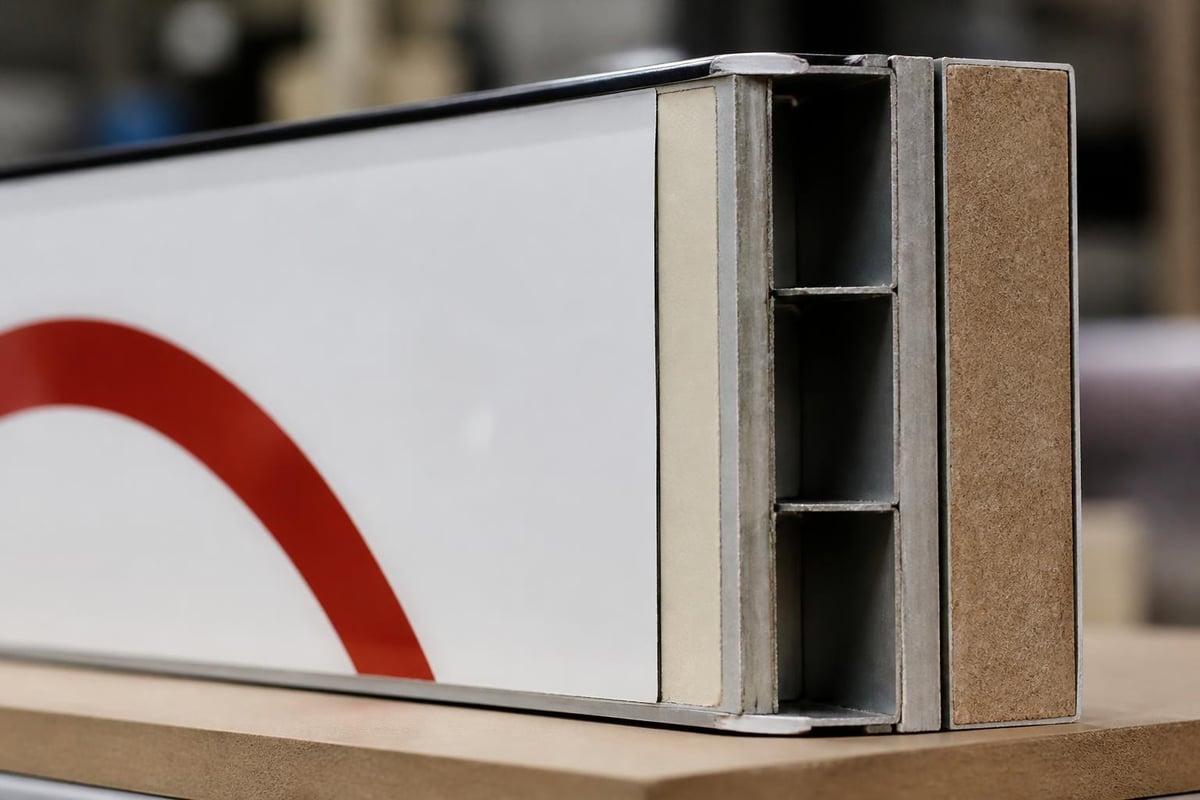
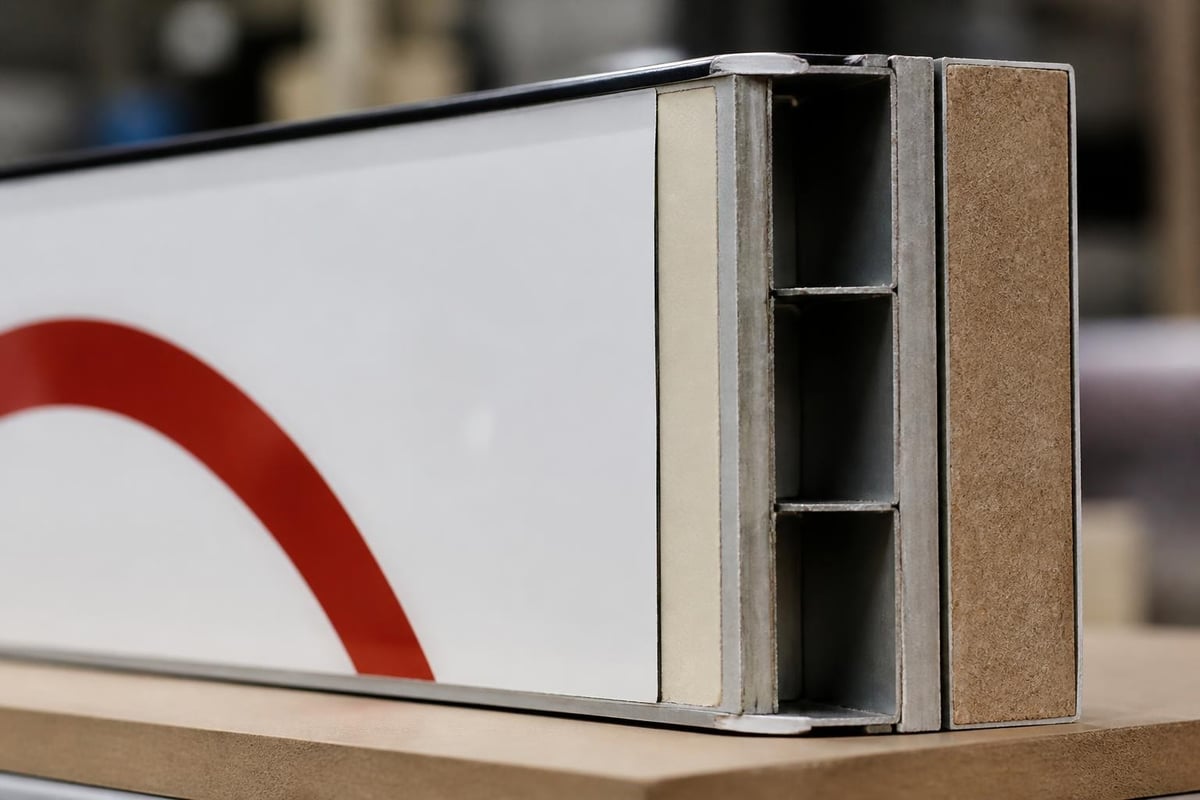
The choice of materials in sign construction directly impacts durability, maintenance requirements, and overall return on investment. Each material offers distinct advantages suited to specific applications and environmental conditions.
Primary substrate materials include:
- Aluminium composite panels offering excellent rigidity and weather resistance
- High-density polyethylene (HDPE) for superior impact resistance
- Acrylic and polycarbonate for illuminated applications
- Stainless steel and aluminium for premium architectural projects
- Marine-grade plywood for traditional construction methods
Environmental factors significantly influence material performance in sign construction projects. Coastal installations require corrosion-resistant materials and protective coatings, whilst inland locations may prioritise UV resistance and thermal expansion properties. The Manual on Uniform Traffic Control Devices provides comprehensive guidance on material standards for traffic and regulatory signage that often inform best practices across the broader sign construction industry.
| Material Type | Typical Lifespan | Primary Advantages | Best Applications |
|---|---|---|---|
| Aluminium Composite | 10-15 years | Lightweight, rigid, weather-resistant | Façade signage, panels |
| HDPE | 15-20 years | Impact-resistant, recyclable | Construction sites, temporary signs |
| Stainless Steel | 20+ years | Premium appearance, corrosion-resistant | Architectural, premium brands |
| Acrylic | 7-10 years | Excellent light transmission | Illuminated signs, retail |
The EPA's sustainable procurement guidelines increasingly influence material choices in sign construction, with recycled-content substrates and eco-friendly manufacturing processes gaining prominence across the industry.
Structural Design and Engineering Principles
Robust sign construction requires engineering calculations that account for wind loads, dead loads, and structural stresses that signage will encounter throughout its service life. This engineering phase often separates professional installations from amateur attempts that fail prematurely.
Load Calculations and Structural Integrity
Wind loading represents the primary structural consideration in sign construction, particularly for large-format installations and elevated signage. Engineers calculate wind forces based on surface area, height, location, and exposure category to determine appropriate structural specifications.
For South African conditions, structural design must account for regional wind zones and potential extreme weather events. Pylon signage particularly demands rigorous engineering analysis due to elevated positions and large surface areas that create substantial wind loads on supporting structures.
Critical structural components include:
- Foundation systems dimensioned for soil conditions and load transfer
- Support columns or posts with appropriate wall thickness and material grades
- Mounting frames engineered for sign face attachment and load distribution
- Fastening systems rated for shear and tensile forces
- Expansion joints accommodating thermal movement
Professional sign construction integrates structural calculations early in the design process, ensuring that aesthetic objectives align with engineering realities. This approach prevents costly redesigns and ensures regulatory compliance with local building codes and safety standards.
Fabrication Methods and Quality Control
The fabrication phase of sign construction transforms engineered designs into physical components through precision manufacturing processes. Modern sign construction facilities employ computer-controlled equipment that ensures consistency and accuracy across production runs.
Advanced Manufacturing Techniques
CNC routing, laser cutting, and digital printing technologies have revolutionised sign construction capabilities, enabling complex geometries and high-resolution graphics that were previously unattainable. These technologies deliver precision measurements critical for proper fit and professional appearance.
Digital fabrication workflows include:
- Vector file preparation optimised for manufacturing equipment
- Material nesting algorithms maximising substrate utilisation
- Automated cutting and routing for dimensional accuracy
- Digital UV printing for weather-resistant graphics
- Powder coating and finishing for protective surface treatments
Quality control procedures throughout the fabrication process ensure that each component meets specification before assembly and installation. Dimensional verification, colour matching, and surface finish inspection represent standard checkpoints in professional sign construction operations.

Research on retroreflective film properties demonstrates the importance of proper application techniques in sign construction, particularly for traffic and safety signage where visibility directly impacts functionality. These studies inform industry best practices around lamination pressures, edge sealing, and surface preparation that extend material performance.
Installation Methodologies and Site Requirements
Proper installation represents the culmination of successful sign construction, requiring experienced technicians who understand structural connections, weather sealing, and electrical integration. Site conditions often present unique challenges that demand adaptive problem-solving and field modifications.
Pre-Installation Planning
Comprehensive site surveys identify potential installation obstacles, utility conflicts, and access limitations that inform installation planning. This preparatory work prevents delays and ensures that installation teams arrive equipped with appropriate tools, equipment, and materials.
Site assessment considerations:
- Underground utility locations verified through municipal records
- Overhead clearances for crane operations or lift equipment
- Ground conditions and substrate stability for foundation work
- Electrical service locations and capacities for illuminated signs
- Municipal permits and inspection requirements
Installation scheduling coordinates with client operations to minimise disruption, particularly for retail environments where business continuity remains paramount throughout the installation process. Evening or weekend installations often provide optimal windows for sign construction projects in active commercial settings.
| Installation Phase | Typical Duration | Key Activities | Critical Success Factors |
|---|---|---|---|
| Foundation Work | 1-3 days | Excavation, concrete placement, curing | Soil conditions, weather |
| Structural Assembly | 1-2 days | Post erection, frame installation | Access, equipment availability |
| Sign Mounting | 0.5-1 day | Face attachment, alignment | Precision, weather conditions |
| Electrical Connection | 0.5-1 day | Wiring, transformer installation, testing | Code compliance, safety |
Regulatory Compliance and Permitting Requirements
Sign construction projects must navigate complex regulatory frameworks that vary by jurisdiction, property type, and signage category. Understanding these requirements early in the project timeline prevents costly redesigns and installation delays.
Municipal and Building Code Requirements
Local authorities regulate sign construction through comprehensive bylaws addressing size, placement, illumination, structural safety, and aesthetic considerations. Understanding South African signage regulations provides essential context for compliant project development across different municipalities.
Professional sign construction providers maintain current knowledge of regulatory requirements and established relationships with municipal planning departments that facilitate efficient permit processing. This expertise proves invaluable when projects require variances or special approvals.
Typical permit requirements include:
- Detailed construction drawings showing dimensions and materials
- Structural engineering calculations and certifications
- Electrical plans for illuminated signage
- Site plans indicating sign locations and setbacks
- Photometric studies for illuminated installations
- Heritage impact assessments for historically sensitive locations
The California DOT sheeting performance study illustrates how regulatory bodies evaluate sign construction materials for compliance with visibility and safety standards, influencing specifications across multiple jurisdictions.

Illumination Systems in Sign Construction
Lighting integration represents a specialised aspect of sign construction that requires electrical expertise alongside traditional fabrication skills. Modern illumination technologies offer diverse options suited to different applications, budgets, and aesthetic objectives.
LED Technology and Energy Efficiency
Light-emitting diode (LED) technology has transformed illuminated sign construction, delivering superior energy efficiency, longevity, and maintenance advantages compared to traditional fluorescent or neon systems. Current LED systems consume 75-80% less energy whilst providing equivalent or superior illumination levels.
LED illumination configurations:
- Edge-lit acrylic panels for even illumination across flat surfaces
- Halo-lit channel letters creating dimensional shadow effects
- Direct-view LED modules for maximum visibility and impact
- RGB colour-changing systems for dynamic messaging capabilities
- Smart controls enabling scheduling and remote management
Professional sign construction integrates electrical systems seamlessly within structural designs, concealing transformers, wiring, and control systems whilst maintaining accessibility for future maintenance. Proper wire management and weatherproofing prove critical for long-term system reliability.
Exploring digital signage solutions reveals how electronic displays represent the evolution of illuminated sign construction, incorporating programmable content, network connectivity, and interactive capabilities that extend beyond traditional static messaging.
Weatherproofing and Environmental Protection
Durability in sign construction depends heavily on effective weatherproofing strategies that protect substrates, graphics, and structural components from moisture intrusion, UV degradation, and thermal cycling. These protective measures determine whether signage delivers its intended lifespan or requires premature replacement.
Sealing and Protective Coatings
Professional sign construction employs multiple weatherproofing layers that work synergistically to exclude moisture and environmental contaminants. Edge sealing, back-panel protection, and graphic lamination each contribute to overall system durability.
Weatherproofing techniques include:
- Silicone sealants for joints and penetrations
- PVC or aluminium edge trim protecting substrate edges
- UV-resistant laminates extending graphic life
- Powder coat finishes on metal components
- Drainage provisions preventing water accumulation
Field studies examining sheeting material performance demonstrate how environmental exposure degrades retroreflective properties over time, emphasising the importance of protective measures and regular maintenance in preserving sign construction investments.
The selection of appropriate fasteners and mounting hardware also impacts weatherproofing effectiveness. Stainless steel fasteners prevent rust staining, whilst proper gasket materials maintain watertight seals under thermal expansion and contraction cycles.
Maintenance Planning and Lifecycle Management
Successful sign construction extends beyond initial installation to encompass ongoing maintenance strategies that preserve appearance and functionality throughout the signage's service life. Proactive maintenance proves far more cost-effective than reactive repairs or premature replacement.
Scheduled Inspection and Cleaning Protocols
Professional maintenance programmes establish regular inspection intervals that identify minor issues before they escalate into major failures. These inspections assess structural integrity, illumination performance, graphic condition, and weatherproofing effectiveness.
| Maintenance Task | Recommended Frequency | Typical Duration | Key Benefits |
|---|---|---|---|
| Visual Inspection | Quarterly | 0.5 hours | Early problem identification |
| Surface Cleaning | Bi-annually | 1-2 hours | Appearance preservation |
| Illumination Testing | Quarterly | 0.5 hours | Consistent visibility |
| Structural Assessment | Annually | 1 hour | Safety assurance |
| Weatherproofing Check | Annually | 1 hour | Prevent moisture damage |
Implementing comprehensive maintenance strategies maximises return on sign construction investments whilst maintaining brand consistency and visibility. Documentation of maintenance activities provides valuable data for lifecycle cost analysis and replacement planning.
Specialised Applications in Sign Construction
Different industry sectors present unique sign construction requirements that demand specialised knowledge and capabilities. Understanding these sector-specific needs ensures that signage solutions align with operational realities and regulatory frameworks.
Healthcare and Pharmaceutical Environments
Pharmaceutical facilities require sign construction approaches that accommodate stringent cleanliness standards, chemical resistance, and frequent regulatory updates. Substrates and finishes must withstand regular cleaning with hospital-grade disinfectants without degradation or discolouration.
Wayfinding systems in healthcare settings demand particular attention to accessibility requirements, incorporating tactile elements, appropriate contrast ratios, and multilingual content that serves diverse patient populations. Sign construction for these applications often integrates modular components enabling cost-effective content updates as departments relocate or expand.
Construction Site Signage Requirements
Temporary sign construction for building sites balances durability against the temporary nature of deployment. HDPE substrates and portable mounting systems provide robust performance whilst enabling relocation and eventual reuse across multiple projects.
Safety signage represents a critical component of construction site sign construction, requiring compliance with occupational health standards and immediate visibility under varying lighting conditions. Retroreflective materials and high-contrast colour schemes ensure legibility for site personnel and public safety.
Cost Factors and Budget Considerations
Understanding the cost structure of sign construction enables informed decision-making and realistic budget allocation. Multiple variables influence final project costs, from material specifications to installation complexity and permitting requirements.
Investment Analysis and Return Calculation
Sign construction represents a capital investment that delivers returns through enhanced visibility, brand recognition, and customer acquisition over extended periods. Proper investment analysis considers total lifecycle costs rather than solely focusing on initial expenditure.
Cost components in sign construction projects:
- Design and engineering services (8-12% of total project)
- Materials and fabrication (40-50% of total project)
- Installation labour and equipment (20-25% of total project)
- Permits and regulatory compliance (3-5% of total project)
- Project management and coordination (5-8% of total project)
Exploring signage investment fundamentals provides context for evaluating proposals and understanding value propositions across different sign construction approaches and provider capabilities.
Value engineering during the design phase identifies opportunities for cost optimisation without compromising essential functionality or brand impact. This collaborative process between clients and sign construction professionals balances budget constraints against performance objectives.
Quality Assurance and Professional Standards
Distinguishing professional sign construction from substandard work requires understanding quality benchmarks and industry standards that define acceptable practice. These standards encompass material specifications, fabrication tolerances, installation methods, and warranty provisions.
Certifications and Industry Credentials
Reputable sign construction providers maintain certifications demonstrating technical competence and commitment to professional standards. These credentials provide clients with confidence in provider capabilities and quality assurance processes.
Professional associations establish best practice guidelines covering all aspects of sign construction, from initial design through ongoing maintenance. Adherence to these standards separates experienced professionals from opportunistic operators lacking essential expertise.
Quality indicators include:
- Detailed project documentation and specifications
- Transparent pricing structures with itemised costs
- Comprehensive warranty coverage on materials and workmanship
- Documented quality control procedures
- Professional liability insurance and safety certifications
Examining what differentiates professional providers reveals the operational characteristics that ensure successful sign construction outcomes and long-term client satisfaction.
Professional sign construction demands expertise across multiple disciplines, from structural engineering and fabrication to regulatory compliance and installation methodologies. By understanding these fundamental principles, organisations can make informed decisions that deliver signage investments providing lasting value and effective brand representation. Signs4SA combines comprehensive sign construction capabilities with a national footprint and industry-specific expertise, ensuring your signage project receives the professional attention and technical proficiency it deserves from initial concept through long-term performance.