


Online Signage Maker: Design Professional Signs Digitally
The digital transformation of the signage industry has fundamentally changed how businesses approach their visual communication needs. An online signage maker represents more than just a design tool; it's a complete workflow solution that bridges the gap between creative vision and physical production. Whether you're a marketing manager preparing brand assets for a retail rollout or a facilities coordinator ordering wayfinding signs, these platforms empower users to create, customize, and approve professional signage without specialized design software or extensive technical knowledge. For businesses across South Africa and globally, understanding the capabilities and limitations of these tools has become essential for maintaining brand consistency whilst controlling costs and timelines.
The Evolution of Digital Signage Design Tools
Traditional signage design required specialized software, professional designers, and lengthy back-and-forth approval cycles. The emergence of online signage maker platforms has democratized this process, enabling teams to collaborate in real-time from anywhere with an internet connection.
Modern cloud-based design tools have incorporated sophisticated features previously available only in desktop applications. Users can now access extensive template libraries, manage brand assets centrally, and generate production-ready files that meet industry specifications. This shift has reduced design turnaround times from weeks to hours in many cases.
Key technological advances driving this transformation include:
- Real-time collaboration features allowing multiple stakeholders to review and comment simultaneously
- Cloud storage integration ensuring version control and asset accessibility
- Automated compliance checking for regulations and manufacturing specifications
- Mobile responsiveness enabling design reviews and approvals on smartphones and tablets
- API integrations connecting design workflows to procurement and project management systems
The professional signage sector has particularly benefited from these developments. Custom signage solutions now incorporate design phases that leverage online tools to accelerate client approvals whilst maintaining manufacturing precision.

Balancing Automation with Professional Expertise
Whilst an online signage maker provides remarkable capabilities for standard projects, complex installations still benefit from professional guidance. Pharmaceutical facilities requiring compliance with specific regulatory standards, for instance, need expertise that goes beyond template customization.
The most effective approach combines self-service tools for routine signage with professional support for specialized applications. This hybrid model reduces costs for high-volume, standardized needs whilst ensuring critical installations receive appropriate technical attention.
Essential Features of Effective Online Signage Platforms
Not all online signage maker solutions offer equivalent functionality. Businesses evaluating these platforms should assess capabilities across several critical dimensions to ensure the tool matches their specific requirements.
Template Libraries and Customization Depth
Comprehensive template collections accelerate project initiation, but customization flexibility determines whether the platform can accommodate brand-specific requirements. Look for systems offering:
- Industry-specific template categories organized by sector and application (retail point-of-purchase, construction safety, corporate wayfinding, pharmaceutical compliance)
- Fully editable layouts allowing modification of every design element rather than just text substitution
- Custom template creation enabling organizations to build their own branded starting points
- Dimension flexibility supporting both standard and bespoke sizes for different manufacturing processes
Research from the Society for Experiential Graphic Design emphasizes that effective signage design requires understanding human perception, viewing distances, and environmental context-factors that generic templates may not adequately address.
| Feature Category | Basic Platforms | Professional Platforms | Enterprise Solutions |
|---|---|---|---|
| Template Count | 50-200 | 500-2,000 | 5,000+ with custom library |
| Brand Asset Management | Manual upload | Centralized library | DAM integration |
| Compliance Checking | None | Basic dimensions | Full regulatory validation |
| Collaboration Tools | Email sharing | In-app comments | Workflow automation |
| Output Formats | PDF only | PDF, EPS, SVG | All formats plus direct manufacturing integration |
Color Management and Consistency
Maintaining accurate color representation across digital displays, proof prints, and final manufactured signage presents significant technical challenges. Professional online signage maker platforms incorporate color management systems that address this complexity.
The International Color Consortium establishes standards for color profiles that ensure consistency across devices and output methods. When evaluating platforms, verify support for:
- ICC profile embedding in exported files to maintain color accuracy through production
- Pantone and RAL color libraries for precise brand color specification
- Preview modes simulating how colors appear under different lighting conditions
- Material-specific color adjustments accounting for substrate properties
Understanding ICC profile specifications becomes particularly important when signage must match existing brand installations or integrate with broader environmental graphics schemes. The technical documentation provides detailed guidance on embedding and utilizing these profiles effectively.
Businesses concerned with signage design trends should note that color accuracy has become increasingly critical as brands expand across multiple channels and touchpoints.
Workflow Integration and Collaboration Capabilities
An online signage maker delivers maximum value when it integrates seamlessly into existing business processes rather than creating isolated design activities. Modern platforms offer connectivity that transforms signage from a standalone project into part of larger operational workflows.
Multi-Stakeholder Approval Processes
Corporate signage projects typically involve input from brand managers, facility teams, compliance officers, and external agencies. Effective platforms structure this collaboration through:
- Role-based permissions controlling who can edit, comment, or approve at each stage
- Automated routing sending designs to appropriate reviewers based on project type
- Audit trails documenting all changes and decisions for compliance records
- Conditional approval workflows requiring sign-off from specific departments before production

These features prove particularly valuable for organizations with distributed operations. A retail chain rolling out new store signage across multiple locations can maintain brand consistency whilst accommodating regional variations and local regulatory requirements.
Project Management and Procurement Connections
Leading online signage maker platforms extend beyond design to connect with downstream processes. Integration capabilities worth evaluating include:
- Automatic quotation generation based on design specifications and material selections
- Direct ordering workflows transmitting approved files to manufacturing partners
- Project tracking dashboards showing status across multiple concurrent initiatives
- Inventory management for organizations maintaining sign component stock
For businesses tracking signage investment across portfolios of properties or facilities, these integrations provide visibility into spending patterns and enable data-driven decisions about standardization and volume purchasing.
Accessibility and Regulatory Compliance Features
Professional signage must meet numerous legal and accessibility requirements. An online signage maker equipped with compliance verification capabilities reduces risk whilst accelerating approvals.
Building Accessibility into Design Tools
The 2010 ADA Standards for Accessible Design establish specific requirements for tactile characters, visual contrast, mounting heights, and other signage characteristics. Platforms serving commercial clients should incorporate automated checking against these standards.
Compliance automation should address:
- Character height calculations based on viewing distance
- Contrast ratio verification between text and backgrounds
- Tactile element placement and dimensions
- International Symbol of Accessibility usage requirements
- Grade 2 Braille translation and positioning
Beyond legal minimums, the U.S. Access Board research on variable-message sign legibility provides evidence-based guidance on color combinations, letter sizing, and spacing that enhance readability for all users. Progressive online signage maker platforms incorporate these research findings into their template defaults.
South African businesses must also consider local safety signage compliance requirements, particularly in construction and pharmaceutical environments where regulatory standards directly impact workplace safety.
Industry-Specific Regulatory Requirements
Different sectors face unique signage regulations:
| Industry | Key Regulatory Areas | Compliance Verification Needs |
|---|---|---|
| Pharmaceutical | FDA, GMP, HACCP labeling | Color coding, material compatibility, cleanroom approval |
| Construction | OSHA, SANS standards | Reflectivity, durability ratings, hazard warnings |
| Retail | Fire safety, accessibility | Exit signage, queue management, multilingual requirements |
| Corporate | Building codes, municipal permits | Dimensional restrictions, illumination limits, heritage considerations |
An online signage maker serving multiple industries should offer preset configurations addressing these varied requirements. Organizations can then select the appropriate regulatory framework at project initiation, ensuring designs meet necessary standards before approval cycles begin.
Material Selection and Manufacturing Preparation
The gap between digital design and physical production represents a critical juncture where many projects encounter delays or quality issues. Professional online signage maker platforms bridge this divide through sophisticated material libraries and manufacturing specifications.
Digital Material Libraries
Effective platforms catalog available substrates with properties beyond visual appearance. Comprehensive material databases should include:
- Durability ratings for indoor versus outdoor applications
- Weather resistance specifications including UV stability and temperature ranges
- Fire safety classifications required for building code compliance
- Mounting compatibility indicating appropriate installation methods
- Lead times and minimum quantities for procurement planning
When designing outdoor signage, material selection directly impacts longevity and maintenance requirements. Digital tools that educate users about these implications during the design phase prevent costly specification errors.
For projects involving Digital Signage, the platform should distinguish between static and electronic display requirements, offering appropriate templates and specifications for each application type.
Production File Generation
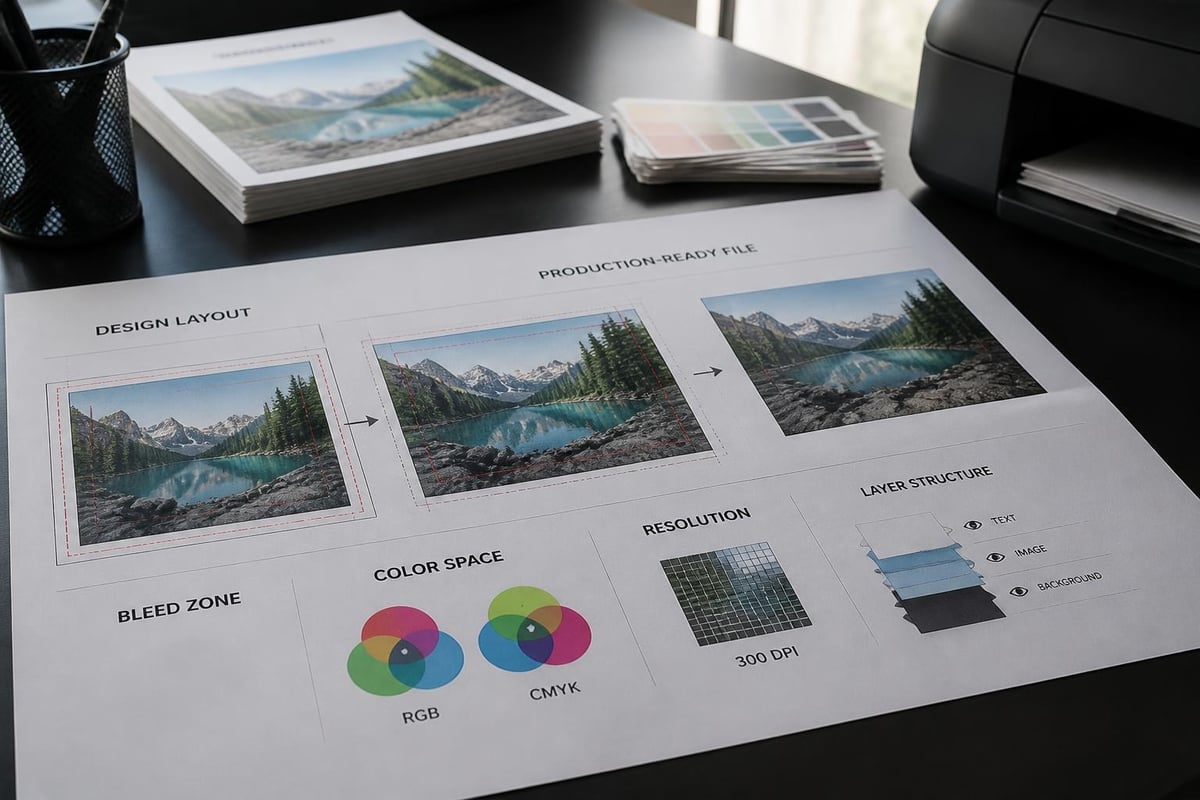
The final output from an online signage maker must meet manufacturing specifications for:
- Resolution and scaling ensuring artwork clarity at full production size
- Bleed and trim marks guiding accurate cutting and finishing
- Layer organization separating design elements for different production processes
- Color space conversion from RGB screen preview to CMYK or spot color printing
- Font handling through outlining or embedding to prevent substitution errors
Professional manufacturers often provide specific technical requirements for file submission. The most sophisticated online signage maker platforms store these specifications by vendor, automatically formatting exports to match each supplier's needs.
Security and Brand Asset Protection
Organizations investing in comprehensive brand guidelines and proprietary visual assets require robust security measures within their online signage maker platform. Data protection extends beyond preventing unauthorized access to ensuring intellectual property remains confidential throughout the design and production process.
Access Control and Data Governance
Enterprise-grade platforms implement multi-layered security:
- Single sign-on (SSO) integration with existing identity management systems
- Granular permission structures controlling access to specific templates, brand assets, and project folders
- Geographic data residency options for organizations with regulatory requirements about information storage
- Encryption for data in transit and at rest
- Regular security audits and compliance certifications (SOC 2, ISO 27001)
The intersection of signage design with connected digital displays introduces additional security considerations. Research from NIST on IoT cybersecurity standardization highlights vulnerabilities in networked devices, including digital signage endpoints. Organizations deploying connected signage should ensure their design platform addresses these risks through secure content delivery and device authentication.
Intellectual Property and Version Control
Brand assets represent significant investment in creative development and market positioning. An online signage maker handling these resources should provide:
- Version tracking documenting all modifications with timestamps and user attribution
- Rollback capabilities enabling restoration of previous design iterations
- Asset usage monitoring showing where and when brand elements appear across projects
- Watermarking options for work-in-progress shares preventing unauthorized reproduction
- License management for fonts and stock imagery ensuring legal compliance
These capabilities prove particularly valuable for organizations managing industry-specific signage solutions where designs may require periodic updates to reflect regulatory changes whilst maintaining historical records.
Cost Considerations and ROI Analysis
Implementing an online signage maker involves both direct platform costs and indirect impacts on design efficiency, brand consistency, and production expenses. A thorough financial analysis should examine multiple value drivers.
Platform Pricing Models
| Pricing Structure | Typical Use Cases | Advantages | Considerations |
|---|---|---|---|
| Per-user subscription | Small teams, predictable headcount | Simple budgeting, all features included | Costs scale with team size |
| Project-based licensing | Seasonal campaigns, occasional use | Pay only when needed | Higher per-project cost |
| Enterprise agreements | Large organizations, multiple departments | Volume discounts, dedicated support | Long-term commitment required |
| Freemium with premium upgrades | Testing, basic needs | No initial investment | Limited functionality, export restrictions |
Beyond platform fees, consider indirect costs including training time, integration development, and potential consulting support for complex implementations.
Value Realization Through Efficiency Gains
Organizations typically achieve returns through several mechanisms:
- Reduced design agency fees for routine signage projects
- Faster approval cycles enabled by collaborative review tools
- Lower error rates through automated compliance checking
- Decreased project management overhead via integrated workflows
- Improved brand consistency preventing costly corrections and reproductions
For businesses exploring affordable signage solutions, an online signage maker can democratize access to professional design capabilities whilst maintaining quality standards.
Calculating ROI requires baseline metrics on current design processes, including average project duration, revision cycles, and production error rates. Comparing these figures against platform-enabled performance reveals actual value delivered.
Training and Change Management
Successfully deploying an online signage maker extends beyond software selection to encompass organizational adoption. The most capable platform delivers limited value if users lack skills or motivation to utilize its features effectively.
Structured Onboarding Programmes
Effective training addresses multiple user personas with different needs:
- Brand managers focusing on template creation, asset organization, and approval workflows
- Marketing coordinators emphasizing project initiation, customization, and collaboration
- Procurement specialists concentrating on specifications, vendor integration, and order placement
- Executive stakeholders understanding reporting, analytics, and strategic capabilities
Role-based training ensures users learn relevant functionality without overwhelming detail about features they won't utilize.
Ongoing Support and Capability Development
Platform vendors should provide:
- Documentation libraries with searchable articles, video tutorials, and troubleshooting guides
- Responsive help desk accessible through multiple channels (chat, email, phone)
- Regular webinars introducing new features and advanced techniques
- User community forums enabling peer-to-peer knowledge sharing
- Account management for enterprise clients requiring strategic guidance
Organizations building internal expertise often designate "super users" who become platform experts, providing frontline support and identifying opportunities for expanded usage.
Future Developments in Online Signage Technology
The online signage maker category continues evolving rapidly as new technologies enable capabilities previously unattainable. Forward-looking organizations should monitor several development trajectories when planning long-term platform investments.
Artificial Intelligence and Automation
Machine learning applications emerging in design platforms include:
- Intelligent layout generation from basic content inputs
- Brand compliance scoring automatically flagging guideline violations
- Predictive text sizing optimizing legibility based on viewing distance and environment
- Image enhancement improving photo quality for large-format reproduction
- Automated accessibility remediation suggesting contrast and sizing improvements
These capabilities promise to further reduce the expertise required for professional results, expanding the range of projects suitable for self-service creation.
Augmented Reality Preview
Advanced platforms now incorporate AR visualization allowing users to see proposed signage in actual installation locations through smartphone or tablet cameras. This technology:
- Validates scale and proportions before production
- Tests color appearance under actual lighting conditions
- Identifies potential obstructions or sightline issues
- Facilitates stakeholder buy-in through realistic previews
- Reduces costly production errors from miscommunication
For pylon signage and other large-scale installations, AR preview capabilities provide particular value given the investment levels and installation complexity involved.
Environmental Impact Measurement
Sustainability considerations increasingly influence signage decisions. Emerging online signage maker platforms calculate environmental footprints based on material selections, shipping distances, and manufacturing processes. These analytics enable:
- Carbon footprint reporting for corporate sustainability goals
- Material alternative suggestions offering lower environmental impact options
- Lifecycle cost analysis including disposal and replacement considerations
- Certification documentation for LEED and similar green building programmes
Organizations committed to environmental responsibility can leverage these tools to align signage projects with broader sustainability initiatives.
Integration with Physical Installation Planning
Whilst an online signage maker primarily addresses design and specification, leading platforms extend into installation coordination. This holistic approach recognizes that design decisions impact physical implementation, and vice versa.
Site Assessment Documentation
Advanced platforms enable field teams to capture installation environment details through mobile apps, including:
- Photographs with dimensional overlays showing available space and mounting surfaces
- Material compatibility notes regarding wall types, electrical access, and structural support
- Lighting condition measurements informing design decisions about illumination and contrast
- Regulatory constraint documentation capturing local permit requirements
This information flows directly into the design environment, ensuring proposals account for real-world conditions. Research on digital wayfinding and directional typography from SEGD demonstrates how environmental factors significantly influence optimal design choices, reinforcing the value of integrated site data.
Businesses focused on professional signage installation recognize that coordinating design and implementation phases prevents costly modifications and delays.
Installation Documentation Generation
Once designs receive approval, the platform should automatically produce:
- Detailed installation drawings with measurements and mounting specifications
- Bill of materials listing all components and hardware
- Step-by-step installation sequences for complex multi-component assemblies
- Safety requirements and equipment needs
- Quality assurance checklists for post-installation verification
These outputs ensure consistency between design intent and physical implementation, particularly valuable when installation occurs across multiple locations or through various contractors.
An online signage maker fundamentally transforms how organizations approach visual communication, enabling faster project completion, improved brand consistency, and broader participation in design processes. By carefully evaluating platform capabilities against specific business requirements, companies can identify solutions that deliver measurable value whilst maintaining the quality standards their brands demand. Whether you're managing a single location or coordinating signage across a national footprint, Signs4SA combines professional manufacturing expertise with collaborative design approaches to deliver comprehensive signage solutions tailored to your industry's unique requirements.