




Neon Signage: A Complete Guide for Modern Businesses
Neon signage has captivated audiences for over a century, transforming urban landscapes and business frontages with its distinctive luminous glow. From the iconic advertising displays of the 1920s to today's sophisticated installations, this remarkable technology continues to shape how businesses communicate their brand identity. Understanding the technical foundations, design considerations, and practical applications of neon signage enables organisations to make informed decisions about incorporating this eye-catching medium into their marketing strategy. Whether you're considering traditional glass-tube construction or exploring modern LED alternatives, this comprehensive guide explores everything you need to know about neon signage for contemporary commercial applications.
The Science Behind Neon Signage
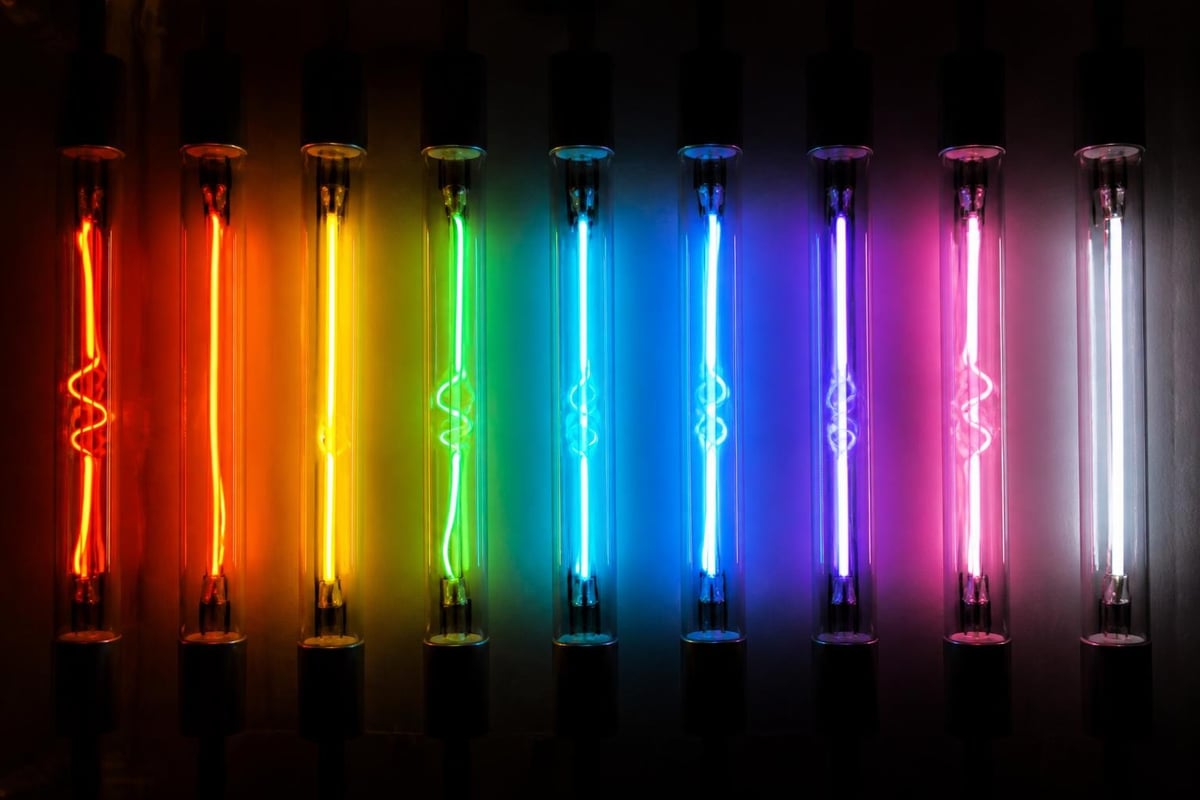
Neon signage operates on fundamental principles of gas discharge physics that have remained largely unchanged since Georges Claude first demonstrated the technology in 1910. When electrical current passes through sealed glass tubes containing noble gases, electrons excite the gas atoms, causing them to emit light at specific wavelengths. Pure neon produces the characteristic red-orange glow that most people associate with neon signs, whilst other noble gases and phosphor coatings create the full spectrum of colours available today.
The construction process requires exceptional craftsmanship and precision. Skilled artisans heat borosilicate glass tubes over specialized burners, carefully bending them to match design templates without compromising the tube's integrity. This manual process makes each installation genuinely bespoke, allowing for intricate letterforms, logos, and decorative elements impossible to replicate with other signage technologies.
Gas Selection and Colour Production
Different gases and coatings produce distinct colours:
- Neon gas: Creates red and orange hues
- Argon with mercury: Produces blue light
- Argon with phosphor coatings: Generates greens, whites, yellows, and pinks
- Helium: Delivers gold and pink tones
- Krypton: Creates pale violet shades
The voltage requirements vary depending on tube length, diameter, and gas composition, typically ranging from 2,000 to 15,000 volts. Modern transformers incorporate safety features and efficient power management, reducing energy consumption whilst maintaining consistent brightness throughout the sign's operational life.
Design Considerations for Commercial Applications
Effective neon signage balances aesthetic appeal with practical functionality, requiring careful attention to typography, colour selection, and spatial relationships. The design industry recognises neon's unique contribution to vernacular signage and typographic practice, particularly in creating memorable brand experiences.
Typography choices significantly impact readability and visual impact. Script fonts translate beautifully into neon, with the continuous tube construction creating flowing, elegant letterforms. However, complex serifs or thin strokes may prove challenging to manufacture and maintain adequate visibility. Sans-serif typefaces offer excellent legibility whilst accommodating tight bending radii required for smaller installations.
Colour Psychology and Brand Alignment
Colour selection extends beyond aesthetic preference, directly influencing customer perception and emotional response. Understanding colour psychology in signage design helps businesses align their neon installations with broader brand strategy:
| Colour | Psychological Impact | Ideal Applications |
|---|---|---|
| Red | Urgency, excitement, appetite | Restaurants, retail, entertainment |
| Blue | Trust, professionalism, calm | Corporate, medical, financial services |
| Green | Growth, health, relaxation | Wellness, organic, environmental brands |
| Yellow | Optimism, warmth, attention | Hospitality, children's brands, cafes |
| Purple | Luxury, creativity, sophistication | Premium retail, beauty, art venues |
Contrast ratios between neon elements and background surfaces determine visibility under varying lighting conditions. White or light-coloured walls enhance neon brightness through reflection, whilst dark backgrounds create dramatic contrast but may require higher wattage for equivalent visual impact.
Installation Requirements and Regulatory Compliance
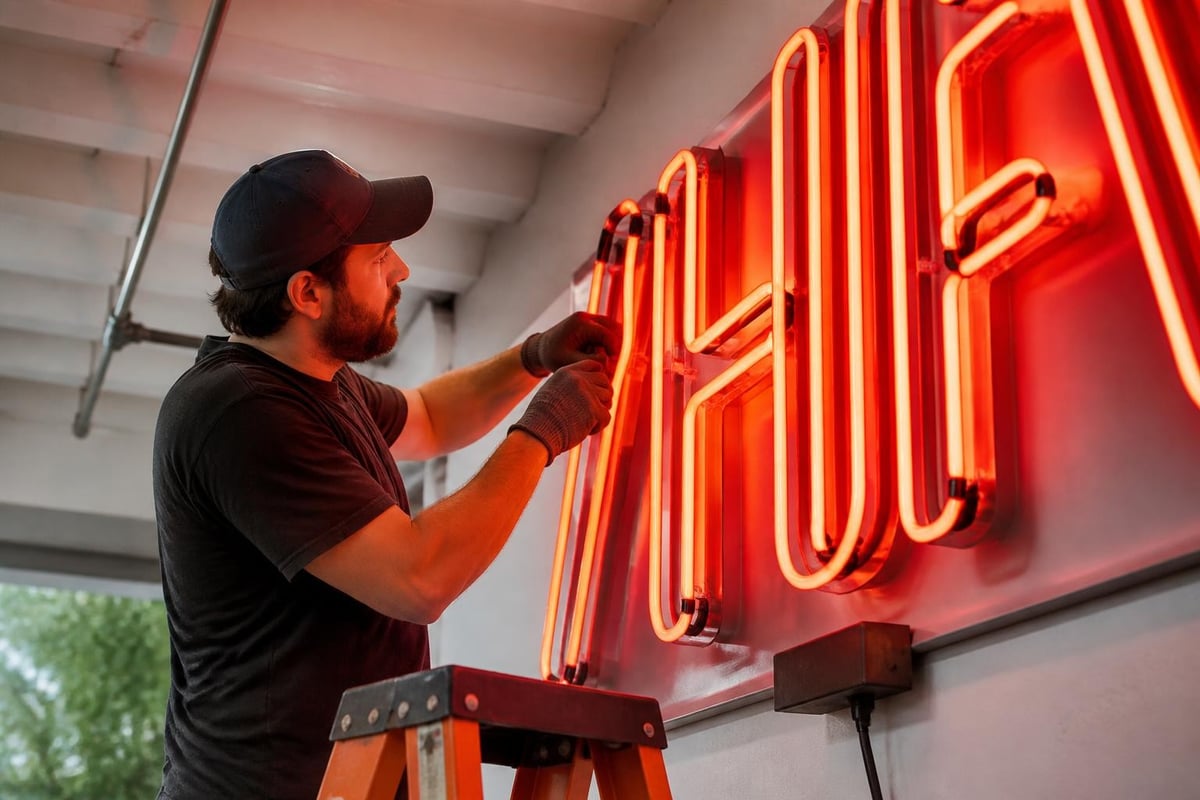
Professional installation ensures safety, longevity, and regulatory compliance. Electrical codes governing neon installations, particularly Article 600 of the National Electrical Code, establish minimum standards for wiring, grounding, transformer mounting, and protection mechanisms.
Structural considerations include adequate mounting support for the sign's weight, weather protection for outdoor installations, and accessibility for maintenance procedures. Installation locations must account for viewing distances, sight lines, and potential obstructions that might diminish effectiveness.
Critical Installation Steps
- Site assessment: Evaluate structural capacity, electrical infrastructure, and environmental factors
- Transformer positioning: Mount transformers in accessible, weatherproof enclosures with proper ventilation
- Tube mounting: Secure glass tubes using appropriate standoffs or backing materials
- Electrical connections: Complete high-voltage wiring following code requirements with proper insulation
- Testing and commissioning: Verify all circuits, check for gas leaks, and confirm consistent illumination
- Documentation: Provide maintenance schedules and emergency shutdown procedures
For businesses exploring comprehensive signage solutions across multiple industries, understanding how neon installations integrate with broader signage strategies helps create cohesive brand experiences across different touchpoints.
Maintenance and Longevity Strategies
Well-maintained neon signage delivers 10 to 15 years of reliable service, with some installations continuing to function for several decades. Implementing systematic maintenance protocols protects your investment whilst ensuring consistent visual impact.
Regular inspection schedules identify potential issues before they escalate into costly repairs or safety hazards. Monthly visual checks should document tube brightness, colour consistency, flickering, or darkened sections that indicate gas depletion or electrode deterioration. Quarterly inspections examine transformer performance, electrical connections, and mounting hardware integrity.
Common Maintenance Tasks
- Cleaning: Remove dust, debris, and environmental contaminants using soft cloths and appropriate cleaning solutions
- Tube replacement: Replace failed sections promptly to prevent voltage imbalances affecting remaining tubes
- Transformer servicing: Test output voltage, check for unusual noise or heat, and verify safety cutouts function correctly
- Weather seal inspection: Examine gaskets, conduit seals, and junction boxes for moisture intrusion
- Mounting verification: Tighten hardware and confirm structural attachments remain secure
Environmental factors significantly influence maintenance requirements. Coastal installations face accelerated deterioration from salt exposure, whilst industrial areas contend with corrosive particulates. Urban environments present vandalism risks requiring protective barriers or elevated mounting positions.
Modern Alternatives and Hybrid Solutions
Technological advancement has introduced LED neon alternatives that replicate traditional neon aesthetics whilst offering distinct operational advantages. These flexible LED systems use silicone or PVC tubing embedded with close-spaced diodes, creating continuous illumination that mimics gas-discharge characteristics.
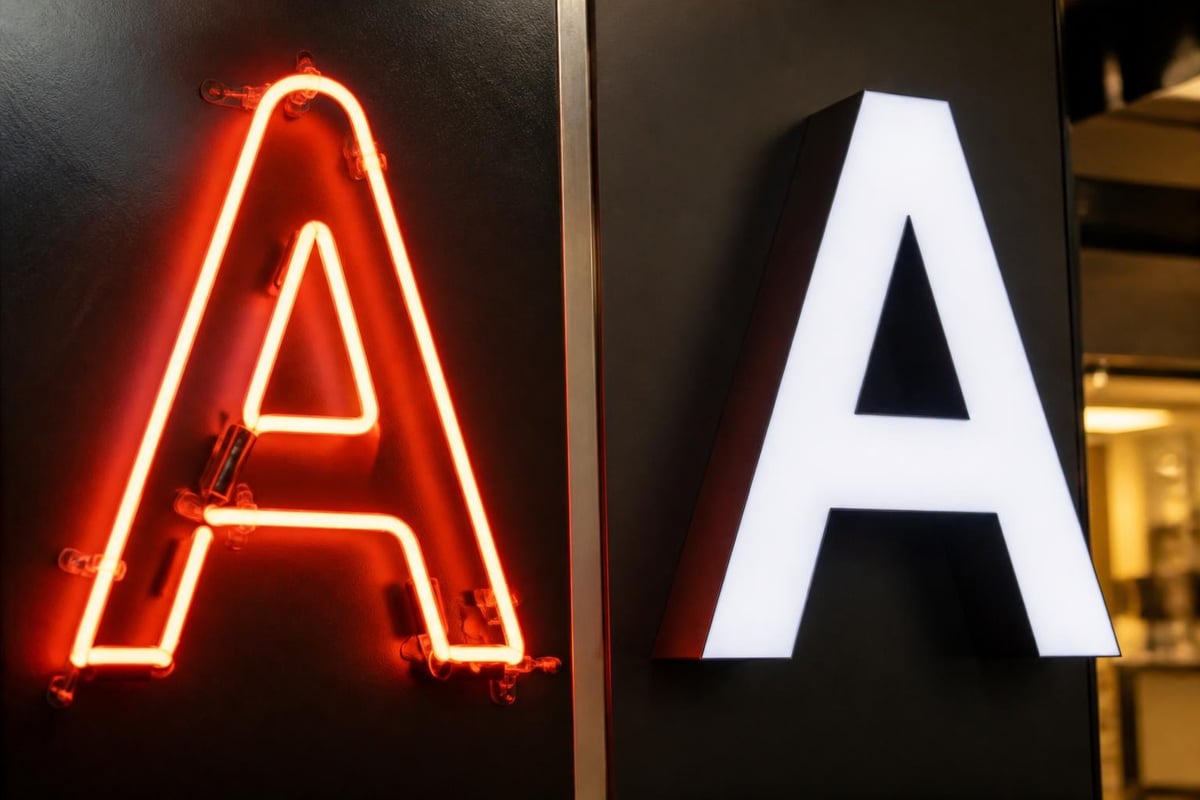
Comparing traditional neon against LED alternatives reveals trade-offs between authenticity, energy efficiency, and maintenance requirements:
| Feature | Traditional Neon | LED Neon Alternative |
|---|---|---|
| Energy consumption | Moderate to high | Very low (80-90% reduction) |
| Lifespan | 10-15 years | 50,000+ hours (15-20 years) |
| Colour accuracy | Excellent | Good to excellent |
| Bending radius | Limited by glass | Highly flexible |
| Weather resistance | Moderate (sealed systems) | Excellent |
| Initial cost | Higher | Lower to moderate |
| Repair complexity | Requires specialist | Simplified replacement |
For businesses prioritising energy efficiency and exploring LED signage benefits, modern alternatives deliver compelling advantages. However, heritage applications, luxury brands, and artistic installations often favour traditional neon for its authentic character and unique light quality. Digital signage offers yet another contemporary option, with programmable content and dynamic displays that complement static neon installations in comprehensive signage strategies.
Environmental and Safety Considerations
Responsible neon signage implementation addresses environmental impact throughout the installation's lifecycle. Modern transformers incorporate power-factor correction and efficient voltage conversion, reducing operational energy consumption compared to legacy systems. When specifying new installations, selecting ENERGY STAR-rated components and appropriate sizing prevents unnecessary energy waste.
End-of-life management requires careful attention to material composition and disposal regulations. Glass tubes themselves pose minimal environmental risk, but mercury-containing components demand specialised recycling procedures. The EPA provides guidance on managing mercury-containing lamps and related gas-discharge components, establishing best practices for commercial sign operators.
Safety protocols protect installation teams, maintenance personnel, and the public from high-voltage hazards. De-energising systems before servicing, using appropriate personal protective equipment, and maintaining clearance from combustible materials represent fundamental safety requirements. Emergency shutdown procedures and clearly marked disconnect switches enable rapid response to electrical faults or physical damage.
Preservation and Cultural Significance
Beyond commercial applications, neon signage represents significant cultural heritage worthy of preservation and study. The Neon Museum in Las Vegas leads international efforts to document, restore, and interpret historic neon installations, demonstrating how signage reflects social history, commercial development, and artistic expression.
Conservation challenges facing historic neon differ substantially from standard maintenance procedures. The Getty Conservation Institute's recent research develops guidelines addressing deterioration mechanisms, restoration ethics, and documentation standards for museum collections and in-situ preservation projects.
Community-led preservation initiatives demonstrate public appreciation for neon's architectural and cultural value. The National Park Service supports Route 66 corridor neon preservation through grants and technical assistance, helping communities maintain these distinctive landmarks. Documentary projects recording restoration practices provide valuable case studies for similar preservation efforts worldwide.
Strategic Application in Contemporary Branding
Modern businesses integrate neon signage strategically within multi-channel brand experiences, leveraging its nostalgic appeal and Instagram-worthy aesthetics to engage digitally-connected audiences. Hospitality venues, retail flagships, and experiential marketing installations particularly benefit from neon's ability to create shareable moments that extend brand reach beyond physical locations.
The resurgence of neon in contemporary interior design and branding reflects broader trends towards authenticity, craftsmanship, and memorable sensory experiences. Custom neon installations communicate brand personality whilst differentiating businesses in competitive markets. For organisations evaluating custom signage solutions, understanding how neon contributes to overall brand strategy informs investment decisions.
Location-specific considerations influence neon effectiveness:
- Retail environments: Window displays and interior accents create focal points and enhance product presentation
- Hospitality venues: Atmospheric lighting establishes ambience whilst reinforcing brand identity
- Corporate spaces: Reception areas and collaborative zones benefit from distinctive neon installations
- Event activations: Temporary installations generate social media engagement and memorable brand interactions
Integration with digital marketing amplifies neon signage impact. Encouraging customer photography, creating dedicated hashtags, and featuring installations in content marketing extends reach far beyond the physical sign's immediate visibility. This synergy between physical and digital channels maximises return on signage investment whilst building engaged brand communities.
Cost Analysis and Investment Planning
Understanding total cost of ownership informs realistic budget planning and vendor selection. Initial investment encompasses design fees, fabrication costs, installation labour, electrical infrastructure upgrades, and permitting expenses. Ongoing operational costs include electricity consumption, scheduled maintenance, replacement parts, and occasional repairs.
Comparing signage investment across different technologies reveals that whilst neon presents higher upfront costs than some alternatives, its distinctive appeal and longevity can deliver superior brand value for appropriate applications. Detailed cost analysis should examine:
Initial Investment Components:
- Custom design and engineering
- Materials and fabrication
- Transformer and electrical components
- Installation labour and equipment
- Permits and inspection fees
- Warranty coverage
Operational Expenses:
- Monthly electricity consumption
- Annual maintenance contracts
- Replacement tube inventory
- Cleaning and minor repairs
- Insurance considerations
Return on investment extends beyond simple financial metrics, encompassing brand recognition, customer attraction, and competitive differentiation. For businesses evaluating affordable signage options in South Africa, balancing initial investment against long-term brand impact guides appropriate technology selection.
Regional Considerations for South African Businesses
South African businesses implementing neon signage navigate unique environmental, regulatory, and market conditions. The country's diverse climate zones present varying challenges, from coastal humidity affecting electrical components to interior regions' extreme temperature fluctuations stressing glass tubes and mounting hardware.
Load shedding and electrical infrastructure reliability necessitate backup power planning for critical installations where continuous operation supports business objectives. Uninterruptible power supplies or generator integration maintains neon visibility during outages, protecting brand presence and wayfinding functionality.
Local fabrication capabilities and artisan availability influence project timelines and maintenance accessibility. Whilst major metropolitan areas offer comprehensive neon services, businesses in smaller centres may face extended lead times for custom work or specialised repairs. Establishing relationships with experienced providers ensures responsive support throughout the installation's operational life.
Security considerations in certain areas may require protective measures beyond standard installations. Vandal-resistant mounting, security lighting integration, and rapid repair protocols protect signage investments whilst maintaining consistent brand presentation. Understanding professional installation importance becomes particularly relevant when navigating these regional challenges.
Neon signage continues to offer businesses distinctive visual impact that combines nostalgic charm with contemporary relevance, creating memorable brand experiences that resonate across generations. By understanding technical requirements, maintenance protocols, and strategic applications, organisations can leverage this remarkable technology effectively within their broader marketing initiatives. Whether you're considering traditional gas-discharge neon, exploring modern LED alternatives, or planning a comprehensive signage strategy, Signs4SA delivers the expertise, craftsmanship, and national support infrastructure to bring your vision to life across South Africa's diverse commercial landscape.