

Signs for Shops: Complete Guide to Retail Signage
Creating an effective retail presence requires more than simply opening your doors to customers. The visual identity you establish through professional signage determines whether potential customers notice your business, understand what you offer, and feel compelled to enter. Effective signs for shops serve multiple purposes: they attract attention, communicate brand identity, guide customer behaviour, and ultimately drive sales. Whether you're launching a new retail space or refreshing an established storefront, understanding the strategic role of signage in your commercial success is fundamental to maximising your return on investment.
Understanding the Strategic Role of Shop Signage
Retail signage functions as your business's silent salesperson, working around the clock to communicate your brand message and draw customers through your doors. Research consistently demonstrates that effective signage directly impacts foot traffic, with well-designed shop signs increasing customer visits by up to 30% in competitive retail environments.
The psychology behind effective signs for shops extends beyond mere visibility. Your signage creates critical first impressions, establishes brand credibility, and sets customer expectations before they've even crossed your threshold. When customers can quickly identify your business type, understand your offerings, and navigate your space confidently, they're significantly more likely to make purchases and return for future visits.
Primary Functions of Retail Signage
Brand Identity Communication forms the foundation of your signage strategy. Your shop signs should consistently reflect your brand colours, typography, and visual style across all touchpoints. This consistency builds recognition and trust, particularly important in high-traffic retail areas where customers make split-second decisions about where to shop.
Customer Navigation and Wayfinding becomes increasingly important as your retail space expands. Clear directional signage reduces customer frustration, improves the shopping experience, and can strategically guide traffic towards high-margin products or promotional areas. Studies examining environmental design impacts on wayfinding demonstrate that inclusive signage design benefits all customers whilst being essential for those with sensory impairments.
Promotional Messaging and Sales Activation represents perhaps the most dynamic aspect of shop signage. Window displays, promotional banners, and point-of-sale signs create urgency, highlight special offers, and communicate value propositions that convert browsers into buyers.

Types of Essential Signs for Shops
Building a comprehensive signage system requires understanding the distinct roles different sign types play in your retail environment. Each category serves specific functions whilst contributing to your overall brand experience.
External Identification Signage
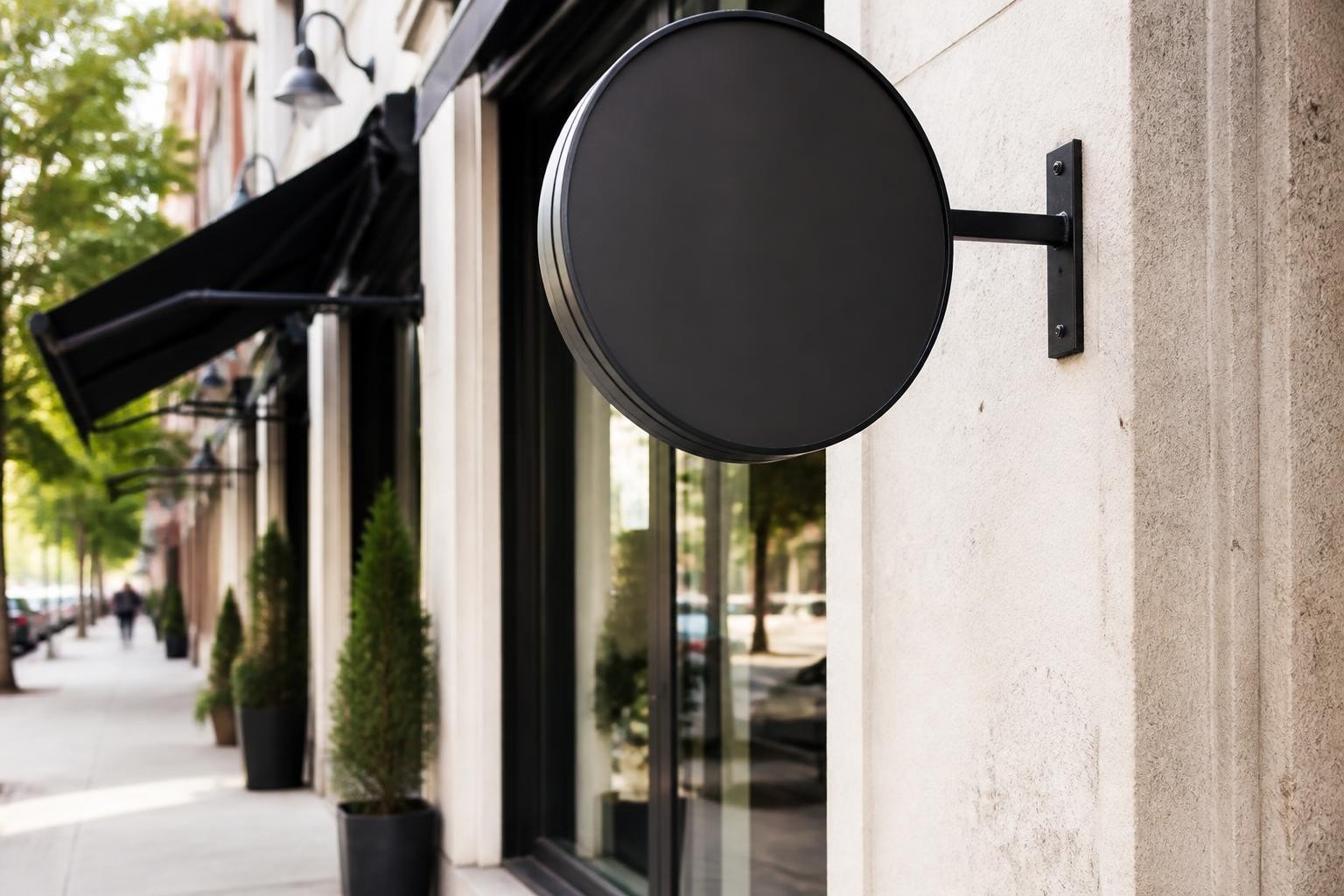
Your primary fascia sign represents your most important signage investment. Mounted above or adjacent to your entrance, this sign must be visible from maximum distances whilst complying with local regulations. Materials range from illuminated lightboxes and individual illuminated letters to more traditional painted or vinyl-applied signs, each offering distinct advantages depending on your location, budget, and brand positioning.
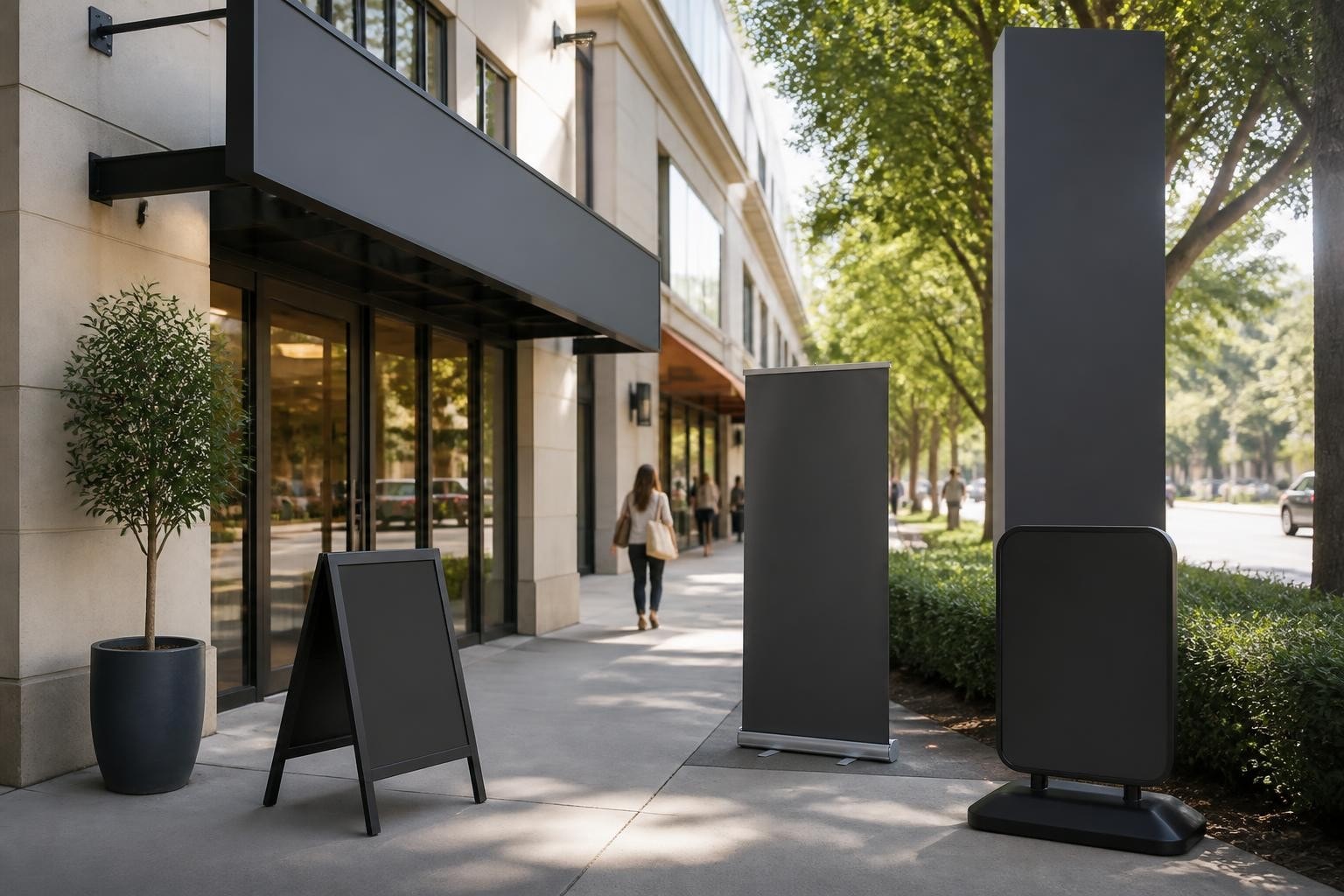
Pylon signage serves particularly well for retail locations set back from main roads or within shopping centres, providing visibility from greater distances and helping customers locate your specific unit. These freestanding structures can incorporate multiple tenants' branding whilst maintaining clear hierarchy and readability.
Window graphics and decals maximise your glazed frontage, transforming passive glass surfaces into active marketing tools. Full window wraps create dramatic impact whilst maintaining interior visibility through perforated vinyl, whereas strategic vinyl lettering communicates opening hours, contact information, and key selling points without overwhelming your window displays.
Internal Wayfinding and Departmental Signs
Once customers enter your space, clear internal signage becomes critical for positive shopping experiences. Department markers, category signs, and directional indicators help customers locate specific products efficiently, reducing frustration and abandoned purchases.
Hanging Signs and Ceiling-Mounted Displays maximise visibility in larger retail spaces without consuming valuable floor or wall space. These signs can incorporate:
- Category identifiers for different product sections
- Promotional messaging highlighting seasonal offers
- Branded elements reinforcing your visual identity
- Directional arrows guiding customer flow
Wall-mounted signs provide detailed information at eye level, perfect for explaining product features, sizing information, or brand stories. These signs should follow consistent formatting to create visual cohesion whilst allowing individual departments to express distinct characteristics.
Promotional and Point-of-Sale Signage
This category encompasses the most flexible and frequently updated elements of your signage system. A-frame pavement signs capture passing foot traffic, whilst internal promotional displays drive impulse purchases and highlight special offers.
Digital displays have transformed promotional signage capabilities in recent years. Modern digital signage solutions enable retailers to update messaging instantly, schedule time-specific promotions, and even incorporate interactive elements that engage customers in new ways. Understanding the benefits of LED signage helps retailers evaluate whether digital solutions align with their specific needs and budgets.
| Signage Type | Primary Function | Typical Lifespan | Update Frequency |
|---|---|---|---|
| Fascia Signs | Brand Identity | 7-10 years | Rarely |
| Window Graphics | Promotion | 1-3 years | Seasonally |
| Internal Wayfinding | Navigation | 5-7 years | As needed |
| Digital Displays | Dynamic Promotion | 5-8 years | Daily/hourly |
| A-Frame Signs | Immediate Attraction | 2-4 years | Daily/weekly |
Design Principles for Effective Shop Signage
Creating signs that genuinely drive business results requires more than aesthetic appeal. Effective design balances visibility, readability, brand consistency, and practical considerations that directly impact customer behaviour.
Readability and Legibility Fundamentals
The relationship between text size, viewing distance, and readability follows established guidelines that shouldn't be compromised for aesthetic preferences. As a general rule, one inch of letter height provides readability for every ten feet of viewing distance, though this varies based on typeface, contrast, and lighting conditions.
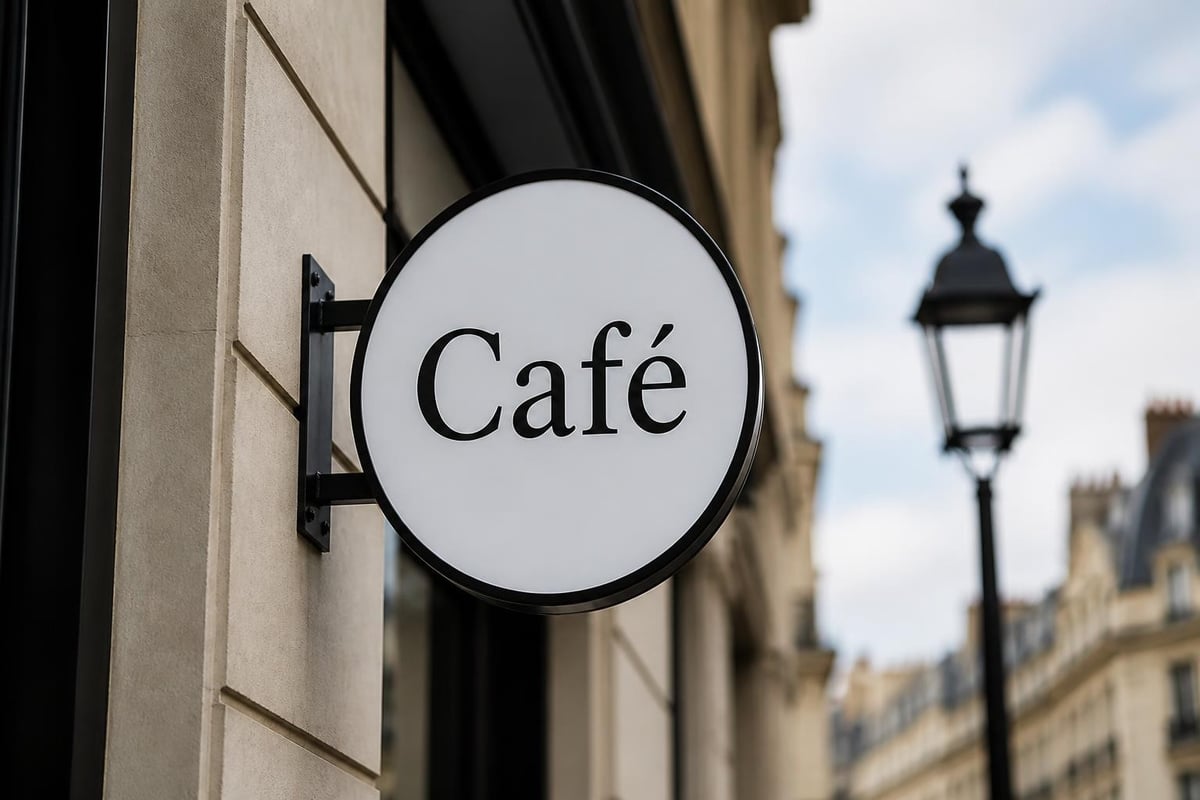
Font selection dramatically impacts legibility, particularly for external signs viewed at angles or in challenging light conditions. Research from the Federal Highway Administration on typeface legibility demonstrates that certain letterform characteristics significantly improve readability in real-world conditions. Sans-serif fonts typically outperform decorative typefaces for primary messaging, though script or stylised fonts can work effectively for secondary brand elements where legibility isn't critical.
Colour contrast between text and background determines readability under various lighting conditions. High-contrast combinations (dark text on light backgrounds or vice versa) ensure visibility in bright sunlight, whereas illuminated signs require careful consideration of background transparency and internal lighting intensity.
Brand Consistency Across Multiple Signs
Your various signs for shops should function as a cohesive family rather than disparate elements. Establishing clear brand guidelines covering colour specifications (using Pantone or RAL references for consistency across materials), approved typefaces, logo usage, and graphic elements ensures every sign reinforces your brand identity.
This consistency extends to proportions, spacing, and layout principles. When customers see coherent design language across your fascia sign, window graphics, and internal displays, they unconsciously register your business as professional, established, and trustworthy.
Inclusive Design Considerations
Modern retail signage must accommodate diverse customer needs, including those with visual impairments, colour blindness, or cognitive differences. The ADA Standards for Accessible Design provide comprehensive guidance on tactile signage, mounting heights, and contrast requirements for public spaces, though many principles apply universally even outside U.S. jurisdictions.
Key inclusive design elements include:
- Sufficient colour contrast (minimum 70% difference) between elements
- Multiple information channels (text, symbols, and tactile elements where appropriate)
- Clear visual hierarchy allowing quick information scanning
- Appropriate mounting heights (between 1200-1500mm for primary reading height)
- Non-glare finishes preventing readability issues under certain lighting
Material Selection and Durability Considerations
The materials you choose for your signs for shops directly impact longevity, maintenance requirements, and overall lifecycle costs. Understanding material characteristics helps you make informed decisions aligned with your specific requirements and environmental conditions.
External Signage Materials
Aluminium Composite Panel (ACP) offers exceptional durability, weather resistance, and versatility for external signs. Available in numerous colours and finishes, ACP maintains appearance for years whilst withstanding harsh weather conditions. This material works particularly well for fascia signs, pylon structures, and any application requiring lightweight rigidity.
Acrylic and Polycarbonate provide excellent clarity for illuminated signs, with acrylic offering superior optical properties whilst polycarbonate delivers greater impact resistance. Both materials accept vinyl graphics, direct printing, or routing for dimensional effects.
Vinyl applications on various substrates remain popular for their cost-effectiveness and design flexibility. High-quality cast vinyl withstands UV exposure and weather conditions significantly better than calendered alternatives, making material grade an important specification consideration.
Internal Signage Materials
Internal environments allow broader material choices since weather resistance becomes less critical. Foam PVC (often called Foamex or Sintra) provides lightweight, easily fabricated options for internal directional signs, departmental markers, and temporary promotional displays.
Rigid substrates like MDF or plywood work well for more permanent installations, accepting paint, vinyl, or direct printing. These materials suit situations requiring substantial dimensional stability or specific mounting requirements.
Fabric and Textile Systems create softer, more approachable aesthetics whilst offering easy graphic updates. Tension fabric displays work particularly well for larger internal branding installations or temporary promotional features.
| Material | Best Applications | Expected Lifespan (External) | Maintenance Requirements |
|---|---|---|---|
| Aluminium Composite | Fascia, Pylons | 10-15 years | Minimal - occasional cleaning |
| Acrylic (Illuminated) | Lightboxes, Letters | 7-10 years | Regular cleaning, re-lamping |
| Cast Vinyl on Metal | Window Graphics, Small Signs | 5-7 years | Moderate - periodic inspection |
| Foam PVC | Internal Directional | N/A (internal only) | Minimal |
| Dibond | Premium Fascia | 10-15 years | Minimal - occasional cleaning |
Lighting Solutions for Maximum Impact
Illumination extends your signage effectiveness beyond daylight hours, critical for retail businesses operating evenings or in areas with significant after-dark foot traffic. The right lighting solution balances visibility, energy efficiency, maintenance requirements, and aesthetic impact.
External Illumination Options
Internal Illumination (Lightboxes) creates even, consistent visibility by housing fluorescent or LED lamps within the sign structure. Modern LED systems offer exceptional energy efficiency, with consumption often 70-80% lower than traditional fluorescent alternatives whilst delivering superior light output and colour consistency. Exploring LED signage versus traditional signs reveals significant long-term cost advantages despite higher initial investment.
Individual Illuminated Letters (built-up letters with internal LED illumination) create sophisticated, premium aesthetics whilst offering excellent visibility. These three-dimensional elements cast subtle shadows, adding depth and visual interest that flat signage cannot achieve.
External spotlighting or floodlighting provides effective illumination for non-internally-lit signs, though placement requires careful consideration to avoid glare, light pollution, or uneven coverage. LED spotlights offer focused, controllable illumination with minimal ongoing costs.
Internal Lighting Considerations
Internal retail environments present different challenges, with signs competing against ambient store lighting, window glare, and potentially changing light conditions throughout the day. Ensuring your internal wayfinding remains visible under all conditions requires adequate contrast and, where appropriate, dedicated illumination.
Backlit displays create eye-catching focal points for promotional areas, whilst edge-lit acrylic panels provide sleek, modern aesthetics particularly suited to premium retail environments. The psychology of colour in signage design becomes particularly important when illumination affects colour perception and emotional response.
Regulatory Compliance and Planning Considerations
Installing signs for shops requires navigating various regulatory frameworks, from local planning restrictions to building codes and industry-specific requirements. Failing to secure appropriate permissions can result in enforcement action, removal orders, and wasted investment.
Planning Permission and Local Regulations
Most jurisdictions require planning consent for new or significantly altered external signage, particularly illuminated signs, projecting signs, or those exceeding certain size thresholds. Requirements vary considerably between locations, with conservation areas, listed buildings, and designated zones often imposing stricter controls.
Understanding signage regulations and permits specific to your region prevents costly delays or redesigns. Engaging with planning authorities early in your design process, ideally before finalising specifications, ensures your proposed signage aligns with local requirements.
Building regulations address structural safety, electrical installations, and fire safety considerations. Larger signs require structural calculations ensuring adequate support, whilst illuminated signs must comply with electrical safety standards and be installed by qualified professionals.
Industry-Specific Requirements
Certain retail sectors face additional signage requirements beyond general planning regulations. Pharmacies, for example, must display specific regulatory information, whilst food retailers face hygiene rating display requirements. Understanding obligations specific to your sector ensures compliance whilst maintaining brand integrity.
Safety signage represents a legal obligation for all retail premises, with specific requirements covering emergency exits, fire equipment, and hazard warnings. These signs must meet defined standards for visibility, content, and positioning, though they can often be customised to align with your brand aesthetics within regulatory parameters. Reviewing safety signage compliance requirements ensures you meet legal obligations whilst maintaining visual coherence.
Installation Best Practices
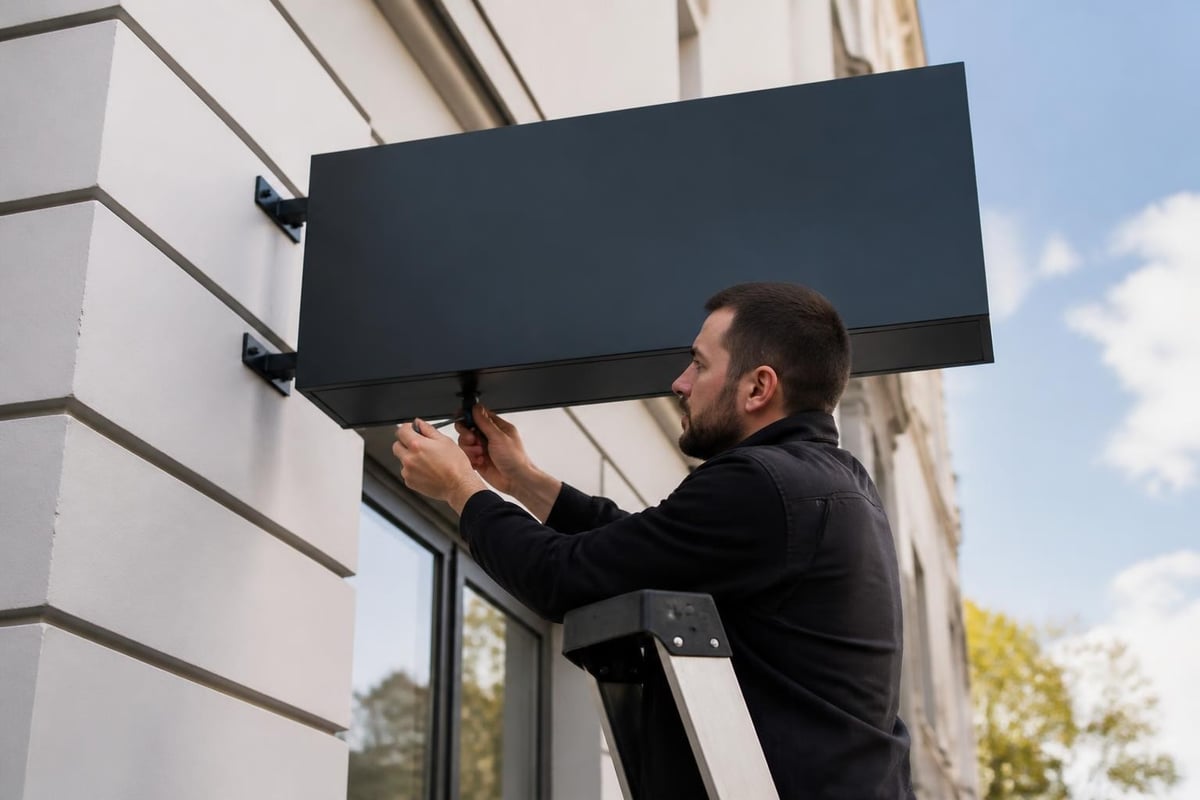
Even exceptionally designed and manufactured signs fail if poorly installed. Professional installation ensures structural integrity, visual alignment, safety compliance, and longevity, making it a critical investment in your overall signage project.
Structural Mounting and Fixings
External sign installation requires robust fixings appropriate to both the sign weight and the substrate material. Masonry fixings differ substantially from those suitable for metal cladding or timber frames, with each requiring specific expertise and equipment.
Wind loading calculations become critical for larger signs, particularly pylons or projecting signs where wind force creates significant stress on mounting points. Professional installers assess these factors and specify appropriate structural supports, ensuring signs remain secure under all weather conditions.
Electrical Connections for Illuminated Signs
Illuminated signage requires qualified electrical installation complying with local wiring regulations. Proper installation includes weatherproof connections, appropriate circuit protection, accessible isolation switches, and earthing provisions where required.
Timer systems or photocell controls enable automatic operation, reducing energy consumption whilst ensuring consistent illumination during business hours or darkness. Modern LED systems often incorporate smart controls allowing remote monitoring, scheduling, and even content updates for digital displays.
The importance of professional signage installation extends beyond initial setup. Proper installation significantly impacts long-term performance, maintenance requirements, and overall lifecycle costs, making professional expertise worthwhile for all but the simplest sign types.
Maintenance and Lifecycle Management
Signs for shops represent significant investments requiring ongoing maintenance to preserve appearance, functionality, and return on investment. Proactive maintenance prevents minor issues escalating into costly failures whilst ensuring your signage continues representing your brand effectively.
Routine Cleaning and Inspection
External signs accumulate dirt, pollution residue, and biological growth over time, gradually diminishing visual impact. Regular cleaning (quarterly for most external signs, more frequently in high-pollution areas) maintains appearance and allows inspection for developing issues.
Different materials require specific cleaning approaches. Vinyl graphics need gentle cleaning with pH-neutral solutions to prevent premature failure, whilst powder-coated aluminium tolerates more robust cleaning. Acrylic faces require non-abrasive methods preventing scratching that degrades illumination quality.
Preventive Maintenance Schedules
Illuminated Signs require periodic lamp replacement before complete failure occurs. Group replacement of LED modules or traditional lamps proves more cost-effective than reactive individual replacements, preventing the patchy appearance of partially-failed illumination.
Structural Inspections should occur annually for larger or older installations, checking fixing integrity, rust development on metalwork, and any movement or distortion. Early identification of structural issues prevents dangerous failures whilst minimising repair costs.
Implementing comprehensive signage maintenance programmes extends sign lifespan considerably, often doubling or tripling the useful life of external installations through relatively modest ongoing investment.
Refresh and Update Strategies
Even well-maintained signs eventually require refreshing or replacement as materials degrade, technology advances, or brand identities evolve. Planning refresh cycles strategically prevents the gradual decline in effectiveness that occurs when signs become dated or worn.
| Maintenance Task | Frequency | Impact if Neglected |
|---|---|---|
| External Cleaning | Quarterly | Gradual visibility loss, premature deterioration |
| Illumination Check | Monthly | Customer confusion, reduced visibility |
| Structural Inspection | Annually | Safety hazards, sudden failure |
| Vinyl Graphic Assessment | Bi-annually | Fading, peeling, unprofessional appearance |
| Electrical Testing | Annually | Fire risk, complete illumination failure |
Measuring Signage Effectiveness and Return on Investment
Understanding whether your signs for shops deliver value requires establishing metrics and measurement approaches aligned with your business objectives. Whilst some impacts prove difficult to isolate, systematic evaluation reveals signage contribution to overall business performance.
Quantifiable Performance Indicators
Foot Traffic Analysis comparing before and after signage installation provides direct evidence of impact. Modern counting technologies using beam sensors or camera-based systems deliver accurate traffic data, revealing whether new signage increases visitor numbers.
Sales Performance in specific departments or categories can correlate with directional signage improvements, particularly when analysing periods before and after wayfinding enhancements. Promotional signage effectiveness becomes apparent through sales data for featured products or services.
Customer Feedback and Surveys capture qualitative insights into how signage affects experience. Asking customers how they found your location or specific departments reveals wayfinding effectiveness, whilst questions about promotional awareness indicate campaign signage impact.
Strategic Value Assessment
Beyond immediate sales impact, effective signage delivers strategic benefits including enhanced brand recognition, improved customer experience, and competitive differentiation. These longer-term impacts contribute to customer lifetime value, referral rates, and market positioning, though proving direct causation requires sophisticated analysis.
Comparing your investment in signs for shops against marketing alternatives reveals relative value. Signage works continuously without ongoing costs (beyond maintenance), unlike advertising requiring repeated spending. This "always-on" characteristic makes quality signage exceptionally cost-effective over its operational life.
Evaluating signage as a strategic investment rather than simple expense shifts perspective from minimising cost to maximising value, encouraging appropriate investment in quality materials, professional design, and expert installation.
Emerging Trends and Technologies
The retail signage landscape continues evolving as new materials, technologies, and customer expectations reshape what's possible and desirable. Staying informed about emerging trends helps future-proof your investment whilst maintaining competitive relevance.
Digital Integration and Interactive Elements
Digital signage capabilities expand rapidly, with costs declining whilst functionality increases. Modern systems integrate with inventory management, enabling real-time product availability displays, dynamic pricing, and personalised messaging based on customer demographics or time of day.
Interactive elements transform passive signs into engagement tools, with touchscreen directories, virtual product browsers, and gamified promotional displays creating memorable experiences that traditional static signage cannot match. The challenge lies in balancing technological capability with genuine customer value, avoiding complexity that frustrates rather than enhances the shopping experience.
Sustainability and Environmental Considerations
Growing environmental awareness influences material selection, manufacturing processes, and end-of-life planning for retail signage. Recyclable materials, energy-efficient illumination, and modular designs enabling component replacement rather than complete renewal align with sustainability objectives whilst potentially reducing long-term costs.
LED technology improvements deliver exceptional energy efficiency, with modern systems consuming minimal power whilst maintaining brightness throughout extended operational lives. Solar-powered illumination becomes viable for certain applications, eliminating electrical running costs entirely.
Personalisation and Local Relevance
Mass-produced, generic signage gives way to bespoke solutions reflecting individual brand personalities and local contexts. Custom signage solutions enable retailers to differentiate themselves in competitive markets, creating distinctive visual identities that resonate with target audiences.
This trend towards personalisation extends to production technologies, with digital printing, laser cutting, and CNC routing enabling economically viable customisation even for smaller businesses previously restricted to standardised offerings.
Effective signs for shops represent far more than simple identification; they're strategic business tools that drive foot traffic, enhance customer experience, and build brand equity over time. From selecting appropriate materials and designing for maximum impact to ensuring regulatory compliance and implementing maintenance programmes, every aspect of your signage strategy contributes to overall business success. Whether you're establishing a new retail presence or refreshing existing signage, partnering with experienced professionals ensures your investment delivers maximum value. Signs4SA combines comprehensive signage expertise with nationwide manufacturing capabilities, delivering bespoke retail signage solutions backed by skilled specialists who understand the unique requirements of South African businesses across all sectors.