

Light Boxes: Complete Guide for Business Signage
Light boxes have revolutionised the way businesses communicate their brand message, combining practical illumination with striking visual appeal. These versatile signage solutions use internal lighting to create eye-catching displays that remain effective day and night, making them indispensable for retail, corporate, and healthcare environments. From small menu boards to expansive façade installations, the technology behind modern light boxes continues to evolve, offering businesses unprecedented control over brightness, energy efficiency, and maintenance requirements. Understanding the technical specifications, design principles, and application contexts of these illuminated solutions helps organisations make informed decisions that maximise visibility whilst controlling operational costs.
Understanding Light Box Technology and Construction
Modern light boxes represent a significant advancement from their fluorescent predecessors, with LED technology now dominating the market due to superior energy efficiency and longevity. The fundamental construction consists of a frame housing the light source, a translucent graphic panel, and a power supply, though variations in materials and design philosophies create distinct performance characteristics.
The frame material directly influences durability and installation options. Aluminium frames offer lightweight strength ideal for wall-mounted applications, whilst powder-coated steel provides enhanced robustness for high-traffic environments. Extruded profiles with built-in cable management systems streamline installation and maintain clean aesthetics, particularly important for corporate settings where professional presentation cannot be compromised.
Light Source Considerations
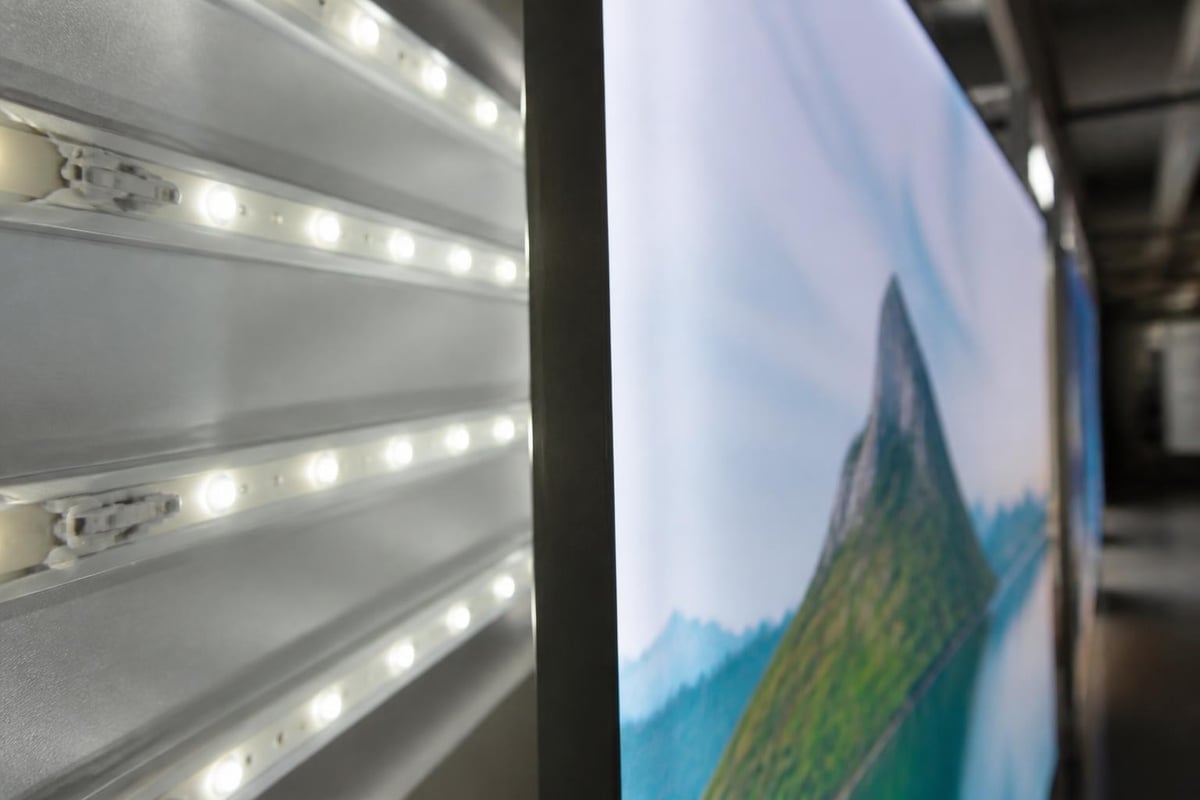
LED arrays have become the industry standard for light boxes, replacing fluorescent tubes that once dominated the sector. This transition delivers multiple benefits:
- Energy consumption reduced by 60-80% compared to fluorescent equivalents
- Lifespan extending to 50,000+ hours, minimising maintenance interventions
- Colour temperature consistency maintained throughout operational life
- Heat generation significantly reduced, protecting graphic materials
- Dimming capability enabling adaptive brightness for different times of day
The quality of LED components varies considerably across suppliers, with premium modules offering superior colour rendering index (CRI) values above 80, ensuring graphics appear vibrant and true to designer intent. Flicker-free operation represents another critical specification, particularly for installations where video recording or prolonged viewing occurs, as imperceptible flicker can cause eye strain and headaches.
Light distribution technology determines how uniformly illumination reaches the viewing surface. Edge-lit designs inject light from the perimeter through a light guide plate, creating slim profiles ideal for space-constrained locations. Back-lit configurations position LED modules directly behind the graphic panel, delivering higher brightness levels suited to outdoor applications or high-ambient-light environments.
Applications Across Commercial Sectors
Retail environments remain the primary deployment sector for light boxes, where they serve multiple functions from window displays to point-of-sale promotions. The constant illumination ensures brand messaging remains visible during evening shopping hours, whilst the ability to swap graphic panels allows seasonal campaigns without replacing entire fixtures.
Shopping centres utilise oversized light boxes for directional signage and tenant identification, creating wayfinding systems that function effectively regardless of natural light availability. The uniform brightness across large panels eliminates the hotspots and dark zones that plague poorly designed illuminated signage, maintaining legibility from varied viewing angles and distances.
| Application Type | Typical Size Range | Preferred Construction | Viewing Distance |
|---|---|---|---|
| Menu boards | 600mm - 1200mm | Edge-lit, slim profile | 1-3 metres |
| Window displays | 1000mm - 3000mm | Back-lit, high brightness | 3-10 metres |
| Façade signage | 2000mm - 8000mm | Modular back-lit | 10-50 metres |
| Internal wayfinding | 400mm - 800mm | Edge-lit, low profile | 2-5 metres |
Corporate environments deploy light boxes for reception signage, elevator directories, and building identification, where professional aesthetics and reliable operation take priority over the attention-grabbing tactics of retail applications. The cleaner lines of edge-lit designs often suit these contexts better, providing sophisticated brand representation without visual aggression.
Healthcare facilities require specialised considerations for light boxes, particularly in areas where patients experience extended exposure. Lower brightness levels and warmer colour temperatures create less clinical atmospheres whilst maintaining functional illumination for directional information and departmental identification.
Outdoor Versus Indoor Specifications
External installations demand weatherproofing to IP65 standards or higher, incorporating sealed gaskets and drainage channels that prevent moisture ingress. UV-stabilised materials protect both the enclosure and graphic panels from degradation under direct sunlight, whilst powder-coated finishes resist corrosion in coastal or industrial environments.
Temperature management becomes critical for outdoor light boxes, as LED performance degrades at temperature extremes. Ventilation designs must balance heat dissipation with weather protection, often incorporating louvers or passive cooling systems that prevent condensation without compromising water resistance.
Internal light boxes operate in controlled environments, allowing lighter construction and simplified electrical specifications. However, building codes may impose specific requirements for electrical safety, particularly in public spaces where facility standards govern installation practices to ensure occupant safety.
Design Principles for Maximum Impact
Graphic design for light boxes requires understanding how internal illumination affects colour saturation, contrast, and readability. Translucent materials behave differently to reflective substrates used in conventional signage, with light transmission characteristics varying by material composition and thickness.
Dark colours on light boxes appear less saturated than on printed materials, as backlight penetrates pigments differently than reflected ambient light. Designers compensate by increasing colour density or selecting pigments with higher opacity, ensuring the final appearance matches intended specifications. White and light colours gain exceptional vibrancy when backlit, creating dramatic contrast opportunities for text and graphic elements.
Typography selection influences legibility under illumination, with stroke weight and character spacing requiring adjustment from print standards. Thin letterforms may wash out when backlit, whilst heavy weights maintain definition but can appear aggressive if not balanced with adequate spacing. Sans-serif typefaces generally perform better than serif alternatives for backlit applications, particularly at viewing distances beyond five metres.
Material Selection for Graphics
Three primary material categories serve light box applications, each offering distinct performance characteristics:
Textile systems use polyester fabrics in tensioned frames, creating seamless large-format graphics without visible joints. The material stretches taut across the frame perimeter, eliminating waves and wrinkles that compromise professional appearance. Textile graphics offer excellent light diffusion and fold compactly for shipping, though they require specialist printing equipment.
Rigid substrates including acrylic and polycarbonate sheets provide superior durability for permanent installations. These materials accept vinyl graphics, direct printing, or photographic processes, with thicknesses ranging from 3mm for small formats to 10mm for structural applications. Acrylic delivers superior optical clarity but fractures under impact, whilst polycarbonate withstands abuse at the cost of reduced transparency.
Flexible films balance cost-effectiveness with reasonable performance, utilising translucent vinyl or polyester films in standard light box frames. These materials suit temporary promotions and budget-conscious applications, though they show visible seams in larger installations where panels must join.
Technical Specifications and Performance Metrics
Brightness measurement in lux or candelas per square metre quantifies light box output, though industry standards vary by application context. Retail window displays typically operate at 2000-3000 lux to overcome daylight competition, whilst internal directional signage functions effectively at 500-800 lux without causing visual fatigue.
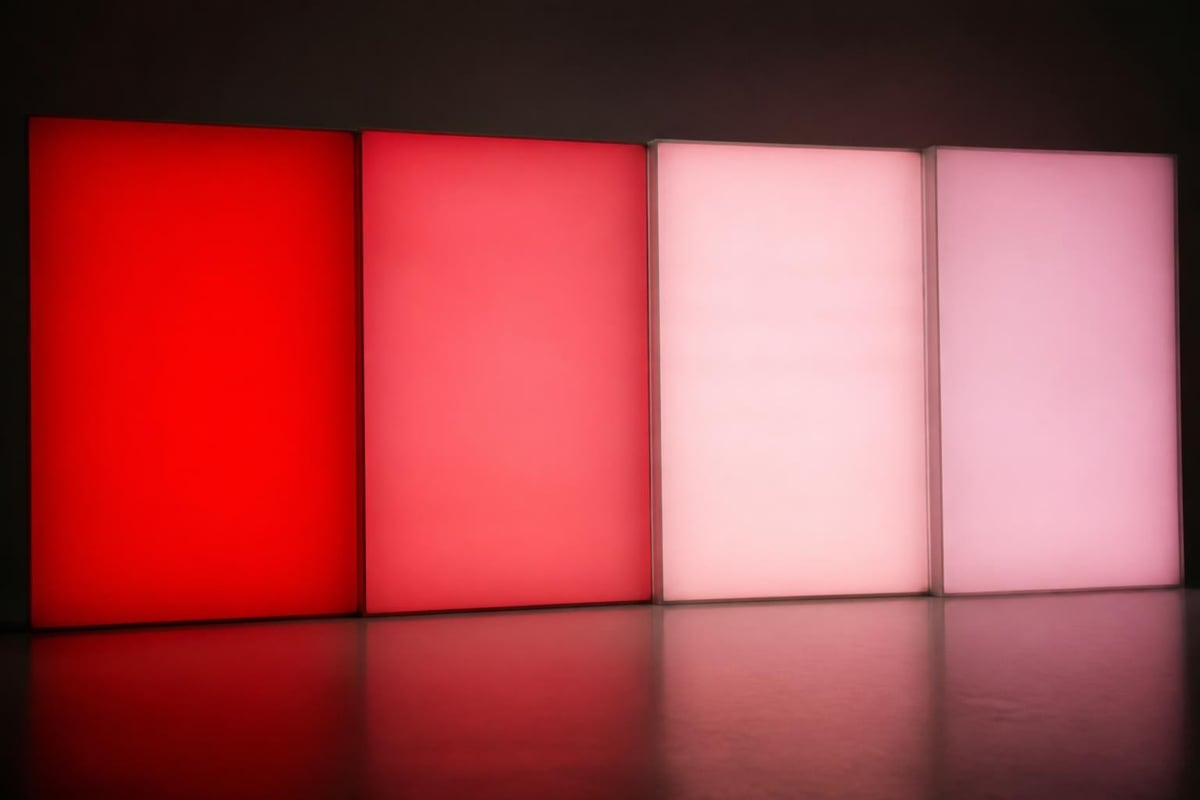
Uniformity ratios describe light distribution across the viewing surface, calculated by comparing the brightest and dimmest measurement points. Quality installations achieve ratios of 80% or better, meaning the dimmest area receives at least 80% of the peak brightness. Poor uniformity creates distracting patterns that undermine professional presentation and reduce message comprehension.
Colour temperature selection affects perceived atmosphere and brand alignment. Cool white (5000-6500K) creates contemporary, energetic environments suited to technology retailers and modern corporate settings. Warm white (2700-3500K) establishes welcoming, comfortable atmospheres appropriate for hospitality, healthcare, and luxury retail contexts. Neutral white (4000-4500K) offers versatile middle ground that satisfies most commercial applications without strong psychological associations.
Energy Efficiency and Operating Costs
LED light boxes consume 8-15 watts per square metre for typical installations, translating to manageable operational expenses even for large-format displays operating continuously. A 2-square-metre light box running 16 hours daily consumes approximately 175 kWh annually, representing modest electricity costs that pale against the visibility benefits delivered.
Power supply quality influences reliability and longevity, with constant-current drivers protecting LED arrays from voltage fluctuations that accelerate degradation. Mean time between failures (MTBF) for quality LED systems exceeds 100,000 hours, though real-world performance depends heavily on thermal management and electrical design quality.
Many organisations now integrate light boxes with building management systems, enabling scheduled dimming or switching that reduces energy consumption during off-peak hours. Photocell controls automate brightness adjustment based on ambient light levels, maintaining visibility whilst eliminating unnecessary operation during daylight hours.
Installation and Maintenance Requirements
Professional installation ensures light boxes perform reliably whilst complying with electrical codes and structural requirements. Wall-mounted installations require proper anchoring into structural elements rather than surface materials, with load calculations accounting for unit weight plus wind loading in external applications.
Electrical connections must meet local regulations regarding circuit protection, cable sizing, and disconnection means. Many jurisdictions require licenced electricians to perform final connections even when signage installers handle mechanical mounting, adding coordination complexity to project timelines.
Access for maintenance influences installation methodology, particularly for graphic changes in marketing-driven environments. Tool-free panel access systems enable non-technical staff to swap graphics safely, whilst recessed installations may require specialist access equipment for lamp replacement or cleaning operations.
Routine Maintenance Protocols
Light boxes require minimal maintenance compared to mechanical signage systems, though periodic attention extends lifespan and preserves appearance:
- Quarterly external cleaning using non-abrasive cleaners and soft cloths
- Annual inspection of gaskets, seals, and electrical connections
- LED array testing to identify individual module failures before they become conspicuous
- Graphic assessment for UV degradation, discolouration, or physical damage
- Ventilation verification ensuring heat dissipation pathways remain unobstructed
Preventive maintenance schedules should document inspection dates, findings, and corrective actions, creating historical records that inform replacement timing and budget planning. For organisations managing multiple locations, centralised maintenance tracking ensures consistent standards across the estate.
Integration with Digital Signage Systems
The distinction between traditional light boxes and digital signage continues narrowing as hybrid solutions emerge, combining static backlit graphics with digital display zones for dynamic content. These installations provide cost-effective flexibility, maintaining brand presence through permanent illuminated elements whilst enabling tactical messaging through integrated screens.
Edge-to-edge LED displays now achieve brightness levels that rival backlit graphics in many applications, though power consumption and initial investment remain significantly higher. The choice between technologies depends on content update frequency, budget parameters, and desired visual impact.
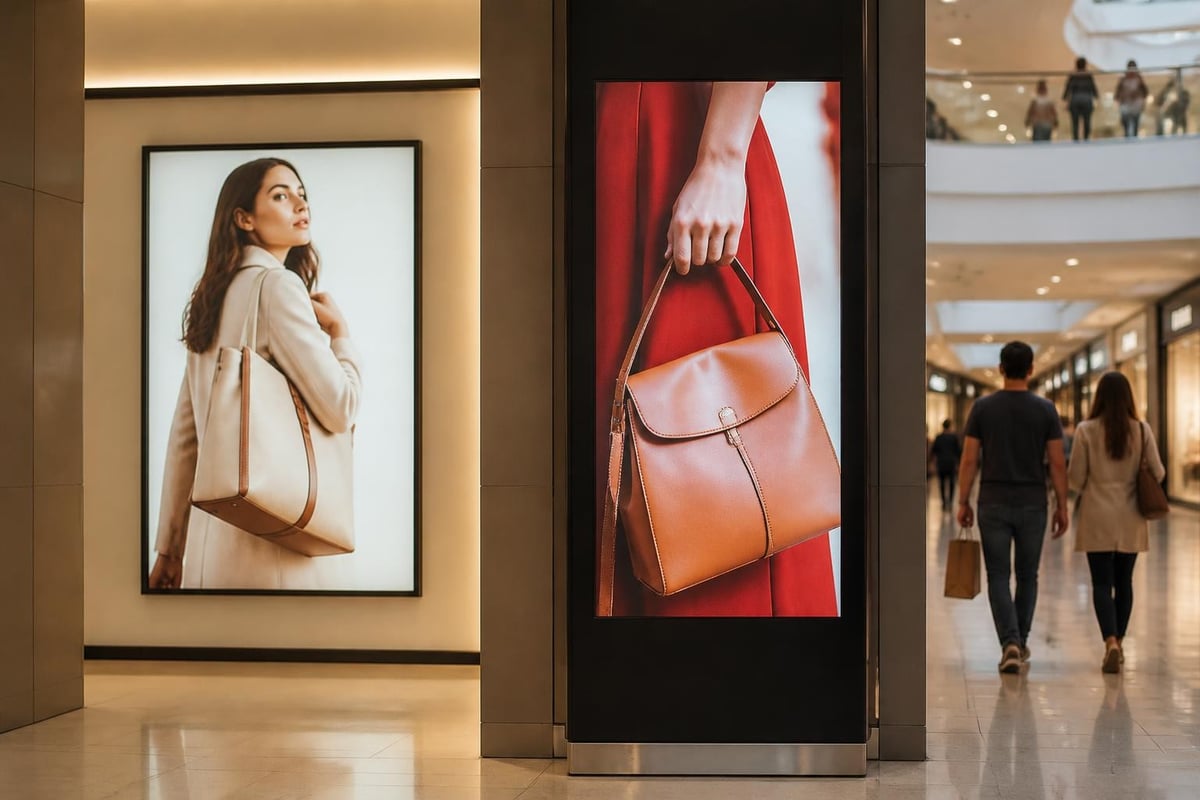
Some organisations deploy light boxes as architectural features that frame digital displays, using perimeter illumination to enhance screen visibility and create visual hierarchy. This approach combines the economic advantages of static illuminated elements with the engagement potential of dynamic content in strategic zones.
Regulatory Compliance and Safety Standards
Building codes impose specific requirements for illuminated signage, particularly regarding electrical safety, emergency egress, and fire resistance. Light boxes must not obstruct exit routes or create confusion with emergency lighting systems, whilst materials must meet flame-spread ratings appropriate to occupancy classifications.
Outdoor light boxes often face municipal regulations limiting brightness to prevent light pollution and protect residential amenity. Photometric studies may be required for planning approval, documenting light spill patterns and ensuring compliance with astronomical dark-sky initiatives in sensitive locations.
Electrical certification requirements vary by jurisdiction, though most commercial installations require testing and tagging by qualified personnel before energisation. Documentation should include electrical schematics, LED specifications, and maintenance instructions for building management reference.
Industry-Specific Considerations
Pharmaceutical environments impose stringent cleanliness standards that influence light box selection, requiring smooth, non-porous surfaces that withstand frequent sanitisation. Sealed construction prevents contamination risks whilst meeting Good Manufacturing Practice (GMP) requirements for controlled environments.
Construction sites utilise light boxes for site identification and safety messaging, requiring robust construction that withstands dust, vibration, and rough handling. Temporary power arrangements and theft deterrence become priority considerations in these contexts, often favouring lower-cost solutions that accept higher replacement risk.
Retail chains standardising light box specifications across multiple locations must balance aesthetic consistency with regional regulatory variations and site-specific constraints. Modular systems that accept local adaptations whilst maintaining brand standards offer pragmatic solutions to these competing demands.
For organisations seeking professional guidance on illuminated signage solutions that align with specific operational requirements and brand objectives, partnering with experienced specialists ensures technical specifications match application demands whilst maintaining budget discipline and regulatory compliance.
Light boxes represent proven technology that delivers consistent visibility across diverse commercial applications, combining energy-efficient LED illumination with versatile graphic capabilities. Whether you need retail window displays, corporate identification, or directional wayfinding, selecting appropriate specifications ensures long-term performance that justifies initial investment. Signs4SA brings extensive experience in designing, manufacturing, and installing light box solutions tailored to your specific requirements, supported by a national footprint and skilled technical team committed to delivering signage that performs reliably for years to come.