


Billboards: Strategic Impact for Modern Brand Visibility
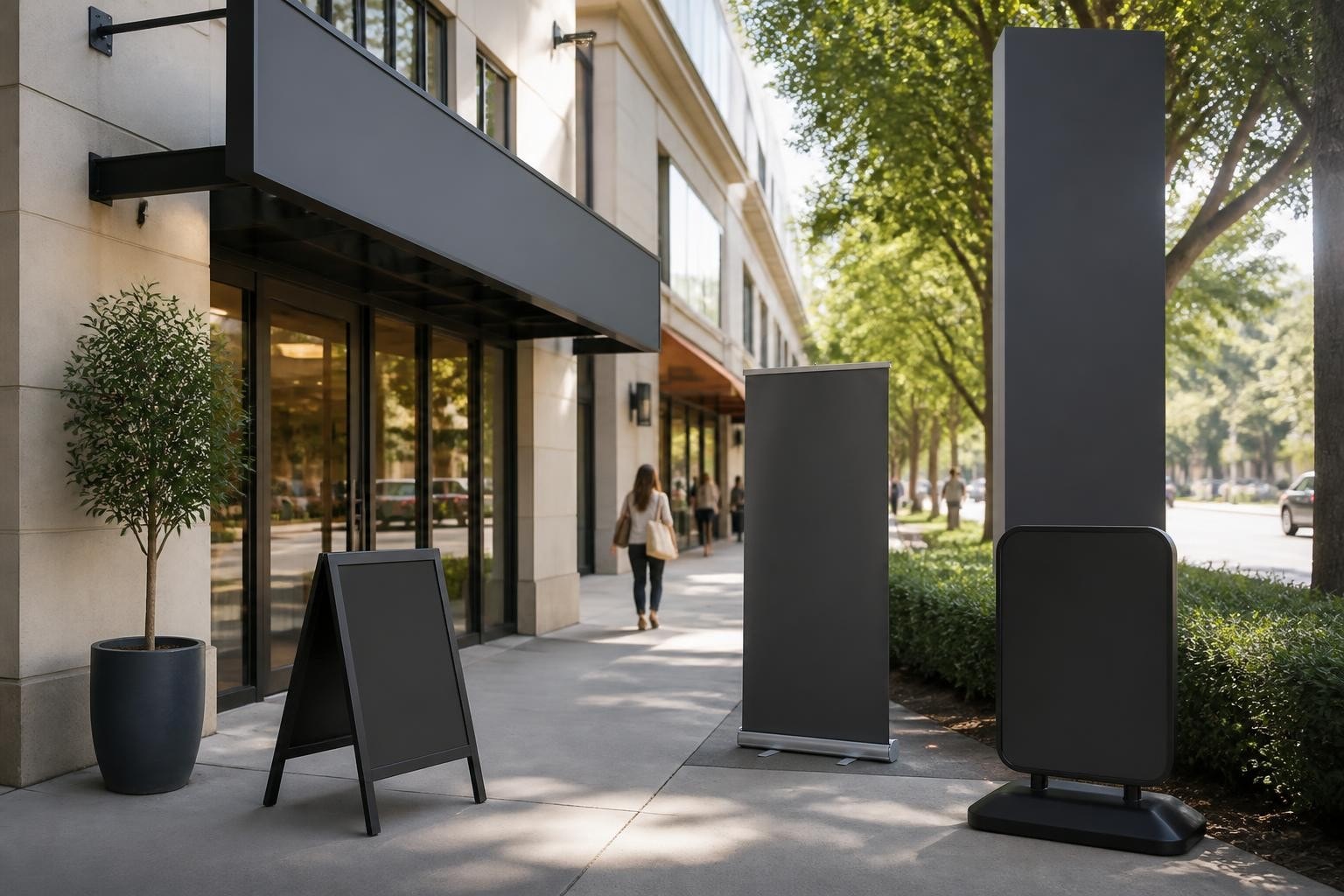
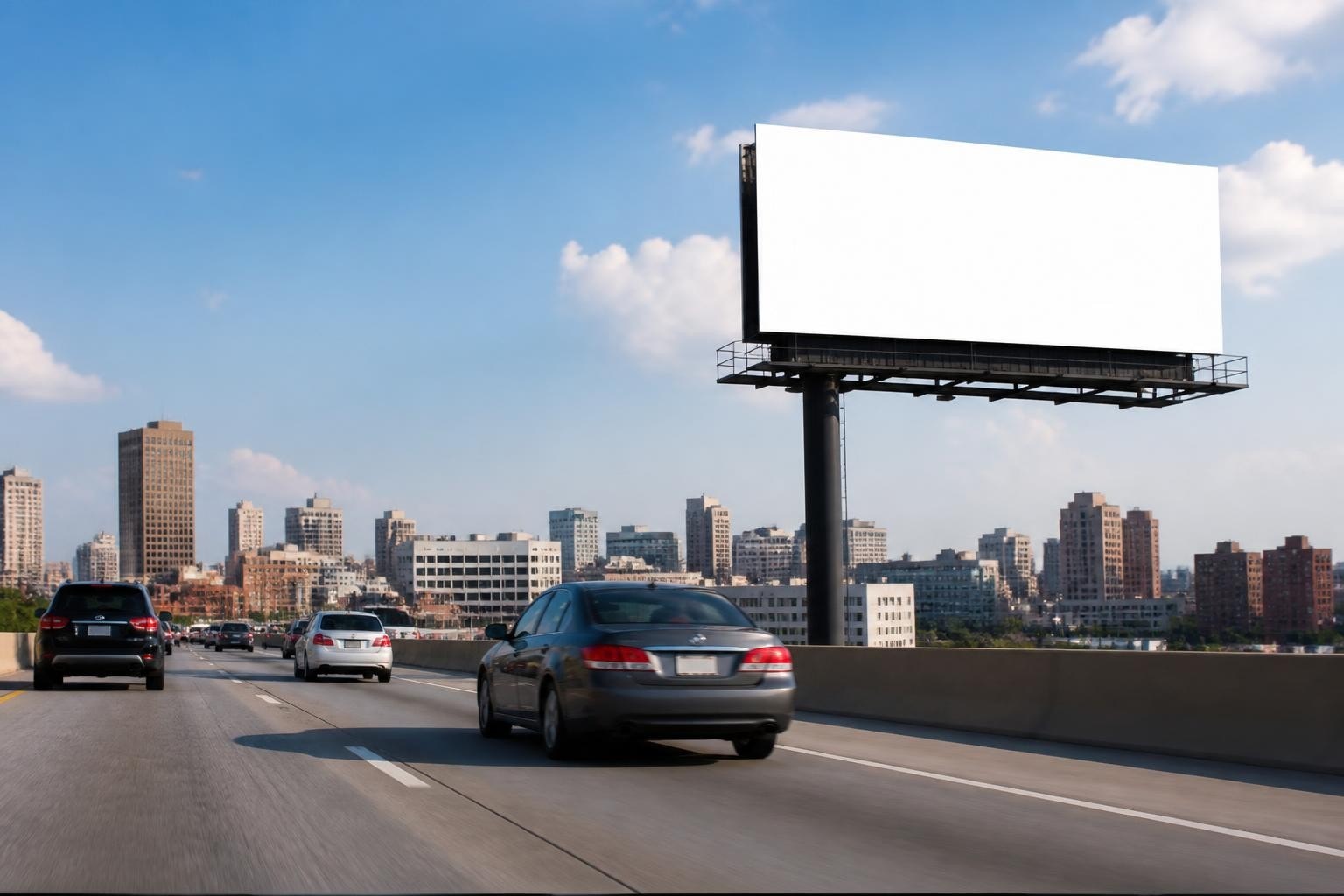
The landscape of outdoor advertising continues to evolve, yet billboards remain one of the most powerful tools for brand visibility and market penetration. These large-format displays command attention in ways that few other media channels can match, delivering consistent brand exposure to thousands of potential customers every day. Whether positioned along motorways, urban arterials, or strategic commercial districts, they serve as permanent brand ambassadors that work around the clock. For businesses seeking to establish market presence, billboards offer unparalleled reach and frequency that complement digital marketing efforts whilst providing tangible, unavoidable visibility in the physical world.
The Enduring Power of Billboard Advertising
Traditional outdoor advertising formats have demonstrated remarkable resilience in an increasingly digital world. According to recent out-of-home advertising revenue data, the industry continues to show strong growth, with advertiser confidence remaining robust across multiple sectors.
Why billboards continue to dominate outdoor advertising:
- Unavoidable visibility in high-traffic environments where consumers cannot scroll past or close the message
- 24/7 brand presence delivering continuous impressions without recurring media costs
- Geographic targeting precision reaching specific demographic corridors and community segments
- Brand credibility enhancement through physical presence that signals market investment and stability
The physical permanence of these structures creates a psychological impact that ephemeral digital ads struggle to replicate. When commuters pass the same brand message twice daily for weeks or months, the cumulative effect builds deep brand recall. This repetition without intrusion makes outdoor formats particularly valuable for awareness campaigns, product launches, and establishing local market authority.
Format Varieties and Strategic Applications
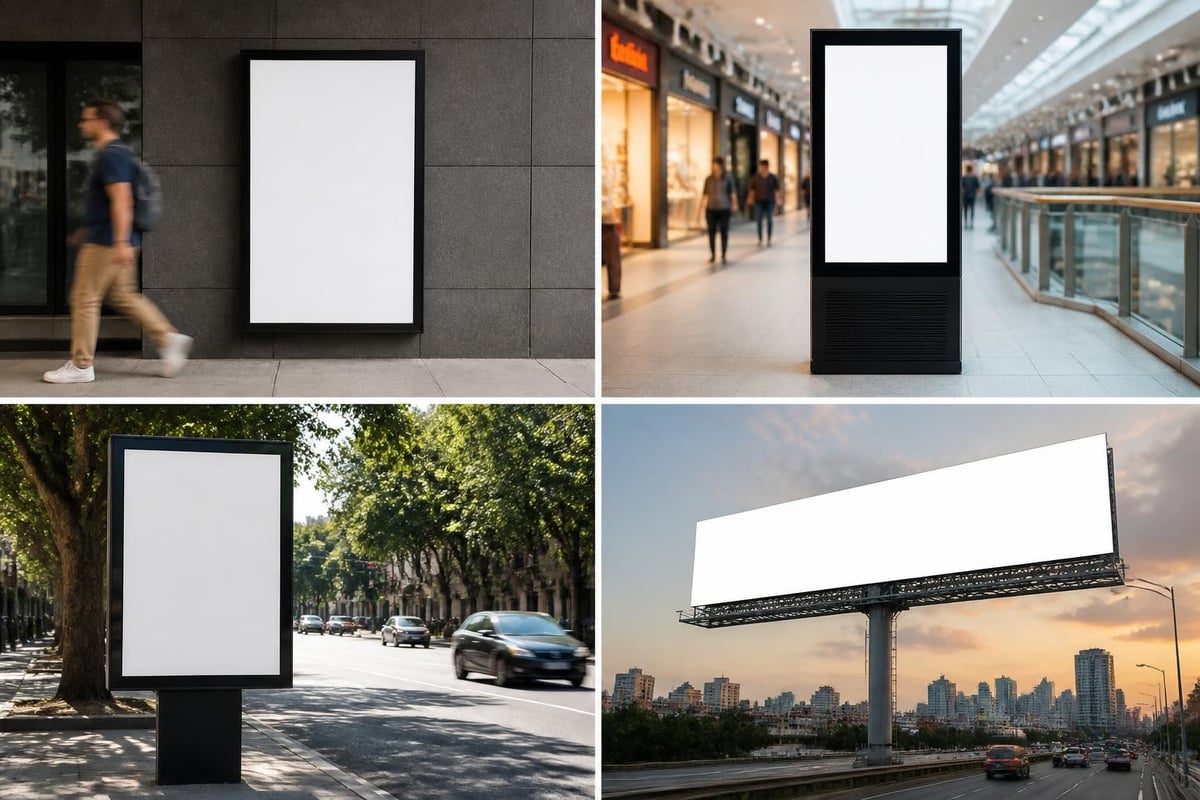
Modern billboard advertising encompasses several distinct formats, each offering specific advantages for different campaign objectives.
| Format Type | Typical Size | Best Application | Viewing Distance |
|---|---|---|---|
| Bulletin | 14' × 48' | Brand awareness, major campaigns | 500+ feet |
| Poster | 12' × 25' | Local targeting, tactical promotions | 300-500 feet |
| Digital/LED | Variable | Dynamic messaging, multiple advertisers | 300-800 feet |
| Spectaculars | Custom | Landmark branding, premium positioning | 1000+ feet |
Bulletins represent the premium tier of static billboard inventory, positioned along major motorways and primary arterials where daily traffic counts exceed tens of thousands of vehicles. These large-format displays deliver maximum impact for brands seeking widespread recognition and market dominance.
Poster formats serve neighbourhood and community-level targeting, enabling businesses to concentrate messaging in specific postal codes or demographic clusters. The smaller footprint allows for multiple placements within a defined geography, creating saturation coverage that reinforces brand presence across an entire market segment.
Digital Transformation in Outdoor Advertising
The integration of digital technology has revolutionised traditional billboard capabilities, creating new opportunities for dynamic messaging and campaign flexibility. Digital signage solutions now enable advertisers to change creative content remotely, schedule messages based on time of day, and even respond to real-time conditions such as weather or traffic patterns.
Advantages of digital billboard platforms:
- Creative rotation allowing multiple messages within a single campaign cycle
- Dayparting capability to deliver different messages to morning versus evening audiences
- Campaign agility with content updates executed within hours rather than weeks
- Motion and animation capturing attention through dynamic visual elements
- Proof of play verification providing advertisers with deployment confirmation
Digital outdoor formats have attracted significant interest from programmatic advertising platforms, enabling automated buying and real-time campaign optimisation. The IAB Digital Out-of-Home playbook outlines industry best practices for integrating these assets into broader media strategies.
However, digital deployment requires careful consideration of regulatory frameworks and community standards. Many municipalities impose restrictions on digital display brightness, animation speed, and content change frequency to minimise driver distraction. Research on billboard visual impact has informed policy decisions regarding appropriate digital specifications in various contexts.
Investment Considerations and ROI Metrics
Evaluating billboard effectiveness requires understanding both the direct costs and the broader value proposition these assets deliver. Unlike performance marketing channels that charge per click or impression, outdoor advertising operates on a fixed-cost model based on location, format, and contract duration.
The primary cost components include:
- Production expenses for design, printing, and installation of creative materials
- Rental fees paid to site owners or outdoor advertising companies for display rights
- Maintenance costs covering repairs, cleaning, and periodic updates
- Regulatory compliance including permits, inspections, and local authority fees
Return on investment calculations typically focus on reach and frequency metrics rather than direct attribution. Geopath measurement methodologies provide standardised audience estimates based on traffic counts, demographic composition, and visibility research. These metrics enable advertisers to calculate cost-per-thousand impressions and compare efficiency across different outdoor placements.
Many businesses discover that the apparent premium pricing of outdoor formats becomes extremely cost-effective when assessed on a cost-per-impression basis over extended campaigns. A bulletin delivering 50,000 daily impressions at £1,500 monthly rental generates impressions at a fraction of a cent each, far below most digital advertising channels.
Strategic Site Selection and Placement
Location determines everything in outdoor advertising success. The most compelling creative execution delivers minimal value if positioned where target audiences rarely travel. Effective site selection requires systematic analysis of traffic patterns, demographic alignment, and competitive positioning.
Traffic Analysis and Audience Profiling
Professional outdoor advertising planning begins with comprehensive traffic data collection. Daily circulation counts, peak-hour volumes, and directional flow patterns establish the foundational metrics for site evaluation. However, raw traffic numbers tell only part of the story.
Critical site selection factors:
- Average vehicle speed and sight-line duration
- Surrounding visual clutter and competitive advertising density
- Approach angles and optimal viewing distances
- Lighting conditions across different times of day
- Demographic profile of typical corridor users
Modern measurement systems integrate mobile location data, census information, and consumer behaviour patterns to create detailed audience profiles for specific billboard locations. The Geopath planning dataset combines these diverse data sources into actionable insights for media planning.
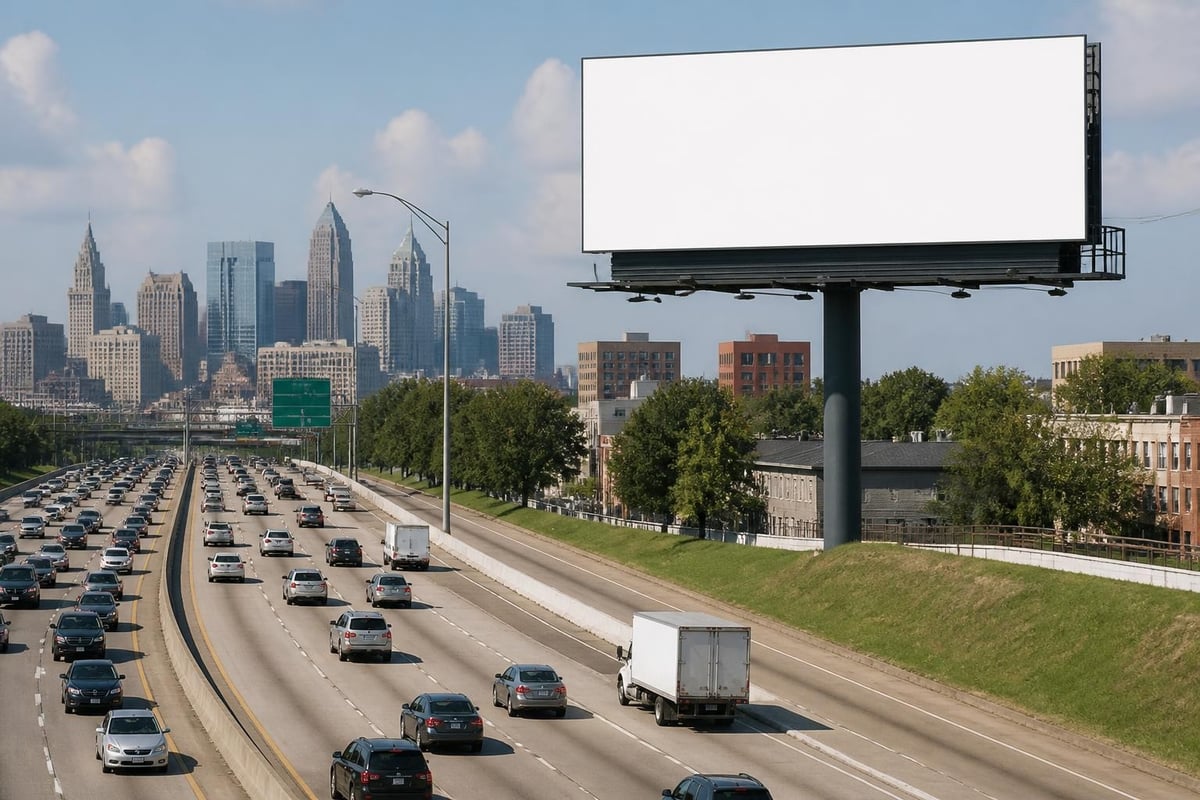
Geographic targeting extends beyond simple traffic volumes to encompass lifestyle and purchasing behaviour alignment. A luxury automotive brand achieves better results on corridors serving affluent suburbs than on routes carrying equivalent traffic through industrial zones. Similarly, retail advertisers prioritise positions within defined drive-time radii of their physical locations.
Creative Execution Best Practices
The unique viewing context of billboards demands specialised creative approaches that differ substantially from print, digital, or broadcast advertising. Audiences typically view these messages while in motion, often at highway speeds, allowing only seconds for message comprehension and retention.
Seven-second rule and visual hierarchy:
The industry standard assumes approximately five to seven seconds of viewer attention for roadside formats. This constraint necessitates radical simplicity in messaging and visual composition. Effective billboard creative typically incorporates:
- Single dominant visual element that communicates instantly without requiring detailed examination
- Minimal word count limited to seven words or fewer for optimal readability
- High contrast colour schemes ensuring legibility across varying light conditions and viewing distances
- Bold, sans-serif typography sized appropriately for highway viewing speeds
- Clear brand identification with logos prominent but proportionate to overall composition
Creative excellence in this medium often involves strategic omission rather than inclusion. Every additional element competes for limited attention and dilutes message clarity. The most memorable campaigns typically feature striking simplicity: a powerful image, a brief headline, and clear brand attribution.
Regulatory Compliance and Safety Considerations
Billboard deployment operates within complex regulatory frameworks designed to balance commercial interests with public safety and aesthetic considerations. The Manual on Uniform Traffic Control Devices establishes federal guidance affecting outdoor advertising near roadways, whilst local jurisdictions impose additional restrictions through zoning ordinances and signage bylaws.
Common regulatory requirements include:
| Compliance Area | Typical Restrictions | Enforcement Mechanism |
|---|---|---|
| Setback distances | 50-300 metres from highway right-of-way | Planning approval |
| Height limitations | 6-15 metres depending on zoning | Building permits |
| Lighting standards | Maximum brightness, no flashing/strobing | Inspection certification |
| Content restrictions | Prohibited messaging categories | Complaint-driven review |
| Vegetation clearance | Minimum sight-line preservation zones | Maintenance requirements |
Understanding signage regulations specific to your jurisdiction prevents costly compliance failures and project delays. Professional signage manufacturers navigate these requirements routinely, ensuring deployments meet all applicable standards from initial design through final installation.
Driver distraction concerns have prompted ongoing research into billboard safety impacts. Studies including instrumented vehicle research examine how outdoor advertising affects driver attention and behaviour. Responsible advertisers balance attention-grabbing creative with designs that avoid excessive distraction through moving elements or overly complex compositions.
Integration with Broader Marketing Strategies
Maximum outdoor advertising effectiveness emerges when billboard campaigns integrate seamlessly with complementary marketing channels. These formats excel at building awareness and reinforcing brand identity, creating touchpoints that enhance digital conversion and retail traffic.
Modern marketing approaches recognise that consumers engage brands across multiple touchpoints throughout their decision journey. Outdoor formats contribute unique value within this ecosystem by delivering high-frequency brand exposure during daily routines when consumers are not actively seeking marketing messages.
Strategic integration approaches:
- Search term priming where billboard exposure increases subsequent branded search volume
- Retail traffic amplification using outdoor advertising to drive store visits within defined trade areas
- Social media amplification through shareable creative that generates organic digital conversation
- Event promotion building attendance through sustained presence leading up to activation dates
Research from Think with Google demonstrates how digital out-of-home coordinates with online channels to create synergistic campaign performance. Brands running simultaneous outdoor and search campaigns often observe higher click-through rates and conversion efficiency than those relying on digital channels alone.
The physical presence of outdoor advertising also serves credibility signalling that influences consumer perceptions. Businesses investing in prominent billboard placements communicate market stability and success, attributes that reduce purchase risk for potential customers evaluating competitive alternatives.
Measurement and Performance Optimisation
Quantifying outdoor advertising performance has evolved substantially beyond simple traffic counts. Contemporary measurement frameworks combine circulation data with audience research, attribution modelling, and brand lift studies to provide comprehensive campaign assessment.
Modern billboard measurement methodologies:
- Circulation auditing establishing verified traffic volumes and demographic composition
- Visibility adjustment factors accounting for sight-line quality, speed, and viewing angles
- Mobile location analytics tracking foot traffic patterns and subsequent venue visits
- Brand lift studies measuring awareness and perception changes among exposed audiences
- Attribution modelling connecting outdoor exposure to online behaviour and conversions
Advanced advertisers employ control group methodologies, exposing matched audience segments to billboard campaigns whilst withholding exposure from statistically identical control groups. Subsequent behaviour differences between test and control audiences reveal true campaign impact on awareness, consideration, and conversion metrics.
Geographic experimentation enables continuous optimisation as campaigns progress. Deploying different creative variations across comparable markets reveals which messaging approaches generate superior response, informing tactical adjustments that improve overall campaign efficiency.
Specialised Applications Across Industry Sectors
Different industries leverage billboard advertising for distinct strategic purposes, adapting format selection and creative approaches to sector-specific objectives.
Retail and Consumer Goods
Retailers use outdoor formats primarily for driving immediate store traffic and promoting time-sensitive offers. Strategic placements within five to ten minutes' drive time of physical locations capture consumers during shopping trips, influencing destination decisions in real-time. Fast-moving consumer goods brands deploy billboard campaigns for product launches and seasonal promotions, building awareness that primes purchase behaviour when consumers subsequently encounter products at retail.
Automotive and Real Estate
High-consideration purchases benefit from sustained outdoor presence that builds familiarity over extended decision cycles. Automotive advertisers particularly value pylon signage and large-format bulletins positioned near dealerships, creating landmark visibility that aids navigation whilst reinforcing brand positioning. Property developers employ billboards at construction sites and along commuter corridors serving target demographic areas, generating enquiry volume throughout sales cycles.
Entertainment and Tourism
Event promotion and destination marketing rely heavily on outdoor advertising for broad awareness generation. Film distributors, concert promoters, and tourism authorities value the mass reach these formats deliver to general audiences. Creative executions in entertainment categories often push boundaries with innovative extensions, three-dimensional elements, and interactive components that generate media coverage extending campaign reach beyond physical viewership.
Future Trends and Emerging Technologies
The outdoor advertising sector continues evolving through technological innovation and shifting consumer behaviour patterns. Several emerging trends promise to reshape how businesses deploy and optimise billboard campaigns in coming years.
Programmatic buying platforms are gradually extending into outdoor inventory, enabling automated purchasing decisions based on audience data and campaign performance metrics. This evolution promises greater efficiency and targeting precision, though widespread adoption faces technical challenges related to inventory standardisation and real-time verification.
Emerging capabilities reshaping outdoor advertising:
- Audience measurement enhancement through computer vision and mobile location intelligence
- Dynamic creative optimisation responding to real-time conditions including weather and traffic
- Interactive capabilities enabling consumer engagement through mobile integration
- Sustainability improvements via solar power, LED efficiency gains, and recyclable materials
- Augmented reality integration creating immersive brand experiences beyond physical displays
Environmental considerations increasingly influence outdoor advertising decisions, with businesses seeking sustainable signage solutions that minimise ecological impact whilst maintaining campaign effectiveness. LED technology improvements deliver dramatic energy efficiency gains compared to traditional illuminated formats, reducing operational costs whilst supporting corporate sustainability commitments.
The convergence of outdoor and mobile channels creates new possibilities for attribution and engagement. Location-based mobile advertising can retarget consumers who pass specific billboard locations, creating coordinated touchpoint sequences that guide audiences through awareness, consideration, and conversion stages with unprecedented precision.
Billboards deliver sustained brand visibility and market presence that few advertising channels can match, combining broad reach with geographic precision and creative impact. From strategic site selection through creative execution and performance measurement, successful outdoor campaigns require specialised expertise and attention to regulatory, technical, and creative considerations. Whether you're launching a new product, building brand awareness, or driving retail traffic, Signs4SA provides comprehensive signage solutions backed by skilled experts and a national footprint, ensuring your outdoor advertising investment delivers maximum impact across corporate, retail, and commercial applications.