


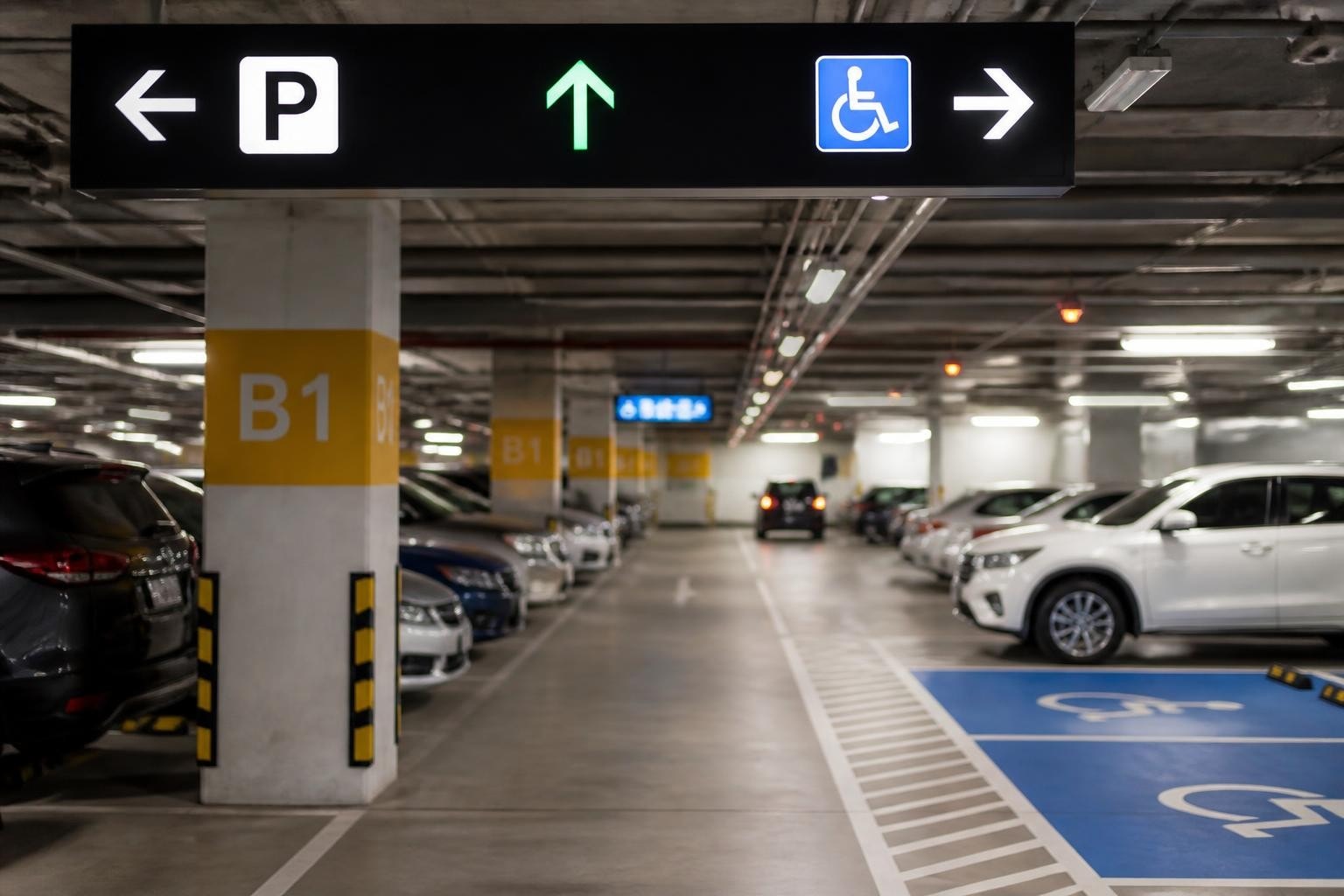
Signage for Parking: Essential Guide for 2026
Effective signage for parking transforms chaotic spaces into smoothly operating facilities that serve visitors, protect property, and ensure regulatory compliance. Whether managing a small retail car park or a sprawling corporate campus, the right parking signage strategy communicates essential information clearly, reduces confusion, and enhances the user experience. As we progress through 2026, parking environments face increasing complexity with accessibility requirements, digital integration, and evolving safety standards. Understanding how to design, specify, and implement comprehensive parking signage systems has become crucial for facility managers, property developers, and business owners across South Africa and globally.
The Strategic Role of Parking Signage
Parking signage serves multiple critical functions that extend far beyond simply marking available spaces. Well-designed signage for parking creates a hierarchy of information that guides drivers from major roads into facilities, through circulation routes, and ultimately to appropriate parking locations.
The primary objectives include wayfinding, regulatory communication, safety enforcement, and brand reinforcement. Each sign type contributes to the overall system, working together to create intuitive navigation patterns that reduce driver stress and improve traffic flow.
Wayfinding and Navigation Systems
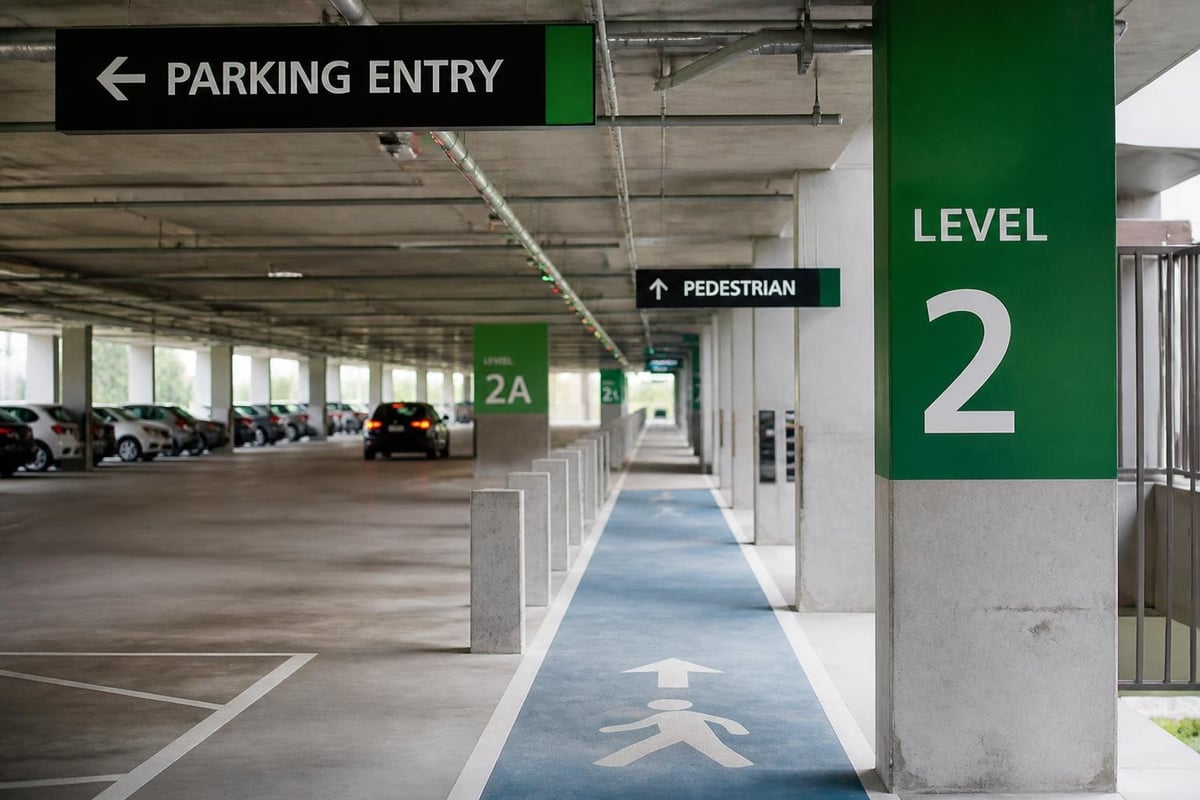
Effective wayfinding begins before vehicles enter the car park. Directional signage positioned on approach routes prepares drivers for upcoming turns and entry points. Once on-site, a logical sequence of signs guides users through decision points without confusion.
Key wayfinding elements include:
- Entry and exit identification markers
- Directional arrows indicating parking areas
- Zone identification (numbered levels, colour-coded sections)
- Pedestrian route guidance
- Return-to-vehicle navigation aids
The North Central Texas Council of Governments provides practical guidance on wayfinding hierarchy and iconography that has become industry standard. Their recommendations emphasize consistency in symbol usage, particularly the universal 'P' parking indicator, which transcends language barriers and creates immediate recognition.
Regulatory and Compliance Requirements
Signage for parking must adhere to multiple regulatory frameworks depending on location and facility type. In South Africa, parking signage follows national road traffic regulations whilst also considering international best practices for commercial and private facilities.
Understanding safety signage compliance requirements ensures your parking facility meets legal obligations whilst protecting users. The regulatory landscape covers everything from sign dimensions and mounting heights to specific wording and colour specifications.
Accessible Parking Standards
Accessible parking signage represents one of the most regulated aspects of parking design. The U.S. Access Board provides comprehensive guidance on accessibility requirements that influence international standards, including minimum sign heights, International Symbol of Access display, and van-accessible designations.
Compliance requirements typically include:
- Minimum mounting height of 1,500mm from ground to sign bottom
- International Symbol of Access displayed prominently
- "Van Accessible" designation where applicable
- Penalty information for unauthorized use
- High-contrast colour schemes for visibility
| Sign Element | Standard Requirement | Purpose |
|---|---|---|
| Mounting Height | 1,500mm minimum | Visibility above parked vehicles |
| Symbol Size | 150mm minimum | Clear recognition from distance |
| Background Colour | Blue (Pantone 294) | Universal accessibility indicator |
| Text Contrast | White on blue or black on white | Maximum legibility |
These specifications ensure that individuals requiring accessible parking can identify and locate designated spaces without difficulty, whilst also clearly communicating restrictions to other users.
Fire Safety and Emergency Access Signage
Fire lanes and emergency vehicle access zones require specialized signage for parking that clearly communicates restrictions and consequences. The National Fire Protection Association establishes codes that municipalities adopt for fire safety compliance, affecting parking layout and signage requirements.
Fire lane signage must be highly visible, unambiguous, and include specific information about tow-away enforcement. Typical requirements include red backgrounds, white lettering, and explicit statements such as "Fire Lane – No Parking – Tow Away Zone." These signs protect critical access routes that emergency services depend upon during incidents.
Installation Specifications for Emergency Access
Proper placement ensures fire lane signage remains effective under all conditions. Signs should be mounted at regular intervals (typically every 15-20 metres) along designated fire lanes, with visibility maintained from both directions of approach.
The EPA Facilities Manual provides concrete examples for fire lane markings and signage spacing used in institutional projects. These guidelines emphasize redundancy in communication, combining pavement markings with vertical signage to create unmistakable no-parking zones.
Material Selection and Durability Considerations
Choosing appropriate materials for signage for parking directly impacts longevity, maintenance costs, and ongoing effectiveness. Outdoor parking environments expose signs to harsh weather conditions, UV radiation, temperature extremes, and potential vandalism.
Understanding how to choose the right signage materials helps facility managers balance upfront investment against lifecycle costs. The material selection process should consider environmental conditions, expected lifespan, aesthetic requirements, and budget constraints.
Common Material Options
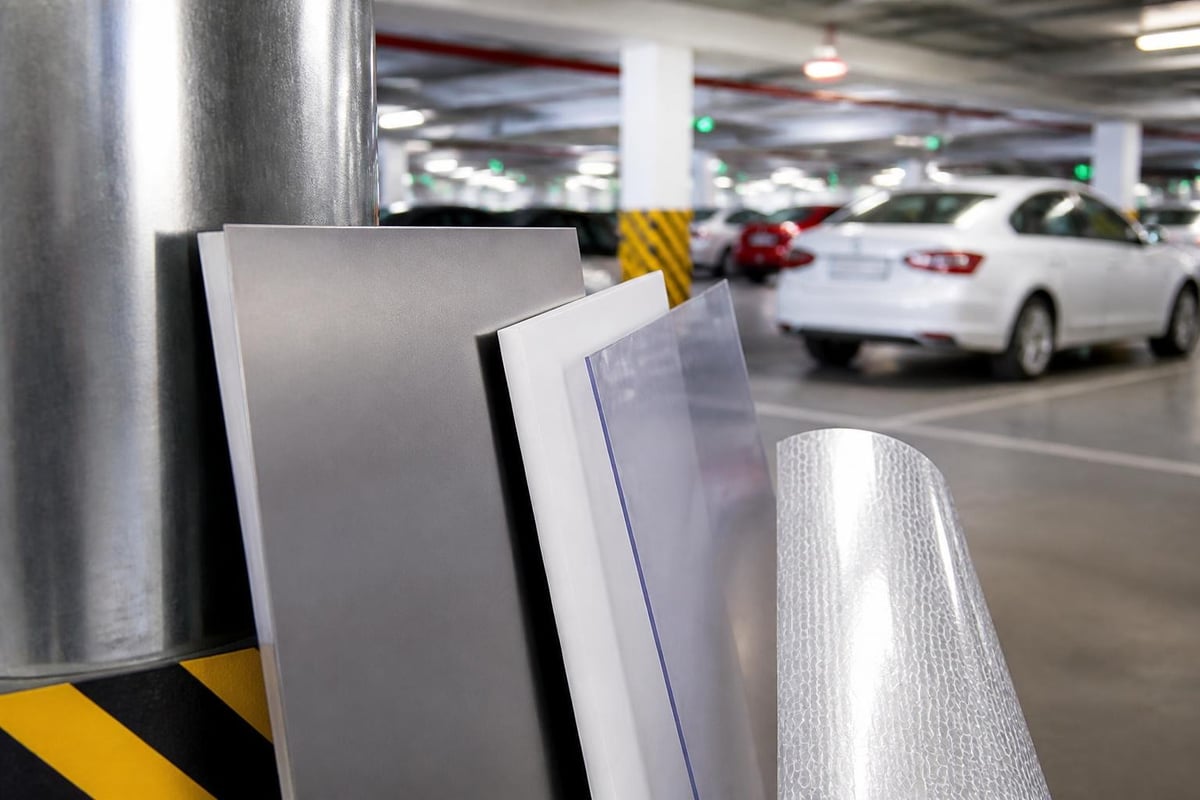
Aluminium sheeting offers excellent durability and weather resistance whilst maintaining relatively light weight for easy installation. Grade 5005 aluminium with a minimum thickness of 1.6mm provides structural integrity for most parking applications. Reflective vinyl overlays enhance nighttime visibility.
ACM (Aluminium Composite Material) panels deliver superior flatness and rigidity compared to single-sheet aluminium. The composite construction resists warping and provides an excellent substrate for digital printing, making ACM ideal for branded parking signage with complex graphics.
High-impact polycarbonate suits covered parking areas where weather exposure is limited but impact resistance remains important. This material withstands accidental contact from vehicles whilst offering clarity for backlit applications.
| Material | Lifespan | Weather Resistance | Cost | Best Application |
|---|---|---|---|---|
| Aluminium | 10-15 years | Excellent | Medium | Outdoor regulatory signs |
| ACM Panel | 12-20 years | Excellent | Medium-High | Branded directional signs |
| Polycarbonate | 8-12 years | Good | Medium | Covered parking areas |
| Reflective Vinyl | 7-10 years | Very Good | Low-Medium | Overlays and graphics |
Visibility and Reflectivity Standards
Nighttime visibility represents a critical consideration for signage for parking, particularly in facilities with limited lighting or 24-hour operation. Reflective materials ensure signs remain legible regardless of ambient light conditions.
The Manual on Uniform Traffic Control Devices establishes reflectivity standards for traffic and parking signs that many jurisdictions adopt. These standards specify minimum retroreflectivity levels measured in candelas per lux per square metre (cd/lx/m²).
Reflective Sheeting Classifications
Engineering Grade (Type I) sheeting provides basic retroreflectivity suitable for low-speed parking areas with adequate ambient lighting. This economical option works well for internal car park signage where vehicles travel slowly and lighting supports visibility.
High-Intensity (Type III) sheeting delivers significantly enhanced reflectivity, making it appropriate for parking guidance signs along roadways or in poorly lit facilities. The improved performance justifies the higher cost in applications where visibility directly impacts safety.
Diamond Grade (Type XI) represents the premium reflective option, offering exceptional brightness and wide-angle visibility. Whilst typically reserved for regulatory road signage, this classification suits high-stakes parking applications such as emergency access routes or high-speed entry ramps.
Digital and Smart Parking Signage
Modern parking facilities increasingly integrate digital signage for parking that provides real-time information about space availability, pricing, and navigation. These dynamic systems respond to changing conditions, guiding drivers directly to available spaces and reducing circulation time.
Digital signage solutions can display variable messages that adapt to occupancy levels, special events, or emergency situations. Integration with parking management systems creates intelligent wayfinding that optimizes space utilization and enhances user experience.
Variable Message Signs
LED-based variable message signs communicate dynamic information such as available space counts by zone or level. These signs typically position at decision points where drivers choose between different parking areas, enabling data-driven decisions that balance occupancy across the facility.
Research published in Parking & Mobility Magazine demonstrates that real-time occupancy information reduces search time by 30-40% in large facilities, directly translating to reduced emissions and improved user satisfaction. The technology proves particularly valuable during peak periods when capacity constraints affect multiple zones simultaneously.
Implementation considerations include:
- Power supply infrastructure and backup systems
- Network connectivity for data integration
- Weather-resistant enclosures rated for outdoor use
- Display brightness appropriate for ambient light conditions
- Maintenance access and serviceability
Design Principles for Effective Parking Signage
Visual design directly influences how quickly and accurately drivers interpret signage for parking. Effective designs prioritize legibility, minimize cognitive load, and maintain consistency throughout the facility.
Typography selection impacts readability at speed and from distance. Sans-serif fonts such as Helvetica or Arial provide excellent legibility, whilst letter height follows the rule of approximately 25mm per metre of viewing distance. A sign viewed from 10 metres should feature letters at least 250mm tall.
Colour Psychology and Coding
Colour serves both functional and psychological purposes in parking signage. Standard colour associations help users quickly categorize information without reading detailed text. Blue indicates accessible parking, red communicates prohibition, green suggests permission or direction, and yellow warns of caution.
Implementing colour psychology principles in signage design creates intuitive navigation systems that work across cultural and linguistic boundaries. Consistency in colour application throughout the facility reinforces learning and reduces confusion.
Zone-based colour coding helps drivers remember parking locations and find their vehicles upon return. Assigning distinct colours to different levels or sections (Blue Level, Green Level, Yellow Section) creates memorable reference points that supplement alphanumeric designations.
Maintenance and Lifecycle Management
Ongoing maintenance ensures signage for parking continues performing effectively throughout its service life. Environmental exposure, minor damage, and normal wear gradually degrade visibility and structural integrity.
Regular inspection schedules should assess several key factors:
- Reflectivity degradation through retroreflectometer testing
- Physical damage from impacts or vandalism
- Colour fading from UV exposure
- Mounting hardware corrosion or loosening
- Vegetation obscuring visibility
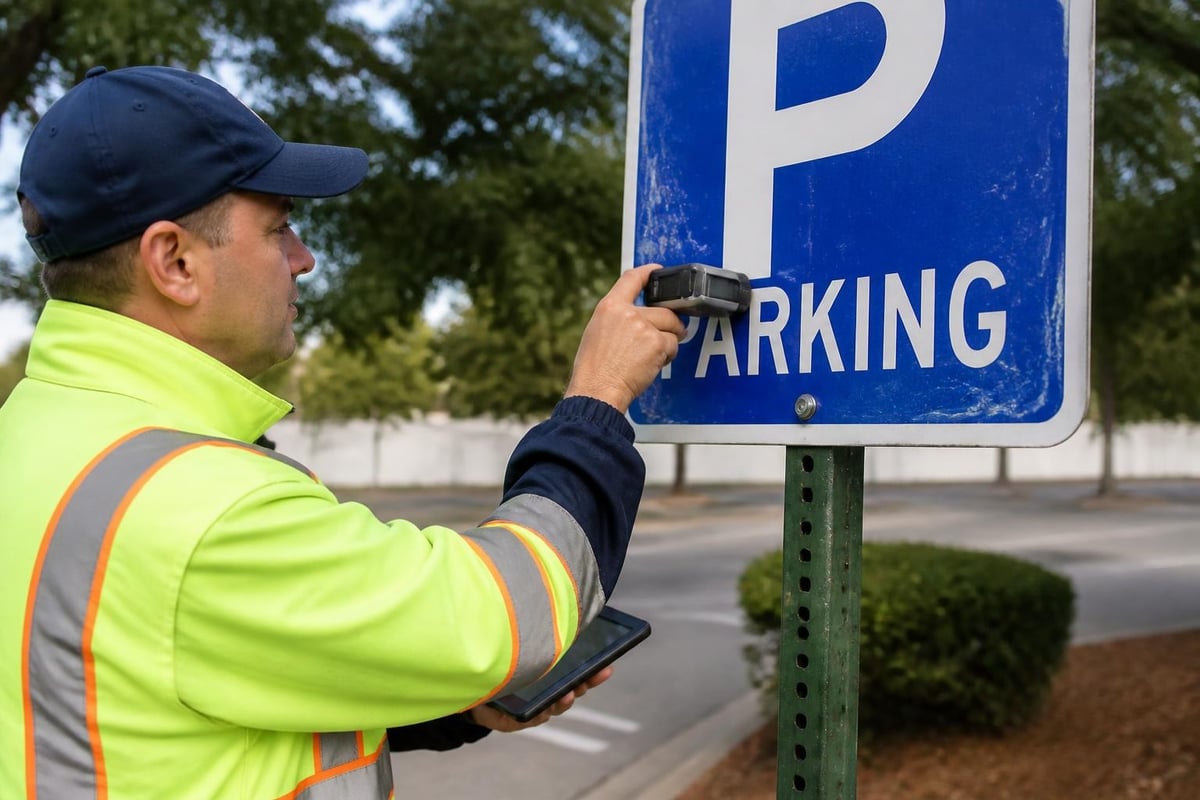
The long-term maintenance approach recommended for parking signage includes quarterly visual inspections and annual detailed assessments. Proactive replacement before complete failure maintains consistent communication quality and prevents liability issues.
Replacement Criteria
Establishing objective replacement criteria removes guesswork from maintenance decisions. Reflectivity measurements below 50% of original values indicate replacement needs, whilst any structural damage affecting rigidity or mounting security demands immediate attention.
Colour fade assessment compares current appearance to new material samples or reference photographs. Significant fading that affects recognition or creates confusion with different sign types justifies replacement regardless of physical condition.
Wayfinding Integration with Building Signage
Comprehensive wayfinding systems integrate signage for parking with broader building and campus navigation. Consistent design language, typography, colour schemes, and information hierarchy create seamless user journeys from vehicle arrival to final destination.
For multi-building campuses or large retail developments, parking signage represents the first touchpoint in the wayfinding system. Design decisions made for car park signs should consider how they relate to directional pylon signage, building identification, and internal wayfinding elements.
Integration elements include:
- Coordinated colour palettes across all signage types
- Consistent typeface families and sizing systems
- Unified iconography and symbol sets
- Complementary materials and finishes
- Aligned information hierarchy principles
Specialized Parking Sign Applications
Different facility types require specialized approaches to signage for parking that address unique operational requirements and user needs.
Retail and Shopping Centre Parking
Retail parking prioritizes quick turnover, clear bay identification for customer return, and promotional messaging opportunities. Time-limited parking zones require prominent signage communicating restrictions and consequences. Parent-with-pram bays, electric vehicle charging stations, and click-and-collect zones each demand specific identification signage.
Shopping centre parking often incorporates:
- Character-based zone identification (cartoon animals, colours)
- Photographic wayfinding showing zone identifiers
- Multi-language signage in diverse communities
- Promotional areas for tenant advertising
- Seasonal messaging capabilities
Corporate and Office Parking
Corporate facilities typically implement permit-based parking systems with visitor, executive, and general staff designations. Signage must clearly communicate permit requirements whilst directing visitors to appropriate areas. Reserved parking for specific individuals or departments requires professional presentation that aligns with corporate branding.
Pylon signage at corporate campus entries establishes brand presence whilst directing visitors to designated parking areas, creating a cohesive arrival experience.
Healthcare Facility Parking
Hospital and medical centre parking faces unique challenges including emergency vehicle access, patient drop-off zones, disabled parking allocation, and visitor navigation during stressful circumstances. Signage must be exceptionally clear, with minimal ambiguity that could confuse anxious visitors.
Multiple accessible parking locations near different building entries require comprehensive signage systems that guide users to appropriate zones based on their destination department. Emergency entrance identification must be unmistakable, with fire lanes clearly marked and protected.
Cost Considerations and Budget Planning
Investment in quality signage for parking delivers returns through improved traffic flow, reduced liability exposure, and enhanced user satisfaction. Understanding cost factors for commercial signage helps facility managers allocate appropriate budgets.
Initial installation costs include design development, material procurement, fabrication, and installation labour. These vary significantly based on sign quantity, size, material selection, and site-specific installation challenges.
| Cost Component | Economy Option | Premium Option | Impact on Performance |
|---|---|---|---|
| Material | Aluminium, vinyl graphics | ACM, digital printing | Durability, appearance quality |
| Reflectivity | Engineering Grade | Diamond Grade | Night visibility, safety |
| Mounting | Direct wall fixing | Post-mounted systems | Installation flexibility |
| Fabrication | Standard sizes | Custom specifications | Fit-for-purpose design |
Lifecycle costing provides more accurate investment assessment than initial purchase price alone. Premium materials with 15-20 year lifespans may cost 40% more upfront but deliver lower annualized costs compared to economy options requiring replacement after 7-10 years.
Implementation Planning and Phased Installation
Large-scale parking signage projects benefit from phased implementation approaches that spread costs whilst allowing operational feedback to inform subsequent phases. Strategic sequencing prioritizes high-impact areas such as entries, exits, and decision points before addressing secondary wayfinding elements.
Proper professional signage installation ensures correct positioning, secure mounting, and compliance with specifications. Installation errors compromise even the best-designed signage systems, creating safety risks and operational inefficiencies.
Site Assessment and Planning
Comprehensive site surveys identify existing conditions, infrastructure constraints, and opportunities before finalizing signage locations. Assessments should document:
- Sightlines and visibility corridors from driver perspective
- Mounting surface conditions and structural capacity
- Underground utilities affecting post installations
- Lighting conditions throughout 24-hour cycle
- Traffic patterns and decision point locations
This data informs final placement decisions that maximize effectiveness whilst avoiding physical constraints and regulatory conflicts.
Regulatory Compliance and Approval Processes
Parking signage in many jurisdictions requires approvals from local authorities, particularly for street-facing installations or facilities serving public functions. Understanding signage regulations and permit requirements prevents project delays and costly modifications.
The approval process typically examines compliance with local planning schemes, building codes, accessibility standards, and traffic management regulations. Some municipalities maintain specific sign design standards that dictate colours, sizes, and wording for parking signage visible from public roadways.
Documentation typically required includes:
- Site plans showing all proposed sign locations
- Sign specifications including dimensions, materials, colours
- Mounting detail drawings
- Lighting plans for illuminated signs
- Accessibility compliance statements
Early engagement with approval authorities identifies requirements and expectations before significant design investment, reducing revision cycles and accelerating implementation.
Effective signage for parking combines regulatory compliance, user-focused design, durable materials, and strategic implementation to create systems that serve facilities reliably for years. From basic directional signs to sophisticated digital guidance systems, each element contributes to operational efficiency and user satisfaction. Whether you're developing a new parking facility or upgrading existing infrastructure, Signs4SA delivers comprehensive signage solutions backed by manufacturing expertise and national support, ensuring your parking signage performs effectively throughout its lifecycle.