


Signage Companies: Complete Guide to Choosing the Right
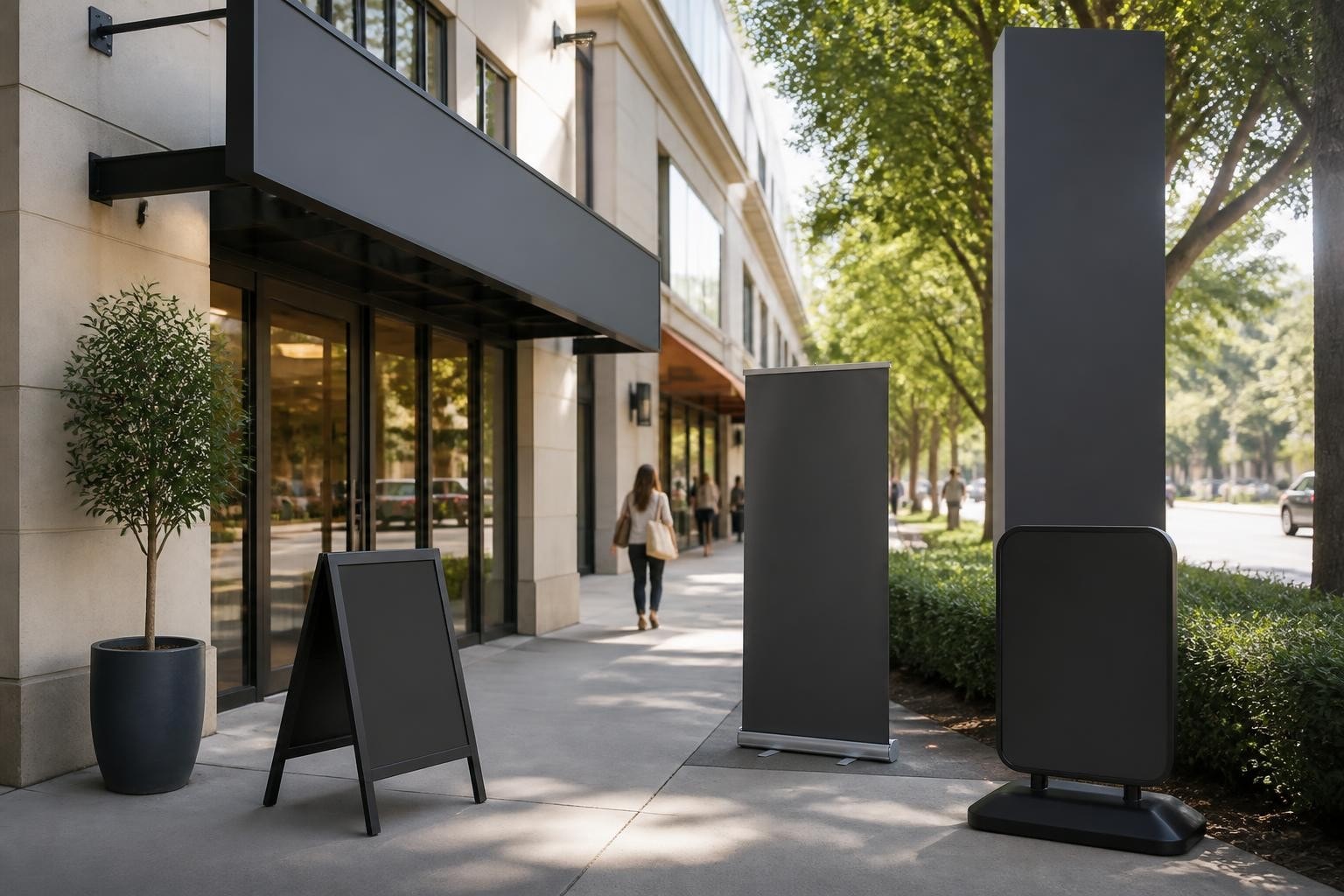
Selecting the right partner from among the many signage companies operating today can significantly impact your business's visibility, brand perception, and customer engagement. The signage industry has evolved dramatically, with modern providers offering sophisticated solutions that extend far beyond simple shop signs. Understanding what separates exceptional signage companies from average providers enables businesses to make informed decisions that deliver lasting value and measurable results.
What Distinguishes Professional Signage Companies
Professional signage companies operate with a fundamentally different approach compared to basic sign makers. The distinction lies in their comprehensive capabilities, technical expertise, and commitment to delivering complete solutions rather than standalone products.
Manufacturing Capabilities and Infrastructure
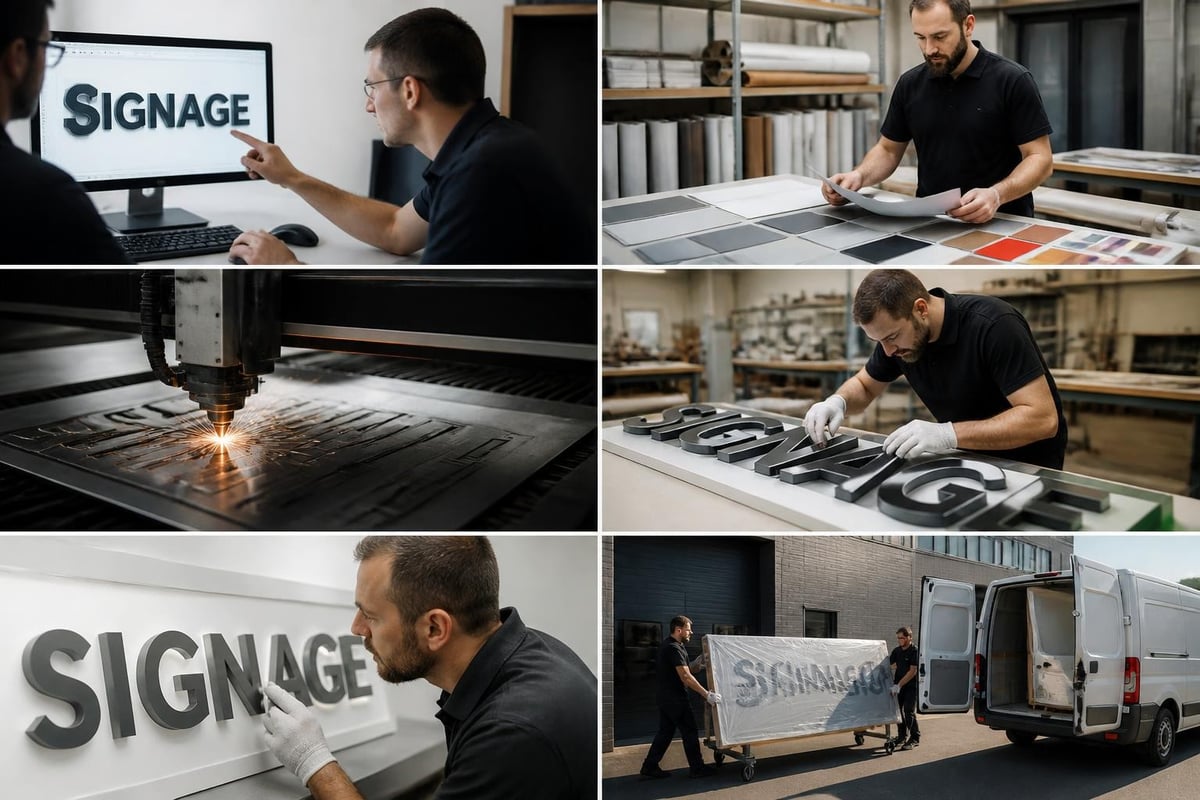
Leading signage companies maintain extensive manufacturing facilities equipped with advanced technology. These operations typically include:
- Large-format printing equipment for vinyl and fabric materials
- CNC routers for precision cutting of acrylic, aluminium, and composite materials
- Laser cutting and engraving systems for detailed work
- Powder coating facilities for durable finishes
- LED assembly workshops for illuminated signage
- Digital printing stations for high-resolution graphics
The quality of manufacturing infrastructure directly affects the durability, finish quality, and design possibilities available to clients. Companies with in-house production capabilities offer greater quality control and faster turnaround times than those relying on subcontractors.
Industry-Specific Expertise
Different sectors require specialized signage knowledge. Pharmaceutical facilities demand compliance with strict regulatory standards, whilst retail environments need signage that drives customer behaviour. Construction sites require temporary yet highly visible safety signage, and corporate offices seek sophisticated wayfinding systems that reflect brand identity.
The best signage companies develop deep expertise in specific industries, understanding not only the technical requirements but also the regulatory frameworks, aesthetic expectations, and functional demands unique to each sector. This specialization ensures that solutions address industry-specific challenges effectively.
Evaluating Technical Competencies
When assessing potential signage companies, technical competence forms the foundation of reliable service delivery. Several key areas warrant careful examination.
Design and Engineering Capabilities
Exceptional signage companies employ skilled designers who understand both creative principles and technical constraints. They create solutions that balance aesthetic appeal with structural integrity, environmental durability, and regulatory compliance.
| Competency Area | What to Look For | Why It Matters |
|---|---|---|
| 3D Modelling | CAD and rendering capabilities | Accurate visualisation before fabrication |
| Structural Engineering | Load calculations and mounting solutions | Safety and longevity of installations |
| Electrical Design | LED systems and power management | Energy efficiency and maintenance |
| Material Science | Knowledge of substrate properties | Appropriate material selection |
Engineering expertise becomes particularly critical for large-scale installations such as pylon signage, where structural calculations, wind load analysis, and foundation requirements demand professional engineering input. These towering structures require precise specification to withstand environmental stresses whilst maintaining visual impact.
Quality Assurance Processes
Reputable signage companies implement rigorous quality control measures throughout production. This includes material verification, color matching protocols, finish inspections, and pre-installation testing for illuminated components.
Ask prospective providers about their quality assurance procedures. Companies committed to excellence typically maintain documented processes, conduct multiple inspection points, and stand behind their work with comprehensive warranties.
Installation Expertise and Project Management
The finest signage design becomes worthless without proper installation. Professional signage companies recognize that installation represents a critical phase where planning meets execution.
Installation Team Qualifications
Professional installation teams possess multiple specialized skills:
- Working at height certification for elevated installations
- Electrical qualifications for illuminated and digital signage
- Structural mounting expertise for various building materials
- Traffic management training for roadside installations
- Safety compliance knowledge including proper PPE usage
These qualifications ensure installations proceed safely, efficiently, and to professional standards. The American Institute of Architects provides guidance on integrating signage into architectural projects, emphasizing the importance of coordination between design intent and installation reality.
End-to-End Project Coordination
Sophisticated signage companies manage the entire project lifecycle, from initial consultation through post-installation support. This comprehensive approach eliminates coordination gaps that often plague projects involving multiple vendors.
Effective project management includes site surveys, permit acquisition, stakeholder communication, installation scheduling, and final inspections. Companies with robust project management capabilities deliver on time, within budget, and with minimal disruption to ongoing operations.
Compliance and Regulatory Knowledge
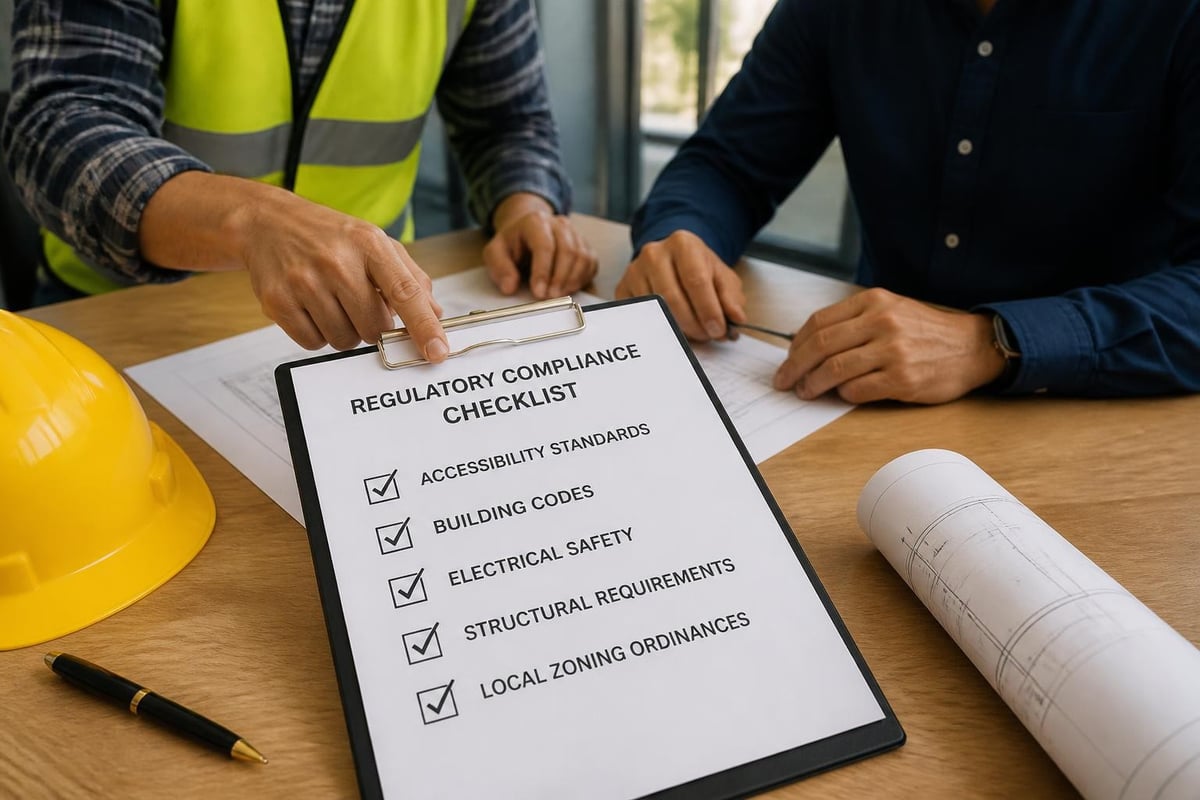
Navigating the complex landscape of signage regulations requires specialized knowledge that professional signage companies develop through experience and ongoing education.
Accessibility Standards
Modern signage must accommodate all users, including those with visual or cognitive impairments. The U.S. Access Board provides comprehensive guidance on ADA-compliant signage specifications, covering tactile characters, Braille, contrast ratios, and mounting heights. While these are U.S. standards, many international signage companies apply similar principles.
Compliance considerations include:
- Raised character heights and stroke width
- Grade 2 Braille positioning and spacing
- Non-glare finish requirements
- Pictogram standardization
- Color contrast ratios for visibility
Building Codes and Permits
Professional signage companies understand local building codes, zoning restrictions, and permit requirements. They navigate approval processes efficiently, preparing documentation that satisfies regulatory authorities whilst advancing client objectives. For insights into South African regulatory landscapes, signage regulations and permits offer valuable guidance.
Material Selection and Durability
Material expertise separates knowledgeable signage companies from suppliers simply fulfilling orders. Different applications demand specific material properties that affect longevity, appearance, and maintenance requirements.
Substrate Options and Applications
| Material | Best Applications | Key Advantages | Considerations |
|---|---|---|---|
| Aluminium Composite | External fascia signs, panels | Lightweight, weather-resistant, flat | Can dent under impact |
| Acrylic | Illuminated letters, displays | Excellent light transmission | UV degradation over time |
| Stainless Steel | Premium applications, marine environments | Extremely durable, corrosion-resistant | Higher cost, weight |
| Vinyl/Banner Material | Temporary signage, events | Cost-effective, versatile | Limited lifespan |
| High-Density Urethane | Dimensional letters, architectural elements | Lightweight, highly customizable | Requires proper sealing |
Understanding how environmental factors affect materials enables signage companies to recommend solutions that perform optimally in specific conditions. Coastal installations require different material specifications than inland urban environments, and high-traffic areas demand more robust construction than protected indoor locations.
Durability Testing and Standards
Quality-focused signage companies reference established industry standards for material performance. The U.S. Department of Transportation specifications outline rigorous testing protocols for outdoor signage materials, addressing reflectivity, color fastness, and structural integrity.
Professional providers conduct or reference testing for:
- UV resistance and color stability
- Temperature cycling performance
- Impact resistance
- Moisture penetration
- Finish adhesion and durability
Digital Signage Integration
The rapid growth of digital signage has transformed how businesses communicate with audiences. Forward-thinking signage companies have developed expertise in this technology-driven domain, understanding both hardware specifications and content management systems.
Technology Considerations
Modern digital signage encompasses various technologies, each suited to different applications. According to market analysis from Grand View Research, the digital signage market continues expanding as businesses recognize the dynamic communication advantages these systems provide.
Pixel pitch determines viewing distance and image quality, with options ranging from fine-pitch indoor displays to robust outdoor LED modules. Brightness requirements vary dramatically between indoor and outdoor applications, with outdoor installations requiring significantly higher luminance to remain visible in direct sunlight.
Professional signage companies guide clients through technology selection, considering factors including viewing distance, ambient light conditions, content update frequency, and budget constraints. They also address infrastructure requirements such as power supply, network connectivity, and mounting structures. For those exploring options, digital signage solutions offer versatile display capabilities suitable for various environments.
Content Management Systems
Hardware represents only one component of effective digital signage. Professional signage companies either provide or integrate with content management platforms that enable easy content updates, scheduling, and multi-location management.
These systems should offer:
- Intuitive content creation tools
- Remote management capabilities
- Scheduling and playlist functionality
- Real-time content updates
- Analytics and performance tracking
Wayfinding and Environmental Graphics
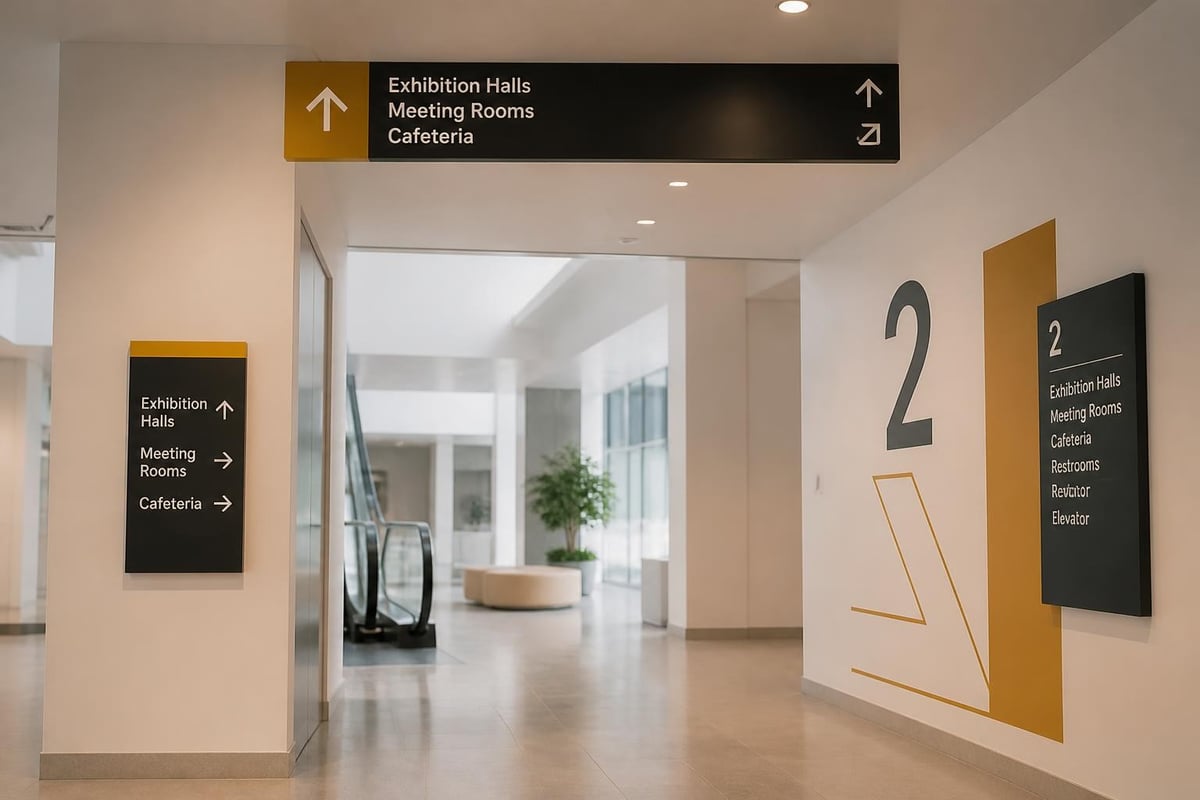
Sophisticated wayfinding systems require specialized expertise that extends beyond simple directional signage. Professional signage companies approach wayfinding as a comprehensive design discipline that considers user psychology, spatial orientation, and brand integration.
Strategic Wayfinding Design
Effective wayfinding systems guide users intuitively through complex environments. The North Central Texas Council of Governments outlines best practices for developing coherent wayfinding signage systems that balance functionality with aesthetic cohesion.
Hierarchical information architecture ensures users receive the right level of detail at each decision point. Primary signs provide major destinations, secondary signs offer directional guidance, and tertiary signs confirm arrival or provide detailed information.
Signage companies with wayfinding expertise conduct thorough analysis including:
- User journey mapping
- Decision point identification
- Sightline analysis
- Information hierarchy development
- Accessibility compliance verification
Environmental Graphic Design
Environmental graphics transform spaces whilst providing functional information. Leading signage companies employ designers who understand how to integrate branding, wayfinding, and experiential elements into cohesive environmental narratives.
This discipline encompasses wall graphics, floor decals, suspended elements, and integrated architectural features that reinforce brand identity whilst enhancing user experience. The most effective solutions feel integral to the environment rather than added afterthoughts.
Service and Support Capabilities
The relationship with signage companies should extend beyond initial installation. Professional providers offer ongoing support that protects the client's investment and ensures continued performance.
Maintenance Programs
Comprehensive maintenance programs preserve signage appearance and functionality. Services typically include:
- Regular cleaning and inspection
- LED component replacement
- Structural integrity checks
- Finish touch-ups and repairs
- Digital system updates and troubleshooting
Proactive maintenance prevents small issues from escalating into costly failures. Reputable signage companies offer maintenance contracts tailored to specific signage types and client requirements. For practical advice, signage maintenance tips provide guidance on preserving long-term performance.
Warranty and Response Times
Clear warranty terms demonstrate confidence in workmanship and materials. Comprehensive warranties cover manufacturing defects, installation quality, and component performance for specified periods.
Equally important is responsive service when issues arise. Professional signage companies maintain service teams capable of addressing problems quickly, minimizing downtime and protecting the client's brand visibility.
Portfolio Diversity and Industry Experience
Evaluating a signage company's portfolio reveals their capabilities, design sensibilities, and industry experience. A diverse portfolio demonstrates versatility whilst specialized experience in your sector indicates relevant expertise.
Case Studies and References
Detailed case studies provide insight into how signage companies approach challenges, solve problems, and deliver results. Look for examples that demonstrate:
- Similar project scope and complexity
- Industry-specific knowledge application
- Problem-solving capabilities
- Quality of finished installations
- Client satisfaction outcomes
Request references from clients with comparable requirements. Direct conversations with past clients offer candid insights into working relationships, responsiveness, and overall satisfaction that marketing materials cannot convey.
Innovation and Design Awards
Recognition from industry organizations such as the International Sign Association validates design excellence and technical achievement. Award-winning signage companies typically push creative boundaries whilst maintaining functional effectiveness.
However, awards represent only one indicator of quality. Consistent delivery of successful projects often matters more than occasional recognition, particularly for businesses prioritizing reliability over cutting-edge design.
Cost Structures and Value Proposition
Understanding how signage companies structure pricing enables informed comparisons and helps identify true value beyond simple cost considerations.
Pricing Models and Transparency
Reputable signage companies provide transparent pricing that itemizes design, materials, fabrication, installation, and any additional services. This transparency allows clients to understand cost drivers and make informed decisions about specifications and scope.
Beware of vague estimates that lump all costs together without detail. These often hide quality shortcuts or set the stage for unexpected additional charges. For budget planning guidance, understanding signage investment offers strategic perspective.
Total Cost of Ownership
Initial purchase price represents only one component of signage investment. Professional signage companies help clients understand total cost of ownership, including:
| Cost Component | Considerations | Impact on Total Cost |
|---|---|---|
| Initial Investment | Design, materials, fabrication, installation | 60-70% of lifetime cost |
| Maintenance | Cleaning, repairs, component replacement | 15-25% of lifetime cost |
| Energy Consumption | Illumination costs for lit signage | 5-10% of lifetime cost |
| Replacement Cycle | Expected lifespan before replacement needed | Long-term planning factor |
Higher-quality installations often deliver superior total cost of ownership despite elevated initial investment, through extended lifespan, reduced maintenance requirements, and better sustained appearance.
Geographic Reach and Local Presence
Project complexity often determines whether national reach or local presence matters more. Large organizations with multiple locations benefit from signage companies offering national consistency, whilst businesses with concentrated operations may prioritize local responsiveness.
National Capabilities with Local Service
The ideal combination provides standardized quality and processes across regions whilst maintaining local service teams for installation and support. This structure ensures brand consistency in multi-location rollouts whilst delivering responsive local service.
Companies with national footprints can coordinate complex projects spanning multiple sites, ensuring unified brand presentation and efficient project management. They leverage established supplier relationships and standardized processes to deliver consistent results regardless of location. For those seeking established providers, signage companies in South Africa offers a comprehensive overview of the local landscape.
Installation Coverage Areas
Verify that prospective signage companies serve your locations with dedicated installation teams rather than subcontractors. Direct employment of installers ensures quality control, accountability, and consistent application of company standards.
Regional limitations don't necessarily disqualify otherwise excellent providers, but understanding coverage areas upfront prevents complications during project execution.
Technology Adoption and Future-Proofing
The signage industry continues evolving with technological advancement. Forward-thinking signage companies invest in emerging technologies and maintain awareness of industry trends that affect client solutions.
Emerging Technologies
Several technologies are reshaping signage capabilities:
- Interactive displays enabling user engagement through touch, gesture, or mobile integration
- IoT integration connecting signage to building systems and data sources
- AI-powered content adapting displays based on audience demographics or environmental conditions
- Sustainable materials reducing environmental impact through recycled substrates and eco-friendly processes
- Augmented reality integration extending physical signage into digital experiences
Progressive signage companies explore these technologies thoughtfully, implementing innovations that deliver measurable value rather than adopting technology for its own sake.
Sustainability Initiatives
Environmental responsibility increasingly influences purchasing decisions. Leading signage companies demonstrate commitment through:
- Energy-efficient LED lighting systems
- Recyclable and recycled material options
- Low-VOC finishes and adhesives
- Waste reduction in manufacturing processes
- End-of-life recycling programs
These initiatives often align with client sustainability goals whilst reducing long-term operating costs through improved energy efficiency.
Partnership Approach and Communication
The best working relationships with signage companies feel like partnerships rather than vendor transactions. This collaborative approach produces superior outcomes through aligned objectives and transparent communication.
Consultation and Needs Assessment
Professional signage companies invest time understanding client objectives, challenges, and constraints before proposing solutions. This consultative approach ensures recommendations address actual needs rather than simply promoting standardized products.
Effective consultation explores brand positioning, target audience characteristics, environmental context, budget parameters, and timeline requirements. This comprehensive understanding enables tailored solutions that deliver measurable results.
Ongoing Communication Standards
Project success depends on clear, consistent communication throughout the engagement. Establish expectations regarding update frequency, preferred communication channels, and escalation procedures for issues requiring immediate attention.
Signage companies that proactively communicate progress, flag potential concerns early, and respond promptly to inquiries demonstrate the professional standards that characterize successful partnerships.
Selecting from among available signage companies requires evaluating manufacturing capabilities, technical expertise, industry experience, and service commitment to identify partners who deliver lasting value. The right provider brings specialized knowledge, proven processes, and collaborative approach that transform signage from simple marking into strategic business assets. Whether you need comprehensive wayfinding systems, eye-catching pylon installations, or sophisticated digital displays, Signs4SA combines manufacturing excellence with industry-specific expertise to deliver signage solutions that elevate your brand presence and achieve your business objectives across South Africa.