Photoluminescent signs are safety signs that absorb and store light energy and then emit a visible glow when the surrounding area becomes dark. They are commonly used to improve the visibility of emergency exits, escape routes, fire equipment, stairways and other important safety information during power failures or low-light conditions.
Also commonly described as glow-in-the-dark safety signs, photoluminescent signage can help people identify important safety information when normal lighting is reduced or unavailable. They can be used in offices, commercial buildings, factories, warehouses, shopping centres, hotels, public buildings and other facilities.
Photoluminescent signs are manufactured using materials that absorb light from natural or artificial light sources and release that stored energy as visible light when the surrounding area becomes darker.
This allows the sign to remain visible for a period of time after the normal light source has been reduced or switched off.
Photoluminescent signage is commonly used for emergency and safety information where visibility may be important during a power failure, evacuation or low-light situation.
Clear emergency signage can help people identify important routes, exits and safety equipment when visibility is reduced. Photoluminescent signs provide an additional visual aid because they can remain visible after the surrounding lighting becomes dark.
They can be particularly useful in buildings where people need to identify emergency exits, escape routes, stairways, fire equipment or other safety information during an emergency.
Photoluminescent signs should form part of a wider emergency and fire safety system. Their use does not replace appropriate emergency lighting, fire protection equipment, evacuation procedures or other required safety measures.
Photoluminescent signage can be produced for different safety and emergency applications. Common examples include:
Photoluminescent exit signs help identify emergency exits when normal lighting conditions are reduced. They can be installed above or near designated exits and along escape routes where people need clear direction.
Exit signage should be positioned so that it can be seen easily from the relevant approach to the exit and should not be obstructed by doors, equipment, advertising displays or other objects.
Emergency exit signs can help people identify the direction of a safe exit during an emergency. Photoluminescent materials can provide additional visibility when normal lighting is unavailable or reduced.
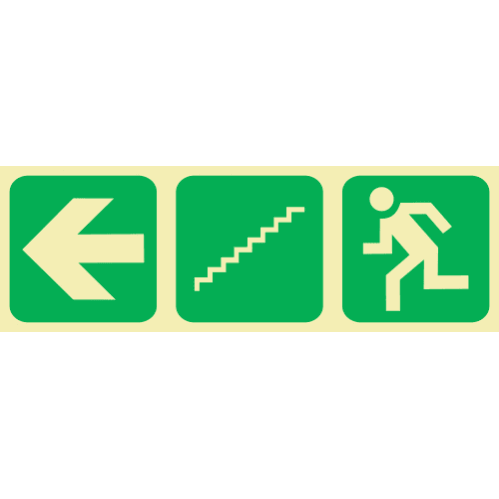
Depending on the building layout, emergency exit signage may include directional arrows to guide people towards the nearest appropriate exit.
Escape route signs communicate the direction people should follow when leaving a building during an emergency.
Photoluminescent escape route signs can be positioned along corridors, stairways, passageways and other areas forming part of an emergency escape route.
For larger buildings, multiple signs may be required to provide continuous and understandable direction along the escape route.
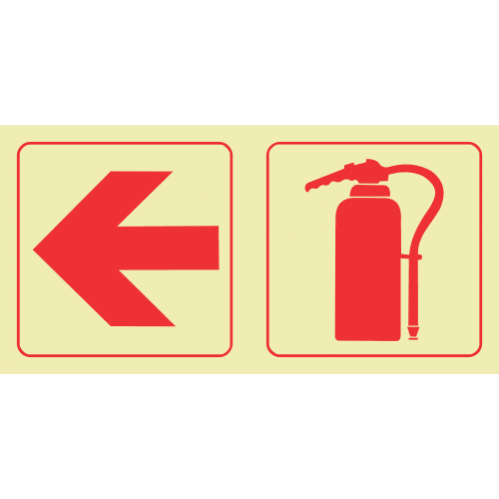
Photoluminescent signs can also be used to identify fire safety equipment. Examples include fire extinguishers, fire hose reels, fire alarm points and other emergency equipment.
Making safety equipment easier to identify can be particularly useful when visibility is reduced or when a person needs to locate equipment quickly.
Stairways are an important part of many building evacuation routes. Photoluminescent signs can be used to identify stairways, direct people towards stairs and communicate other relevant emergency information.
Low-level photoluminescent signage can also be considered where appropriate for the building and escape route design.
During an evacuation, people need clear information about where to go and which routes to follow. Photoluminescent emergency signage can help maintain the visibility of important instructions when normal lighting is reduced.
Emergency signage can identify exits, escape routes, stairways, emergency equipment and assembly areas according to the requirements of the building.
Photoluminescent signs can be used in many different buildings and environments, including:
Office buildings can use photoluminescent signs to identify emergency exits, escape routes, stairways and fire safety equipment.
These signs can form part of a wider emergency wayfinding system designed to help employees, visitors and contractors navigate the building during an evacuation.
Factories and industrial facilities may contain machinery, production areas, storage zones and other controlled environments. Clear emergency signage can help employees and visitors identify escape routes and emergency equipment.
Photoluminescent signage can provide additional visibility in areas where lighting conditions may change or where emergency lighting may be required.
Warehouses can use photoluminescent signage to identify emergency exits, pedestrian routes, escape routes, stairways and fire equipment.
Because warehouses can contain large storage areas and long aisles, signs should be positioned carefully so that important emergency information remains visible and easy to follow.
Hotels, shopping centres, hospitals, schools and other public buildings may have large numbers of people who are unfamiliar with the building layout.
Clear emergency and photoluminescent signage can help visitors, employees and other building users identify exits, escape routes, stairways and emergency equipment.
Photoluminescent safety signage is used in South African commercial, industrial, residential and public buildings to communicate emergency and safety information.
Where emergency or safety signage is required to meet a particular regulation, standard, building requirement or fire safety requirement, the appropriate sign should be selected and installed according to the applicable requirements.
Building owners, businesses and facility managers should consider the building layout, evacuation routes, emergency equipment and applicable safety requirements when planning emergency signage.
Photoluminescent materials absorb energy from surrounding light sources. When the light source is removed or the area becomes dark, the material releases the stored energy as visible light.
The sign therefore appears to glow in dark or low-light conditions. The brightness and duration of the glow depend on factors such as the photoluminescent material, exposure to light and the surrounding conditions.
Photoluminescent signs and emergency lighting serve different purposes and can be used together.
Photoluminescent signage provides visible information by using stored light energy, while emergency lighting provides illumination when the normal lighting supply fails.
Photoluminescent signs should not automatically be treated as a replacement for emergency lighting where emergency lighting is required by applicable regulations or building requirements.
A photoluminescent safety sign should communicate its message clearly and remain easy to recognise from the required viewing distance.
When planning photoluminescent signage, consider:
Simple symbols, clear directional arrows and easy-to-read information can help people understand emergency signage quickly.
The placement of emergency signage is an important part of an effective wayfinding system. Signs should be positioned where people can see them when approaching an exit, change in direction, stairway or other important point on an escape route.
Signs should not be hidden behind doors, equipment, shelving, advertising displays or other objects.
For larger buildings, multiple signs may be required to provide continuous direction along an escape route.
Low-level photoluminescent signage can provide emergency route information closer to floor level. This can be useful for identifying escape routes and other important information in areas where visibility may be affected by smoke or other conditions.
The use and positioning of low-level signage should be considered as part of the building's overall emergency evacuation and fire safety strategy.
Photoluminescent signs are produced using materials containing photoluminescent properties. The appropriate product depends on the intended application, required durability, installation surface and applicable safety requirements.
Depending on the application, photoluminescent signage can be supplied in different formats and finishes for walls, doors, corridors, stairways, floors and other surfaces.
Photoluminescent signs can be used indoors and, where the selected material is suitable, in outdoor environments.
Outdoor applications may expose signage to sunlight, rain, wind, dust and temperature changes. The material and finish should therefore be selected according to the environment where the sign will be installed.
Businesses and property owners may require photoluminescent signs for specific emergency routes, building layouts or safety requirements.
Custom signage can be produced with appropriate wording, symbols, arrows, sizes and layouts according to the intended application.
Where a sign is required to comply with a specific safety standard or regulatory requirement, the design should be checked against the applicable requirements before production.
Standard safety signs rely primarily on normal lighting conditions for visibility, while photoluminescent signs are designed to remain visible by using materials that store and release light.
This makes photoluminescent signage particularly useful for emergency information that may need to remain visible when normal lighting is reduced.
Photoluminescent signs store light energy and release it when the surrounding area becomes dark. Illuminated signs use an electrical or other light source to provide illumination.
The appropriate option depends on the building, application, emergency requirements, installation conditions and applicable regulations.
The cost of photoluminescent signage depends on factors such as the sign size, material, design, quantity, printing or finishing requirements and installation.
A small photoluminescent exit sign will have different production requirements from a complete emergency wayfinding system covering multiple floors of a building.
Signs4SA can assess your signage requirements and provide a quotation based on the type, size, quantity and application of the photoluminescent signs required.
Photoluminescent signs are safety signs made with materials that absorb light and release it as a visible glow when the surrounding area becomes dark. They are commonly used for emergency exits, escape routes and safety equipment.
Photoluminescent signs are commonly described as glow-in-the-dark signs because they can remain visible after the surrounding light is reduced or switched off.
Photoluminescent materials absorb energy from natural or artificial light. When the surrounding area becomes dark, the stored energy is released as visible light.
They are used in offices, factories, warehouses, shopping centres, hotels, hospitals, schools, public buildings, residential developments, industrial facilities and other environments where emergency visibility is important.
They can be used to identify emergency exits, escape routes, stairways, fire extinguishers, fire hose reels, emergency equipment, assembly points and other important safety information.
Photoluminescent signs do not require a continuous electrical power supply to produce their glow. They absorb light energy and release it when the surrounding area becomes dark.
Not necessarily. Photoluminescent signage and emergency lighting serve different purposes. Where emergency lighting is required, photoluminescent signs should be used as part of the overall emergency safety system rather than automatically treated as a replacement.
Yes, where the selected material and construction are suitable for outdoor conditions. Outdoor signage should be selected according to exposure to sunlight, rain, wind and other environmental conditions.
Yes. Custom photoluminescent signs can be produced with different wording, symbols, arrows, sizes and layouts according to the intended application.
Yes. Photoluminescent signs can be used to identify fire exits and emergency escape routes where the selected signage meets the applicable requirements for the building and application.
Yes. Photoluminescent signage can be used to help identify fire extinguishers and other fire safety equipment, particularly where visibility may be reduced.
The glow duration depends on the material, the amount and type of light absorbed, the surrounding conditions and the specific product. Product specifications should be checked for the expected performance of a particular sign.
Photoluminescent signs store light energy and release it in dark conditions, while illuminated signs use a light source to provide illumination. The appropriate option depends on the application and applicable requirements.
The requirements for emergency and safety signage depend on the type of building, its use, applicable regulations, standards and safety requirements. The appropriate signage should be determined according to the specific building and emergency safety requirements.
Consider what information needs to be communicated, where the sign will be installed, the viewing distance, available lighting, the emergency route and any applicable safety or regulatory requirements.
Yes. Signs4SA can assist with photoluminescent safety signage for offices, factories, warehouses, commercial buildings, industrial facilities, construction sites and other environments.
Provide the type of sign required, quantity, preferred size, installation location and any specific safety or emergency requirements. Signs4SA can assist with the signage specification and provide a quotation.
Photoluminescent signs can help improve the visibility of emergency exits, escape routes, stairways and safety equipment when normal lighting is reduced. Signs4SA can assist with photoluminescent signage for commercial, industrial, public and other building environments.
Contact Signs4SA to discuss your photoluminescent signage requirements, provide your specifications and request a quotation.
As a business owner, you want to ensure the safety of your employees and customers in the event of a fire. This is where Fire Fighting Signs come in. These signs play a crucial role in ensuring that everyone in your building can evacuate quickly and safely in the event of a fire. Our Fire Fighting Signs are made of high-quality materials and are designed to be easily recognizable and easily understood by people of all ages. They come in a variety of sizes and styles to meet your specific needs and can be customized to display your company logo or other important information. Our Fire Fighting Signs include fire exit signs, fire equipment signs, and evacuation route signs. These signs are strategically placed in clear and visible locations throughout your building, making it easy for people to find them in the event of an emergency. In addition to ensuring safety, our Fire Fighting Signs also provide peace of mind. By installing these signs, you are taking an important step to protect your business and the people who work and visit there. You can rest assured that in the event of a fire, your employees and customers will have the information they need to evacuate safely. Don't take chances with the safety of your employees and customers. Invest in our high-quality Fire Fighting Signs today and enjoy the peace of mind that comes with knowing your building is equipped with the best fire safety measures.